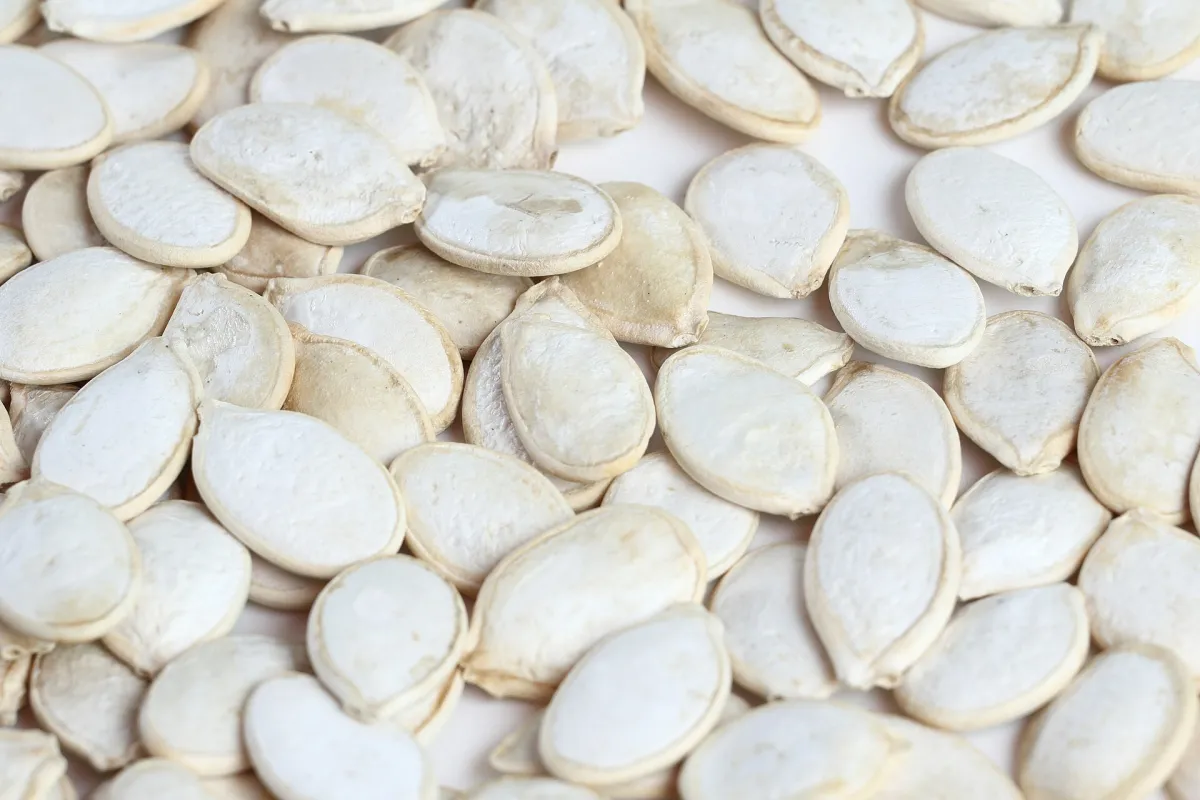
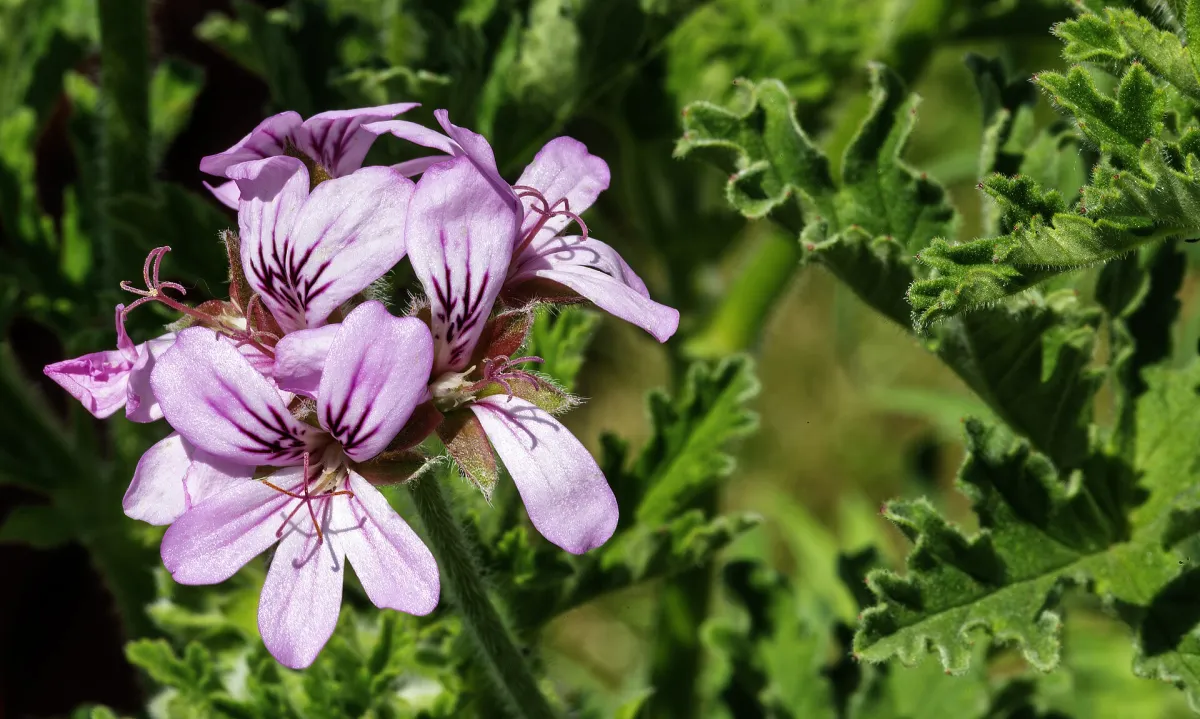
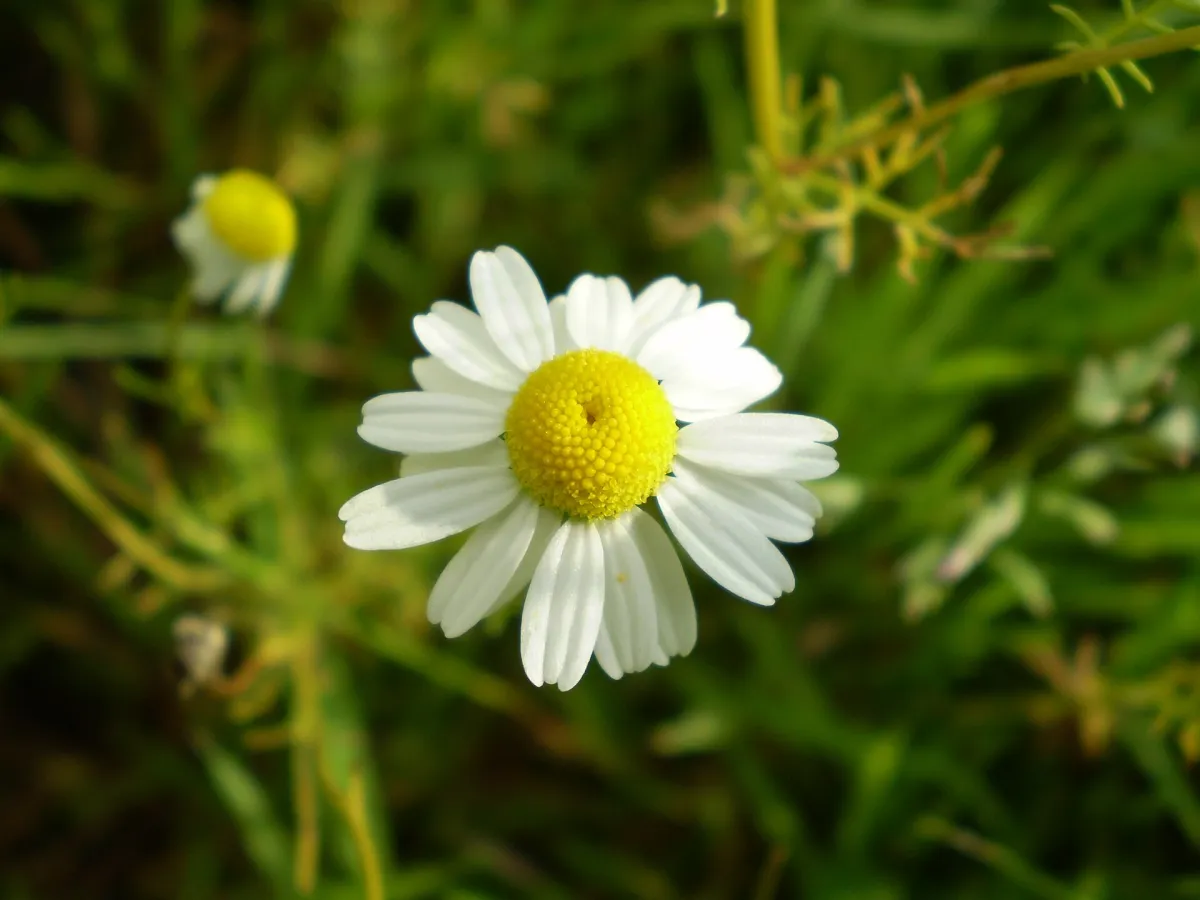
 Photo: Rob Hille, Public domain, via Wikimedia Commons
Anal itching (pruritus ani) is a burning urge to scratch around the anus, most often caused by local irritation: moisture, tiny traces of stool, over-washing, certain foods or hemorrhoids. In children, especially at night, the usual culprit is pinworms. Most cases settle within 2-4 weeks with gentle hygiene, dry skin, a zinc barrier cream and soothing sitz baths, but bleeding, a lump or itching that will not go away needs a doctor.
Key takeaways:
- The most common cause is not being unclean but a mix of moisture, microscopic stool residue and skin irritated by too much washing.
- Coffee, black tea, cola, chocolate, beer, citrus, tomatoes and spicy food make itching worse for some people.
- Itching that flares at night, especially in children, points to pinworms: the whole household is treated.
- Chamomile or oak bark sitz baths and a zinc oxide paste calm the skin; scented soaps and wet wipes keep the problem going.
- Blood, a lump, severe pain, discharge or symptoms lasting more than 3-4 weeks mean a medical visit.
What anal itching is and why it lingers
The skin around the anus is thin, folded, warm and often damp. Any irritant (stool traces, sweat, soap, fragrance) triggers itching, scratching damages the skin, and damaged skin itches even more. Doctors call this the itch-scratch cycle, and it explains why the problem can drag on for months after the original trigger is gone.
Pruritus ani is usually split into two groups:
- primary (idiopathic): no specific disease is found, and the triggers are hygiene, diet and moisture. This is the most common situation.
- secondary: there is an identifiable cause, from hemorrhoids and fissures to infections, skin conditions or, rarely, precancerous changes.
Common causes
Hygiene mistakes
Ironically, the problem is common in people who are very careful about cleanliness. Rubbing with dry toilet paper, washing several times a day with soap, perfumed shower gels and wet wipes (which contain preservatives such as methylisothiazolinone, a well-known contact allergen) strip the skin’s protective layer. On the other side, wiping too little leaves fine stool residue, which irritates through its enzymes and bacteria.
Food and drink
Some foods slightly relax the anal sphincter or change stool consistency, causing minor leakage you may not even notice. The classic list used by colorectal specialists: coffee (decaf too), black tea, caffeinated fizzy drinks, chocolate, beer and wine, citrus fruit, tomatoes, chili and spicy food, sometimes dairy. Not everyone reacts to all of them; the practical test is to cut them out for 2 weeks.
Hemorrhoids, fissures and skin tags
Hemorrhoids increase local moisture and make cleaning harder. Anal fissures cause stinging and pain when passing stool, sometimes with a streak of bright red blood on the paper. Skin tags, often left behind after hemorrhoids, trap residue and keep irritation going.
Pinworms
The female Enterobius vermicularis crawls out at night to lay eggs around the anus, causing intense itching, restless sleep and irritability. Pinworms are very common in nursery and school-age children and spread easily within families through hands, bedding and toys. Diagnosis and prevention are covered in our guide to pinworms in children.
Fungal and other infections
Candida is more likely after antibiotics, in people with diabetes, in those who are overweight or sweat heavily: the skin looks red, shiny and moist, sometimes with small pustules at the edges. Less often, dermatophytes, streptococcal infection (in children, with a sharply outlined redness), anogenital warts or herpes are involved.
Skin conditions and other causes
Psoriasis, contact dermatitis, seborrheic dermatitis and lichen sclerosus can all affect the area. Chronic diarrhea, incontinence, diabetes, some medicines and, rarely, liver or blood disorders can also cause itching. If other parts of your body itch too, read our article on pruritus.
What actually helps: tradition and evidence
To be straightforward: for idiopathic pruritus ani, the strongest support is not for any particular herb but for hygiene and skin protection. Clinical experience and colorectal society advice show that many patients improve simply by stopping irritants, keeping the area clean and dry, and adjusting their diet.
Herbs play a supporting role:
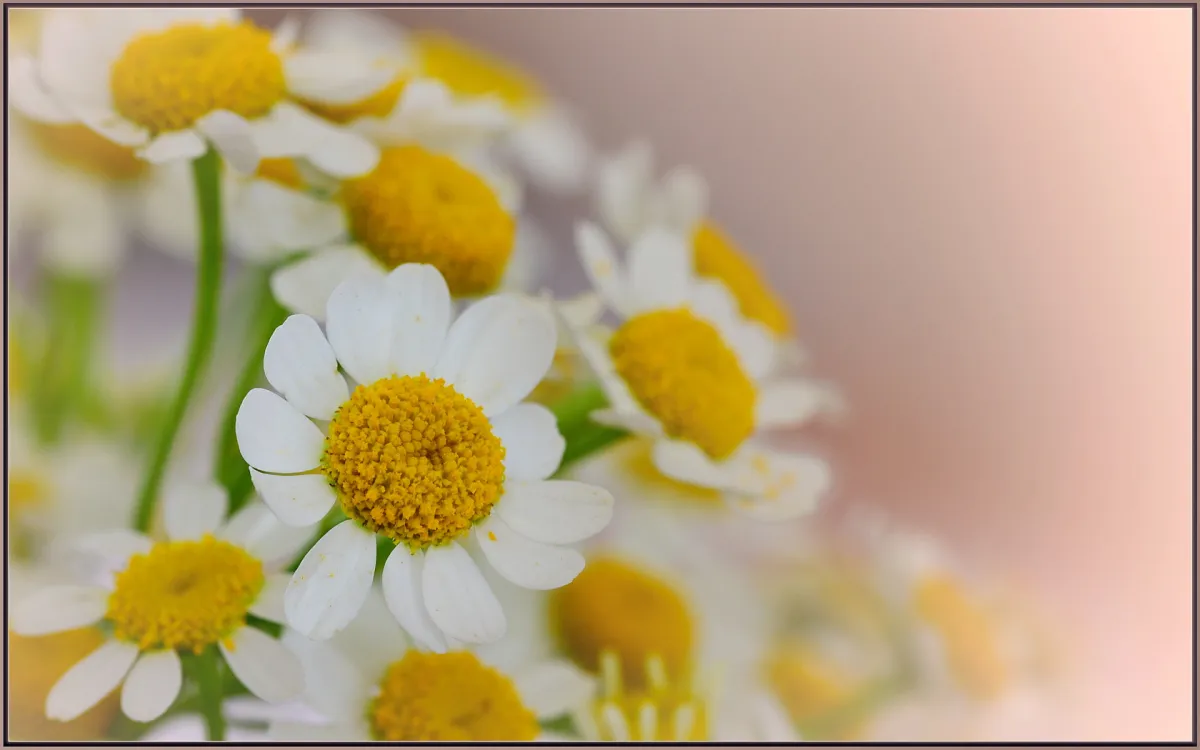
- Chamomile (Matricaria recutita) has a traditional use recognized by the European Medicines Agency (EMA) in sitz baths for irritation of the skin and mucous membranes in the anogenital area. Its soothing, anti-inflammatory effect is backed by lab data and long experience, not by large trials in anal itching specifically. More on the plant in our chamomile guide.
- Oak bark (Quercus cortex) is rich in astringent tannins that tighten the skin and reduce moisture. The EMA lists it, as a traditional use, for relief of itching and burning associated with hemorrhoids once serious disease has been ruled out.
- Witch hazel (Hamamelis virginiana) has a similar traditional indication in pharmacy ointments and suppositories.
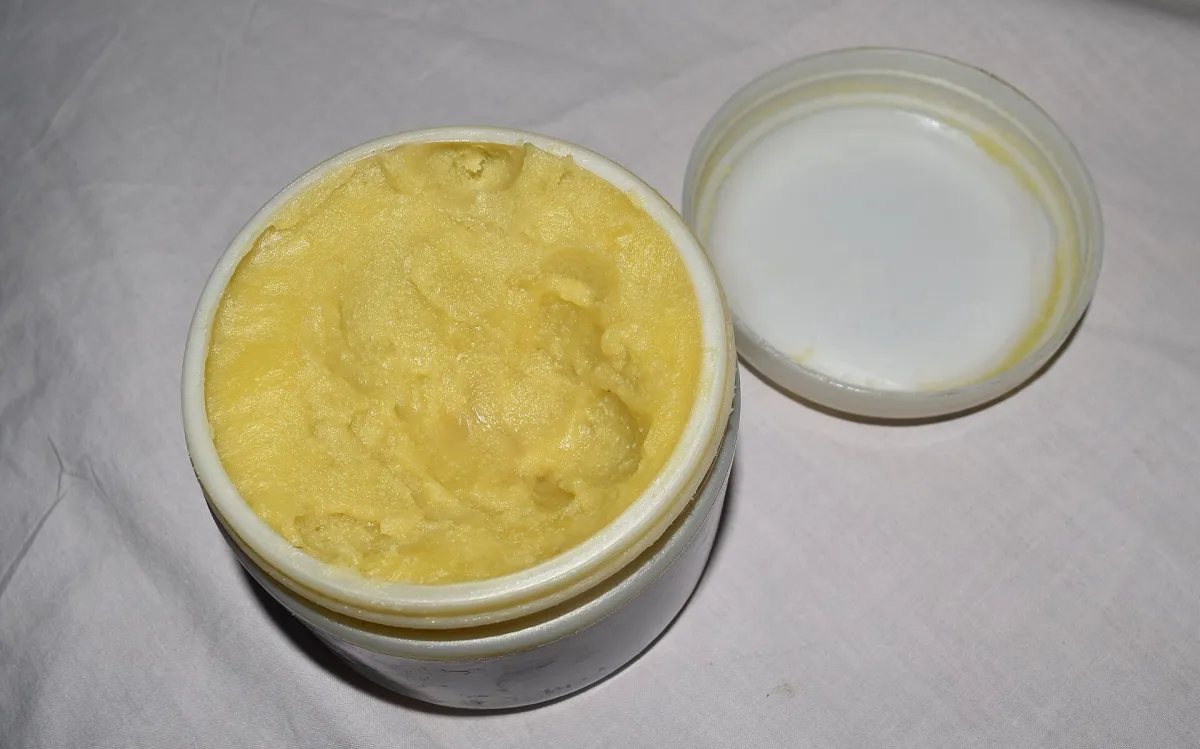
- Zinc oxide is not a herb, but it is the most useful simple product: it forms a physical barrier between skin, moisture and irritants.
How to use the remedies, step by step
Proper cleaning after a bowel movement
- Rinse with lukewarm water (shower, bidet or a peri bottle). No soap, or at most once a day a fragrance-free, slightly acidic wash.
- Pat, do not rub, with a soft cotton towel or plain white unscented toilet paper slightly dampened with water.
- Dry thoroughly: a hair dryer on the cool setting, held 20-30 cm away, works well.
- Apply a thin layer of zinc oxide paste or plain petroleum jelly.
Chamomile sitz bath
- Steep 3-4 tablespoons (about 10-15 g) of dried chamomile flowers in 1 liter of boiling water, covered, for 10 minutes.
- Strain and pour the infusion into a basin or sitz bath with 2-3 liters of water at 35-37°C (lukewarm, not hot).
- Sit for 10-15 minutes, then pat dry and apply your barrier cream.
- Repeat once or twice a day, ideally in the evening and after a bowel movement.
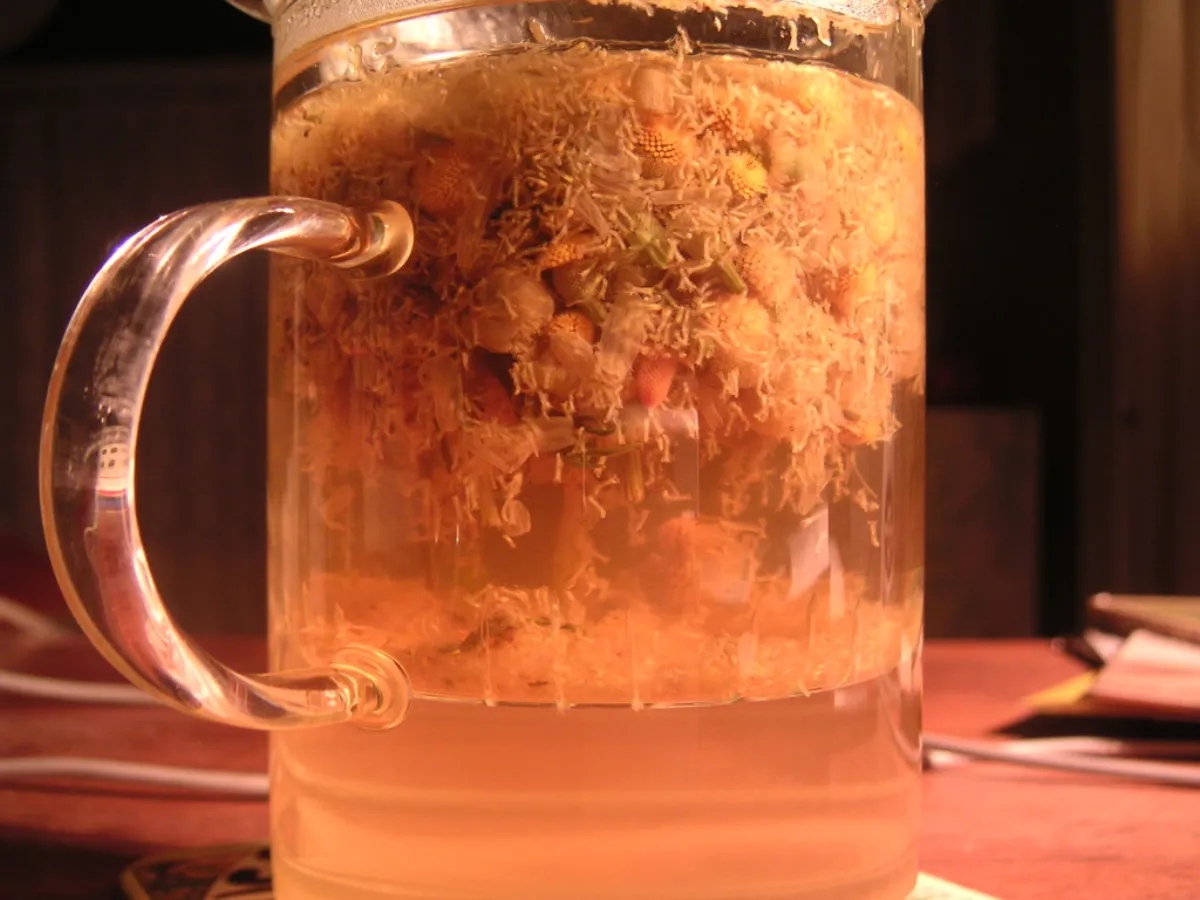 Photo: Greg, CC BY-SA 2.0, via Wikimedia Commons
Oak bark decoction
- Simmer 2 tablespoons (about 20 g) of chopped oak bark in 1 liter of water over low heat for 15 minutes.
- Let it cool to lukewarm, strain, and add to the sitz bath (2-3 liters of water) or use it as a gauze compress for 10 minutes.
- Do not use it for more than 1-2 weeks in a row: tannins dry the skin if overused.
At bedtime
A small, loose piece of cotton wool or a strip of gauze placed between the buttocks absorbs moisture overnight. Keep nails short and, if you scratch in your sleep, wear thin cotton gloves. Cotton underwear changed daily and loose clothing reduce heat and sweating.
Dosage and suggested schedule
| Remedy | Preparation | Frequency | Duration |
|---|---|---|---|
| Lukewarm water rinse | No soap, pat and dry | After every bowel movement | Ongoing |
| Chamomile sitz bath | 10-15 g flowers in 1 l water, diluted in 2-3 l at 35-37°C | 1-2 a day, 10-15 min | 1-3 weeks |
| Oak bark sitz bath | 20 g decoction in 1 l, simmered 15 min | Once a day, 10-15 min | Maximum 1-2 weeks |
| Zinc oxide paste | Thin layer on dry skin | After cleaning and at night | As needed |
| Psyllium husk | 1 teaspoon in 250 ml water | 1-2 a day | Long term |
| Hydrocortisone 1% (pharmacy) | Very thin layer | 1-2 a day | Maximum 7-14 days |
Fiber matters more than people expect: a well-formed stool passes cleanly and leaves less residue. Increase psyllium gradually with plenty of water to avoid bloating.
Diet: the 2-week elimination test
- Cut out coffee (decaf included), black tea, cola, chocolate, alcohol, citrus, tomatoes and spicy food at the same time.
- If itching clearly improves, bring back one food every 2-3 days and note any reaction.
- Keep avoiding only what truly bothers you; do not drop whole food groups for good without reason.
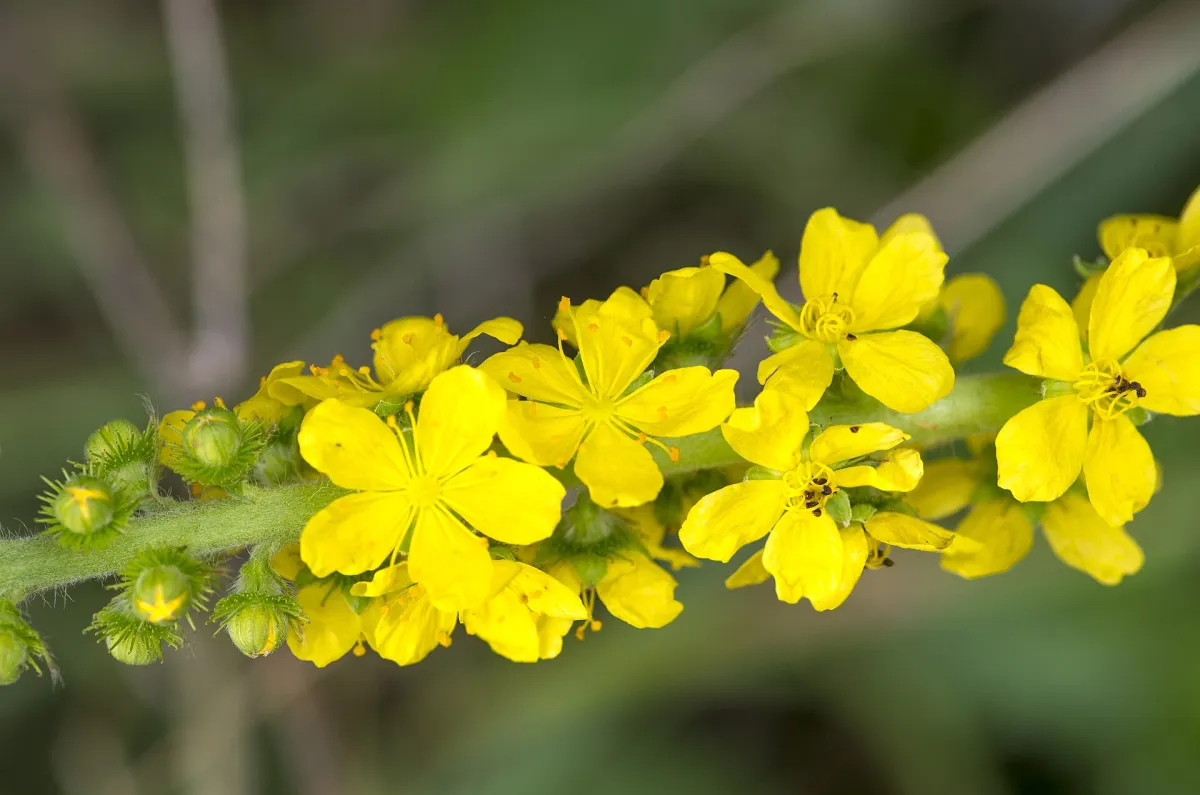
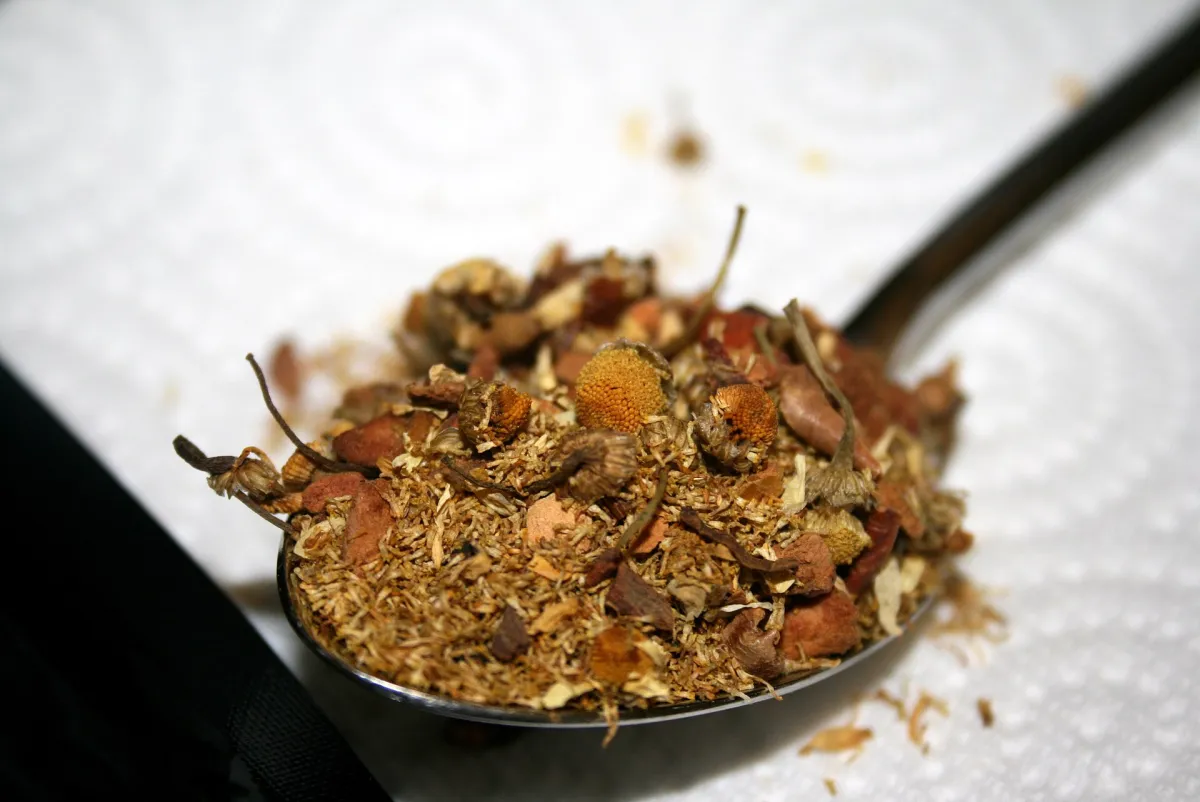 Photo: Ehedaya (talk)Ehedaya, Public domain, via Wikimedia Commons
Contraindications and precautions
- Allergy to the daisy family (Asteraceae) such as ragweed, arnica, chrysanthemum or marigold: chamomile can cause contact dermatitis. Patch test on a small area first.
- Oak bark: do not use on large wounds or widespread eczema. Full-body baths (not sitz baths) are contraindicated in severe heart failure, uncontrolled high blood pressure, high fever and extensive infections.
- Tea tree oil, vinegar, garlic, alcohol: never apply to the anal area; they burn and sensitize the skin.
- Creams with local anesthetics (benzocaine, lidocaine), neomycin or fragrance can themselves cause contact allergy.
- Hydrocortisone used for months thins the skin and can worsen the itch.
- Pregnancy: lukewarm chamomile sitz baths are generally well tolerated, but discuss any medicated cream with your doctor.
- Children: night-time anal itching should first be checked for pinworms; do not apply random home remedies.
- Diabetes: yeast infections are more common and harder to control, so see a doctor sooner.
When to see a doctor
Book an appointment with your GP, a dermatologist or a colorectal specialist if you have:
- blood on the paper, in the stool or in the toilet bowl;
- a swelling, lump, sore that will not heal, or warts;
- severe pain, pus, discharge or fever;
- a change in bowel habits (new diarrhea or constipation) or unexplained weight loss;
- new symptoms after age 50, or close relatives with colorectal cancer;
- white, shiny patches or skin that looks thinned or thickened;
- itching that has not improved after 3-4 weeks of correct care;
- night-time itching in a child or in several family members.
The doctor may examine the area, perform an anoscopy, do a sticky tape test for pinworms, take a sample for fungi or, if needed, a biopsy. Rarely, persistent itching is the first sign of precancerous changes or anal cancer, which is why embarrassment should never delay a check.
Common mistakes
Washing with soap several times a day. It wrecks the skin barrier and increases itching.
Scented wet wipes. They are among the most frequent causes of contact dermatitis in this area.
Rubbing with dry paper. Micro-tears keep the itch-scratch cycle going.
Using steroid creams for months. They help short term but thin the skin.
Treating only the child for pinworms. Without treating the household and tightening hygiene, reinfection is the rule.
Ignoring bleeding because it is surely just hemorrhoids. That diagnosis needs an examination, not a guess.
Synthetic underwear and tight trousers. They trap heat and moisture.
Conclusion
Anal itching is embarrassing but usually harmless and treatable. The combination that works: rinse with water without rubbing, dry the skin well, protect it with zinc, use soothing sitz baths, eat enough fiber and remove food triggers. If things are not better after a few weeks, or if bleeding, lumps or pain appear, seeing a doctor is the right next step.
Frequently asked questions
Why is anal itching worse at night? At night the skin is warmer, there are no distractions and scratching during sleep is uncontrolled. Itching that occurs only at night, especially in children or several family members, suggests pinworms and is worth a sticky tape test.
What is the best cream for anal itching? For most people, a simple zinc oxide paste or fragrance-free petroleum jelly. Hydrocortisone 1% can be used for a few days during a flare, but not longer than 1-2 weeks without medical advice. Antifungal or anti-parasite treatments should only be used once the cause is confirmed.
Does drinking chamomile tea help? Drinking it may settle digestion, but for the skin what matters is local use, as a sitz bath or compress.
Can I add vinegar or baking soda to the bath water? Vinegar stings already inflamed skin and is not recommended. Baking soda is a traditional option, but plain water or chamomile infusion is the safer choice.
Can anal itching be a sign of cancer? Very rarely. Still, persistent itching with bleeding, a lump, a non-healing sore or skin changes should be examined, especially after 50.
Is anal itching contagious? The itch itself is not, but some causes are: pinworms, certain fungal infections, warts and anogenital herpes can spread.
How long does it take to improve? With the right care, many people notice a difference within 1-2 weeks, and the skin fully recovers over several weeks. If there is no progress after 3-4 weeks, the cause needs to be investigated by a doctor.
Sources and further reading
- European Medicines Agency (HMPC), Community herbal monograph on Matricaria recutita L., flos.
- European Medicines Agency (HMPC), Community herbal monograph on Quercus robur L., Quercus petraea, Quercus pubescens, cortex.
- European Medicines Agency (HMPC), Community herbal monograph on Hamamelis virginiana L.
- NHS, Itchy bottom, patient information.
- American Society of Colon and Rectal Surgeons, Pruritus Ani, patient education materials.
- CDC, Pinworm Infection (Enterobiasis).
Informational content only; it does not replace a consultation with a doctor or pharmacist. Bleeding, lumps or persistent itching in the anal area require medical assessment.