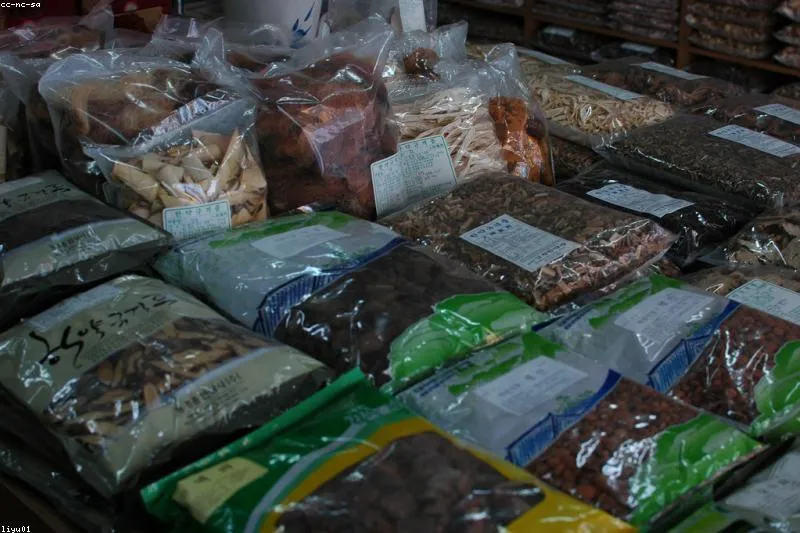

Natural remedies for andropause (male climacteric)
Andropause, also called male menopause or late-onset hypogonadism, is the period in a man’s life when androgen hormone levels, especially testosterone, begin to decline progressively. Unlike female menopause, which has a relatively abrupt onset, andropause settles in slowly, sometimes over 10 to 15 years, and its symptoms can be so subtle that many men simply attribute them to age or accumulated tiredness.
Our grandfathers did not talk about andropause. In Romanian folk culture, the 55 year old man who woke up tired, lacking energy for work and with low morale was called “weary of life”, and was advised to drink thyme tea, take a walk in the mountains, eat honey with pollen and, occasionally, have a glass of red wine with meals. Surprisingly, many of these pieces of advice have a real scientific basis, because lifestyle, nutrition and inner peace directly influence testosterone production.
It helps to understand from the start that natural remedies are useful for mild and moderate forms, for general vitality support and for prevention. If you have very low testosterone confirmed by blood tests, severe symptoms (marked erectile dysfunction, depression, osteoporosis), you must see an endocrinologist or urologist, who may recommend hormone replacement therapy when appropriate.
Contents
- What andropause is and how it manifests
- Differences from female menopause
- Causes of falling testosterone
- Remedy 1: Tribulus terrestris
- Remedy 2: Peruvian maca
- Remedy 3: Siberian and Korean ginseng
- Remedy 4: Nettle (root)
- Remedy 5: Ashwagandha
- Nutrition that supports testosterone
- Movement and its role
- Sleep, stress and hormones
- Practical tips
- Conclusion
- Frequently asked questions
What andropause is and how it manifests
After age 30, testosterone levels decline on average by 1 to 2% per year. In most men, this decline is smooth and causes no problems. In some, especially after 45 to 55, the decline becomes symptomatic. The most common signs are:
- persistent fatigue, even after enough sleep;
- decreased libido (sexual desire);
- erectile difficulties or weaker morning erections;
- decreased muscle mass and increased body fat, especially abdominal;
- sweating, hot flashes, irritability;
- sleep disturbances, insomnia;
- depressed mood, lack of motivation, loss of confidence;
- difficulty concentrating, “brain fog”;
- decreased bone density in the long run.
Not all men go through all these symptoms. Some feel mainly the emotional side (depression, irritability), others the sexual side, others the physical side (fatigue, loss of muscle strength). A blood test that measures total testosterone, free testosterone, SHBG, LH, FSH and estradiol gives a clear picture.
Differences from female menopause
Female menopause is a clearly defined phenomenon: the ovaries stop producing estrogen, menstruation ends and the process is relatively rapid. Andropause is different:
- it is progressive, not sudden;
- it does not affect all men to the same degree;
- reproductive capacity does not completely disappear, men can have children well into old age;
- it is strongly influenced by lifestyle (obesity, sedentarism, chronic stress accelerate testosterone decline).
This last observation is very important, because it means that, unlike menopause, andropause can be slowed and improved through lifestyle changes.
Causes of falling testosterone
Besides aging, there are numerous factors that hasten or worsen testosterone deficit:
- obesity, especially abdominal (fat tissue converts testosterone into estrogen via the aromatase enzyme);
- type 2 diabetes and metabolic syndrome;
- chronic stress (high cortisol suppresses testosterone);
- lack of sleep (testosterone is produced mainly during deep sleep);
- sedentarism;
- excessive alcohol consumption, especially beer (contains phytoestrogens);
- certain medications: opioids, corticosteroids, statins, some antidepressants;
- exposure to endocrine disruptors: BPA plastic, pesticides, some cosmetics;
- chronic diseases: hypothyroidism, liver disease, kidney disease.
Understanding these causes is the first step toward treatment, because removing them can dramatically improve symptoms.
Remedy 1: Tribulus terrestris
Tribulus is a plant used for centuries in traditional Indian (Ayurveda) and Chinese medicine to support male vitality. It also grows wild in Romania, where it is known as “baba’s claws” or “dracila”. The fruits and aerial parts contain steroidal saponins, especially protodioscin, which stimulates the body’s natural production of luteinizing hormone (LH), which in turn stimulates the testicles to produce more testosterone.
Studies show better results in men with low testosterone than in those with normal values. Tribulus does not introduce external hormones, it only supports the body’s own production.
- How to use: standardized extract with 40 to 60% saponins, 500 to 1500 mg per day, in cycles of 6 to 8 weeks, followed by 2 to 4 weeks of rest.
- Tea: 1 teaspoon of dried herb in 250 ml boiling water, infused for 10 minutes, 2 cups a day.
- Observed benefits: increased libido, energy, better mood, physical performance.
Caution: not recommended for people with prostate cancer, severe benign prostatic hyperplasia or uncontrolled heart conditions.
Remedy 2: Peruvian maca (Lepidium meyenii)
Maca is a root that grows in the Peruvian Andes at altitudes over 4000 meters. The Incas used it for physical strength, fertility and sexual energy. Unlike tribulus, maca does not directly raise testosterone, but has a strong effect on libido, energy and mood, acting as a hormonal adaptogen. It contains amino acids, zinc, iron, calcium, B vitamins and unique compounds called macamides.
Modern clinical studies confirm its effects on sexual desire and on mild erectile dysfunction, without significantly changing blood hormone levels. The effect seems to be neuroendocrine (on the hypothalamus) rather than directly hormonal.
- How to use: maca powder, 1 to 3 teaspoons per day, added to smoothies, yogurt or mixed with honey.
- Capsules: 1500 to 3000 mg per day.
- Duration: cycles of 8 to 12 weeks.
Red maca is associated more with prostate health, black maca with fertility and memory, and yellow maca with general energy.
Remedy 3: Siberian and Korean ginseng
Korean ginseng (Panax ginseng) and Siberian ginseng (Eleutherococcus senticosus) are classic adaptogens, plants that help the body cope with chronic stress, a major factor in testosterone decline. The ginsenosides in Korean ginseng root stimulate circulation, support erectile function by increasing nitric oxide synthesis and reduce fatigue.
- Ginseng tincture: 20 to 30 drops, twice a day, in the morning and at noon.
- Capsules: 200 to 400 mg standardized extract per day.
- Tea: 1 teaspoon of root in 250 ml water, boiled for 5 to 10 minutes.
Do not take in the evening, it can cause insomnia. A break after 8 weeks of treatment is recommended.
Remedy 4: Nettle root (Urtica dioica)
Nettle root (not the leaves, which are used for other purposes) is very useful in andropause because it partially blocks testosterone binding to SHBG (sex hormone binding globulin). The result: more free, biologically active testosterone. It also inhibits the aromatase enzyme, which converts testosterone into estrogen, and has beneficial effects on the prostate, which at this age begins to enlarge.
- Root tea: 1 teaspoon in 300 ml water, boiled for 5 minutes, infused another 10 minutes, 2 cups a day.
- Extract: 300 to 500 mg per day.
- Food: soup or young nettle dishes in spring, an old Romanian habit with detoxifying effect.
Remedy 5: Ashwagandha (Withania somnifera)
Ashwagandha is “Indian ginseng”, an adaptogen that lowers cortisol (the stress hormone) by 20 to 30% in clinical studies. When cortisol drops, testosterone rises, because the two hormones are in a competitive relationship. In addition, ashwagandha improves sleep, and deep sleep is when testosterone is produced at its peak.
- Capsules with KSM-66 or Sensoril extract: 300 to 600 mg per day.
- Powder: 1 teaspoon in warm milk with honey, in the evening (Ayurvedic recipe).
- Course: minimum 8 weeks for visible effects.
Nutrition that supports testosterone
Daily food has a huge impact on hormones. A few simple rules:
Eat more:
- whole eggs (the yolk contains cholesterol, the raw material for testosterone);
- grass fed beef, liver, organ meats;
- fatty fish (salmon, sardines, mackerel) for Omega 3;
- nuts, pumpkin seeds, flax seeds, avocado (good fats and zinc);
- broccoli, cabbage, cauliflower (contain indole 3 carbinol, which lowers estrogen);
- honey with bee pollen, an old folk remedy for vitality;
- pomegranates (raise testosterone by up to 24% after several weeks, according to a British study).
Reduce or eliminate:
- sugar and white flour (high insulin lowers testosterone);
- excessive alcohol, especially beer;
- refined vegetable oils (sunflower, corn, soybean);
- processed soy (soy milk, industrial tofu) because of phytoestrogens;
- ultra processed foods and fast food.
Essential minerals: zinc (oysters, red meat, pumpkin seeds), magnesium (spinach, cocoa, almonds), vitamin D (sun, eggs, cod liver), selenium (Brazil nuts, 2 to 3 per day).
Movement and its role
Nothing raises testosterone better than resistance training. Lifting weights, push ups, squats, pull ups, compound exercises that involve large muscle groups (legs, back, chest) stimulate testosterone production both acutely (in the hours after training) and long term.
Realistic recommendations:
- 3 strength training sessions per week, 45 to 60 minutes each;
- brisk walking 30 to 40 minutes daily;
- avoiding excessive cardio (over 60 minutes daily), which can lower testosterone;
- gardening, wood chopping, practical activities, which for previous generations were natural “training”.
Sleep, stress and hormones
Men who sleep under 5 hours per night have testosterone levels 10 to 15% lower than those who sleep 7 to 8 hours. Deep sleep, in the first part of the night, is when most testosterone is produced. Simple rules for good sleep:
- bedtime at the same hour, ideally before 11 pm;
- no screens 1 hour before sleep;
- cool room (18 to 19°C), dark and quiet;
- no coffee after 2 pm;
- a cup of warm milk with honey and a teaspoon of ashwagandha.
Chronic stress is enemy number one of testosterone. Walks in nature, prayer, meditation, fishing, hunting, hikes, time with family and friends, all have real hormonal effects.
Practical tips
- Get hormone tests once a year after age 40.
- Lose belly fat, even 5 to 7 kg less can make a difference.
- Get sun exposure at least 20 minutes a day, on skin (vitamin D).
- Drink 2 liters of water a day, dehydration raises cortisol.
- Take a break from alcohol of at least 2 to 3 weeks each quarter.
- Quit smoking (lowers testosterone and affects circulation).
- Stay in touch with friends and family, isolation increases depression and lowers hormones.
- Use glass containers instead of plastic for hot food.
- Do not keep your phone in your front pants pocket.
Conclusion
Andropause is not a disease, but a natural stage of male life. With good nutrition, regular movement, quality sleep, stress management and plants such as tribulus, maca, ginseng, nettle and ashwagandha, most symptoms can be considerably eased. The secret of our grandfathers, who at 70 were still active and cheerful, was not a miracle drug, but a simple, clean lifestyle, with plenty of movement, real food and healthy human relationships.
Frequently asked questions
1. At what age does andropause begin? Usually between 45 and 55, but testosterone decline starts at 30 with about 1% per year. Some men feel the first symptoms only at 60, others at 40.
2. Can I take tribulus and ashwagandha together? Yes, the combination is compatible and often used. Tribulus in the morning, ashwagandha in the evening. Start with small doses and watch how you respond.
3. Is it dangerous to raise testosterone naturally? Natural methods (herbs, nutrition, exercise, sleep) do not exceed physiological levels. They are safe for most men. Synthetic testosterone replacement therapy has risks and must be done only under medical supervision.
4. How long until I see results? First improvements (energy, sleep, mood) appear in 2 to 3 weeks. Libido and physical strength return in 2 to 3 months. Muscle mass and body composition, in 6 months.
5. Does andropause affect fertility? Yes, but not absolutely. Sperm quality declines with age, but men can have children at 60 to 70. If you are trying to conceive, see a fertility doctor.
6. I heard soy lowers testosterone. Is it true? In moderate amounts (soy sauce, occasional edamame), the effect is minimal. Daily consumption of processed soy products (soy milk, tofu, soy protein) can slightly influence hormones.
7. Is cardio good or bad? Moderate movement (brisk walking, cycling, swimming) is excellent. Excessive cardio (daily endurance running over 60 minutes) can lower testosterone. Balance is key.
Medical note: The information in this article is for informational purposes and does not replace medical consultation. If you have severe andropause symptoms (depression, marked erectile dysfunction, significant loss of muscle mass, extreme fatigue), see an endocrinologist or urologist. Hormone tests and, possibly, testosterone replacement therapy may be necessary and should only be done under specialized medical supervision.