 Photo: Lamiot, CC BY-SA 4.0, via Wikimedia Commons
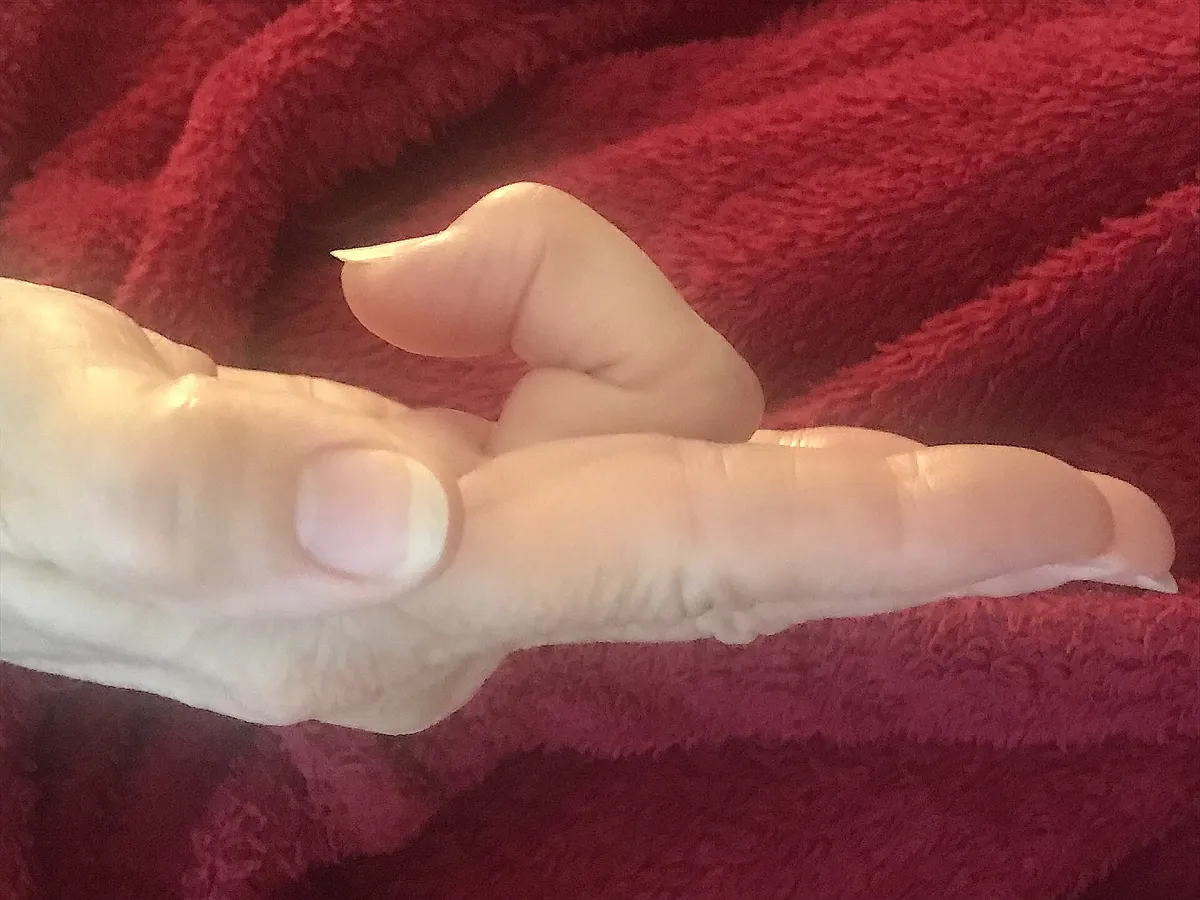
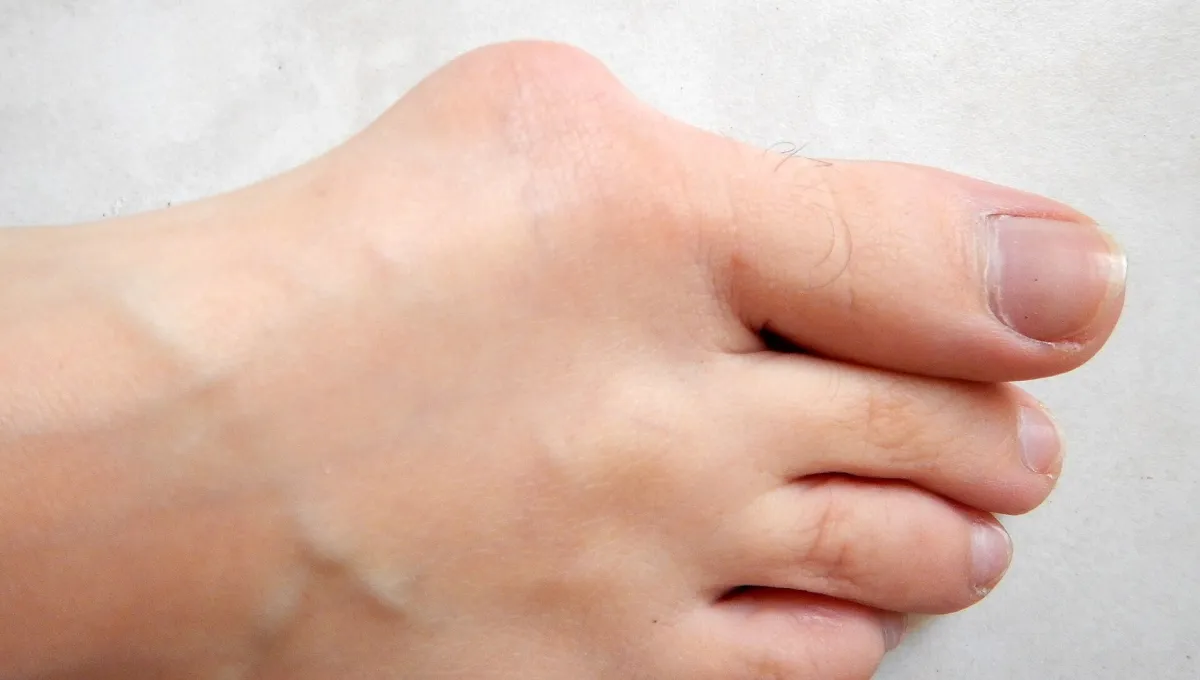
A bunion (hallux valgus) is a deformity in which the big toe angles towards the other toes, pushing the head of the first metatarsal bone outwards and forming a painful bump. Natural remedies cannot straighten the bone, but wide shoes, foot-strengthening exercises, toe spacers, warm soaks and compresses can reduce pain considerably and may slow progression. When the deformity is severe and pain stops you walking comfortably, the solution is surgical.
It is important to start with the right expectations: no cream, oil or “magic corrector” will make a bunion disappear. What you can achieve, and it is a lot, is a foot that no longer hurts, shoes you can walk in without misery, and slower progression.
Key takeaways
- Bunions have a strong hereditary component; narrow shoes and high heels make them worse.
- They are up to 2-3 times more common in women.
- Shoes with a wide toe box and a low heel are the most effective conservative measure.
- Exercises for the small foot muscles, silicone spacers and protective pads reduce pain.
- Warm soaks, ice on the inflamed area and massage ease symptoms but do not correct the deformity.
- Surgery is for persistent pain, not for cosmetic reasons.
What a bunion is
The first metatarsal (the long bone behind the big toe) drifts towards the inside of the foot, while the big toe drifts outwards, crowding the others. At the angle a bony bump forms, often covered by an inflamed fluid sac (bursitis) that turns red and hurts in shoes. Over time, a hammer second toe, calluses, pain under the ball of the foot and arthritis at the base of the big toe can develop.
Severity grades
| Grade | Approximate angle | What it means in practice |
|---|---|---|
| Mild | under 20° | small bump, occasional pain |
| Moderate | 20-40° | big toe touching the second toe, pain in shoes |
| Severe | over 40° | big toe crossing over or under the second toe, frequent pain |
The exact angle is measured on a weight-bearing X-ray (taken standing).
Causes and risk factors
- Heredity: foot shape, ligament laxity, flat feet. Many patients have a mother or grandmother with bunions.
- Footwear: pointed toes and high heels push the big toe outwards and increase pressure on the forefoot. They are not the only cause, but they speed things up.
- Flat feet and excessive pronation.
- Inflammatory joint disease: rheumatoid arthritis, gout.
- Hypermobile ligaments.
- Age: frequency rises after 40-50.
- Jobs involving long hours on your feet, and dance (ballet).
Watch out for look-alikes: a big toe joint that suddenly becomes red, swollen and excruciating overnight may be a gout attack, not a bunion. Pain and stiffness at the base of the big toe without drifting (hallux rigidus) is a form of osteoarthritis.
What really helps
1. The right footwear
This is the cornerstone of conservative treatment. A good shoe for bunions has:
- a wide, deep toe box where the toes can move;
- a heel no higher than 3-4 cm;
- soft material (leather, stretchy fabric) over the bump;
- a firm sole with some cushioning;
- laces or straps that stop the foot sliding forward.
Buy shoes in the afternoon, when feet are slightly more swollen, and try them with the socks you usually wear. A cobbler can stretch leather locally over the bunion.
2. Foot exercises
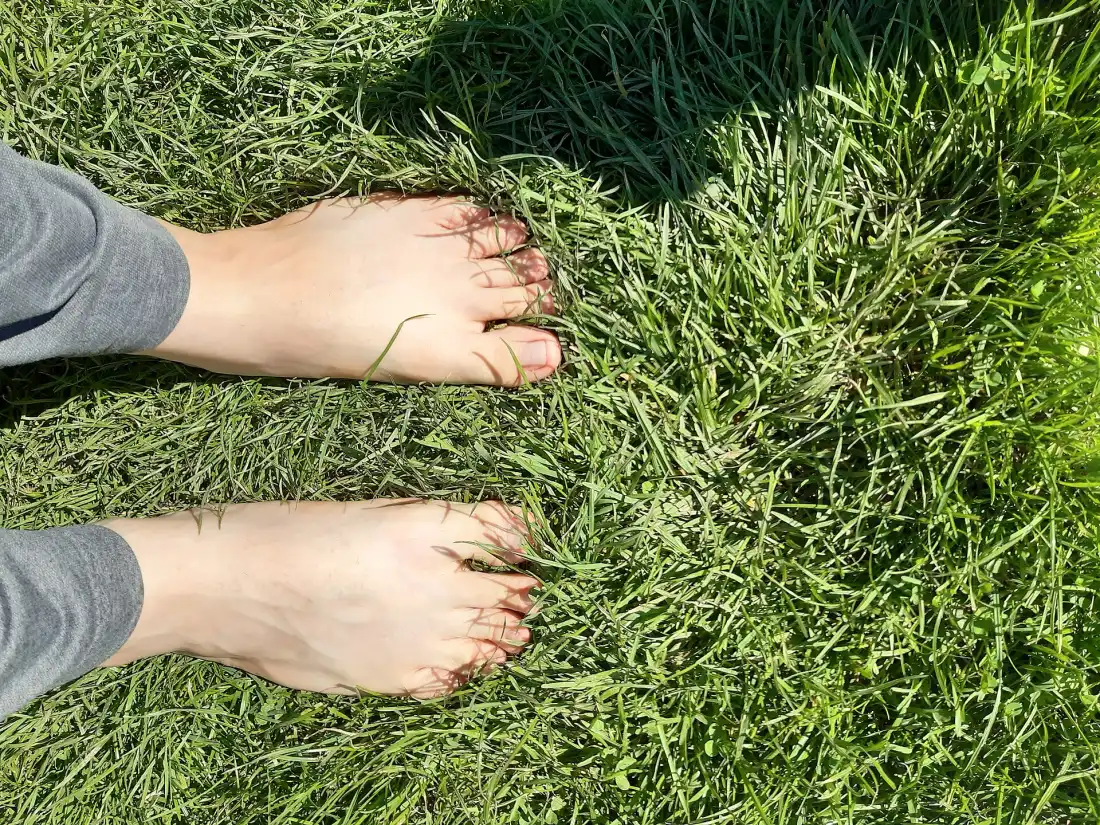 Photo: AdamWathamo, CC BY-SA 4.0, via Wikimedia Commons
Small studies suggest that strengthening the intrinsic foot muscles (especially abductor hallucis) may reduce pain and slightly improve alignment in mild cases. Do them daily, 10-15 minutes:
- Big toe abduction: try to move the big toe away from the others without moving the rest of the foot. 10 reps, hold 5 seconds. At first it may not move at all; that is normal, the brain learns gradually.
- “Short foot”: with the sole on the floor, lift the arch by drawing the base of the big toe towards the heel without curling the toes. 10 reps, 5-10 seconds.
- Toe spreading: spread all toes as wide as you can, 10 reps.
- Towel scrunches: scrunch a towel laid on the floor with your toes. 2 minutes.
- Marble pick-ups: lift marbles or pencils with your toes into a bowl. 20 objects.
- Roll the sole over a ball (tennis ball or a frozen bottle), 2 minutes, for massage and relaxation.
- Passive stretch: gently pull the big toe into a straight position, hold 20 seconds, 3 times.
Walking barefoot on natural surfaces (grass, sand), where safe, activates the foot muscles.
3. Spacers, pads and splints
- A silicone toe spacer between the big and second toes reduces friction and pain; it does not correct the bone.
- Gel bunion pads protect the bursa from shoe pressure.
- Night splints (bunion correctors) may ease discomfort, but studies do not show lasting angle correction in adults.
- Orthotic insoles are useful especially with flat feet or pain under the ball of the foot.
Natural remedies for pain and inflammation
Salt foot soak
2 litres of water at 37-38°C, 2-3 tablespoons of coarse salt or Epsom salt, 15 minutes in the evening. It relaxes the muscles and reduces stiffness. Do not use hot water if you have diabetes or reduced feeling in your feet.
Ice on an inflamed bursa
When the bump is red and swollen after a long day: ice wrapped in a towel, 10-15 minutes, 2-3 times a day. Never put ice directly on the skin.
Clay compress
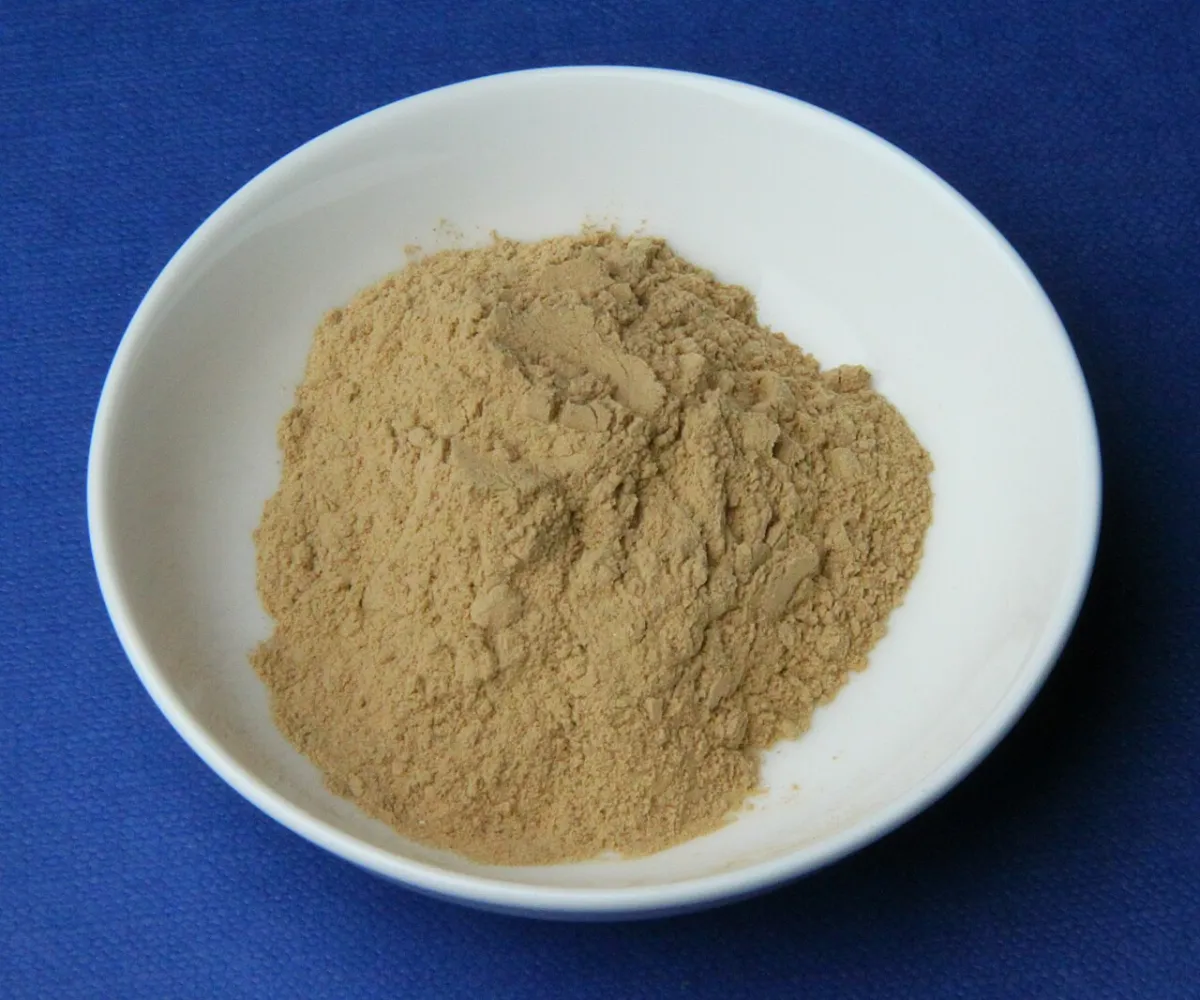
2-3 tablespoons of green clay mixed with cold water into a paste, applied 1 cm thick over the painful area, covered with gauze, for 30-40 minutes. Clay cools and soothes; the effect is on symptoms only.
Arnica gel
Arnica gels have traditional use recognised by the EMA for bruises and local muscle and joint pain. Apply 2-3 times a day, on unbroken skin only.
Ibuprofen or diclofenac gel
Not natural, but topical anti-inflammatories have the best evidence for local joint pain, with fewer side effects than tablets.
What works and what does not
| Method | Reduces pain | Corrects the deformity |
|---|---|---|
| Wide, low-heeled shoes | yes, significantly | no, but slows progression |
| Foot exercises | yes, moderately | possibly slightly, in early stages |
| Silicone spacer | yes | no |
| Night splint | sometimes | not lastingly in adults |
| Soaks, ice, clay, arnica | yes, temporarily | no |
| “Anti-bunion” creams | no more than any moisturiser | no |
| Surgery | yes, in most cases | yes |
When surgery is needed
Surgery is considered when:
- pain persists for several months despite proper footwear and conservative measures;
- you can no longer find shoes you can walk in;
- the second toe starts to deform or ulcers appear;
- daily activities are limited.
There are dozens of techniques, chosen according to severity. Recovery generally takes 6-12 weeks before normal shoes can be worn again. Surgery for purely cosmetic reasons is not recommended, since there is a risk of pain or stiffness afterwards.
When to see a doctor
- sudden redness, warmth and swelling at the base of the big toe with severe pain (possible gout or infection);
- sores or ulcers on the bunion, especially if you have diabetes;
- numbness or tingling in the big toe;
- pain that wakes you at night or does not ease with rest.
Common mistakes
- Buying shoes to fit the length of the foot rather than the width of the forefoot.
- Cutting or shaving calluses on the bunion with a blade.
- Believing a night splint will straighten the bone.
- Ignoring flat feet, which keep the problem going.
- Waiting until the deformity is severe before seeing someone, when options are more limited.
Conclusion
Bunions are not treated with creams, but they can be kept under control. Wide, low shoes, daily foot exercises, spacers and pads, plus warm soaks and ice on inflamed days, make life much easier for most people. If pain persists for months and you cannot find suitable shoes, an orthopaedic foot surgeon can explain your options. For pain at the back of the foot, see also our article on heel pain.
Frequently asked questions
Can bunions be cured without surgery? In adults the bony deformity cannot be corrected without surgery. But pain can be reduced a lot and progression slowed with the right shoes, exercises and protection.
Do bunion correctors work? Night splints and spacers reduce discomfort for some people, but studies do not show that they permanently straighten the big toe in adults. They are useful for comfort, not as a cure.
Why are bunions more common in women? A combination of looser ligaments, inherited foot shape and narrow, high-heeled shoes explains why they are 2-3 times more common in women.
Do exercises really help with hallux valgus? Strengthening the small foot muscles can reduce pain and slightly improve alignment in early stages. In severe cases they help comfort but do not change the deformity.
What are the best shoes for bunions? Shoes with a wide, deep toe box, a heel no higher than 3-4 cm, soft material over the bunion and a firm sole. Wide-fit running shoes are often a good choice.
Does kinesiology taping help? Some small studies showed short-term pain reduction. It is worth trying, but the effect on the deformity is negligible.
At what age do bunions appear? They can appear in teenagers, especially with a family history (juvenile hallux valgus), but they most often become troublesome after 40.
Sources
- NHS: information page on bunions (hallux valgus) and treatment options.
- American Academy of Orthopaedic Surgeons (OrthoInfo): “Bunions”.
- Cochrane Database of Systematic Reviews: review of interventions for hallux valgus.
- EMA/HMPC: community herbal monograph on Arnicae flos.
This content is for information only and does not replace medical advice. See an orthopaedic specialist for diagnosis and treatment.