
Natural Remedies for Cellulite
IMPORTANT: Cellulite is not a disease, but a cosmetic change of the subcutaneous tissue that affects about 80-90% of adult women, regardless of weight. There is no miracle remedy that removes it permanently, but with a combination of natural remedies, massage, movement and nutrition, skin appearance can improve significantly. If you notice unusual swelling, pain, nodules under the skin or rapid changes, see a doctor to rule out other conditions (lipedema, thrombophlebitis, lymphatic problems).
Cellulite, that “orange peel” appearance on thighs, buttocks, hips and sometimes abdomen and arms, is the subject of thousands of ads for miracle creams and expensive devices. Reality is a bit more modest: cellulite does not disappear completely, because it is an anatomical feature of female tissue. The collagen fibres connecting skin to deeper layers are arranged in parallel in women (unlike in men, where they cross), and fat pushes between these fibres, creating the typical dimples.
But the good news is that the appearance of the skin can be visibly improved with natural methods. It will not happen overnight, but after one or two months of consistency you will see real differences. My grandmother used to say “beauty is worked on day by day, not bought in a jar”, and for cellulite that is exactly right.
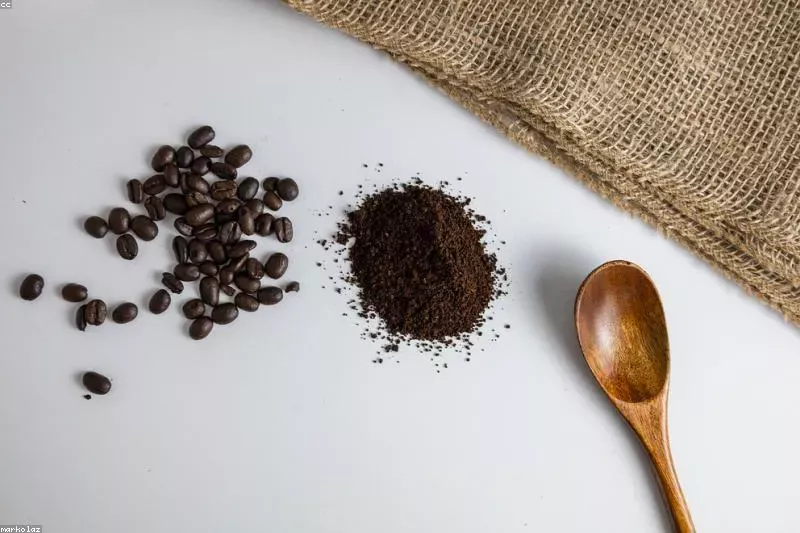
Remedy 1: Coffee ground scrub
This is probably the best-known natural remedy for cellulite, and for good reason. Topically applied caffeine has a proven effect of dehydrating fat cells, stimulating microcirculation and toning. Coffee grounds used as a mechanical exfoliant add the benefit of massage, which already improves skin appearance on its own.
How to prepare
- Ingredients: 1/2 cup coffee grounds (from the morning coffee, still damp), 2 tablespoons melted coconut oil, 1 tablespoon fine sea salt or brown sugar, optionally 5 drops grapefruit or cypress essential oil
- Preparation: Mix all ingredients in a bowl until you get a thick paste that does not drip.
- Application: In the shower, on damp skin, apply the scrub to the affected areas and massage in firm circular motions, from bottom to top (from knees towards hips), for 5-7 minutes per area. Focus on the back of the thighs and buttocks.
- Rinse: Rinse with warm water. Do not use soap right after, let the oil absorb.
- Frequency: 3 times a week.
Watch out for drainpipes, the grounds can clog plumbing if used daily. A practical solution is to apply the scrub before turning the water on, massage on dry skin, then rinse straight into a sponge rather than down the drain.
Remedy 2: Cypress and juniper massage oil
Cypress (Cupressus sempervirens) and juniper (Juniperus communis) essential oils are known in aromatherapy for their decongestant, draining and toning effect on subcutaneous tissue. Combined in a base oil and used for daily massage, they help clear the lymphatic stagnation that contributes to the orange peel look.
In a 100 ml bottle mix: 80 ml sweet almond or grapeseed oil, 10 ml jojoba oil, 15 drops cypress essential oil, 10 drops juniper essential oil, 10 drops grapefruit essential oil, 5 drops rosemary essential oil.
Apply the oil in the evening after showering, on slightly damp skin, massaging with firm upward strokes. Use your fingers, palm or a wooden massage roller for 10-15 minutes. Let it absorb and go to bed. Continue daily for at least 6-8 weeks to see results.
Contraindications: Do not use during pregnancy or with kidney problems (juniper is contraindicated).
Remedy 3: Ivy infusion compresses
Ivy (Hedera helix) is one of the classic plants in the fight against cellulite in European phytotherapy. It contains triterpene saponins, especially hederacosides, which stimulate microcirculation and have a decongestant effect on subcutaneous tissue. Used externally as compresses, it visibly helps reduce the uneven appearance.
Prepare a strong infusion: 3 tablespoons of dried ivy leaves to 500 ml of boiling water, covered and steeped for 30 minutes. Strain well.
Soak pieces of gauze or old towels in the warm infusion and apply to thighs and buttocks. Cover with plastic wrap to keep in the heat, then wrap with a dry towel. Leave for 30-40 minutes. Remove the compresses and apply a moisturising oil. Repeat 3 times a week.
Caution: Ivy is toxic internally, never drink it as tea. Use it only externally and keep the infusion away from children and pets.
Remedy 4: Dry brushing
Dry brushing is an old technique that has become popular thanks to its remarkable effectiveness. It is done with a special brush with natural bristles (usually plant fibres like agave or boar hair) and involves massaging dry skin before showering, with firm upward strokes. It stimulates lymphatic drainage, exfoliates dead skin and improves microcirculation.
The procedure is simple. In the morning, before stepping into the shower, stand on a towel (to catch the flakes of dead skin). Start at your feet and move up the legs with long, straight strokes towards the heart. On thighs and buttocks use circular motions. Move to the abdomen with clockwise movements, then to the arms (from hands towards shoulders). The whole routine takes 5-7 minutes.
Step into the shower, alternating hot water with cold at the end (2-3 cycles of 30 seconds each) to boost the circulation effect. Apply oil or cream on damp skin.
Brush daily for at least 4-6 weeks to see results. The skin becomes firmer and more radiant almost immediately, and the orange peel appearance gradually softens.
Remedy 5: Apple cider vinegar, internally and externally
Raw apple cider vinegar contains organic acids, enzymes and minerals that help both metabolism and skin tone. Internally, it supports digestion and may help reduce water retention (one of the factors amplifying cellulite). Externally, it improves skin tone.
Internal use
Mix 1 teaspoon of raw apple cider vinegar with 200 ml of water and the juice of half a lemon. Drink in the morning on an empty stomach, 30 minutes before breakfast. If you like the taste, you can also have it in the evening before dinner.
External use
Mix equal parts apple cider vinegar and water, plus a few drops of grapefruit essential oil. Massage cellulite areas with this mix after showering, let dry, then apply a moisturising oil. 3-4 times a week.
Contraindications: Do not drink apple cider vinegar if you have a gastric ulcer, severe reflux or gastritis. Do not apply externally on broken skin.
Remedy 6: Seaweed wraps
Seaweed, especially brown algae like fucus or kelp, is rich in iodine, minerals, vitamins and polysaccharides that stimulate local skin metabolism. Applied as a wrap, they help lymphatic drainage and tone the skin.
Buy seaweed powder from a health store (fucus, spirulina or ground kelp). Mix 3-4 tablespoons of powder with warm water until you get a thick paste. You can add 1 tablespoon of green clay for a stronger effect.
Apply the paste to cellulite areas, cover with plastic wrap and leave on for 30-40 minutes, staying covered with a blanket to keep warm. Rinse with warm water. Repeat twice a week.
Contraindications: Do not use if you have thyroid problems (hyperthyroidism), iodine allergies, or are pregnant.
Causes of cellulite
Cellulite has multiple causes, and understanding them helps you approach the problem correctly.
- Genetics: If your mother and grandmother had cellulite, chances are high you will develop it too.
- Female hormones: Oestrogen influences fat distribution and connective tissue structure. Puberty, pregnancy, oral contraception and menopause can worsen cellulite.
- Sedentary lifestyle: Lack of movement reduces microcirculation and lymphatic drainage, amplifying fluid stagnation.
- Diet: Excess salt, refined sugar, processed food and alcohol contribute to water retention and chronic inflammation.
- Dehydration: Paradoxically, the less water you drink, the more fluid your body retains.
- Tight clothes: Very tight underwear that compresses cellulite areas (wide-elastic briefs, skinny jeans) blocks circulation and lymphatic flow.
- Smoking: Destroys collagen and elastin, weakens microcirculation and worsens cellulite.
Prevention and lifestyle
Diet is fundamental. Cut back on salt, sugar and ultra-processed food. Eat daily green vegetables (rich in potassium, which counters the effect of sodium), berries (antioxidants that protect collagen), fatty fish (anti-inflammatory omega-3) and good-quality lean protein.
Hydrate properly. Drink at least 2 litres of water a day, and if you exercise add another 500 ml per hour of effort. Gentle diuretic teas (horsetail, birch, dandelion) help clear excess fluid.
Move every day. Walking 30-45 minutes, swimming, cycling, and resistance exercises for the lower body (squats, lunges, glute bridges) tone the muscles and improve skin appearance. You do not need to become an athlete, consistency matters more than intensity.
Wear comfortable clothes that do not compress the skin. Cotton underwear with soft elastic lets circulation flow normally.
Massage yourself regularly, even without special oils. A few minutes a day, in the shower or while on the phone, with hands or a wooden roller, makes a noticeable difference in a few weeks.
When to see a doctor
Classic cellulite is cosmetic and needs no medical treatment. But see a doctor if:
- You have pain in cellulite areas, not just cosmetic discomfort
- You get persistent swelling (pitting oedema), especially in the legs, possibly lipedema or lymphatic problems
- The skin becomes red and warm, with symptoms developing quickly (possible infectious cellulitis, a completely different condition needing antibiotics)
- You feel hard nodules under the skin
- You have a history of thrombophlebitis or circulation problems
Lipedema in particular is often confused with ordinary cellulite, but it is a serious metabolic condition requiring specific treatment.
Remember: Cellulite is natural and affects almost all women. Skin appearance can visibly improve with the methods described, but expect realistic results: a 30-50% improvement is very good. Do not stress about perfection. Health, movement and wellbeing matter more than a magazine-perfect thigh.