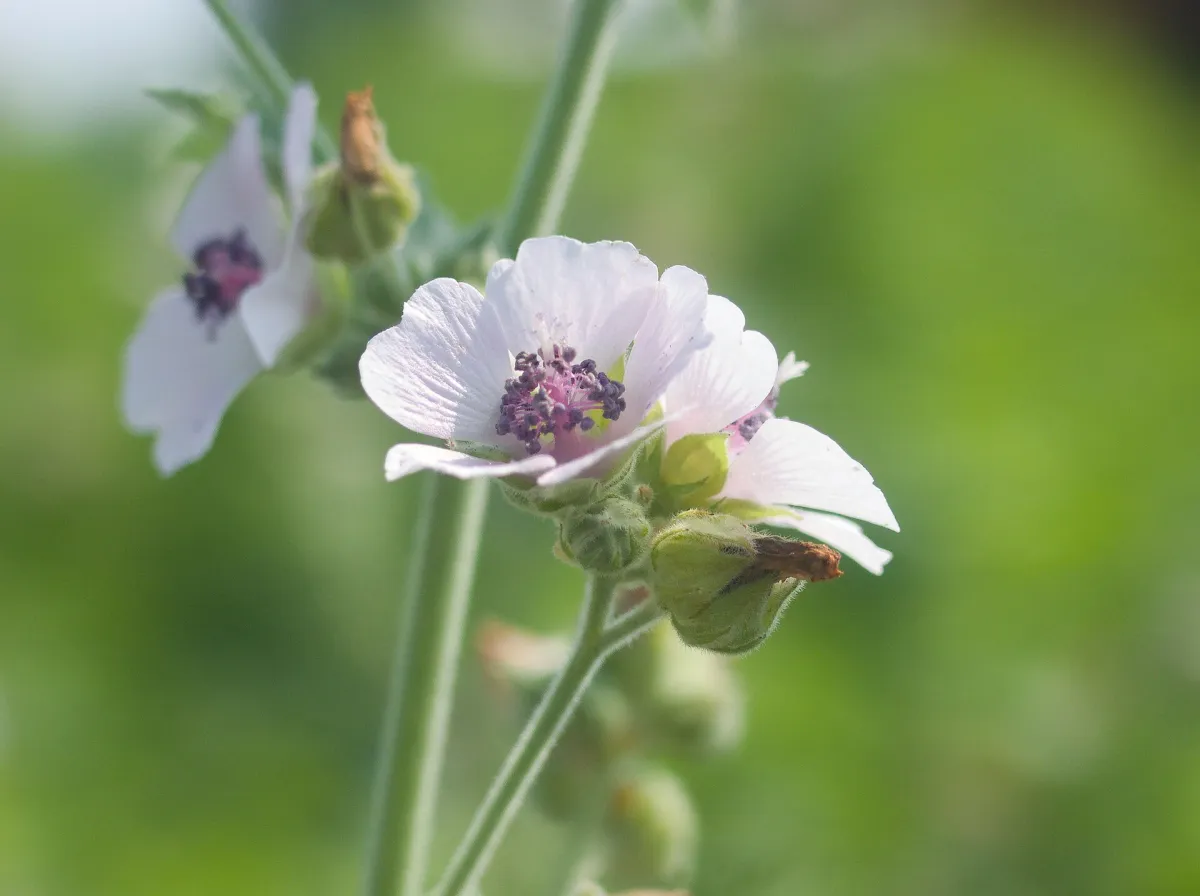
 Photo: Cbaile19, CC0, via Wikimedia Commons
Dry mouth (xerostomia) is a persistent feeling of dryness in the mouth, most often because the salivary glands are producing too little saliva. The usual culprits are medications, dehydration, mouth breathing during sleep and poorly controlled diabetes; less commonly an autoimmune disease such as Sjögren’s syndrome is responsible. What genuinely helps is anything that stimulates or replaces saliva: xylitol gum, cold marshmallow root or mallow rinses, small frequent sips of water and a humidifier in the bedroom.
Key takeaways:
- Medications are the most common cause, especially when several are taken together.
- Waking up with a dry mouth usually points to mouth breathing: a blocked nose, snoring or sleep apnea.
- Dry mouth plus intense thirst, frequent urination and weight loss means you should get your blood sugar tested.
- Dry eyes together with a dry mouth, daily, for more than 3 months raises the question of Sjögren’s syndrome.
- Xylitol, mallow mucilage and humidified air ease symptoms but do not fix the underlying cause.
- Skip alcohol-based mouthwash: it dries and irritates the lining of the mouth even more.
What dry mouth is and why saliva matters
Doctors draw a useful distinction: xerostomia is the subjective sensation of a dry mouth, while hyposalivation is a measurable drop in saliva output. The two usually go together, but some people feel dry even with near-normal flow, for example during anxiety or when saliva has become thick and sticky.
Saliva is far more than water. An adult makes roughly half a litre to a litre and a half a day, and it:
- lubricates the mouth for chewing, swallowing and speaking;
- neutralises the acids bacteria produce after meals;
- carries antimicrobial enzymes and proteins (lysozyme, lactoferrin, immunoglobulins);
- supplies calcium and phosphate that remineralise enamel;
- dissolves food so you can taste it.
That is why long-term dry mouth is more than a nuisance: it raises the risk of tooth decay (especially near the gumline), oral thrush, bad breath and sore spots under dentures.
Typical symptoms
- a sticky feeling, frequent thirst, needing water to swallow bread or crackers;
- a rough, red or cracked tongue, dry lips, cracks at the corners of the mouth;
- thick, stringy or foamy saliva;
- altered or metallic taste, a burning sensation;
- difficulty talking for more than a few minutes, a hoarse voice;
- dentures that no longer stay put or start to rub.
What causes dry mouth
Medications: the number one cause
Hundreds of medicines list dry mouth as a side effect, and the risk climbs with every extra pill taken daily. In older adults on five or six medications, this is almost always the first thing to check.
| Medication class | Common examples | Notes |
|---|---|---|
| Antidepressants | amitriptyline, some SSRIs | Tricyclics are the most drying |
| Antihistamines | diphenhydramine, chlorphenamine | Second-generation ones dry less |
| Overactive bladder drugs | oxybutynin, solifenacin | Strong anticholinergic effect |
| Diuretics and some blood pressure drugs | furosemide, hydrochlorothiazide, clonidine | Fluid loss or central effect |
| Anxiety, sleep and antipsychotic drugs | benzodiazepines, quetiapine | Effects add up with other sedatives |
| Opioid painkillers | tramadol, codeine | Often constipation as well |
| Decongestants and Parkinson’s drugs | pseudoephedrine, trihexyphenidyl | Dry mucous membranes generally |
Never stop or cut down a prescribed drug on your own. Your doctor or pharmacist can look for a less drying alternative, move the dose to the morning or simplify the regimen.
Dehydration
Heat, fever, diarrhoea, vomiting, exercise, heavy coffee or alcohol intake and, in older people, a blunted sense of thirst all lead to a dry mouth. Dark, scanty urine, headache and tiredness usually come with it.
Mouth breathing
If you wake up with a mouth like sandpaper that settles after breakfast, mouth breathing during sleep is the likely reason. It happens with a blocked nose (allergies, polyps, a deviated septum, sinusitis), with snoring and with sleep apnea. A CPAP machine can also dry the mouth if it has no humidifier or the mask leaks.
Diabetes
High blood sugar pulls water out of the body through frequent urination, so thirst and dry mouth are among the earliest signs of undiagnosed or poorly controlled type 2 diabetes. Over time, diabetes also damages the small nerves and blood vessels that supply the salivary glands.
Sjögren’s syndrome and other conditions
Sjögren’s syndrome is an autoimmune disease in which the immune system attacks the salivary and tear glands. It is more common in women over 40 and can occur on its own or alongside rheumatoid arthritis or lupus. Other medical causes include radiotherapy for head and neck cancer, hepatitis C, HIV, Parkinson’s disease and stroke.
Other causes
Smoking (vaping included), alcohol, anxiety (a dry mouth when nervous is a normal reflex), menopause and simply drinking too little. Age itself does not switch saliva off: healthy older adults produce enough, and dry mouth in later life is nearly always down to medications or illness.
Natural remedies that stimulate or replace saliva
An honest starting point: Cochrane reviews on dry mouth have not found any single topical remedy that clearly beats the others, and most trials are small. The options below are safe, cheap and do make the mouth more comfortable, especially when combined.
Xylitol gum and lozenges
Chewing triggers the salivary glands by reflex, and a sweet or tart taste adds an extra push. Xylitol is a sugar alcohol that cavity-causing bacteria cannot ferment, so unlike sugar it does not feed tooth decay.
- chew 1-2 pieces of xylitol gum for 5-10 minutes after meals and in between, 3-5 times a day;
- or use slow-dissolving xylitol lozenges, handy at night (there are also adhesive discs that stick to the gum);
- typical total intake: 5-10 g of xylitol a day; check the pack for the amount per piece (usually 1-2 g).
Above roughly 20-30 g a day, bloating and loose stools become common.
Marshmallow root (Althaea officinalis): cold infusion
Marshmallow root is rich in mucilage, a substance that swells in water and coats mucous membranes with a slippery, soothing film. The European Medicines Agency (EMA) recognises it as a traditional remedy for irritation of the mouth and throat; for dry mouth its use rests on the same coating mechanism rather than on dedicated trials.
Mucilage is extracted cold: hot water also pulls out starch, giving a cloudy, less effective preparation.
- Put 1 teaspoon (2-3 g) of chopped dried root in a mug.
- Add 150 ml of cold, room-temperature water.
- Leave for 1-2 hours (at least 30 minutes), stirring now and then.
- Strain through muslin; the liquid should be slightly thick.
- Take a mouthful, swish it around for 30-60 seconds, then swallow or spit. Repeat 3-4 times a day, including at bedtime.
Keep it in the fridge for no more than 24 hours, since it spoils quickly. Ideally make a fresh batch every day.
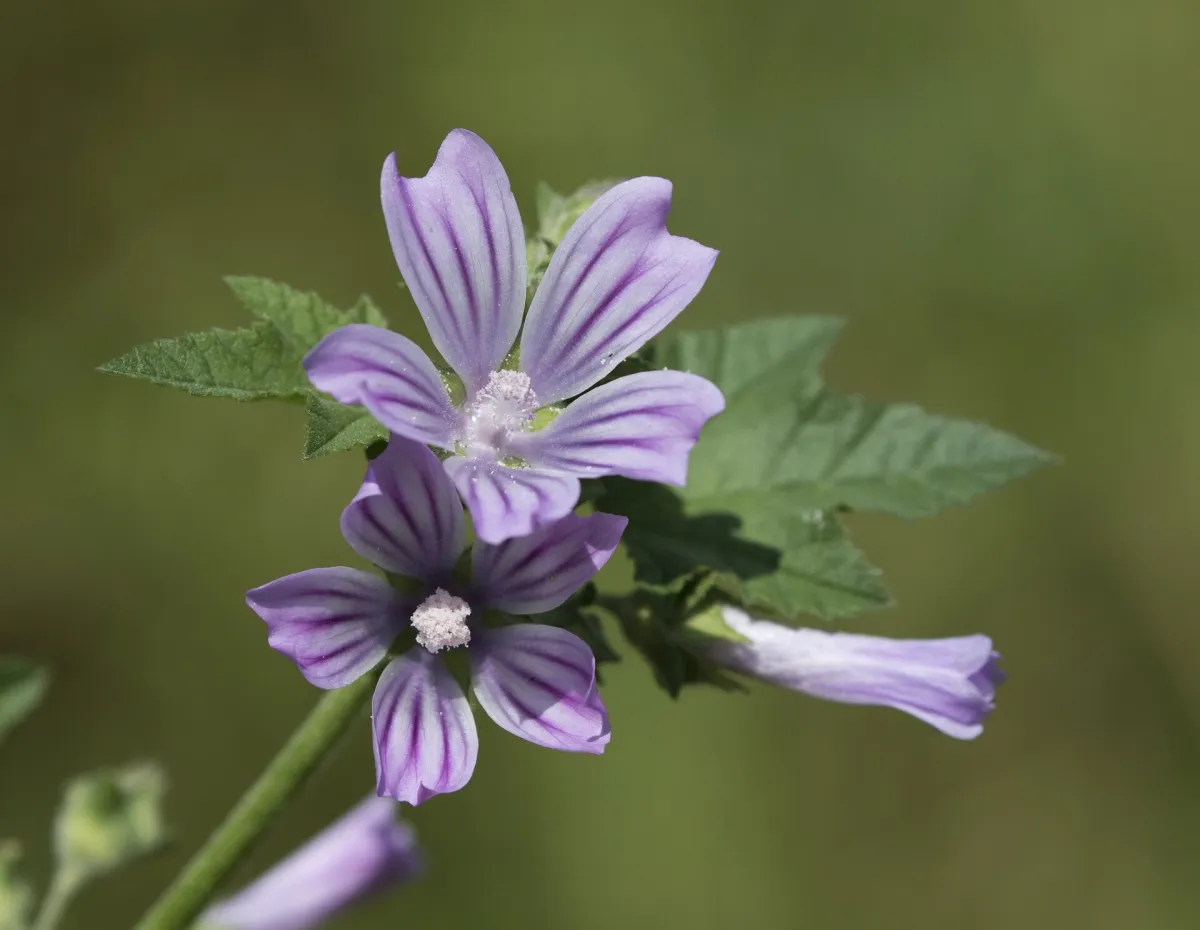 Photo: Zeynel Cebeci, CC BY-SA 4.0, via Wikimedia Commons
Common mallow (Malva sylvestris): rinse and gargle
Common mallow flowers and leaves also contain mucilage, milder than marshmallow root and easy to find in pharmacies and herb shops.
- Pour 200 ml of water just off the boil over 2 teaspoons (about 2 g) of dried flowers or leaves.
- Cover and steep for 10 minutes.
- Strain and let it cool to room temperature; cool liquid feels better on a dry mouth.
- Use as a mouthwash or gargle 3-4 times a day; you can drink the rest.
Flaxseed gel
As a backup, flaxseed mucilage works as a natural lubricant, and linseed extracts have been tested in small studies as saliva substitutes. Gently simmer 1 tablespoon of whole flaxseeds in 250 ml of water for 5-10 minutes, strain straight away (the gel thickens as it cools) and use a teaspoon at a time, spreading it over the tongue, cheeks and gums. It keeps in the fridge for 2-3 days.
Humidifiers and nasal breathing
If the dryness is worst at night, change the air and the way you breathe:
- run a cool-mist humidifier in the bedroom at 40-60% humidity (a cheap hygrometer lets you check);
- change the water daily, use distilled or boiled and cooled water, and clean the tank 2-3 times a week: a neglected humidifier sprays mould and bacteria;
- clear your nose before bed with a saline nasal rinse, especially if you have allergies;
- if you snore, sleep on your side with your head slightly raised;
- if you use CPAP, ask for a heated humidifier or a mask suited to mouth breathers.
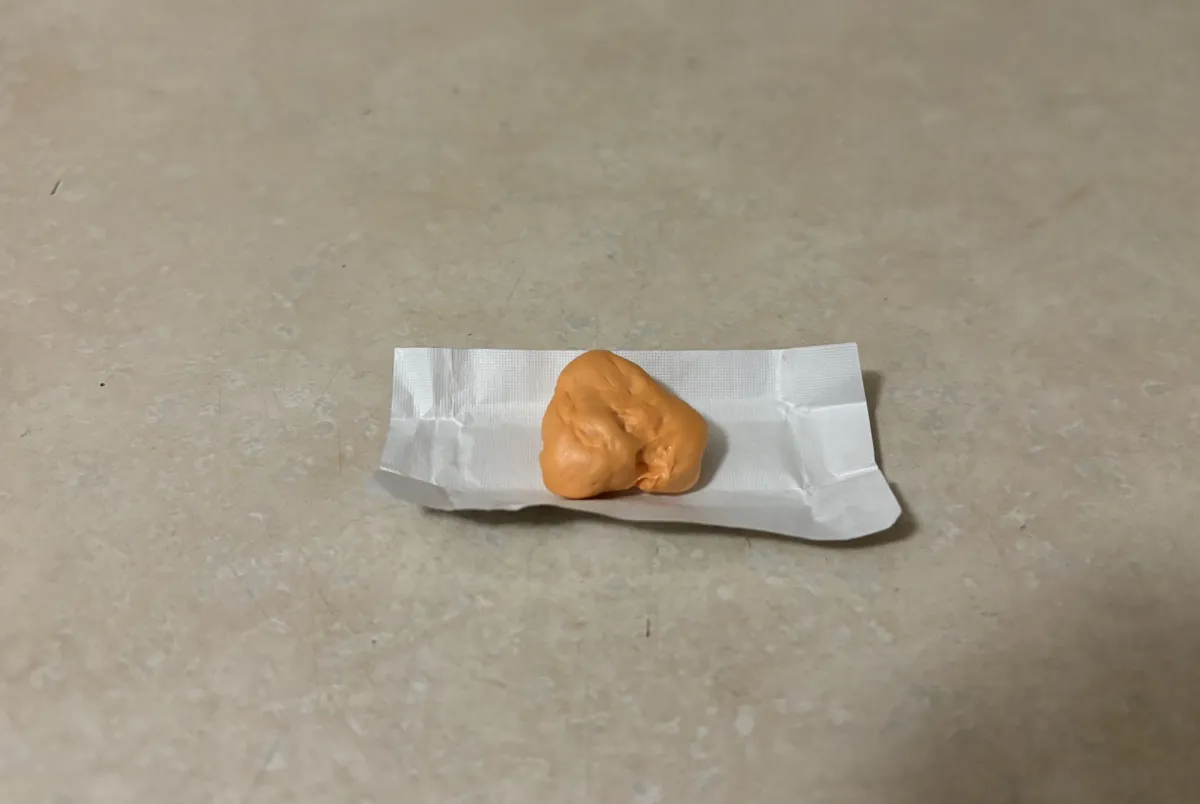 Photo: ToTheDemosToTheStars, CC0, via Wikimedia Commons
Smart hydration
Downing litres of water at once does little: it passes quickly through the kidneys and your mouth dries out again. It works better to keep a glass within reach and take small sips every 15-30 minutes, suck ice chips or frozen fruit pieces, drink water with every meal and choose moist foods such as soups, yoghurt, cooked vegetables and sauces. Cut back on coffee, strong black tea and alcohol, particularly in the evening.
Other useful tricks
- sugar-free sour sweets, which strongly stimulate saliva; go easy if you have sensitive teeth, as acidity erodes enamel;
- crunchy raw vegetables (carrot, celery) that need plenty of chewing;
- a lip balm with beeswax or lanolin;
- over-the-counter saliva substitutes (sprays or gels with carboxymethylcellulose, xanthan gum or hyaluronic acid), especially useful at night.
What to use and how: comparison table
| Remedy | How it helps | How much and how often | What the evidence says | Watch out for |
|---|---|---|---|---|
| Xylitol gum or lozenges | Stimulates saliva through chewing and taste | 1-2 pieces 3-5 times/day; 5-10 g xylitol total | Chewing increases saliva flow; modest comfort benefit | Diarrhoea at high doses; toxic to dogs |
| Marshmallow root cold infusion | Protective mucilage film | 2-3 g root in 150 ml cold water, 1-2 hours; 3-4 rinses/day | Traditional use recognised by EMA for mouth irritation | Separate from medicines by 30-60 min |
| Mallow infusion | Gentle soothing mucilage | 2 g flowers or leaves in 200 ml, 10 min; 3-4 rinses/day | Traditional use | Pregnancy: only with medical advice |
| Flaxseed gel | Lubrication | 1 tbsp seeds in 250 ml, simmer 5-10 min | Small studies on extracts | Refrigerate, 3 days maximum |
| Humidifier | Reduces night-time drying | 40-60% humidity, cleaned regularly | Logical, few direct studies | Mould if not cleaned |
| Saliva substitutes | Temporarily replace saliva | As needed, especially at night | Short-term relief | Effect wears off quickly |
Why to avoid alcohol-based mouthwash
Many commercial mouthwashes contain alcohol, sometimes a lot of it. Alcohol dehydrates the mucous membranes, stings an already irritated mouth and can make the dryness worse within minutes of rinsing. Choose alcohol-free mouthwashes with fluoride, or use the marshmallow and mallow rinses above. For the same reason, drop very strong menthol products and heavily foaming toothpastes if you notice they irritate you.
Protecting your teeth when saliva is low
Without saliva, cavities progress fast. Brush twice a day with fluoride toothpaste (1450 ppm for adults), floss, limit sugary snacks and acidic drinks between meals and see your dentist every 3-6 months. If the dryness is chronic, your dentist may prescribe a high-fluoride toothpaste or apply fluoride varnish. Take dentures out at night and clean them daily; white patches, redness and burning may signal oral thrush, which needs treatment.
Contraindications, interactions and who should be careful
- Marshmallow and mallow: the mucilage can delay the absorption of oral medicines, so take them at least 30-60 minutes apart. Commercial marshmallow syrups often contain sugar; if you have diabetes or a high cavity risk, stick to the plain cold infusion. In pregnancy, breastfeeding and young children, use only with medical advice, as safety data are insufficient.
- Xylitol: bloating, wind and diarrhoea at high doses; people with IBS who react to sugar alcohols may not tolerate it. It is highly toxic to dogs even in small amounts, so keep gum away from pets.
- Flaxseeds: also mucilaginous, so the same rule about spacing from medicines applies.
- Humidifiers: for people with asthma or mould allergy, keeping the unit clean is essential.
- Medications: do not stop them on your own, not even the ones that dry you out.
When to see a doctor: red flags
When to get your blood sugar tested
Ask for a fasting glucose and an HbA1c test if dry mouth comes with:
- intense thirst and frequent urination, including at night;
- unexplained weight loss, fatigue;
- blurred vision, recurrent infections (urinary, genital, skin);
- being overweight, a family history of diabetes or being over 40-45.
When to think of Sjögren’s syndrome
Ask for a rheumatology referral if you have:
- a dry mouth and dry, gritty or burning eyes every day for more than 3 months;
- a need to drink water to swallow dry food;
- repeated swelling of the glands in front of the ears (parotid glands);
- joint pain, marked fatigue, skin rashes, vaginal dryness.
Your doctor may order anti-Ro/SSA and anti-La/SSB antibodies, rheumatoid factor, a Schirmer tear test, a saliva flow measurement and sometimes a minor salivary gland biopsy from the lip.
Other situations not to put off
- dry mouth started suddenly after a new medication;
- sores, white or red patches or lumps in the mouth that do not heal within 2 weeks;
- difficulty swallowing, painful or firmly swollen salivary glands, fever;
- signs of severe dehydration in older adults or children: confusion, drowsiness, very little urine, a completely dry tongue. These are emergencies.
Common mistakes
Drinking a lot at once, then nothing for hours. Small, frequent sips help far more than gulping a litre.
Sucking sugary sweets. They do stimulate saliva, but in an unprotected mouth sugar means rapid decay.
Using alcohol mouthwash to freshen up. It dries the mouth even further.
Ignoring your nose. Without tackling nasal congestion or snoring, no remedy lasts through the night.
Leaving the humidifier dirty. You turn a helper into a source of mould.
Treating the symptom for years without tests. A blood sugar check and a medical review can completely change the diagnosis.
Conclusion
Dry mouth is a symptom, not a disease, and lasting relief comes from finding the cause: a drying medication, a blocked nose, high blood sugar or, less often, Sjögren’s syndrome. In the meantime and alongside treatment, xylitol gum, mallow rinses, small frequent sips and a clean humidifier bring real, low-risk comfort, while careful dental care prevents complications.
Frequently asked questions
Why does my mouth get so dry at night? Most often because you breathe through your mouth while asleep, due to a blocked nose, snoring or sleep apnea. Dry indoor air in winter, evening medications and alcohol also play a part. A humidifier and clearing your nose before bed are the first steps.
Can dry mouth be a sign of diabetes? Yes, especially when it comes with strong thirst, frequent urination and weight loss. A fasting glucose and an HbA1c test will clarify things quickly.
What vitamin deficiency causes dry mouth? No single vitamin deficiency typically causes dry mouth. Low iron, vitamin B12 or folate can cause a red, smooth tongue and a burning mouth that is sometimes mistaken for dryness. Get them checked with a blood test before taking supplements.
Is xylitol gum good for dry mouth? Yes, it is one of the simplest options: chewing stimulates saliva and xylitol does not feed cavity-causing bacteria. Stay under about 10 g of xylitol a day if your gut is sensitive.
Does swishing coconut or olive oil help? Oil can temporarily lubricate the mouth and some people find it soothing at night. It does not stimulate saliva, the evidence is weak and it does not replace brushing and fluoride.
How long can I use marshmallow root rinses? It is a gentle remedy often used for several weeks. The EMA monograph still advises seeing a doctor if symptoms last more than a week, so that the cause can be found; after that you can continue the rinses for comfort.
Is dry mouth a normal part of ageing? No. The salivary glands of a healthy older person produce enough saliva. In older adults the cause is usually a combination of medications, too little fluid or an underlying illness, so a medication review with your GP is worthwhile.
Sources and further reading
- NHS (UK), Dry mouth, patient information page.
- National Institute of Dental and Craniofacial Research (NIDCR, USA), Dry Mouth.
- European Medicines Agency, HMPC, European Union herbal monograph on Althaea officinalis L., radix.
- European Medicines Agency, HMPC, European Union herbal monograph on Malva sylvestris L., flos.
- Furness S. et al., Topical interventions for the treatment of dry mouth, Cochrane Database of Systematic Reviews, 2011.
- Furness S. et al., Interventions for the management of dry mouth: non-pharmacological interventions, Cochrane Database of Systematic Reviews, 2013.
Informative content only; it does not replace a consultation with a doctor or pharmacist. Persistent dry mouth, especially with strong thirst, dry eyes or mouth sores, needs medical assessment.