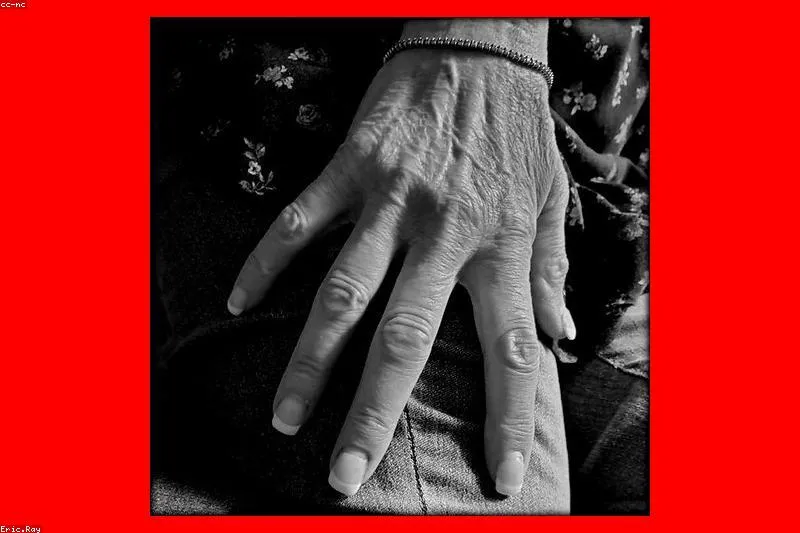

Natural Remedies for Dupuytren’s Contracture
IMPORTANT: Dupuytren’s is a progressive disease of the palmar fascia for which, in advanced stages with fixed finger contracture, the only definitive treatment is surgical intervention (fasciectomy, needle fasciotomy, collagenase injection). Natural remedies can slow evolution and help maintain mobility in early stages, but they do not dissolve already-formed scar nodules. If you notice new palmar thickenings, fingers that start to lose full extension, or the flexion angle increases, consult an orthopedic doctor specialized in hand surgery. Correct diagnosis and regular monitoring are essential.
Uncle George was a carpenter. At 58, he noticed a small, hard lump in the pad of his right palm. Later, a second one appeared near the ring finger. Gradually, his ring finger stopped straightening completely when he put his hand flat on the table. “It closes like a claw,” he said, puzzled. After his hand “was no longer giving at keys or grocery bags,” he went to the doctor. He was told it was Dupuytren’s contracture, popularly called the “Viking hand” because of its high frequency in northern Europeans. Uncle George refused surgery and began massaging his palm every evening with castor oil, doing stretches, taking vitamin E, and avoiding smoking. After two years, the nodules are softer, the ring finger extends almost completely, and disease progression seems slowed. His doctor says things look good but watches every change closely.
Dupuytren’s contracture is a benign, progressive condition of the palmar fascia (the fibrous layer beneath the palm’s skin). The fascia thickens, forms nodules, and later fibrous cords that pull the fingers into flexion. The condition is named after French surgeon Baron Guillaume Dupuytren, who described it in 1831. It is more common in men (ratio 7:1), in people of northern European origin (“Viking hand”), after age 50. Risk factors: genetic predisposition, smoking, excessive alcohol consumption, diabetes, epilepsy, repetitive manual work with vibrations.
Table of contents
- What is Dupuytren’s contracture and how it evolves
- Remedy 1: daily massage with castor oil
- Remedy 2: local and systemic vitamin E
- Remedy 3: stretching and mobilization exercises
- Remedy 4: DMSO (dimethyl sulfoxide) as a controversial remedy
- Remedy 5: warm compresses and paraffin baths
- Remedy 6: collagen, antioxidants, and anti-inflammatory diet
- Quitting smoking and alcohol
- Practical tips and common mistakes
- Frequently asked questions
What is Dupuytren’s contracture and how it evolves
In the palmar fascia, specialized cells called myofibroblasts proliferate and deposit excess type III collagen. First, nodules form (small, firm, painless thickenings), which then unite into longitudinal fibrous cords. These cords pull the fingers into flexion, especially the ring and little fingers (fingers 4 and 5).
Tubiana staging
Evolution is assessed by measuring the finger extension deficit:
- Stage 0: no lesions
- Stage N (nodule): isolated nodule, no contracture
- Stage 1: extension deficit 1-45 degrees
- Stage 2: deficit 45-90 degrees
- Stage 3: deficit 90-135 degrees
- Stage 4: deficit over 135 degrees (finger completely flexed)
The tabletop test
A simple home test: try to place your palm completely flat on a table. If you cannot, and your fingers stay raised above the table surface, this is probably evolving Dupuytren’s and deserves specialist consultation.
Associated locations
Dupuytren’s is part of the “Dupuytren’s diathesis,” a fibrosing tendency that can also affect:
- Plantar fascia (Ledderhose disease): nodules on the sole
- Penis (Peyronie’s disease): curvature and nodules
- Proximal interphalangeal joint fascia (Garrod’s pads): thickening on the back of the fingers
Progression
Evolution is highly variable. In some patients, nodules remain stable for years. In others, rapid contractures appear. Aggressive progression factors: onset before 50, bilateral involvement, Dupuytren’s diathesis, family history.
Remedy 1: daily massage with castor oil
Regular palm massage is probably the simplest and most accessible non-invasive intervention. Massage can slow fibrosis by increasing local blood flow, mobilizing tissues, and reducing adhesions. Castor oil has a reputation in traditional medicine for “dissolving fibrous deposits”; though scientific studies are limited, many people report improved tissue suppleness.
Massage technique
- Frequency: daily, in the evening, 10-15 minutes for each affected hand
- The oil: 1-2 tablespoons of cold-pressed castor oil, slightly warmed in a water bath (not hot)
- Technique:
- Start with gentle maneuvers across the whole palm for 2 minutes, to warm up
- Then focus on nodules: circular pressure with the thumb, 3-5 minutes on each nodule
- Then on cords: longitudinal pressure, from finger base to wrist, 2-3 minutes
- Finish with stretching movements of the fingers and palm
Alternative: overnight castor oil compress
- Soak a piece of clean cloth in castor oil
- Apply to the palm and cover with light plastic and a cotton glove
- Leave overnight or 2-3 hours in the evening
- Wash with soap in the morning
- Frequency: 2-3 evenings a week
Caution: castor oil stains a lot (choose old clothes). It may cause irritation in some; test on a small area first.
Remedy 2: local and systemic vitamin E
Vitamin E is an antioxidant with documented effects on connective tissue. Although clinical studies of vitamin E in Dupuytren’s are small and contradictory, clinical experience suggests it may slow progression, especially combined with other measures.
Topical application
- Vitamin E oil or capsules (d-alpha-tocopherol): pierce 1-2 capsules and apply directly to the nodules
- Massage with vitamin E: 2-3 minutes of gentle massage after application
- Frequency: daily, ideally after castor oil massage
Oral administration
- Dose: 400-800 IU per day, preferably natural form (d-alpha-tocopherol, not dl-alpha)
- Duration: 3-month cures with 1-month breaks
- Caution: high vitamin E doses (over 1000 IU/day) increase bleeding risk; do not take with anticoagulants without medical approval
The classic “Kaczander” combination
The protocol described by Dr. Kaczander in the 1950s (credited by some patients even today): vitamin E 400 IU/day + topical application with massage + warm baths beforehand. No large randomized studies confirm efficacy, but the protocol is cheap and without significant side effects.
Remedy 3: stretching and mobilization exercises
Maintaining finger mobility through regular stretches is essential. Immobility accelerates fascial retraction.
Daily exercises
Before exercises: 5 minutes of warm hand bath or warm compress, to warm up the tissues.
Passive extension: Place the palm on a table. With the other hand, gently press the fingers to flatten them completely on the table. Hold 30 seconds. Repeat 5 times. 2-3 times a day.
Active extension against resistance: Place a rubber band around your fingers, from their base. Spread fingers against the elastic. 15 repetitions, 2-3 times a day.
Simple flexion-extension: Open the palm completely, then make a tight fist. 20 repetitions, 3-4 times a day.
Table stretch: Place the edge of your hand on the table, fingers straight, thumb up. Push the palm toward the table, keeping fingers straight. 15 seconds, 5 times.
Wall stretch: Press the palm (fingers up) firmly on a wall, with the arm straight. Hold 30 seconds. 3 times a day.
Therapy ball: Grasp a soft ball, then relax. 20 repetitions, helps circulation.
Caution: stretches must be gentle, progressive, without pain. Pain means micro-tears that can repair through more fibrosis.
Night splints
In stages 1-2, the doctor may recommend nighttime extension splints, which keep the fingers extended during sleep. Consistent use has slowed progression in some studies.
Remedy 4: DMSO (dimethyl sulfoxide) as a controversial remedy
DMSO is a solvent with anti-inflammatory properties and excellent skin penetration, used extensively in veterinary medicine and, controversially, in humans. Studies on Dupuytren’s are few, but some report improved nodule suppleness when combined with vitamin E.
The protocol used by some patients
- Pharmaceutical DMSO (70% or 90%), diluted to 50% with distilled water
- Local application on nodules, 2-3 times a day, with cotton swab
- Let it absorb, then apply vitamin E
- 6-8 week course with monitoring
Very important caution:
- Skin must be perfectly clean (DMSO carries what it finds on the skin into circulation)
- Causes a persistent garlic odor
- Can cause local irritation, itching, skin rashes
- Not used in children, pregnant women, people with liver or kidney disease
- Not officially approved for human use in many countries
- It is essential to discuss with your doctor first
I do not recommend using DMSO without specialized consultation; I mention it because it is frequently discussed in patient forums and deserves proper framing.
Remedy 5: warm compresses and paraffin baths
Heat improves circulation and makes fibrous tissue more flexible for manipulation.
Paraffin bath
Used extensively in physical therapy, paraffin baths are ideal for Dupuytren-affected hands.
- Heat special paraffin until liquid (60-65 degrees Celsius), then let cool to 50-55 degrees
- Dip the hand in paraffin 5-7 times to form a thick wax layer
- Wrap the hand in a plastic bag and towel, 15-20 minutes
- Carefully remove the paraffin (it can be reused many times)
- Follow with stretching exercises and massage
Simple warm compresses
- Fill a bowl with warm water (not hot, 42-45 degrees), add 2 tablespoons of Epsom salts
- Soak the hand 15-20 minutes
- Dry alternative: heating pad or sea salt heated in a sock
Frequency: daily in the evening, before stretching exercises and massage.
Remedy 6: collagen, antioxidants, and anti-inflammatory diet
Nutrition plays an important role in any fibrosing disease. An anti-inflammatory diet can reduce aberrant collagen production.
Foods to include
- Fatty fish (salmon, sardines, mackerel, herring): omega-3, 2-3 times a week
- Intensely colored vegetables (spinach, broccoli, beets, red cabbage): antioxidants
- Berries (blueberries, blackcurrants, blackberries, raspberries): antioxidants
- Extra virgin olive oil: polyphenols
- Nuts and seeds (walnuts, almonds, flax seeds, chia): vitamin E, omega-3
- Turmeric: curcumin has documented anti-inflammatory and antifibrotic effects
- Ginger: anti-inflammatory effect
Foods to limit
- Refined sugar and processed products: pro-inflammatory
- Hydrogenated/trans fats: increase inflammation
- Excess omega-6 (sunflower oil, corn oil)
- Excessive alcohol: proven risk factor for Dupuytren’s
Useful supplements
- Curcumin: 500 mg twice a day, with piperine for absorption
- Omega-3: 2-3 g EPA+DHA per day
- Vitamin C: 500 mg per day, cofactor for normal collagen synthesis
- N-acetyl cysteine (NAC): 600-1200 mg per day, antioxidant with antifibrotic potential
Quitting smoking and alcohol
Smoking and excessive alcohol consumption are documented risk factors for the development and progression of Dupuytren’s. Nicotine affects microcirculation, and alcohol worsens liver inflammation and tissue fibrosis.
Smoking
- Smokers have 2-3 times higher risk of developing Dupuytren’s compared to non-smokers
- Postoperative recurrence risk is higher in smokers
- Quitting smoking is one of the most important preventive measures
Alcohol
- Daily consumption of over 2 units (men) or 1 unit (women) increases risk
- Reduction to occasional, moderate consumption is recommended
- In patients with Dupuytren’s diathesis, abstinence is ideal
Practical tips and common mistakes
What you should do
- Perform the tabletop test monthly; document progression photographically
- Consult an orthopedic hand specialist every 6-12 months
- Wear protective gloves for manual work (wood, metal, gardening)
- Avoid repetitive movements with vibrations (pneumatic hammers, trimmers)
- Maintain normal weight and control diabetes (if present)
- Do daily stretching exercises, even if symptom-free
Mistakes to avoid
Mistake no. 1: “I pull my fingers hard to straighten them.” Brutal traction tears fibers and generates more scar. Stretches must be gentle and sustained.
Mistake no. 2: “I’ll wait until the fingers are completely blocked before surgery.” Intervention becomes harder and functional results are poorer in advanced contractures.
Mistake no. 3: “Grandma’s remedy X dissolved my nodules.” No cream dissolves formed Dupuytren’s nodules. What you observe may be natural variability or placebo effect.
Mistake no. 4: “I keep smoking, it has nothing to do with my hand.” The link is documented; smoking accelerates progression.
Mistake no. 5: “I ignore small nodules because they don’t hurt.” Pain is not characteristic of Dupuytren’s. Nodule monitoring allows intervention at the optimal moment.
Conclusion
Dupuytren’s contracture is a condition that can be managed with attention, patience, and a consistent plan. Natural remedies - daily massage, vitamin E, stretches, local heat, anti-inflammatory diet - do not work miracles, but they can slow progression and maintain useful hand mobility. Quitting smoking and moderation in alcohol are major measures worth the effort. When fingers begin to lock and daily life becomes difficult (you cannot place your palm flat on the table, difficulty buttoning or opening jars), surgical intervention or collagenase injections offer effective solutions. The specialist will guide you at the right time. Until then, daily hand care with oils and stretches is the best investment in maintaining functional independence.
Frequently asked questions
Can Dupuytren’s be cured without surgery? In early stages (nodule without contracture), conservative treatment can stabilize the disease. Once cords that contract the fingers have formed, only mechanical interventions (surgery, needle fasciotomy, collagenase) correct the deformity. Natural remedies do not dissolve the cords.
How fast does the disease progress? Very variable. In some, progression is slow over decades. In others, rapid over a few months. Aggressiveness factors: onset before 50, Dupuytren’s diathesis, family history, smoking.
What is better: needle fasciotomy or collagenase? Needle fasciotomy is cheaper with faster recovery but higher 5-year recurrence rate. Collagenase (Xiapex) is injected into the cord, which dissolves; 24 hours later, the doctor extends the finger. Results are good but more expensive. Open surgery (fasciectomy) gives the most durable results but longer recovery.
Can it appear on the foot? Yes, Ledderhose disease is the plantar equivalent of Dupuytren’s, with nodules on the sole. It does not cause toe contracture but can be painful when walking. Treatment is similar.
Does vitamin E really help? Studies are contradictory. There is no robust evidence that vitamin E alone cures the disease, but it can be part of a complete conservative treatment plan, being cheap and without major side effects at moderate doses.
Can I exercise at the gym with Dupuytren’s? Yes, but avoid exercises requiring sustained firm grip (prolonged pull-ups, heavy kettlebells). Prefer movements with light contraction. Use soft gloves or wraps to protect the palm.
Does the disease recur after surgery? Yes, with a rate of 20-40% at 5 years, more in young patients with Dupuytren’s diathesis. Massage, stretching, and avoiding risk factors reduce risk.
How do I recognize early signs? A small, hard, painless lump under the skin in the palm. It can initially be confused with a callus. Watch it monthly. If difficulty extending the finger fully appears, see a doctor.