
Natural Remedies for Fatty Liver
IMPORTANT: Fatty liver (hepatic steatosis) is often asymptomatic in early stages but can progress over time to steatohepatitis, fibrosis and even cirrhosis. Diagnosis and monitoring are done through blood tests (transaminases ALT, AST, GGT), abdominal ultrasound and, in serious cases, fibroscan or liver biopsy. The natural remedies in this article are complementary and do not replace periodic medical follow-up and essential lifestyle changes.
Fatty liver, medically known as non-alcoholic fatty liver disease (NAFLD), is one of the most widespread liver conditions of the 21st century, affecting approximately 25-30% of the adult population and a worryingly large proportion of children. It is characterized by accumulation of fat in liver cells (hepatocytes), above 5-10% of liver weight. The main causes are: diets rich in sugar and refined carbohydrates, abdominal obesity, sedentary lifestyle, insulin resistance and type 2 diabetes. And yes, fructose from sodas and processed foods is one of the main culprits, more dangerous to the liver than fats.
Our grandparents rarely had fatty liver. Why? Because they ate simply, worked physically all day, did not drink fructose-sweetened sodas, did not buy processed food. Their liver was automatically protected by their lifestyle. We, today’s people, have to fight a food environment that attacks the liver from every direction. The good news is that the liver is the organ with the greatest regenerative capacity in the body. If you give it good conditions, it heals itself. Here is what you can actually do.
Remedy 1: Milk Thistle (Silymarin), The Liver’s Shield
Milk thistle (Silybum marianum) is, without exaggeration, the most studied natural remedy for the liver in the world. It contains a flavonolignan complex called silymarin, made of silibinin, silichristin and silidianin. Silymarin is a powerful antioxidant that protects liver cells from oxidative stress, stimulates regeneration of hepatocytes and inhibits the transformation of stellate cells into fibroblasts (which lead to fibrosis).
How to use it
- Recommended form: Standardized milk thistle capsules, with at least 80% silymarin. Usual dose: 140-200 mg silymarin three times a day, with meals.
- Traditional form: Freshly ground milk thistle seed powder (not pre-ground, as it oxidizes quickly). Take 1-2 level teaspoons per day, mixed into yogurt, soup or smoothie. Can be ground with a coffee grinder.
- Tea: Boil 1 teaspoon of crushed seeds in 250 ml water for 10 minutes, strain. Two cups a day. The taste is bitter.
- Duration: 3-6 month course. Can be repeated after a 1 month break.
Why it works: Silymarin stabilizes hepatocyte membranes, preventing toxins from entering cells. It raises intracellular glutathione, the liver’s main antioxidant. Multiple clinical studies have shown significant reductions in transaminases (ALT, AST) in patients with fatty liver and chronic hepatitis who took silymarin for 3 months or longer.
Safety: Silymarin is one of the safest medicinal plants, with no notable side effects even at high doses and long courses.
Remedy 2: Artichoke Infusion, The Liver’s Friend
Artichoke (Cynara scolymus) is probably the second most studied remedy for the liver, highly valued in traditional Mediterranean medicine. It contains cynarin and chlorogenic acid, compounds that stimulate bile production and secretion (choleretic and cholagogue effect), protect liver cells and lower total and LDL cholesterol.
Recipe
- Ingredients: 1-2 teaspoons of dried artichoke leaves (available in herbal shops) or 1-2 artichoke tea bags, 250 ml boiling water
- Preparation: Pour boiling water over the leaves, cover and steep 15 minutes. Strain. The taste is bitter (bitterness is actually the active part).
- How to take it: Drink 2-3 cups a day, before main meals (15-20 minutes before). Do not sweeten with sugar. You can add a bit of lemon.
- Duration: 3-4 week courses with 1-2 week breaks.
Alternatives: Standardized artichoke extract in capsules (300-600 mg twice a day with meals) is a more convenient option with controlled dosing. Fresh artichoke, steamed or boiled, is also very beneficial, including the cooking liquid which contains active principles.
Contraindications: People with biliary obstruction (gallstones blocking the bile duct) should not use artichoke, because stimulating bile secretion can worsen the situation. Talk to your doctor if you have this condition.
Remedy 3: Dandelion Tea, The Gentle Detoxifier
Dandelion (Taraxacum officinale), that “weed” growing everywhere in yards and along roadsides, is actually one of the most valuable medicinal plants for the liver. The root and leaves contain taraxacin, inulin (prebiotic fiber), vitamins (A, C, K) and minerals. Main effects: stimulates digestion, increases bile flow, helps kidneys eliminate toxins from the blood.
Recipes
For dandelion root (decoction):
- 1-2 teaspoons dried cut root, 250 ml cold water
- Put roots in cold water, bring to a boil, simmer 5-10 minutes, strain
- Drink 2 cups a day, morning and evening
For dandelion leaves (infusion):
- 1 tablespoon dried or fresh leaves (well washed), 250 ml boiling water
- Steep 10 minutes, strain
- One cup per day
Fresh dandelion salad: In spring, young dandelion leaves picked from clean areas (far from traffic and herbicide-treated fields) can be eaten as salad. They have a bitter taste but are extremely beneficial for the liver. Mix with a little olive oil, lemon and salt.
Note: People with gallstones should avoid dandelion, for the same reasons as with artichoke.
Remedy 4: Turmeric With Black Pepper (Golden Milk)
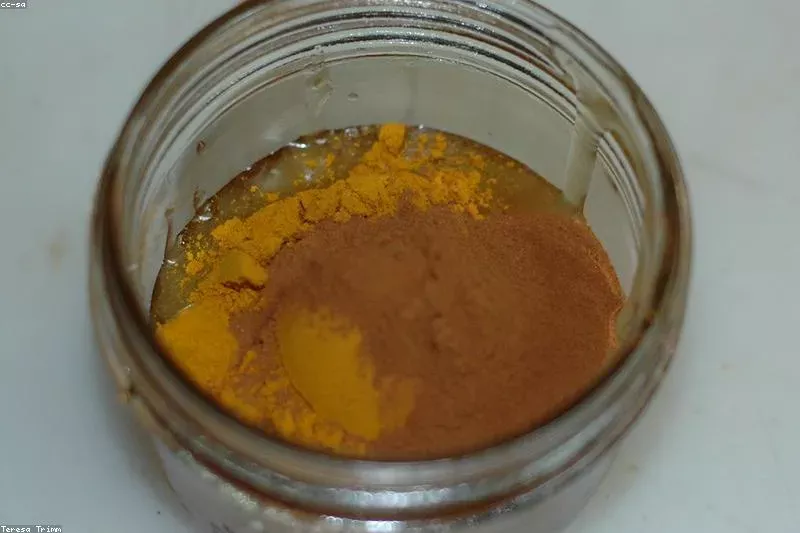
Turmeric (Curcuma longa) is one of the most potent natural anti-inflammatories known. Its active principle, curcumin, has remarkable hepatoprotective effects: reduces liver inflammation, lowers fat deposits in the liver, improves insulin sensitivity and protects against fibrosis.
The problem is that curcumin is poorly absorbed alone. The solution, known for centuries in Ayurvedic medicine, is to combine it with piperine (from black pepper), which increases absorption 20-fold, plus a source of fat.
Classic golden milk recipe
- Ingredients: 250 ml almond, coconut or cow’s milk, 1 level teaspoon turmeric, a pinch of freshly ground black pepper, 1 teaspoon coconut oil or olive oil, 1 teaspoon honey (optional, after cooling), a dash of cinnamon (optional)
- Preparation: Warm the milk in a small pot without boiling. Add turmeric, pepper and oil, whisk well until blended. Remove from heat, add honey once slightly cooled.
- How to take it: One cup in the evening before bed, daily. Also has a calming effect on the nervous system.
- Duration: Permanently, as part of your diet.
Simpler alternative: 1/2 teaspoon turmeric + a pinch of black pepper + 1 tablespoon olive oil, taken directly, once a day.
Remedy 5: Beetroot Juice, The Blood Cleaner
Beetroot (Beta vulgaris) is a root vegetable extraordinarily rich in betaine, a nutrient that helps the liver metabolize fats and proteins. Plus, it contains anthocyanins and betalains, pigments with strong antioxidant effects, and nitrates that improve blood flow. All these benefits translate into a less burdened and more efficient liver.
Recipe
- Ingredients: 1 medium beetroot, 1 apple, 1 carrot, juice of half a lemon, a thin slice of fresh ginger
- Preparation: Wash all ingredients, peel (beetroot must be peeled), pass through a juicer. Mix well and drink immediately.
- How to take it: 1 glass (200 ml) on an empty stomach in the morning, 3-4 times a week.
- Duration: 1-2 month course.
Amusing note: Beetroot can color urine pink and stool red. Do not panic, this is not blood, it is normal and disappears 24-48 hours after stopping consumption.
Cooked version: If you do not have a juicer, boiled beetroot, eaten simply with olive oil and lemon as salad, is also excellent. Oven-roasted (wrapped in foil, 45 minutes at 180°C) has the most pleasant taste.
Remedy 6: Flax Seeds and Walnuts, Plant-Based Omega-3 Source
Omega-3 fats have anti-inflammatory effects and reduce fat deposits in the liver. Unfortunately, fatty fish (the best omega-3 source) is not available cheaply and cleanly everywhere. Luckily we have very good plant-based alternatives: flax seeds and walnuts.
Flax seeds:
- 1 tablespoon freshly ground flax seeds (with a coffee grinder, on the day of consumption), added to yogurt, cereals or smoothie
- Daily, at least 3 months
Walnuts:
- 30 g of walnuts per day (about 7 kernels), as a snack or in salads
- Contain omega-3 plus glutathione, one of the liver’s most important antioxidants
Chia seeds: 1 tablespoon per day, hydrated in a little water or plant milk, 15 minutes before consumption.
Diet for Fatty Liver: The Essential Change
No supplement and no plant will cure fatty liver if the diet stays bad. Good news: fatty liver is 100% reversible in early stages through diet change and weight loss.
The golden rule: A weight loss of 7-10% of body weight reduces liver fat by 30-40% in most cases. You do not need to reach ideal weight, just a significant reduction brings huge benefits.
Strictly avoid:
- Refined sugar in all forms: cakes, sweets, candies, milk chocolate
- Sweetened juices, including “natural” ones (concentrated fructose)
- White bread, white rice, pasta from white flour
- Added fructose in processed foods (read labels!)
- Alcohol, including beer (dramatically worsens fatty liver)
- Fried foods and trans fats (margarine, industrial pastries)
- Fast food and processed food
- Deli meats with preservatives
Recommended:
- Vegetables in large quantities: spinach, broccoli, kale, arugula, all greens
- Whole grains: oats, quinoa, buckwheat, brown rice (in moderation)
- Lean proteins: skinless chicken, turkey, fatty fish (salmon, sardines, mackerel), legumes
- Extra virgin olive oil in reasonable amounts
- Nuts, seeds (flax, chia, pumpkin)
- Low-fructose fruits: blueberries, raspberries, apples (in moderation)
- Eggs (up to 1-2 per day)
- Black coffee without sugar (yes, coffee protects the liver, studies are clear)
- Green tea (antioxidant catechins)
Physical Exercise: The Second Pillar of Treatment
Exercise directly reduces liver fat, independent of weight loss. Minimum recommended:
- Aerobic: 150 minutes per week of moderate activity (brisk walking, swimming, cycling). That means about 30 minutes, 5 days a week.
- Strength: 2-3 sessions per week of body weight or light weight exercises. Increasing muscle mass improves insulin sensitivity.
- Daily movement: at least 7000-10000 steps per day. Avoid sitting for hours on end.
- HIIT (High Intensity Interval Training): recent studies show it is particularly effective for visceral and hepatic fat, but requires a minimum fitness level to begin.
Useful Supplements in Fatty Liver Treatment
Beyond the remedies already mentioned, several supplements have solid evidence for fatty liver:
- Vitamin E: 400-800 IU per day in natural form (d-alpha tocopherol with mixed tocopherols). Shown in studies to reduce steatosis and inflammation.
- Vitamin D3: many fatty liver patients have vitamin D deficiency. Measured through blood tests (25-OH vitamin D) and supplemented accordingly (2000-4000 IU per day).
- Omega-3 from fish oil: 1-2 g per day of EPA+DHA from a clean source verified for heavy metals.
- Coenzyme Q10: 100-200 mg per day, supports mitochondrial function of hepatocytes.
- Berberine: 500 mg 2-3 times a day, improves insulin resistance and reduces liver fat.
Signs That Demand Serious Investigation Immediately
- Jaundice (yellowing of skin and eyes)
- Dark urine like strong tea
- Pale colored stool (whitish-yellow)
- Persistent right upper pain under the ribs
- Generalized itching without skin rash
- Belly swelling (ascites)
- Easy bleeding from nose, gums, frequent unexplained bruising
- Persistently elevated transaminases (ALT, AST above 2x normal limit)
- Mental confusion, unusual drowsiness (hepatic encephalopathy)
These signs can indicate progression from simple steatosis to steatohepatitis with advanced fibrosis or early cirrhosis. Do not delay the visit to a gastroenterologist or hepatologist.
Remember: The liver is the organ that does not complain. When you feel pain in the upper right, disease is already advanced. Monitor your liver through yearly blood tests after age 30, abdominal ultrasound every 2 years, and act preventively. Your liver forgives a lot but forgets nothing. Give it greens, movement, good sleep and less sugar, and it will take care of you all your life. Our grandparents did not have all this knowledge, but they had something more important: a lifestyle that made everything natural. Let us regain at least part of that simple wisdom.