
Hand-Foot-Mouth Disease: Parent’s Practical Guide
It usually starts with a grumpy child who refuses to eat, a touch of fever, and a mysterious rash around the mouth. Within a day or two, small painful spots appear on the tongue, inside the cheeks, then on the palms, the soles, and sometimes the buttocks. Welcome to Hand-Foot-Mouth Disease, one of the most common and most dreaded viral infections of early childhood. Its name sounds grim, parents often confuse it with foot-and-mouth disease in animals (a totally different illness), but HFMD is a self-limiting viral infection that, with good home care and close medical supervision, resolves in under two weeks in the vast majority of children.
Even if the disease is usually mild, it can be extremely uncomfortable. The painful mouth ulcers make eating and drinking a challenge, which in turn can lead to dehydration, especially in toddlers who cannot communicate how thirsty they are. And because the virus spreads like wildfire in daycares and preschools, most parents will face at least one episode of HFMD during their child’s early years. Knowing what to expect, what to do at home, and above all when to call the pediatrician can make the difference between a tense few days and a true emergency.
Before anything else, a firm reminder: this article is informational and never replaces a pediatric consultation. Any child with suspected HFMD, especially if under 2 years old, immunocompromised, unable to drink, or showing signs of dehydration, neurological changes, or persistent high fever must be evaluated by a doctor. The advice that follows is general, and your pediatrician is the one who decides which medications, doses, and investigations are appropriate for your child.
Contents
- What is Hand-Foot-Mouth Disease
- Which viruses cause it
- How it spreads
- Stages and typical symptoms
- How the pediatrician diagnoses it
- Home care and comfort measures
- Hydration when the mouth hurts
- Which medications help
- Red flags requiring urgent care
- Prevention in the household
- Practical tips for parents
- Frequently asked questions
What is Hand-Foot-Mouth Disease
HFMD is a viral illness most common in children under 5 years old, although older kids and even adults can catch it. It is characterized by a typical triad: mouth sores (enanthem), a rash with small blisters on the hands and feet (exanthem), and fever. Some children also develop a rash on the buttocks, elbows, knees, or around the mouth.
The illness usually lasts 7 to 10 days. Most children recover completely without complications, but the first few days can be rough because of the painful mouth ulcers.
Which viruses cause it
The most common culprits are:
- Coxsackievirus A16 (the classic cause in most countries)
- Coxsackievirus A6 (associated with more severe, widespread rashes and fingernail/toenail shedding weeks later)
- Enterovirus 71 (associated with potentially more severe cases, including rare neurological complications)
- Other enteroviruses
Because there are multiple viruses involved, a child can get HFMD more than once in their lifetime. Immunity is virus-specific, so catching Coxsackie A16 does not protect against A6 or Enterovirus 71.
How it spreads
HFMD spreads easily because the virus is everywhere the child is. Transmission happens through:
- Saliva, nasal secretions, coughing, sneezing
- Blister fluid
- Stool (the virus is shed for weeks after symptoms resolve)
- Contaminated surfaces, toys, doorknobs
- Shared utensils, cups, towels
The highly contagious period: from 1-2 days before symptoms appear to about 7 days after onset (sometimes longer via stool). This is why HFMD spreads so fast in daycares.
Stages and typical symptoms
Stage 1: Incubation (3-7 days)
No visible symptoms. The child has already caught the virus from another child, a relative, or a contaminated surface.
Stage 2: Prodromal phase (1-2 days)
- Mild fever (38-39 degrees Celsius)
- Fatigue, irritability
- Sore throat
- Loss of appetite
- Sometimes abdominal pain or mild diarrhea
Stage 3: Full outbreak (3-5 days)
- Mouth ulcers: small red spots that quickly turn into painful yellowish ulcers on the tongue, gums, inside cheeks, tonsils, soft palate. These are the most distressing symptom for children.
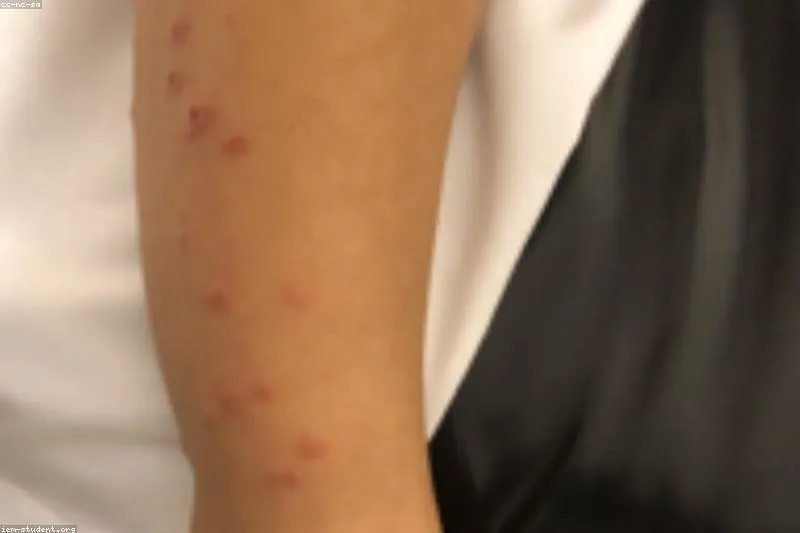
- Hand and foot rash: small red spots that evolve into small fluid-filled blisters on the palms, soles, sides of fingers and toes. Usually not itchy, but sometimes tender.
- Buttock rash in many cases, especially in babies wearing diapers.
- Persistent fever for 2-3 days, usually moderate.
- Drooling (because swallowing hurts).
- Refusal to eat or drink.
Stage 4: Recovery (3-5 days)
- Ulcers heal without scarring.
- Blisters dry up, sometimes peeling.
- Fever resolves.
- Appetite returns.
Late complication: some children (especially those with Coxsackie A6) shed fingernails or toenails 4-8 weeks after recovery. This is painless and the nails grow back normally.
How the pediatrician diagnoses it
Diagnosis is almost always clinical. The combination of mouth ulcers and hand/foot blisters in a feverish young child is very characteristic. Laboratory tests are rarely needed.
The doctor may order tests in atypical or severe cases:
- Viral culture or PCR from throat, stool, or blister fluid
- Complete blood count
- Inflammatory markers in severe cases
Home care and comfort measures
There is no specific antiviral treatment for HFMD. Care is supportive, focused on:
- Relieving pain
- Preventing dehydration
- Managing fever
- Monitoring for complications
General measures
- Rest in a quiet, cool room
- Light clothing, loose cotton
- Good ventilation
- Gentle hygiene (do not scrub the rash)
- Soft sheets, avoid friction on blisters
- Keep fingernails short to prevent scratching
Hydration when the mouth hurts
This is the biggest challenge with HFMD. Children refuse to drink because it burns. But without hydration, the situation worsens fast.
Tips for successful hydration:
- Cold fluids soothe the mouth: cool water, ice cubes to suck on (for older children), frozen breast milk pops for babies
- Popsicles are fantastic: both ice and hydration at once
- Small sips often: a few milliliters every 5-10 minutes, with a syringe if necessary
- Avoid acidic juices (orange, lemon, pineapple) that sting the ulcers
- Milk, yogurt drinks, diluted fruit smoothies (non-citrus) are usually well tolerated
- Oral rehydration solutions if dehydration signs appear, as advised by the pediatrician
- Straws can help some children bypass painful areas; others prefer a spoon
Signs of dehydration requiring urgent care:
- Fewer wet diapers (less than 4 in 24 hours for toddlers)
- No tears when crying
- Sunken eyes or fontanelle
- Dry, cracked lips and tongue
- Lethargy, unusual sleepiness
- Rapid breathing or heart rate
Which medications help
Only a pediatrician should prescribe medications for your child. General guidance:
For pain and fever:
- Paracetamol (acetaminophen): safe from birth in appropriate doses
- Ibuprofen: from 3-6 months, with food, for children without kidney issues or dehydration
For mouth ulcers:
- Oral gels with local anesthetic (benzocaine, lidocaine): DO NOT use in children under 2 without medical supervision, and use with caution due to risk of methemoglobinemia
- Coating gels (e.g., with hyaluronic acid or polyvinyl alcohol) can form a protective layer
- Mouth rinses with mild antiseptic or plain salt water for older children who can spit
AVOID:
- Aspirin (never use in children with viral illness, risk of Reye syndrome)
- Antibiotics (HFMD is viral, antibiotics do not help)
- Steroid creams on the rash (not indicated, may worsen viral spread)
- Strong topical antivirals without prescription
Red flags requiring urgent care
Call your pediatrician or go to the ER immediately if your child:
- Is younger than 3 months with any fever
- Cannot drink anything for more than 6-8 hours
- Shows signs of dehydration (sunken fontanelle, no urine for 8+ hours, dry lips, lethargy)
- Has a persistent high fever above 39.5 degrees for more than 3 days
- Is extremely sleepy or difficult to wake
- Has a stiff neck or severe headache
- Has difficulty breathing
- Develops new neurological symptoms (weakness, unsteady gait, tremors, seizures)
- Has purple spots that do not fade on pressure
- Has a rapidly spreading rash or blisters with pus
- Shows signs of cardiac issues (pale, mottled, cold extremities, rapid breathing)
Severe complications are rare but possible, especially with Enterovirus 71: viral meningitis, encephalitis, myocarditis, pulmonary edema.
Prevention in the household
When one child in the house has HFMD, the virus is already around. But you can reduce the spread:
- Wash hands frequently and thoroughly with soap and water (alcohol gels are less effective against enteroviruses)
- Sanitize high-touch surfaces: doorknobs, tables, remote controls, tablets
- Wash toys that go in the mouth with soap and water; plastic toys can be disinfected
- Change clothes and bed sheets more often
- Avoid sharing utensils, cups, towels, toothbrushes
- Teach older children not to share food or drinks
- Keep the sick child home from daycare or school until fever is gone and the child can eat and drink normally (usually 5-7 days minimum)
- Diapers: wash hands carefully after each change; the virus is shed in stool for weeks
- Limit kissing on the face during the contagious period
- Protect vulnerable individuals: pregnant women (rare risk to the baby if infection occurs near delivery), newborns, immunocompromised family members
Practical tips for parents
- Offer cold foods: yogurt, ice cream, popsicles, smoothies, chilled mashed banana
- Avoid salty, acidic, crunchy foods that irritate ulcers (chips, citrus, tomato sauce, pickles)
- Use a soft spoon or syringe for liquids if a cup hurts
- Try feeding just after a pain reliever kicks in, when the mouth is less sore
- Keep a log: temperatures, fluid intake, urine output, doses given
- Stay home and rest; the child needs calm, not a packed schedule of visitors
- Comfort matters: cuddles, gentle stories, quiet time, favorite blanket
- Take photos of the rash to show the doctor if it changes
- Avoid comparing with social media: each child’s HFMD looks a little different
- Trust your gut; if something feels off, call the doctor
Conclusion
Hand-Foot-Mouth Disease is a common viral illness that, while uncomfortable, almost always resolves on its own with supportive home care. The key priorities are hydration, pain relief, and careful monitoring for warning signs. Remedies and comfort measures help, but they do not replace the judgment of a pediatrician, who is the best guide through the illness, especially in younger children or in cases with unusual severity. Stay calm, stay attentive, keep your child comfortable, and give the virus time to run its course while you watch closely for anything that looks off.
Frequently asked questions
1. Can my child get HFMD more than once? Yes. Different viruses cause HFMD, and immunity is specific to each strain.
2. Is HFMD dangerous for pregnant women? Most cases are mild for the mother. Concerns arise mainly if infection occurs very close to delivery. Pregnant women in contact with HFMD should inform their obstetrician.
3. How long should my child stay home? Until the fever has resolved and the child can eat and drink comfortably, usually 5-7 days. The virus can still be shed in stool for weeks, so hand hygiene remains essential.
4. Will the nails really fall off? In some cases, fingernails or toenails shed 4-8 weeks after the illness. This is painless, and the nails regrow normally.
5. Is the rash itchy? Usually not, but it can be tender. Some children feel mild itching. Keep nails short to prevent scratching.
6. Can adults catch it from their kids? Yes, adults can catch HFMD, especially if they did not have it as children. Symptoms in adults can range from mild to quite unpleasant.
7. Does HFMD leave scars? No, the rash heals without scarring. Only if blisters are scratched and become infected can scarring occur.