
Heavy Metal Toxicity: Natural Detox Support
IMPORTANT: Heavy metal poisoning is a real, serious condition requiring medical diagnosis with specific tests (blood, urine, hair test, challenge test with chelator). Acute forms (lead, mercury, arsenic poisoning) require urgent medical treatment with pharmaceutical chelators (DMSA, EDTA, BAL, penicillamine). No natural remedy replaces medical treatment in acute or confirmed poisoning. The “natural” detoxification described here refers to chronic, low-level exposures and general elimination support. Do not start a detox protocol without medical evaluation. Rapid and incorrect metal release can be dangerous.
“I’m tired all the time, forgetful, I have muscle aches, palpitations, and I found out the former owner of the apartment removed lead paint from the walls without safety measures.” Marianne, 38, was a relatively common case. We live in a world of discreet heavy metal exposures: lead from old paints and tap water, mercury from large fish and dental fillings, cadmium from tobacco and food grown on polluted soil, aluminum from cookware and deodorants, arsenic from rice and well water. We are not doomed, but we must be aware.
Heavy metals are high-density elements that can be toxic even in small quantities, especially when they accumulate over time. The body has its own elimination mechanisms (liver, kidneys, skin), but when exposure exceeds elimination capacity, metals deposit in bones, fat tissue, brain, nervous system, kidneys, impairing cellular function, energy production, and immunity. Proper detoxification requires knowledge, caution, and often medical guidance.
Contents
- The most common heavy metals
- Exposure sources in modern life
- Symptoms of chronic poisoning
- How it is diagnosed
- Foods that support elimination
- Herbs and supplements with natural chelating effect
- Prudent protocols and common mistakes
- Prevention and lifestyle tips
The Most Common Heavy Metals
Lead (Pb)
- One of the most toxic and persistent substances
- Accumulates in bones, can remain for decades
- Affects neurological development (dangerous for children and pregnancy)
- Sources: old paints (pre-1980 buildings), metal pipes, bullets, batteries, some ceramic glazes, tap water in old buildings
Mercury (Hg)
- Powerful neurotoxin
- Organic form (methylmercury) in large predatory fish
- Inorganic form (vapor) from old amalgam dental fillings
- Sources: predatory fish (tuna, swordfish, shark, large carp), amalgam fillings, some old vaccines (thiomersal preservative), broken thermometers, fluorescent lamps
Cadmium (Cd)
- Renal toxin and carcinogen
- Accumulates in kidneys, bones, liver
- Sources: tobacco (active or passive smoking), rice, cocoa, shellfish (polluted waters), Ni-Cd batteries, paints, some fertilizers
Arsenic (As)
- Known carcinogen
- Sources: well water (regions with arsenic-bearing subsoil), rice and rice products, fruit juices, seafood, old treated wood, some agricultural chemicals
Aluminum (Al)
- Not strictly a “heavy metal” in classical sense but contributes to cumulative toxicity
- Sources: antiperspirant deodorants, aluminum cookware, aluminum foil with acidic foods, some vaccines, antacid medications, tap water
Other Metals
- Thallium, barium, nickel, hexavalent chromium - rarer but possible exposures
Exposure Sources in Modern Life
Water
- Tap water in buildings with old pipes (lead, copper)
- Well water (arsenic, iron, sometimes lead)
- Filtration should be standard at home
Food
- Large sea fish: tuna, swordfish, shark, halibut (mercury)
- Rice, especially brown, from arsenic-rich soil areas
- Cocoa, low-quality dark chocolate (cadmium)
- Vegetables grown on polluted soil (near highways, industrial zones)
- Seafood from polluted areas
Cosmetics and Hygiene
- Deodorants with aluminum
- Lipsticks with lead (regulated but still possible)
- Low-quality hair dyes (lead, other metals)
- Foundation, powders, some mascaras
Air
- Industrial zones, near highways
- Active and passive smoking
- Coal burning
- Occupational exposure: smelting, painting, antique restoration
Household Objects
- Aluminum cookware
- Aluminum foil in contact with acidic foods (lemon, tomato)
- Old toys, cheap jewelry (children putting them in mouths)
- Old furniture painted with lead
Symptoms of Chronic Poisoning
Chronic poisoning is insidious, symptoms installing slowly and being nonspecific, often attributed to “tiredness”, “stress”, or aging.
Nervous System
- Chronic fatigue, weakness
- Brain fog, difficulty concentrating
- Memory problems
- Irritability, mood swings, depression
- Peripheral neuropathy (numbness, tingling)
- Tremor
- Insomnia
Cardiovascular System
- Elevated blood pressure (lead)
- Palpitations, arrhythmias
- Accelerated atherosclerosis
Digestive Tract
- Nausea, loss of appetite
- Abdominal pain
- Constipation (typical of lead poisoning)
- Metallic taste in the mouth
Musculoskeletal
- Joint and muscle pain
- Weakness
- Cramps
Others
- Hair loss
- Skin problems (eczema, rashes)
- Recurrent infections (weakened immunity)
- Hormonal disturbances
- In children: learning difficulties, ADHD, growth delay
How It Is Diagnosed
Self-diagnosis is risky. Only medical tests give clear answers.
Available Tests
- Blood: reflects recent exposure (useful in acute poisoning)
- 24-hour urine: evaluates renal elimination, useful for cadmium, arsenic
- Provoked urine: after administration of a chelator (DMSA), shows tissue stores. Must be done under medical supervision.
- Hair test: reflects last 3-6 months of exposure but is criticized for accuracy; useful as a screen
- Bone density and X-ray fluorescence: specific for lead accumulated in bones
Who Interprets
A doctor with training in environmental medicine, toxicology, or integrative medicine. Not every clinician is familiar with this field.
Foods That Support Elimination
Proper foods support the body in naturally eliminating metals, without the risks of aggressive protocols.
Cruciferous Vegetables
- Broccoli, cauliflower, cabbage, Brussels sprouts, kale
- Contain sulforaphane and glucosinolates, activating hepatic phase 2 detoxification
- Minimum 5 servings per week
Cilantro (Coriandrum sativum)
- The most well-known herb for metal chelation
- Contains compounds that bind mercury, lead, aluminum, facilitating elimination
- Eaten fresh: 1 bunch weekly, in salads, juice, cilantro pesto
- Caution: may mobilize metals quickly, introduce gradually
Garlic
- Contains sulfur, glutathione precursor
- Supports mercury and lead elimination
- 1-2 cloves daily, raw or cooked
Leafy Green Vegetables
- Spinach, lettuce, nettle, parsley
- Rich in chlorophyll, which binds metals in the gut
- Daily consumption recommended
Algae and Sea Plants
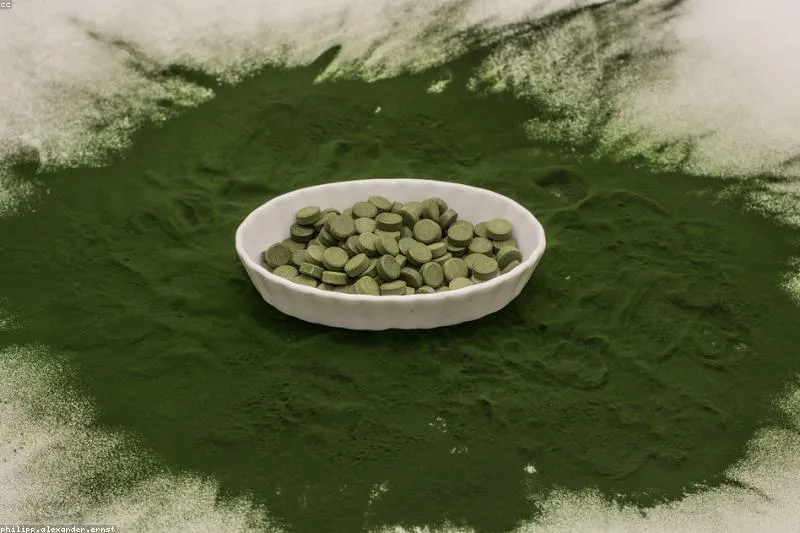
- Chlorella (green microalga rich in chlorophyll)
- Spirulina (blue-green microalga)
- Larger seaweeds: wakame, nori, kombu (in moderation, can have excess iodine)
Fruits Rich in Pectins
- Apples (especially skin), pears, citrus, berries
- Pectin binds metals in the gut
Seeds and Nuts
- Flaxseeds, chia seeds, walnuts, almonds
- Fiber, omega 3 fatty acids, antioxidants
Sulfur-Rich Foods
- Onion, garlic, leek, eggs, cruciferous vegetables
- Support glutathione synthesis (the most important internal detoxifier)
Spices
- Turmeric, ginger, rosemary, thyme, oregano
- Antioxidants, anti-inflammatory, hepatoprotective
What to Avoid
- Large predatory fish (canned tuna, swordfish, shark)
- Brown rice in large amounts from uncertain sources
- Alcohol (overloads the liver)
- Ultra-processed foods
- Deodorants and cosmetics with aluminum
Herbs and Supplements with Natural Chelating Effect
Chlorella (Chlorella pyrenoidosa or vulgaris)
- Microalga with proven ability to bind mercury, lead, cadmium in gut
- Dose: 1-3 g daily, building gradually
- Prefer broken cell wall forms
- Start with 500 mg daily and increase over 2-3 weeks
- Protocol duration: 3 to 6 months
Cilantro (Tincture or Extract)
- Fresh cilantro tincture, 10-20 drops 3 times daily, diluted in water
- Always paired with chlorella to prevent metal redistribution
- Klinghardt protocol: cilantro + chlorella
Zeolite (Clinoptilolite)
- Natural mineral with porous structure capturing heavy metals and toxins
- Dose: 500 mg to 3 g daily, between meals, with plenty of water
- Prefer certified nanoparticle or micronized forms
Alpha-Lipoic Acid (ALA)
- Powerful antioxidant, can cross the blood-brain barrier
- Dose: 100 to 300 mg daily, with meal
- Caution: may redistribute mercury if taken improperly; consult a doctor
Glutathione (S-Acetyl or Liposomal)
- The most important internal antioxidant
- Dose: 250-500 mg daily
- Supports hepatic detoxification
N-Acetylcysteine (NAC)
- Glutathione precursor
- Dose: 600-1200 mg daily
Vitamin C
- 1000-3000 mg daily, split
- Antioxidant, supports chelation
Selenium
- Binds mercury, forming non-toxic compounds
- Dose: 100-200 mcg daily (preferably from Brazil nuts: 1-2 nuts daily)
Magnesium
- 300-500 mg daily, aids liver and general detoxification
Bioavailable Silica
- Binds aluminum and promotes its elimination
- Silica-rich mineral water or supplements
- Horsetail tea
Wild Garlic (Allium ursinum)
- Rich in sulfur, binds heavy metals
- Eaten fresh in spring, in salads or pesto
Prudent Protocols and Common Mistakes
Golden Rule of Detoxification
Heavy metal elimination should not be rushed. Rapid “release” from a tissue store without adequate elimination capacity can redirect metals into sensitive organs (brain, kidneys) and worsen symptoms. Proper detoxification is done slowly, progressively, with support of elimination organs.
General Prudent Protocol (Informational, Not Prescriptive)
- Preparation phase (2-4 weeks): diet optimization, hydration, probiotics, fiber, daily cruciferous vegetables, glutathione and NAC for liver support.
- Gentle elimination phase (8-12 weeks): gradual introduction of chlorella (0.5-3 g/day), cilantro (tincture 10-20 drops x 3), zeolite (if tolerated).
- Intensive phase (if warranted, under supervision): ALA, Cutler-type protocols, pharmaceutical chelators (medical only).
- Maintenance phase: clean diet, 2 chlorella/zeolite cycles per year.
Common Mistakes
- Starting with high doses: can cause Herxheimer reactions (acute poisoning symptoms: headaches, nausea, skin rashes)
- Neglecting elimination: if the gut is sluggish, metals are reabsorbed. Ensure 1-2 bowel movements daily.
- Lack of monitoring: test yourself periodically, under medical guidance.
- Aggressive self-medication with DMSA or other pharmaceutical chelators: can have serious adverse effects.
- Quitting immediately: detoxification takes months, not weeks.
- Ignoring amalgam fillings: if you have amalgam fillings, removing metals without properly addressing sources is pointless; but amalgam removal should only be done by specialized dentists with protection protocol.
Prevention and Lifestyle Tips
At Home
- Water filtration (activated carbon + reverse osmosis for arsenic and lead)
- Avoid aluminum cookware (use stainless steel, cast iron, unglazed lead-free ceramic)
- Avoid aluminum foil with acidic foods (lemon, tomato, vinegar)
- Check old paint if living in pre-1980 buildings
- Clean often, especially if you have crawling children
Nutrition
- Small fish (sardines, mackerel, herring) instead of tuna and swordfish
- Choose white rice over brown if source is unknown; wash rice thoroughly before cooking
- Buy vegetables and fruits from clean sources, ideally organic
- Reduce low-quality dark chocolate intake
Cosmetics
- Aluminum-free deodorants (widely available)
- Certified cosmetics, especially lipsticks and foundations
- Natural hair dyes (henna, indigo)
Smoking
- One of the largest cadmium sources; quit smoking
Occupational
- If you work in exposure industries (smelting, painting, batteries, restoration), use protective equipment, test annually, follow workplace hygiene protocols
Children
- Quality, tested toys
- Frequent hand washing
- Clean diet, especially during growth years
Conclusion
Heavy metal poisoning is a modern reality we can manage with knowledge and prudence. Prevention is key, and for those exposed, natural detoxification is done slowly, gradually, with dietary support, chelating herbs, and well-supported elimination organs. Chlorella, cilantro, zeolite, glutathione, cruciferous vegetables, garlic, and antioxidant nutrition form the base. But in real, diagnosed poisoning, specialized medical help is mandatory. Do not improvise aggressive protocols. Patience and consistency bring lasting results.
Frequently Asked Questions
How do I know if I have accumulated heavy metals? Only through medical tests (blood, urine, hair test). Symptom-only self-diagnosis is unreliable because symptoms are nonspecific. Request evaluation from an informed doctor.
Is chlorella safe long-term? At usual doses (1-3 g/day), yes. Choose quality, certified products free of metal contamination themselves (paradoxically, poor-quality chlorella can be contaminated). One-month breaks after 3 months of use are recommended.
Can I detox during pregnancy? No. Metal release during pregnancy can affect the fetus. If you have confirmed poisoning during pregnancy, only a specialist can manage the situation. Detoxification is planned before conception.
Should I remove my amalgam fillings? If you have symptoms and amalgams are a likely source, yes, but only with a certified dentist using SMART protocol (Safe Mercury Amalgam Removal Technique). Improper removal can release a lot of mercury.
Is daily cilantro good? In normal amounts (a few bunches weekly in food), yes. As a chelation protocol (tincture, concentrated doses), it requires planning, obligatorily paired with chlorella to avoid metal redistribution.
How many months does a proper detox take? Between 3 and 12 months, depending on exposure level, age, state of elimination organs, and metals involved. Bone-stored metals (lead) may require years of gradual elimination.
MEDICAL DISCLAIMER: The information in this article is for general guidance. Heavy metal toxicity is a medical condition requiring diagnosis and medical supervision. Do not start detox protocols without prior evaluation. Improper detoxification can release metals quickly and cause neurological, renal, or hepatic damage. Children, pregnant or nursing women, and people with chronic diseases should not do aggressive detoxifications. Consult a doctor with expertise in toxicology or environmental medicine.