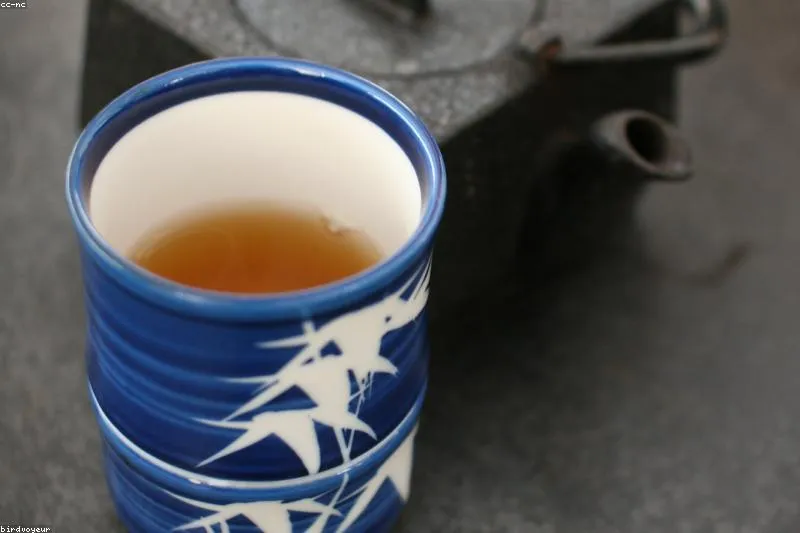

Natural remedies for hemochromatosis (iron overload)
IMPORTANT: Hemochromatosis is a serious medical condition, most often genetic (HFE mutation), in which the body absorbs and stores excessive amounts of iron, leading over time to damage of the liver (cirrhosis, liver cancer), pancreas (“bronze diabetes”), heart (cardiomyopathy, arrhythmias), joints (arthropathy), skin (bronze pigmentation) and endocrine system (hypogonadism, hypothyroidism). The main treatment is MEDICAL: phlebotomies (repeated blood draws) prescribed and supervised by a doctor, sometimes iron chelators. The natural remedies described here are STRICTLY adjuvant, useful alongside medical treatment, never instead. Do not make therapeutic decisions on your own. If your ferritin is elevated, consult a doctor (hepatologist, internist or geneticist) for correct diagnosis and follow-up plan.
In my grandmother’s village there lived a strong man with unusually bronzed skin, whom everyone called “Rusty Vasile.” He had joint pain, diabetes, and his liver and heart were suffering. Only toward age 60, a city doctor discovered that Vasile had “the iron disease,” hereditary hemochromatosis. It was not sun tanning, not normal aging. It was iron accumulated in tissues over decades, changing his skin color and attacking his organs.
Hereditary hemochromatosis is one of the most common genetic diseases in populations of northern European origin (about 1 in 200 people), but it is dramatically underdiagnosed. The good news is that, if caught early, it is easy to treat through repeated blood donations (phlebotomies). The associated diseases, many and serious, can be prevented or substantially improved.
Besides phlebotomies and, sometimes, iron chelators, diet and a few natural remedies can help reduce iron absorption from food and protect the liver. In this article you will find information about causes, symptoms and, most importantly, what foods and healthy habits can complement medical treatment. We emphasize once again: nothing here replaces medical consultation and regular monitoring of ferritin and transferrin saturation.
Table of contents
- What is hemochromatosis
- Causes and types of hemochromatosis
- Symptoms and clinical signs
- Diagnosis: essential tests
- Remedy 1: Phlebotomy (therapeutic blood donation)
- Remedy 2: Green tea and polyphenols
- Remedy 3: Curcumin from turmeric
- Remedy 4: Foods that reduce iron absorption
- Remedy 5: Avoiding vitamin C at meals and iron supplements
- Remedy 6: Liver protection with hepato-protective foods
- Remedy 7: Exercise and lifestyle
- What to absolutely avoid
- Conclusion
- Frequently asked questions
What is hemochromatosis
Hemochromatosis is a disease in which iron accumulates in excess in organs. Normally, the body strictly regulates intestinal iron absorption: when stores are full, the intestinal wall blocks absorption. In people with hemochromatosis, this “thermostat” is defective due to a genetic mutation, and iron penetrates continuously, depositing in the liver, pancreas, heart, joints, pituitary gland and skin.
Excess iron is not inert. It generates free radicals through Fenton reactions, damaging DNA, proteins and membrane lipids. Tissues undergo a biological “rusting,” with chronic inflammation, fibrosis and, ultimately, organ dysfunction. The liver suffers most, possibly developing cirrhosis even without alcohol consumption, and the risk of hepatocellular carcinoma increases hundreds of times.
Causes and types of hemochromatosis
Hereditary hemochromatosis (primary)
The most common form. It is caused by mutations in genes involved in iron metabolism:
- HFE (C282Y, H63D): the classic form, type 1. Prevalence of C282Y homozygotes is 0.3-0.5% in northern European populations.
- HJV (hemojuvelin): type 2A, juvenile form, appears in young people
- HAMP (hepcidin): type 2B, juvenile form
- TFR2 (transferrin receptor 2): type 3
- SLC40A1 (ferroportin): type 4
Secondary hemochromatosis
Appears from acquired causes:
- Anemias with ineffective erythropoiesis: major thalassemia, sideroblastic anemia
- Multiple blood transfusions
- Chronic iron overdose (supplements, excessive diet)
- Chronic liver diseases: hepatitis C, alcoholic liver disease, steatohepatitis
- Porphyria cutanea tarda
- Gastric surgical interventions
Symptoms and clinical signs
Signs appear slowly, usually after ages 40-50 in men (women are protected by menstruation until menopause):
- Persistent fatigue, without apparent cause
- Joint pain, especially in the hand joints (“rusty hand”)
- Bronze skin, hyperpigmented, especially in exposed areas
- Diabetes mellitus, known as “bronze diabetes”
- Enlarged liver, right upper quadrant pain, elevated liver enzymes
- Cardiac problems: arrhythmias, heart failure
- Low libido, impotence, irregular menstruation
- Depression, memory disturbances
- Loss of body and pubic hair
- Hypothyroidism
Diagnosis: essential tests
- Serum ferritin: elevated (over 300 ng/ml in men, over 200 in women). In advanced hemochromatosis, values can exceed 1000 ng/ml.
- Transferrin saturation: over 45% is suspicious, over 55% is nearly diagnostic.
- HFE genetic testing: C282Y and H63D
- Liver enzymes: elevated ALT, AST
- Blood glucose: to exclude associated diabetes
- Hepatic ultrasound or MRI: for evaluation of iron deposits (T2*)
- Liver biopsy: in selected cases, for evaluating the degree of fibrosis
Remedy 1: Phlebotomy (therapeutic blood donation)
Phlebotomy is the standard first-line treatment for hereditary hemochromatosis. It is, paradoxically, also one of the most “natural” therapies: you take out iron-loaded blood, the body regenerates fresh blood using its reserves, and deposits gradually decrease.
How it is done
- In the reduction phase (de-ironing): 1 phlebotomy of 450-500 ml per week or every 2 weeks, until ferritin drops below 50 ng/ml
- In the maintenance phase: 1 phlebotomy every 2-4 months, for life, to keep ferritin within normal limits
- Hemoglobin, ferritin, transferrin saturation are monitored every few phlebotomies
- Patients hydrate well before and after and can return to normal activities within hours
Benefits
- Dramatically lowers risk of cirrhosis, diabetes, cardiac problems
- Improves fatigue, pigmentation and blood glucose levels
- It is virtually without side effects when done correctly
- In many countries, donated blood is used for patients who need transfusions
Remedy 2: Green tea and polyphenols
Tannins and polyphenols in green and black tea bind non-heme iron (from plants) in the intestine and reduce its absorption by 40-80%. It is one of the most powerful dietary “antidotes” against iron absorption.
How to use it
- A cup of green tea with each main meal: reduces iron absorption from that meal
- Black tea after meals: similar effect, due to tannins
- Stronger infusion: steep tea for 5-10 minutes to maximize polyphenols
- No lemon in tea with meals: lemon would increase iron absorption, canceling the effect
Other polyphenol-rich drinks
- Coffee: reduces iron absorption by 39-72%, but in moderation (maximum 3 cups per day)
- Unsweetened cocoa: similar polyphenols
- Herbal teas: rosemary, mint, sage
Caution
In people with iron-deficiency anemia, this strategy would be harmful. But in hemochromatosis, that is exactly what we want: to limit dietary iron intake.
Remedy 3: Curcumin from turmeric
Curcumin, the active compound from turmeric root, is a natural iron chelator and a powerful anti-inflammatory. In vitro and animal studies have shown it can reduce hepatic iron deposits, and human research is promising (but does not replace phlebotomy).
How to consume it
- Turmeric latte: 1 teaspoon of turmeric powder in warm milk (or plant milk) with a drop of coconut oil and a pinch of black pepper. Pepper increases absorption by 2000% (through piperine).
- In food: added to soups, rice, curry, stews.
- Capsules with standardized curcumin: 500-1000 mg/day, preferably with piperine or liposomal formulas, with medical advice.
Additional benefits
- Protects the liver (reduces hepatic enzymes, inflammation)
- Powerful antioxidant, neutralizes free radicals produced by iron
- Natural anti-inflammatory, useful for joint pain associated with hemochromatosis
Precautions
Curcumin can interact with anticoagulants (increases their effect) and is not recommended for those with gallstones. Consult your doctor before taking large doses.
Remedy 4: Foods that reduce iron absorption
Foods with phytates
- Whole grains: barley, oats, wheat bran
- Legumes: beans, lentils, chickpeas
- Flax seeds, sesame seeds
- Nuts: almonds, hazelnuts, coconut
Foods with oxalates
- Cooked spinach, rhubarb, beets
- Unsweetened cocoa
Calcium-rich foods
- Dairy: yogurt, milk, cheese with main meals, reduce iron absorption by 50-60%
- Calcium supplements with meals
Eggs with yolk
Phosvitin in yolk binds iron and reduces absorption.
How to build an “anti-iron” meal
- Whole-grain bread with seeds (phytates)
- Cheese or yogurt (calcium)
- Salad with cooked spinach (oxalates)
- Green tea (polyphenols)
- A little turmeric in preparations
Remedy 5: Avoiding vitamin C at meals and iron supplements
Vitamin C (ascorbic acid) increases non-heme iron absorption by up to 400% when consumed together with a meal. For healthy people it is beneficial; for those with hemochromatosis it is dangerous.
What to avoid
- Orange juice or citrus juice at meals with iron content
- Vitamin C supplements over 200 mg/day without medical advice
- Multivitamins with iron or similar tonics
- Iron-fortified breakfast cereals
- Iron or “mineral complex” supplements, any form
How to safely consume vitamin C
- If you need vitamin C (for colds, immunity), take it between meals (2-3 hours apart)
- Prefer food sources with moderate content (bell pepper, broccoli) over supplements
- Avoid large doses (over 500 mg/day) even between meals without medical indication
Remedy 6: Liver protection with hepato-protective foods
Excess iron attacks the liver first. That is why people with hemochromatosis benefit from a hepato-protective diet.
Beneficial foods
- Milk thistle (Silybum marianum): tea or supplement with silymarin (150-300 mg/day), protects liver cells
- Artichoke: tea or extract, supports detoxification
- Dandelion: raw leaves in salads, root as decoction
- Beetroot: raw, as juice or cooked, supports liver function (watch oxalates)
- Broccoli and crucifers: sulforaphane supports phase II detoxification enzymes
- Extra virgin olive oil: hepatic anti-inflammatory effect
- Garlic: allicin supports detoxification
What to avoid
- Alcohol: synergizes destructively with iron, accelerates cirrhosis. Many hepatologists recommend total abstinence for hemochromatosis patients.
- Excess sugar, fructose-containing drinks: aggravate hepatic steatosis
- Processed foods, trans fats
- High-dose paracetamol (acetaminophen): hepatotoxic
Remedy 7: Exercise and lifestyle
Regular aerobic physical activity is beneficial in hemochromatosis through several mechanisms:
- Improves insulin sensitivity (prevents associated diabetes)
- Supports cardiac function
- Lowers systemic inflammation
- Improves mood, fights depression associated with the disease
- Improves sleep quality
Recommendations
- At least 150 minutes/week of moderate aerobic activity (brisk walking, cycling, swimming)
- 2 sessions/week of resistance exercises (weights, yoga, Pilates)
- Avoid extreme sports or those that require large iron reserves (rarely problematic)
- Manage stress through meditation, conscious breathing, enjoyable activities
What to absolutely avoid
- Iron supplements of any kind (only with strict medical indication)
- Excess red meat (over 2-3 portions/week), especially very rare or grilled
- Organ meats (liver, kidneys) that we recommended in other articles, here are contraindicated
- Supplemental vitamin C at meals
- Alcohol: especially for those with established liver damage
- Raw oysters and shellfish: risk of Vibrio vulnificus infection, very serious in those with hemochromatosis
- Standard multivitamins with iron: read labels
- Iron-enriched water (from old pipes or inadequate filters)
- Iron-fortified cereals: read labels
Conclusion
Hemochromatosis is not a disease to be ashamed of or to neglect. Discovered early, it is extremely treatable through simple therapeutic blood donation. Untreated, it becomes destructive: cirrhosis, diabetes, cardiac problems, arthrosis, depression. Between these two extremes stands your informed and disciplined choice.
The natural remedies described here, from green tea to turmeric, from a diet with phytates and calcium to avoiding vitamin C at meals, are complementary to phlebotomies. They help keep deposits low between phlebotomies, protect the liver from oxidation and maintain good quality of life. But nothing, absolutely nothing, replaces regular medical follow-up: tests every 3-6 months, hepatologist consultations, adapting the plan based on progress.
If you have blood relatives with hemochromatosis or a family history of unexplained liver diseases, ask your family doctor to prescribe a ferritin and transferrin saturation test. It is a simple test that can save lives. And if the results indicate iron excess, confidently follow the medical plan, supplemented by balanced nutrition, an active lifestyle and attention to details.
Frequently asked questions
1. Can I donate blood at a transfusion center even though I have hemochromatosis?
Yes, in most countries, transfusion centers accept blood from patients with treated hereditary hemochromatosis, provided ferritin is within or near normal limits and the patient is stable. Their blood is used normally for patients in need, and for them, donation is exactly the treatment they need. It is a “win-win” situation. Check with the local center for specific conditions.
2. Can I eat red meat if I have hemochromatosis?
Yes, but in moderation. Red meat contains heme iron, which is absorbed 2-3 times more efficiently than non-heme iron from plants. A small portion (80-100 g) 1-2 times a week is acceptable for most patients. Prefer white meat (chicken, turkey), fish and plant protein sources (legumes with phytates, which absorb less). Consult your doctor for individualized recommendations.
3. If I drink green tea at every meal, can I reach anemia?
People with hemochromatosis do not develop iron-deficiency anemia except after intensive phlebotomies, because their reserves are enormous. Green tea at meals reduces absorption, but not to dangerous levels. However, in maintenance phases, if you reach very low ferritin (under 20 ng/ml), talk to your doctor for adjustment. In vegetarians with hemochromatosis, attention must be greater.
4. My children have a 5% and 10% chance of being affected if I have the HFE mutation. How do I proceed?
Hereditary hemochromatosis is transmitted autosomal recessively. If both parents are carriers (heterozygotes), the risk that a child is homozygous (affected) is 25%. If one parent is homozygous, the children will be at least carriers, and if the other parent is a carrier, they have 50% chance of being affected. Genetic counseling and genetic testing for children starting at age 18-20 (or earlier if symptoms appear) are recommended. Ferritin monitoring is then done regularly.
5. Is there a definitive cure for hemochromatosis?
There is no “genetic cure,” because the mutation remains in the DNA. But through correct and sustained treatment (regular phlebotomies, careful diet, monitoring), life expectancy and quality of life can be completely normal. Patients diagnosed before the onset of complications have a prognosis as good as the general population. If cirrhosis, diabetes or cardiac problems are already present, the prognosis depends on stage and response to treatment. That is why early diagnosis is key.