
Natural Remedies for High Cholesterol
High cholesterol is a “silent killer” — it causes no pain, no symptoms, but every day it deposits plaques on artery walls, increasing the risk of heart attack and stroke. The good news is that diet and natural remedies can make a significant difference, especially for mildly to moderately elevated cholesterol. Our grandmothers, who ate garlic, walnuts, and oat porridge daily, had — without knowing it — an almost perfect dietary regimen for cardiovascular health. In nature’s pharmacy, we find scientifically validated ingredients that reduce “bad” cholesterol and increase “good” cholesterol.
IMPORTANT: The natural remedies presented in this article are COMPLEMENTARY to medical treatment, not a replacement. If your doctor has prescribed statins or other cholesterol medications, continue your medical treatment and discuss with your doctor any supplement or natural remedy you wish to add. Never discontinue medical treatment on your own.
LDL vs HDL — Why the Ratio Matters
Not all cholesterol is harmful. The body produces cholesterol in the liver and uses it for essential functions: building cell membranes, producing hormones (testosterone, estrogen, cortisol), synthesizing vitamin D, and producing bile acids needed for fat digestion.
LDL (Low-Density Lipoprotein) — “bad cholesterol”: Transports cholesterol from the liver to tissues. When in excess, it deposits on artery walls, forming atherosclerotic plaques that narrow blood vessels. Ideal value: below 100 mg/dL (below 70 mg/dL for those with high cardiovascular risk).
HDL (High-Density Lipoprotein) — “good cholesterol”: Functions as a “garbage truck” — it collects excess cholesterol from artery walls and transports it back to the liver for elimination. Ideal value: above 60 mg/dL.
Triglycerides: Another type of blood fat, elevated by sugar, alcohol, and refined carbohydrate consumption. Ideal value: below 150 mg/dL.
Total cholesterol/HDL ratio: This is more important than individual numbers. A ratio below 4:1 indicates low cardiovascular risk. For example, a total cholesterol of 220 mg/dL with HDL of 70 mg/dL (ratio 3.1:1) is better than a total cholesterol of 200 mg/dL with HDL of 35 mg/dL (ratio 5.7:1).
Remedy 1: Oats — The Power of Beta-Glucans
Oats are the “star” of the anti-cholesterol diet, and rightfully so. They contain beta-glucans, a soluble fiber that forms a gel in the intestine, trapping bile acids (produced from cholesterol) and eliminating them through stool. The liver is thus forced to use cholesterol from the blood to produce new bile acids, reducing LDL levels.
Studies show that 3 grams of beta-glucans per day (equivalent to 60-80 g of oat flakes) can reduce LDL by 5-10% in 4-6 weeks.
Classic morning porridge:
- 80 g of oat flakes (not instant — thick-cut varieties contain more beta-glucans)
- 300 ml water or plant-based milk
- 1 teaspoon cinnamon (which also helps regulate blood sugar)
- 1 tablespoon ground flaxseeds
- A handful of berries (blueberries, raspberries)
- Optional: 1 tablespoon honey or maple syrup
- Cook oats in liquid for 5-7 minutes on low heat, stirring. Add the remaining ingredients.
Anti-cholesterol oat smoothie:
- 40 g oat flakes (soaked for 10 minutes in water)
- 1 banana
- 100 g blueberries (fresh or frozen)
- 200 ml almond milk
- 1 tablespoon ground flaxseeds
- 1 teaspoon unsweetened cocoa powder (rich in flavonoids)
- Blend everything for 1 minute. Drink immediately.
Frequency: Daily. Oats must be consumed consistently for at least 4 weeks to see results in blood tests.
Remedy 2: Garlic — Allicin in Action
Garlic is one of the most studied foods in the world in relation to cardiovascular health. The main active component, allicin, forms when garlic is crushed or chopped and left in air for 10-15 minutes (time needed for the enzyme alliinase to convert alliin into allicin). Allicin inhibits the enzyme HMG-CoA reductase (the same enzyme that statins block), reduces LDL oxidation (oxidized LDL is what deposits on arteries), and has a mild anticoagulant effect.
Optimal dosage: 2-3 raw garlic cloves per day, crushed and left in air for 10-15 minutes before consumption. They can be swallowed with water if the taste is too strong, or added to salads, pasta, or hummus.
Classic garlic and lemon remedy:
- 30 garlic cloves, peeled
- 5 organic lemons, sliced (with peel)
- 1 liter of water
- Blend the garlic with lemons and water. Put on heat and bring to just below boiling (do not boil!). Strain, pour into glass bottles, and store in the refrigerator.
- Drink one small glass (50 ml) per day, on an empty stomach in the morning. The course lasts 3 weeks, then a 1-week break.
Warning: Garlic has an anticoagulant effect — stop consumption 2 weeks before any surgical procedure. Do not combine in large doses with anticoagulant medications (Warfarin, Aspirin) without your doctor’s approval.
Remedy 3: Walnuts — Good Fats for the Heart
Walnuts are an excellent source of plant-based omega-3 fatty acids (alpha-linolenic acid), phytosterols (which block cholesterol absorption in the intestine), fiber, and arginine (an amino acid that helps arteries remain flexible). A study published in the New England Journal of Medicine showed that daily nut consumption reduces cardiovascular risk by 30%.
Dosage: 30-40 g per day (approximately one handful or 7-8 walnut halves). Eat them raw, unroasted, unsalted — roasting destroys omega-3 fatty acids.
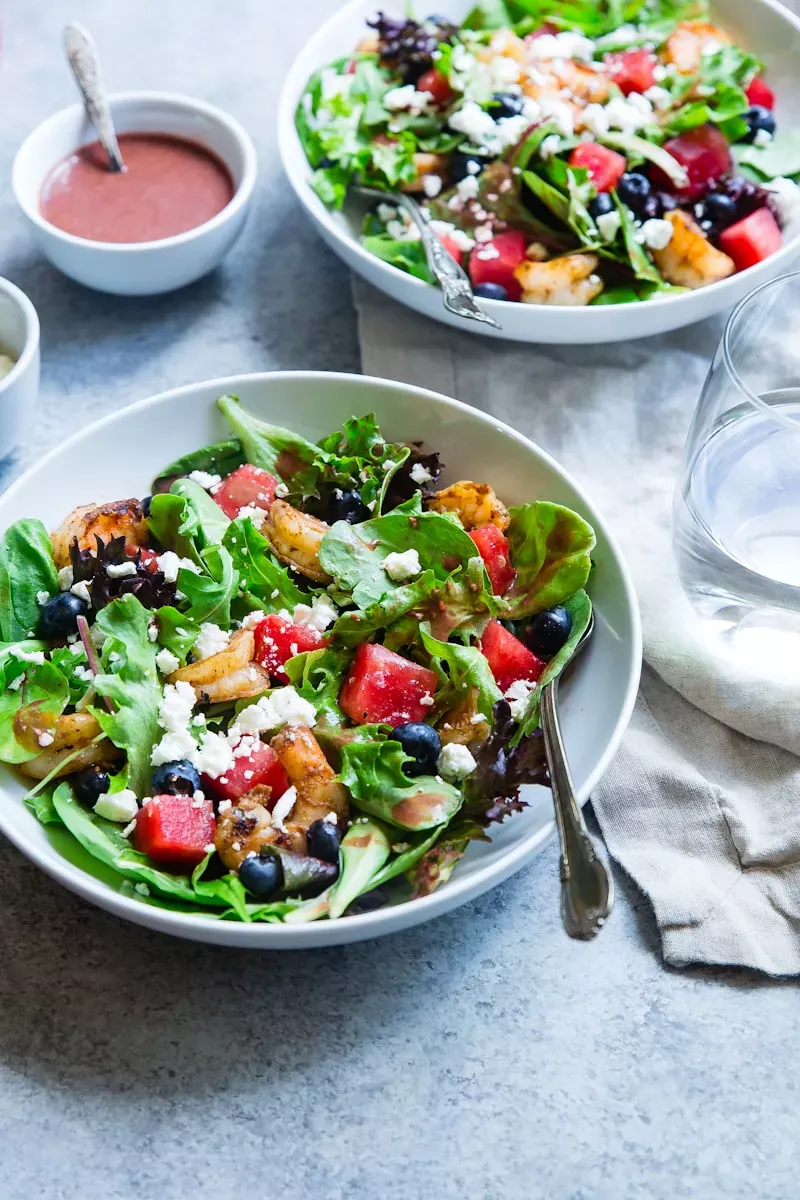
Anti-cholesterol salad with walnuts and seeds:
- A handful of fresh spinach and arugula
- 30 g crushed walnuts
- 1 tablespoon flaxseeds
- 1 tablespoon sunflower seeds
- 1/2 avocado (rich in monounsaturated fats)
- 10 cherry tomatoes
- Dressing: 2 tablespoons extra virgin olive oil + lemon juice + 1 grated garlic clove
Other beneficial nuts: almonds (rich in vitamin E), Brazil nuts (selenium — maximum 3 per day), pecans, pistachios (unsalted).
Warning: Nuts are caloric (approximately 650 kcal per 100 g). Respect the 30-40 g portion and replace other snacks rather than adding extra.
Remedy 4: Flaxseeds — Plant-Based Omega-3
Flaxseeds are one of the richest plant sources of alpha-linolenic acid (ALA, a type of omega-3), lignans (antioxidants that reduce vascular inflammation), and soluble fiber. Studies show that 30 g of ground flaxseeds per day can reduce total cholesterol by 7-10% and LDL by 10-15% in 3 months.
Important: Flaxseeds must be consumed GROUND, not whole. Their tough shell is not digested by the stomach, and nutrients remain locked inside. Grind fresh in a coffee grinder (enough for 2-3 days) and store in the refrigerator in a sealed container.
Dosage: 2 tablespoons (30 g) of ground flaxseeds per day. Add to oat porridge, yogurt, smoothies, or salads. Do not cook at high temperatures — add to already prepared dishes.
Simple preparation: 2 tablespoons ground flaxseeds mixed into 200 ml natural yogurt with a teaspoon of honey and a handful of blueberries. An ideal between-meal snack.
Warning: Flaxseeds have a mild laxative effect due to their fiber content. Start with 1 tablespoon per day and increase gradually. Drink plenty of water. They may interact with anticoagulant medications and affect absorption of other medications — consume 2 hours apart.
Remedy 5: Artichoke Tea (Cynara scolymus)
Artichoke leaves contain cynarin and chlorogenic acid, compounds that stimulate bile production in the liver (choleretic) and its release (cholagogue). Bile is produced from cholesterol, so the liver uses more cholesterol from the blood. Additionally, cynarin inhibits cholesterol synthesis in the liver. Clinical studies have demonstrated that artichoke extract can reduce total cholesterol by 5-13% in 6-12 weeks.
Ingredients:
- 2 teaspoons dried artichoke leaves
- 250 ml boiling water
- Optional: honey or lemon juice (the tea has a bitter taste)
Preparation: Pour boiling water over the artichoke leaves, cover, and steep for 10-15 minutes. Strain.
Dosage: 2-3 cups per day, 30 minutes before main meals. The bitter taste also stimulates digestion.
Duration: 6-8 week courses, with 2-week breaks between courses.
Warning: Contraindicated for people with gallstones, as bile stimulation can trigger biliary colic. Contraindicated during pregnancy and breastfeeding. Do not combine with liver-metabolized medications without your doctor’s approval.
Remedy 6: Fish Oil and Omega-3
Omega-3 fatty acids (EPA and DHA) from fatty fish or supplements have a powerful triglyceride-lowering effect (15-30%), slightly increase HDL, reduce vascular inflammation, and make blood less viscous, reducing clot risk. They do not significantly reduce LDL, but they change LDL particles from small, dense ones (the most dangerous) to large, “fluffy” ones (less dangerous).
From diet: 2-3 servings of fatty fish per week are recommended: salmon, sardines, mackerel, herring, trout. One serving = 150-200 g. Wild fish is preferable to farmed.
Supplements: 1000-2000 mg omega-3 per day (containing at least 500 mg combined EPA + DHA). Take with meals for better absorption. Choose supplements tested for heavy metals and purity.
Plant-based alternative: Algae oil (contains DHA directly), flaxseeds (ALA), chia seeds, walnuts.
Warning: High doses of omega-3 (over 3000 mg/day) may increase bleeding risk. Stop 2 weeks before surgical procedures. Consult your doctor if taking anticoagulants.
Sample Meal Plan — One Anti-Cholesterol Day
Breakfast (7:00-8:00 AM):
Oat porridge (80 g flakes) with almond milk, 1 tablespoon ground flaxseeds, cinnamon, blueberries, and a teaspoon of honey. A cup of green tea.
Snack (10:30 AM):
A handful of walnuts (30 g) and an apple.
Lunch (1:00 PM):
Grilled salmon (150 g) with spinach salad, avocado, cherry tomatoes, walnuts, and olive oil-lemon dressing. A slice of whole grain bread.
Snack (4:00 PM):
Anti-cholesterol smoothie (oats, banana, blueberries, flaxseeds, almond milk).
Dinner (7:00 PM):
Lentil soup with garlic and turmeric. Eggplant dip (baba ganoush) with whole grain bread. Artichoke tea.
Key principles:
- Replace saturated fats (butter, cream, fatty meat) with unsaturated fats (olive oil, avocado, nuts)
- Eliminate trans fats (margarine, processed products, fast food)
- Increase soluble fiber (oats, legumes, fruits)
- Reduce refined sugar (raises triglycerides)
- Limit alcohol (maximum 1 glass of red wine per day — resveratrol has a protective effect)
Lifestyle Matters
Beyond diet, these habits can reduce cholesterol:
- Exercise: 30 minutes of brisk walking, running, cycling, or swimming, 5 times per week. Exercise increases HDL by 5-10%.
- Stress reduction: Chronic stress raises cortisol, which stimulates the liver to produce more cholesterol. Meditation, yoga, or simply walking in nature helps.
- Quitting smoking: Smoking lowers HDL and oxidizes LDL, making it more dangerous. One year after quitting, HDL increases significantly.
- Maintaining optimal weight: Losing just 5-10% of body weight (for overweight individuals) can reduce LDL by 5-8%.
When to See a Doctor
Check cholesterol through blood tests (lipid panel) at least once a year after age 40, or earlier if you have a family history. Seek urgent medical attention if:
- Total cholesterol exceeds 300 mg/dL
- You experience chest pain, difficulty breathing, or sudden numbness (signs of a vascular event)
- You have a family history of heart attack or stroke at young ages (under 55 for men, under 65 for women)
Important note: Natural remedies are effective for mildly to moderately elevated cholesterol and as a supplement to medical treatment. Do NOT replace statins or other prescribed medications without your doctor’s approval. Severely elevated cholesterol or high cardiovascular risk requires pharmaceutical treatment.