
Natural Remedies for Intestinal Parasites
IMPORTANT: Before starting any antiparasitic treatment, it is recommended to have stool tests (parasitology, preferably 3 samples on different days) and possibly blood tests to identify exactly the type of parasite. Some serious infestations (tapeworm, massive giardia, complicated ascariasis) require specific medical treatment, and natural remedies can only be complementary. If you have severe abdominal pain, drastic weight loss, blood in stool or neurological symptoms, see a doctor urgently.
Intestinal parasites are far more common than you might think, even in developed countries and families with excellent hygiene. It is estimated that roughly a third of the world’s population has, at some point, some form of intestinal parasitosis. The most common ones are: pinworms (Enterobius vermicularis, especially in children), roundworms (Ascaris lumbricoides), giardia (Giardia lamblia), tapeworms (Taenia saginata and solium) and trichinella (from improperly cooked pork or wild boar).
Symptoms can be subtle and easily confused with something else: unexplained fatigue, chronic bloating, anal itching (especially at night, typical of pinworms), increased or decreased appetite, vague abdominal pain, irregular stools, anemia, irritability, frequent nose scratching, teeth grinding during sleep in children, even skin rashes or allergic states. My grandmother had a saying: “if the child keeps rubbing his nose and does not sleep well, look for the worms”. She was right, those signs are typical for pinworms.
In the countryside, deworming was a seasonal routine, usually spring and fall, with simple remedies passed down through generations. Many of them have been validated by modern science. Here is what is worth knowing and using.
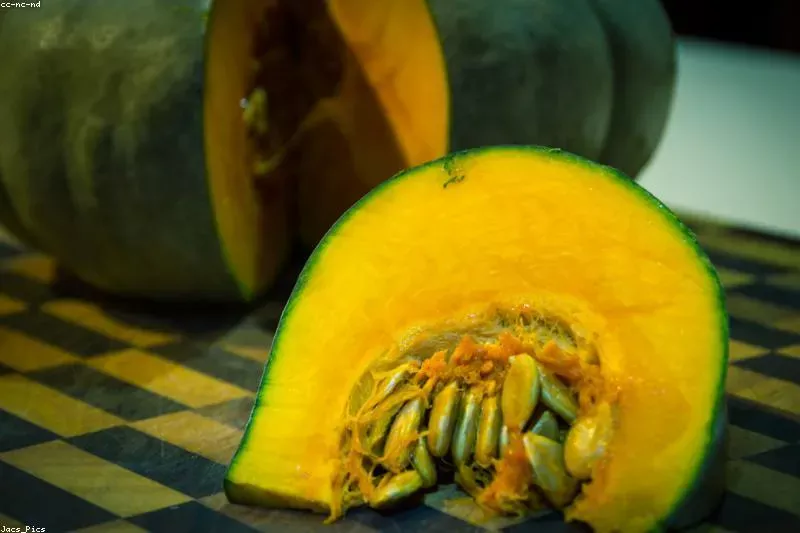
Remedy 1: Raw Pumpkin Seeds, The Old Romanian Cure
Pumpkin seeds (Cucurbita pepo) are probably the best known and most effective traditional remedy for intestinal parasites. They contain cucurbitin, an amino acid that paralyzes the muscles of parasites (especially tapeworms and nematodes), preventing them from attaching to the intestinal wall. Then, together with a mild laxative, they are eliminated.
How to prepare and use
- Ingredients: 100-150 g raw fresh pumpkin seeds, peeled (not roasted, not salted, not seasoned). Ideally, seeds from a homegrown pumpkin, peeled by hand.
- For adults: Eat in the morning on an empty stomach, chewed very well, with a cup of warm water. Do not eat anything else for 3-4 hours. After that, take a gentle laxative (1 tablespoon castor oil or 1 cup senna tea) to speed up elimination of paralyzed parasites.
- For children over 5: Half the adult dose (50-75 g), same protocol.
- Duration: Repeat the procedure for 3 consecutive days. Then break for 1 week and repeat the treatment to catch eggs that hatched in the meantime.
Why it works: Cucurbitin is completely harmless to humans but lethal to parasites. Clinical studies have confirmed pumpkin seed effectiveness against tapeworms and other intestinal worms, with success rates of 60-80% in mild to moderate infestations.
Honey version: For younger children who refuse plain seeds, grind raw pumpkin seeds in a coffee grinder and mix with honey in equal parts. Give one tablespoon in the morning on an empty stomach for 7-10 days.
Remedy 2: Wormwood, Bitter But Effective
Wormwood (Artemisia absinthium) is one of the most powerful antiparasitic plants in European herbalism. It contains absinthin, artemisinin and thujone, substances with proven vermifuge effects. Be careful though, wormwood must be used moderately because thujone in large amounts can be neurotoxic.
How to prepare the infusion
- Ingredients: 1 level teaspoon (no more!) of dried wormwood, 250 ml boiling water
- Preparation: Pour boiling water over wormwood, cover and steep 5-7 minutes (no more, to avoid extracting too much thujone). Strain.
- How to take it: Drink lukewarm, on an empty stomach in the morning. The taste is extremely bitter, but the bitterness is part of the effect. Can be sweetened with a little honey after cooling.
- Duration: Maximum 7 consecutive days. Then mandatory break of at least 2 weeks.
- Contraindications: Not for children under 12, pregnant or nursing women, people with epilepsy or liver problems.
Alternative: wormwood tincture
- Buy pre-made wormwood tincture from herbal stores (5-10 ml per dose, diluted in a little water, on an empty stomach)
- Duration and contraindications are the same
Traditional “Wormwood Complex”: In classical herbalism, wormwood is combined with cloves (which kill eggs) and green walnut hull (which kills adult forms). This triad, internationally known as the “Hulda Clark protocol”, targets all stages of parasite development simultaneously. It is available as a ready-made supplement.
Remedy 3: Garlic On An Empty Stomach
Garlic (Allium sativum) is a broad-spectrum natural antiparasitic, active against pinworms, roundworms, giardia and even some protozoa. Its active principle, allicin, released when garlic is crushed or cut, has strong antimicrobial effects. To be effective, garlic must be consumed raw and fresh.
Deworming protocol
- Daily: 2-3 cloves of raw crushed garlic on an empty stomach in the morning
- Preparation: Crush garlic with a knife, let it “breathe” for 10 minutes to form allicin (very important!), then swallow on an empty stomach with a little water. Alternatively, mix with honey (one teaspoon) for a milder taste.
- Duration: 10-14 day course.
- In the evening: You can do a gentle enema with water in which a crushed garlic clove has been boiled (100 ml water, 1 clove, boiled 5 minutes, cooled, strained). It is particularly effective against pinworms.
Garlic milk (traditional remedy): For children, grandmothers made this remedy: 250 ml warm milk in which 3-4 crushed garlic cloves were boiled for 5 minutes. Cooled and drunk in the morning on an empty stomach. The effect was surprising.
Note: Raw garlic in excess can irritate the stomach, especially in those with gastritis. Reduce the dose if you feel burning.
Remedy 4: Cloves For Parasite Eggs
Cloves (Syzygium aromaticum) are dried flower buds from a tropical tree, used for centuries as a spice and medicine. They contain eugenol, a substance with powerful antimicrobial, antifungal and antiparasitic properties. Unlike wormwood, which kills adult forms, cloves destroy parasite eggs, being essential for complete deworming without recurrence.
How to use them
- Powder form: 1/4 teaspoon freshly ground cloves (in a coffee grinder, immediately before use so eugenol stays maximally active) mixed into honey or yogurt
- Tea form: 2-3 whole cloves in 250 ml water, boiled 5 minutes, strained. One cup per day.
- Duration: 1 week continuously, then 2 weeks break, then another week. Repeat this cycle 3 times.
Complete protocol: Combine cloves with wormwood and green walnut for full coverage of the parasite life cycle. This is the classic approach of antiparasitic herbalism.
Remedy 5: Green Walnut Hull Tincture
Green walnut hull (Juglans regia or Juglans nigra), meaning the green casing that covers the walnut before it ripens, is a powerful traditional Romanian remedy. It contains juglone, a substance with strong antiparasitic, antifungal and antibacterial effects, plus astringent tannins.
How to prepare the tincture
- Ingredients: 10-15 green walnuts (picked at the end of June, while still green and soft), 500 ml 70° food alcohol (or good quality natural spirit)
- Preparation: Cut the walnuts into quarters (with gloves, because they stain the skin black). Put them in a jar and pour the alcohol over them. Let macerate 30 days in a dark place, shaking daily. Strain through dense cloth. Store in a dark bottle.
- How to take it: 5-10 drops diluted in a little water, 2-3 times a day before meals. The taste is bitter and astringent.
- Duration: 2-3 week course.
- Contraindications: Not for children under 12, pregnant women, people with acute gastritis.
Commercial version: Black walnut hull tincture from American herbalists is easy to find online and has standardized concentration.
Remedy 6: Thyme and Wild Thyme Tea
Thyme (Thymus vulgaris) and wild thyme (Thymus serpyllum) contain thymol and carvacrol, essential oils with strong antimicrobial and antiparasitic effects. They are milder than wormwood, suitable for maintenance courses or for older children.
Tea recipe
- Ingredients: 1 teaspoon dried thyme, 250 ml boiling water
- Preparation: Pour water over thyme, cover, steep 10 minutes. Strain.
- How to take it: 2 cups a day, morning and evening on an empty stomach. Can be sweetened with honey.
- Duration: 2-3 weeks.
Bonus: Thyme also helps digestion, is a mild expectorant and has a calming effect on the nervous system. A remedy with many side benefits.
Anti-Parasitic Diet
During an antiparasitic course, certain foods help, others feed the parasites and must be avoided.
Avoid during the course:
- Sugar and sweets (parasites, especially giardia, feed on sugar)
- Refined flour products
- Very sweet fruits in large amounts
- Dairy (can create mucus, a favorable environment for some parasites)
- Alcohol
- Excessive coffee
Include in the diet:
- Raw carrots (mild antiparasitic effect and rich in beta-carotene, which strengthens the intestinal lining)
- Onions and garlic in increased amounts
- Fresh grated horseradish
- Chili peppers (capsaicin has antiparasitic effect)
- Fresh pineapple (contains bromelain, which breaks down parasite proteins)
- Papaya with its seeds (papaya seeds are antiparasitic, chew 6-8 seeds on empty stomach)
- Natural apple cider vinegar (1 tablespoon in water in the morning)
- Plain yogurt with live cultures (probiotics to rebuild flora)
- Lots of water to help elimination
- Vegetable fibers (help physical expulsion of parasites)
Mandatory Hygiene During Deworming
Without strict hygiene, reinfestation is guaranteed. Parasites (especially pinworms) produce eggs that deposit on any surface, including under fingernails and on bedding. Here are the essential measures:
- Handwashing: frequently, mandatory after the toilet and before meals, with warm water and soap for at least 20 seconds. Brush under the nails too.
- Nails: Cut short and clean. Parasite eggs collect under nails.
- Underwear and bedding: Changed DAILY during the course. Wash at minimum 60°C (ideally 90°C) and iron hot to destroy eggs.
- Daily shower: in the morning, to remove eggs deposited overnight in the anal area.
- Toilet: Disinfected daily with boiling water or specific products. Toilet lid closed before flushing (otherwise eggs fly into the air).
- No scratching the anal area: especially for children. Cut nails short, wear light gloves at night if needed.
- Children’s toys: washed and disinfected daily.
- The whole family must be treated simultaneously, otherwise reinfestation is almost certain.
How To Prevent Intestinal Parasites Long Term
- Hand hygiene is number one. Wash hands before each meal and after the toilet, without exception.
- Wash fruits and vegetables very carefully, especially those eaten raw (salad, greens, strawberries, blueberries)
- Meat is cooked well, especially pork and wild boar (minimum 70°C internal temperature to destroy trichinella). Avoid raw or rare meat from unknown sources.
- Raw fish (sushi, ceviche) only from safe sources, previously frozen at minimum -20°C for 48 hours, which destroys anisakis
- Water only from safe sources (drinkable water, bottled when traveling)
- Contact with animals: wash hands after contact with dogs and cats, deworm pets regularly
- Walking barefoot: avoid on ground or grass in unsafe places (some parasites, like hookworm, can penetrate through the skin)
- Preventive course: 1-2 times a year, spring and fall, do a light course with pumpkin seeds, garlic, thyme tea
When To See a Doctor
Natural remedies are useful, but there are situations when you must go to a doctor immediately:
- Blood in stool or vomit
- Severe persistent abdominal pain
- Rapid weight loss, over 5 kg in a few weeks
- Persistent fever
- Jaundice (yellowing of skin and eyes)
- Difficulty breathing or coughing blood (some parasitoses migrate through the lungs)
- Neurological symptoms: severe headaches, seizures, vision disturbances (possible tapeworm migration to the brain)
- Failure of natural treatment after 2-3 courses
- Small children, elderly, pregnant women, immunocompromised, should consult a doctor from the start
Some serious parasitoses (taenia saginata, cysticercosis, echinococcosis, giardia with severe malabsorption) require specific drug treatments (mebendazole, albendazole, metronidazole) that are very effective and cannot be replaced by natural remedies.
Remember: Deworming is a serious matter but not a scary one. Our grandparents did it routinely, spring and fall, as a general cleaning of the body. Today, with more varied food and more frequent travel, exposure is much higher and deserves to be taken seriously. Get tested when you have suspicious symptoms, use the right remedies consistently, and do not neglect hygiene. A clean gut means strong immunity, good energy and a general sense of well-being that is felt throughout your life.