
Natural Remedies for Laryngitis
IMPORTANT: Acute laryngitis usually heals in 5-7 days with vocal rest and simple remedies. However, if hoarseness persists beyond 3 weeks, if you develop difficulty breathing, severe painful swallowing, high fever or stridor (wheezing noise on inhalation), see a doctor urgently. In small children, laryngitis can rapidly progress to croup (laryngotracheitis) which requires immediate medical attention.
Do you remember that morning feeling, when you try to say “hello” and out comes a broken croak, or nothing at all? Laryngitis is one of those conditions that does not necessarily put you in bed, but leaves you without your most important communication tool: your voice. It appears suddenly, often after a cold or after an evening when you spoke too loud (a party, a football match, a heated argument), and it ruins your plans for several days.
Singers, teachers, lawyers, priests and everyone who makes a living using their voice know how serious this condition is. In the countryside, older folks had a few simple but effective remedies: sage gargle, tea with honey, warm milk. And vocal rest, which is the most important “medicine” you need. Here are the best natural remedies to recover your voice as fast as possible.
Remedy 1: Sage Infusion Gargle
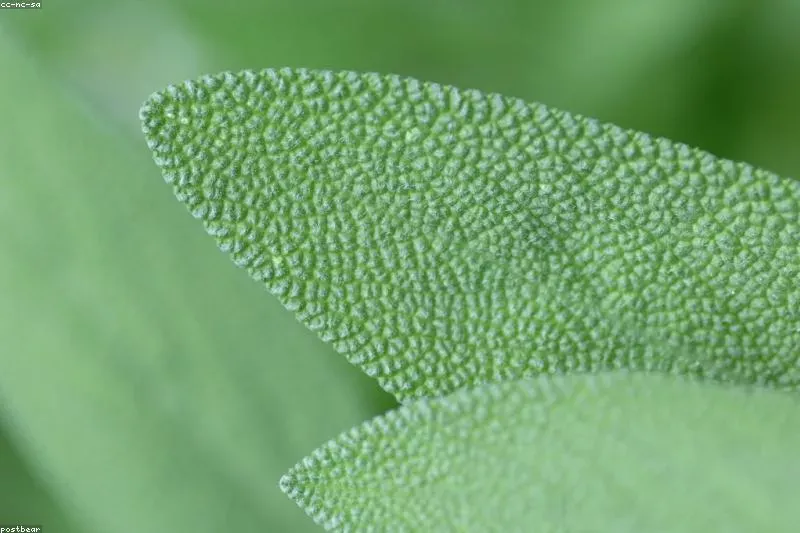
Sage (Salvia officinalis) is the plant of excellence for mouth and throat conditions. It contains volatile oils (thujone, cineole, camphor), tannins, rosmarinic acid and flavonoids, which together have anti-inflammatory, antiseptic and astringent effects. Sage not only disinfects but also tightens swollen tissues, reducing inflammation of the vocal cords. It is the number one remedy for laryngitis, used for centuries across Europe.
How to prepare
- Ingredients: 2 teaspoons dried sage leaves, 300 ml boiling water, a pinch of salt, 1 teaspoon apple cider vinegar (optional, for stronger astringent effect)
- Preparation: Put sage in a cup, pour boiling water over it, cover and steep for 15 minutes. Strain, add salt and vinegar. Let it cool to a pleasant gargle temperature (warm).
- Procedure: Take a mouthful and gargle slowly, deeply (try to let the infusion reach as far down as possible, toward the larynx), for 30-60 seconds. Spit out. Repeat until you finish the amount.
- Frequency: Every 2-3 hours in the first 2 days, then 4-5 times a day until healed.
Note: Sage should not be consumed internally in large amounts or long-term, especially during pregnancy or breastfeeding (thujone is neurotoxic in large amounts). Gargling is safe because you do not swallow it.
Remedy 2: Honey with Lemon and Ginger
This classic combination is a balm for irritated vocal cords. Honey coats the mucosa with a protective layer, lemon brings vitamin C and citric acid that dissolve secretions, and ginger has anti-inflammatory effects and gently warms tissues. It is a remedy taken throughout the day, as a water replacement.
How to prepare
- Ingredients: 500 ml hot water, 1 piece of fresh ginger 3 cm grated, juice of 1 large lemon, 2-3 tablespoons raw honey (linden or acacia, the best for throat)
- Preparation: Put ginger in hot water and steep covered for 10 minutes. Strain, add lemon juice. Wait until it cools to warm and add honey (honey in hot water loses its active enzymes).
- Dosage: Sip throughout the day, every 15-30 minutes. Do not gulp it down, let the liquid slowly touch the throat.
- Amount: 1-2 liters a day.
Night variant: Before bed, take 1 tablespoon of pure honey and let it melt slowly in your mouth, swallowing gradually. The honey will coat the vocal cords overnight and reduce the irritation that makes you wake up with an even hoarser voice.
Remedy 3: Chamomile and Lavender Steam Inhalation
Hot steam is one of the best things for inflamed vocal cords. It humidifies the dry, irritated mucosa, thins secretions, and the added herbs deliver active substances directly to the larynx. Chamomile has strong anti-inflammatory effect (azulene, bisabolol), and lavender calms and has mild antiseptic effect.
How to do it
- Ingredients: 1 liter boiling water, 2 tablespoons dried chamomile flowers, 1 tablespoon dried lavender flowers (or 3-4 drops lavender essential oil)
- Preparation: Put the herbs in a wide bowl and pour boiling water over them. If using essential oil, add it directly to the water.
- Procedure: Cover your head with a large towel, lean over the bowl at 30 cm distance. Breathe deeply through nose and mouth for 10-15 minutes. On exhalation, try to make a gentle “ah” sound without effort, to allow the steam to reach the vocal cords.
- Frequency: 3-4 times a day, especially in the morning on waking and in the evening before bed.
After inhalations: Do not go out in cold air for at least 1 hour. Wrap your throat in a light scarf.
Remedy 4: Marshmallow Root Cold Infusion
Marshmallow (Althaea officinalis), especially its root, is one of the oldest plants used for respiratory conditions. It contains a large amount of mucilage, polysaccharides that swell in water and form a viscous gel. This gel coats the irritated laryngeal mucosa with a protective layer, reducing pain and cough, allowing tissues to heal. It is a gentle remedy, suitable for children too.
How to prepare (cold maceration)
- Ingredients: 2 teaspoons chopped marshmallow root (found at pharmacies or natural stores), 300 ml room temperature water
- Preparation: Place the root in cold water and let it macerate overnight (8-12 hours). Do not use hot water, heat destroys the mucilage. The next day, strain through a fine sieve or cheesecloth. The liquid will be viscous, with the consistency of slightly gelatinous water.
- Dosage: Warm slightly (just to warm, not hot) and drink a warm cup 3-4 times a day, between meals.
- Duration: 5-7 days.
Why cold: Cold maceration preserves the mucilage intact, which is the main active substance of marshmallow for laryngitis. Hot tea would be less effective.
Remedy 5: Warm Milk with Butter, Honey and Egg Yolk
This remedy is like a throat grog and is traditionally used by Russian and Italian opera singers to quickly restore their voice before a performance. The combination of fats (butter, yolk) coats the vocal cords with a protective fatty layer that lasts longer than pure honey. Warm milk relaxes, and the yolk provides lecithin and nourishing fats.
How to prepare
- Ingredients: 250 ml whole milk, 1 teaspoon good butter (preferably unsalted), 1 tablespoon honey, 1 fresh egg yolk (only from a safe source), a pinch of cinnamon (optional)
- Preparation: Heat the milk to near boiling, remove from heat. Add butter and stir until melted. Let cool 2-3 minutes (should not be very hot). In a separate cup, whisk the egg yolk with honey until creamy and light yellow. Gradually add the warm milk over the yolk mixture, stirring continuously (otherwise the yolk will curdle). Add cinnamon at the end.
- Dosage: Drink slowly, with small sips, letting the liquid touch your throat. One cup in the evening before bed is the most effective.
- Frequency: Daily, 3-5 days.
Caution: Use fresh eggs from safe sources (preferably farm or organic) to avoid Salmonella risk. If in doubt, replace raw yolk with a soft-boiled one.
Remedy 6: Vocal Rest, the Most Important “Cure”
This is not a plant, but the most important “prescription” I can give you. Vocal cords are two tiny muscular bands that vibrate 100-500 times per second when you speak. When inflamed, each vibration delays healing and can produce long-term lesions (vocal nodules, polyps).
How to do vocal rest properly
- Do not speak at all for at least 48 hours at the onset of laryngitis. Communicate by writing, gestures, phone messages.
- Do not whisper. Most people are surprised to learn that whispering puts more strain on vocal cords than normal speech (because you force air through the cords without normal vibration). If you must make a sound, use a normal tone but very quietly.
- Do not sing, clear your throat, or force a cough. Any use of the larynx delays healing.
- Massive hydration: 2-3 liters of warm fluids per day. Dry vocal cords get irritated much more easily.
- Humidify the air in house and bedroom. Dry air + already irritated vocal cords = slow healing.
- Avoid cold drinks, alcohol (dehydrates and irritates), coffee (dehydrates), spicy foods.
How long: At least 2-3 days of total rest, then another 4-5 days of minimal speaking in a low, calm voice. If you are a teacher, singer, or have a voice-dependent job, take sick leave without regrets. You will make up for lost time.
Causes of laryngitis
Laryngitis is inflammation of the larynx, the organ that houses the vocal cords. Main causes:
Infectious causes (most common)
- Viral infections: Rhinoviruses, flu virus, parainfluenza virus (also the cause of croup in children), respiratory syncytial virus. Usually after a cold that “descends” into the throat.
- Bacterial infections: Rarer (streptococcus, staphylococcus). Usually secondary to a viral infection.
- Fungal infections: In immunocompromised people or those using inhaled steroids for asthma (Candida).
Non-infectious causes
- Vocal overuse: Shouting at sports events, karaoke singing, yelling at children, loud talking in noisy environments, long speeches without vocal technique.
- Gastroesophageal reflux: Stomach acid refluxed during the night irritates the larynx. If you often wake up hoarse in the morning, suspect reflux.
- Respiratory irritants: Cigarette smoke, alcohol vapors, chemicals, cold and dry air.
- Allergies: Pollen, dust, mold, causing recurrent allergic laryngitis.
- Alcohol abuse, especially spirits. Alcohol dehydrates and directly irritates the laryngeal mucosa.
Prevention: how not to lose your voice
For professional speakers
- Learn correct vocal technique. Teachers, lawyers, priests, salespeople should take at least a few lessons with a speech therapist or singing teacher.
- Do not shout, project your voice. There are techniques that let you be heard in a large room without straining your cords.
- Drink water constantly during long speaking. Hydrated vocal cords endure much better.
- Take breaks every 45-60 minutes of continuous speaking.
For everyone
- Do not smoke. Cigarette smoke is one of the greatest enemies of the larynx and vocal cords.
- Avoid secondhand smoke.
- Treat gastric reflux properly. If you have heartburn, regurgitation, morning hoarseness, talk to your doctor.
- Hydrate daily. 1.5-2 liters of water.
- Humidify the air in winter.
- Get the flu vaccine if you get frequent respiratory infections.
- Protect your throat from cold with a scarf.
When to see a doctor
Uncomplicated laryngitis heals on its own. However, consult a doctor if:
- Hoarseness persists beyond 3 weeks (may indicate organic lesions, vocal nodules, polyps, or rarely, malignant lesions, especially in smokers)
- You have fever above 38.5°C (101°F) that does not go down
- You have severe difficulty swallowing
- You have difficulty breathing or hear a wheezing noise on inhalation (stridor)
- You cough up blood
- In small children, laryngitis can progress to croup (laryngotracheitis) with a “barking” cough and breathing difficulty, a medical emergency
- You have had 4-5 episodes of laryngitis in a year, requiring ENT evaluation
Remember: Acute laryngitis is most often a benign and passing condition. The best weapons you have are vocal rest and hydration. Natural remedies speed up healing and make waiting more bearable. If you use your voice a lot in your work, treat each episode of laryngitis properly, because neglected episodes can lead to permanent damage to your vocal cords.