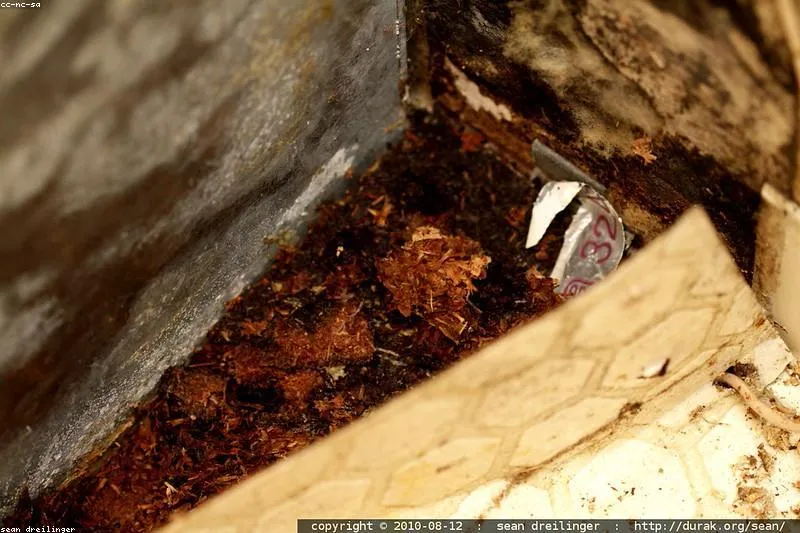

Mold Toxicity: Natural Detox Support
IMPORTANT: Exposure to toxic mold (mold toxicity, CIRS - Chronic Inflammatory Response Syndrome) is a real but complex condition, controversial in some mainstream medical systems. Proper diagnosis and treatment require specialized medical evaluation, specific tests (urinary mycotoxins, antibodies, Shoemaker’s panels), and a multidisciplinary approach. The information in this article is general and does not replace medical consultation. If you suspect mold exposure, consult a specialized doctor, test your home, and do not improvise treatments. Some detoxification protocols can be harmful if applied without knowledge.
“Moving into the new apartment was the start of a nightmare. Fatigue, headaches, runny nose, irritated skin, sleep issues. I thought I was just stressed with the new job, with the kids. Until a black spot appeared behind the cabinet under the sink. It was mold. I fought for years to regain my health.” Irene’s story is not isolated. Indoor mold is an underestimated problem, especially in older houses, apartments with water leaks, poorly ventilated spaces.
Mold exposure is not just “bad musty air” or wall stains. Mold produces mycotoxins, extremely toxic chemicals that can affect the nervous system, immune system, digestive system, hormones, and energy. Some people are genetically more sensitive, having difficulty eliminating these toxins. The result can be a systemic inflammatory illness, known in integrative medicine as CIRS (Chronic Inflammatory Response Syndrome). Eliminating exposure sources and supporting elimination are essential.
Contents
- What mold toxicity is
- Mold sources in homes
- Common symptoms
- How it is diagnosed
- Home remediation: the fundamental step
- Supplements for binding and eliminating mycotoxins
- Supportive nutrition and herbs
- Emotional and practical recovery
What Mold Toxicity Is
Molds are microscopic fungi present everywhere in the environment. Under conditions of favorable humidity and temperature, they grow rapidly on organic materials (wood, cardboard, wallpaper, textiles). Some species produce mycotoxins, toxic substances that can enter the body through inhalation, skin contact, or ingestion (contaminated food).
Major Toxic Mold Species in Homes
- Stachybotrys chartarum (“toxic black mold”)
- Aspergillus (multiple species, produces aflatoxins, ochratoxin)
- Penicillium (some species produce mycotoxins)
- Cladosporium
- Fusarium
- Chaetomium
Main Mycotoxins
- Trichothecenes (Stachybotrys, Fusarium)
- Ochratoxin A (Aspergillus, Penicillium)
- Aflatoxins (Aspergillus flavus)
- Zearalenone
- Gliotoxin
These mycotoxins can affect multiple systems: immune (immunosuppression), nervous (neurotoxicity), hepatic, renal, reproductive, hormonal.
Why Some People Get Sick and Others Do Not
There is a genetic component (several HLA-DR variants) affecting how the immune system recognizes and eliminates mycotoxins. Approximately 25% of the population has a “problematic” genetic variant making them more vulnerable to chronic mold effects.
Mold Sources in Homes
Water and Humidity
Mold needs water to grow. Common sources:
- Roof or wall infiltrations
- Condensation on windows, vents, ceiling
- Hidden leaks under sinks, behind washing machines, dishwashers
- Previous floods insufficiently dried
- Foundation dampness
- Poorly ventilated bathroom
- Kitchen without functional hood
- Drying laundry indoors
- Large aquarium without controlled evaporation
- Indoor plants with constantly wet substrate
Favorable Materials
- Drywall (absorbs moisture)
- Paper wallpaper, old adhesives
- Old wood, old furniture of organic materials
- Textiles (mattresses, pillows, carpets) dampened and undried
- Old books, archives in basement
- Suspended ceilings of degradable materials
Visible and Invisible Signs
- Black, green, brown spots on walls
- Smell of “mold”, “basement”, “damp”
- Peeling paint
- Walls “bulging” or permanently cold
- Visible leaks
- But beware: much mold grows behind walls or in technical spaces, without visible signs
Common Symptoms
Chronic mold exposure symptomatology is highly variable and often misattributed to other causes.
Nervous System
- Chronic, overwhelming fatigue
- Brain fog, memory difficulties
- Headaches, migraines
- Sleep disturbances
- Anxiety, panic, depression
- Irritability, emotional lability
- Vertigo, dizziness
- Peripheral neuropathy
Respiratory System
- Chronic runny nose, congestion
- Recurrent sinusitis
- Chronic, dry cough
- Feeling of suffocation
- Worsened or triggered asthma
- Shortness of breath with effort
Skin
- Eczema, hives
- Seborrheic dermatitis
- Unexplained itching
- Unusual adult acne
Digestive
- Bloating, abdominal pain
- Diarrhea or constipation
- Irritable bowel syndrome
- Sudden-onset food intolerances
- Recurrent mouth ulcers
Other Symptoms
- Joint and muscle pain
- Chemical sensitivity (sensitivity to smells)
- Recurrent urinary tract infections
- Interstitial cystitis
- Hormonal disturbances
- Unexplained weight loss or, conversely, weight gain
- Excessive thirst, frequent urination
- Paresthesias
Red Flags
- All symptoms improving when you leave home and returning upon your return
- Sudden onset after moving or renovation
- Household members with similar symptoms
- Symptoms following a flood
How It Is Diagnosed
Tests for the Person
- Urinary mycotoxins (Great Plains, RealTime Labs): measures mycotoxins eliminated via urine
- Anti-mold antibodies (IgG, IgE)
- Dr. Shoemaker’s CIRS panel: MSH, VEGF, C4a, TGF-beta1, anti-gliadin antibodies, HLA-DR
- Inflammation tests (VEGF, C4a)
- HLA-DR genotype: identifies genetically vulnerable people
Tests for the Home
- Professional visual test: naked-eye inspection of suspect areas
- ERMI test (Environmental Relative Moldiness Index): dust DNA analysis, gives a contamination score
- HERTSMI-2 test: shorter ERMI version used by Dr. Shoemaker
- Culture plates: less recommended, may give false negatives
- Thermography and hygrometry inspection: identifies hidden moisture areas
A specialized doctor (MD with training in environmental medicine or a “mold-literate doctor”) can correctly interpret these tests.
Home Remediation: The Fundamental Step
There is no successful detox without eliminating the source. No matter how many supplements you take, if you continue to live in a moldy home, symptoms return.
Professional Evaluation
- Hire a certified mold remediation expert
- Test all suspect spaces
- Identify the cause of moisture (infiltration, leak, ventilation)
Remediation Principles
- Eliminate moisture source: repair infiltrations, install proper ventilation, fix leaks
- Remove contaminated material: walls, drywall, ceiling, sometimes furniture
- Clean with appropriate substances: boric acid, diluted hypochlorite, hydrogen peroxide, enzyme solutions. Caution: bleach is not effective on mold in porous structures.
- Ventilation: throughout the works, with proper protective equipment
- Replace textiles: pillows, mattresses, carpets, sometimes even clothes that stayed in contaminated environment
- Post-remediation verification: ERMI retest, visual check
What NOT to Do Yourself
- Do not scrub dry mold with a brush (releases spores into air)
- Do not use only bleach as sole solution
- Do not ignore “gone” smell after ventilation; mold may still be present
- Do not return home before post-remediation verification
When You Cannot Remediate
- Sometimes the best solution is to move, especially if you are sensitive and the house cannot be fully cleaned
- Gradual increase in time spent in another space to see if symptoms improve
Supplements for Binding and Eliminating Mycotoxins
The body eliminates mycotoxins mainly through bile (liver-gut), urine (kidneys), and skin (sweat). Supplements can support these pathways.
Activated Charcoal
- Binds mycotoxins in the gut, prevents reabsorption
- Dose: 500 mg to 1 g, 2-3 times daily, between meals
- Take 2 hours away from medications and supplements
- Duration: several months
Bentonite (Calcium Bentonite)
- Bentonite clay with toxin-binding capacity
- Dose: 1 teaspoon in water, between meals
- May cause constipation; increase fiber and water
Zeolite
- Natural mineral with porous structure
- Dose: 500 mg to 2 g daily, between meals
Cholestyramine (Prescription)
- A medication used in Shoemaker’s protocol, binds mycotoxins in the gut
- Prescribed by a doctor
- Possible side effects: constipation, fat-soluble vitamin malabsorption
Glutathione (Liposomal or S-Acetyl)
- The most important internal antioxidant
- Dose: 250-500 mg daily
- Some patients initially tolerate only small doses
N-Acetylcysteine (NAC)
- Glutathione precursor
- Dose: 600-1200 mg daily
Vitamin C
- 1-3 g daily, split doses
- Antioxidant and immune support
B Vitamins
- Activated B-complex (methylfolate, methylcobalamin)
- Supports phase 1 and phase 2 detoxification
Silicon
- May bind aluminum and other metals sometimes associated with mycotoxins
- Silicon-rich mineral water or horsetail
Digestive Enzymes
- Help proper digestion and residue elimination
- Especially in people with mold-induced dysbiosis
Probiotics
- Saccharomyces boulardii (beneficial yeast) fights intestinal mold
- Lactobacillus rhamnosus, Bifidobacterium
- Yogurt, kefir, sauerkraut (if tolerated)
Supportive Nutrition and Herbs
Recommended Foods
- Cruciferous vegetables (broccoli, cauliflower, kale, cabbage) for hepatic detox
- Leafy green vegetables (spinach, parsley, lettuce)
- Garlic and onion (natural antifungals)
- Extra-virgin olive oil, coconut oil
- Small fish (sardines, herring, mackerel)
- Pastured eggs
- Avocado
- Berries, apples, pears
- Green tea, matcha
- Rooibos tea
- Aromatic herbs: oregano, thyme, rosemary, parsley
Foods to Avoid (or Drastically Reduce)
- Peanuts (frequently contaminated with aflatoxins)
- Corn and corn products (unless certified)
- Poor-quality coffee (may contain ochratoxins)
- Wine (some contain ochratoxins)
- Moldy cheeses (Camembert, Brie, Roquefort)
- Dried fruits with mold signs
- Moldy bread
- Refined sugar (feeds internal fungi)
- Alcohol
- Processed foods
Antifungal and Immunomodulatory Herbs
- Oregano (oil or capsules): standardized oil with carvacrol, 1-2 capsules daily, for a month
- Garlic: 1-2 fresh cloves daily
- Cinnamon: antifungal, 1/2 teaspoon daily
- Cloves: antifungal, a few daily in tea or food
- Pau d’Arco: tea or tincture, powerful antifungal
- Ginger: anti-inflammatory and digestive
- Wormwood: antifungal, but caution with doses and duration
- Grapefruit seed extract: broad antifungal
Hydration and Sweating
- Filtered water, minimum 2 liters daily
- Sauna (infrared in particular): aids mycotoxin elimination through sweat. 20-30 minutes, 3-5 times weekly. Shower immediately after.
- Epsom salt and baking soda baths
Emotional and Practical Recovery
Recovery from mold illness is as much an emotional as a physical journey. Impact on family, finances, and mental state is significant.
Psychological Support
- Therapy (especially with a therapist who understands chronic inflammatory illness)
- Support groups (online, CIRS, mold toxicity)
- Symptom and progress journal
Prescribed Medication (Under Medical Supervision)
- Cholestyramine
- Welchol (gentler bile acid sequestrant)
- Nystatin or antifungals if fungal infection exists
- Support hormones (VIP, MSH) in advanced protocols
Financial Management
- Home remediation can be costly; document everything for insurance
- Protective equipment and air filters are worthwhile investments
Air Hygiene
- HEPA filters with activated carbon
- Controlled humidifier (40-50% relative humidity)
- Air-purifying houseplants (in moderation, not too many)
- Regular airing
Avoiding New Exposure
- Do not visit homes with likely mold problems
- Avoid basements, storage rooms, old hotels, especially if sensitive
- Beware of old libraries and archives
- Check or avoid second-hand books and textiles
Conclusion
Chronic mold exposure is an underestimated cause of fatigue, neurological issues, pain, and autoimmune illness. Recovery is possible but requires a comprehensive approach: eliminating the source (home remediation), supporting elimination pathways (charcoal, bentonite, glutathione), strengthening liver and immunity, clean nutrition, and often specialized medical guidance. There is no single protocol, each case is different, and patience is essential. Recovery takes months, sometimes years, but it is possible. Do not ignore the signs; living in a contaminated home is not sustainable.
Frequently Asked Questions
How do I know I have a mold problem? If you have multiple unexplained symptoms (fatigue, brain fog, respiratory, skin, digestive issues) that improve when you leave home, request evaluation. Test your home (ERMI) and test yourself for urinary mycotoxins at a specialized lab.
Is cleaning mold with bleach enough? No. Bleach can whiten visible mold but does not kill spores in porous structures. Also, spores may remain active and mycotoxins persist. Professional remediation is necessary for serious cases.
Are children more vulnerable? Yes. Children breathe faster, are closer to the floor (where spores accumulate), and their systems are developing. Symptoms may be misattributed to asthma, allergies, ADHD.
Do I need to move? It depends. If the home can be properly remediated and you are willing to invest, yes, you can stay. If you are very sensitive and the house has major structural issues, moving may be the healthiest solution.
Do supplements really help? Yes, but only after the source is eliminated. Activated charcoal, glutathione, NAC, bentonite, quality probiotics help bind and eliminate mycotoxins. But with continued exposure, the battle is lost.
How long does recovery take? Between 6 months and 2-3 years, depending on exposure duration, symptom severity, degree of genetic sensitivity, and protocol adherence. Improvements are often gradual, with plateaus and fluctuations.
MEDICAL DISCLAIMER: The information in this article is informational. Mold illness (CIRS, mold toxicity) is a complex area, not fully recognized in all medical systems. The symptoms described can have many other causes that must be ruled out. Do not start aggressive treatments or protocols without medical evaluation. Consult a doctor specialized in chronic inflammatory illnesses or environmental medicine. Home remediation should be done by professionals to prevent worse exposure.