 Photo: Rapidreflex, CC BY-SA 4.0, via Wikimedia Commons
Muscle fasciculations are small, involuntary, brief twitches of a group of muscle fibres, visible or just felt under the skin, most often in the eyelid, calves, thighs or arms. In the vast majority of cases they are benign and triggered by stress, fatigue, lack of sleep, too much caffeine or intense exercise. They usually settle within days or weeks with sleep, less caffeine, stress management and a good intake of magnesium.
Anyone who has had a “twitching eye” knows how annoying it can be. And anyone who has read online that fasciculations can signal serious neurological disease knows how frightening they can be. The good news: isolated fasciculations without muscle weakness are very common in healthy people and almost never mean serious illness.
Key takeaways
- Benign fasciculations affect a large share of people at some point; eyelid twitching (eyelid myokymia) is the most common.
- Main triggers: stress, anxiety, short sleep, caffeine, alcohol, exercise, some medicines.
- They are not dangerous without weakness, muscle wasting, or trouble speaking or swallowing.
- Sleep, less caffeine, relaxation, hydration and magnesium-rich foods are the first step.
- Twitches that close the eye completely, involve the whole face or come with weakness need a neurological check.
What fasciculations are
A fasciculation is a spontaneous contraction of a “motor unit”, a group of muscle fibres controlled by the same nerve. It looks like a fine flicker under the skin, a crawling “worm” or a pulse. It differs from:
- cramps: painful, sustained contractions of a whole muscle; see our guide to muscle cramps;
- tics: repetitive, more complex movements that can be held back for a while; more in our article on nervous tics;
- myoclonus: sudden jerks of a limb, like the jolt when falling asleep (which is normal);
- tremor: rhythmic shaking of a body part; see essential tremor.
Eyelid twitching
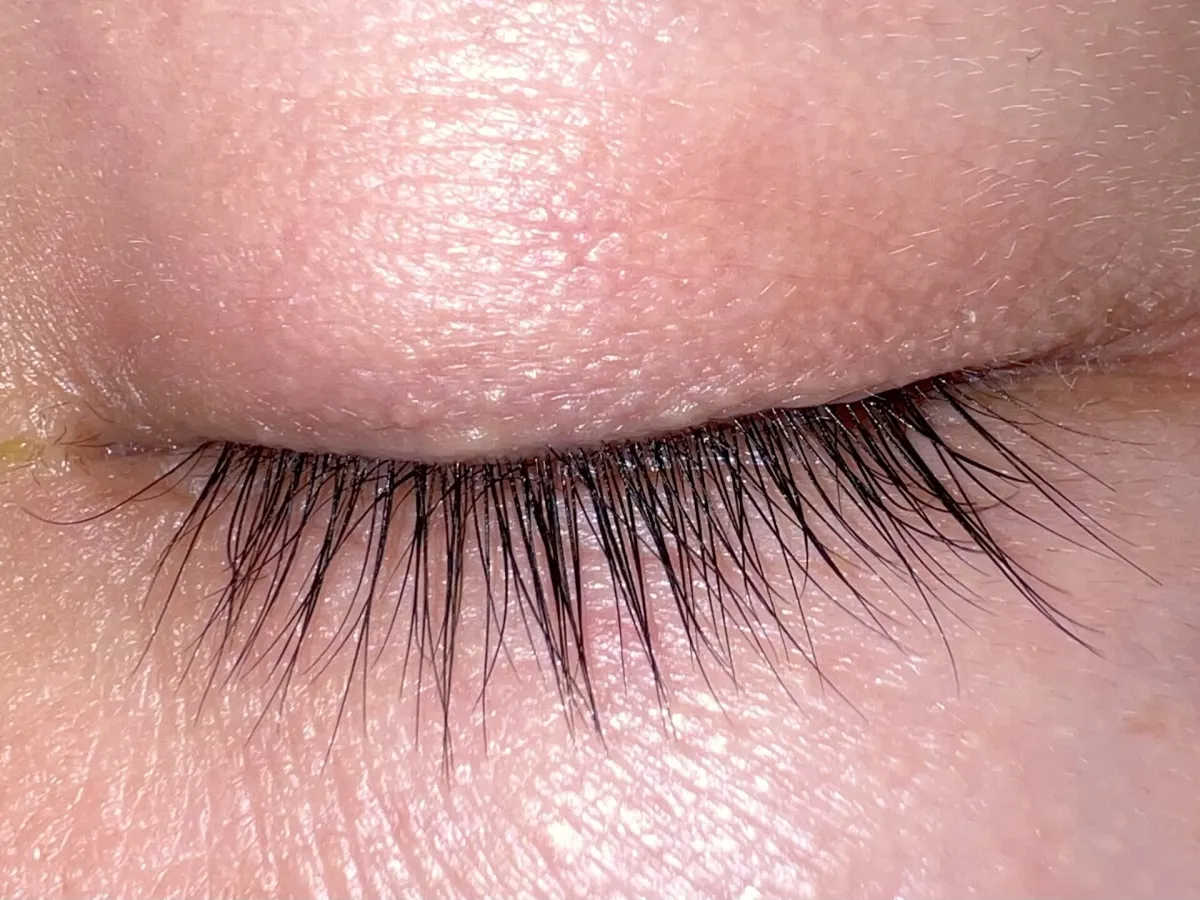
Eyelid myokymia usually affects one eyelid, more often the lower one, and lasts from seconds to minutes, recurring over days or weeks. It is almost always linked to tiredness, stress, screens and coffee. It goes away on its own.
Benign fasciculation syndrome
Some people have frequent twitches in several parts of the body for months or years with no other problem. This is called benign fasciculation syndrome. Long-term follow-up studies have shown that it does not progress to serious neurological disease. It is often associated with anxiety, which in turn increases attention to the twitches.
Common causes
| Cause | Mechanism | What to do |
|---|---|---|
| Stress, anxiety | hyperexcitable peripheral nerves | relaxation, exercise, sleep |
| Too little sleep | overloaded nervous system | 7-9 hours, fixed schedule |
| Caffeine, energy drinks | stimulate nerves and muscles | under 2-3 coffees a day, no energy drinks |
| Intense exercise | muscle fatigue | rest, fluids, stretching |
| Dehydration, sweating | electrolyte imbalance | water, potassium- and magnesium-rich foods |
| Low magnesium, low calcium | unstable nerve membranes | diet, blood tests, supplements if needed |
| Alcohol, nicotine | stimulation and imbalances | cut down |
| Medicines | e.g. some diuretics, salbutamol, corticosteroids, stimulants | talk to your doctor |
| Screens, dry eyes (eyelid) | eye strain | 20-20-20 breaks, artificial tears |
For magnesium, read our guide to magnesium deficiency, and if you also have tingling, cramps and a lump in the throat, it may be spasmophilia.
What helps: natural remedies and habits
1. Sleep
This is the most effective “treatment”. A fixed bedtime, a cool dark room and no screens for an hour before bed. After 2-3 good nights, many twitches calm down.
2. Less caffeine
Cut down gradually, not suddenly (sudden withdrawal causes headaches): one coffee fewer every few days. Watch for hidden sources: black and green tea, cola, energy drinks, chocolate, some combination painkillers. More in our article on caffeine addiction.
3. Relaxation and breathing
10 minutes a day of slow breathing (in for 4 seconds, out for 6-8 seconds), progressive muscle relaxation (tense a muscle group for 5 seconds, then relax for 15 seconds, working from feet to head) or a walk in nature. Chronic stress keeps fasciculations going; see also our tips on stress.
4. Magnesium- and potassium-rich foods
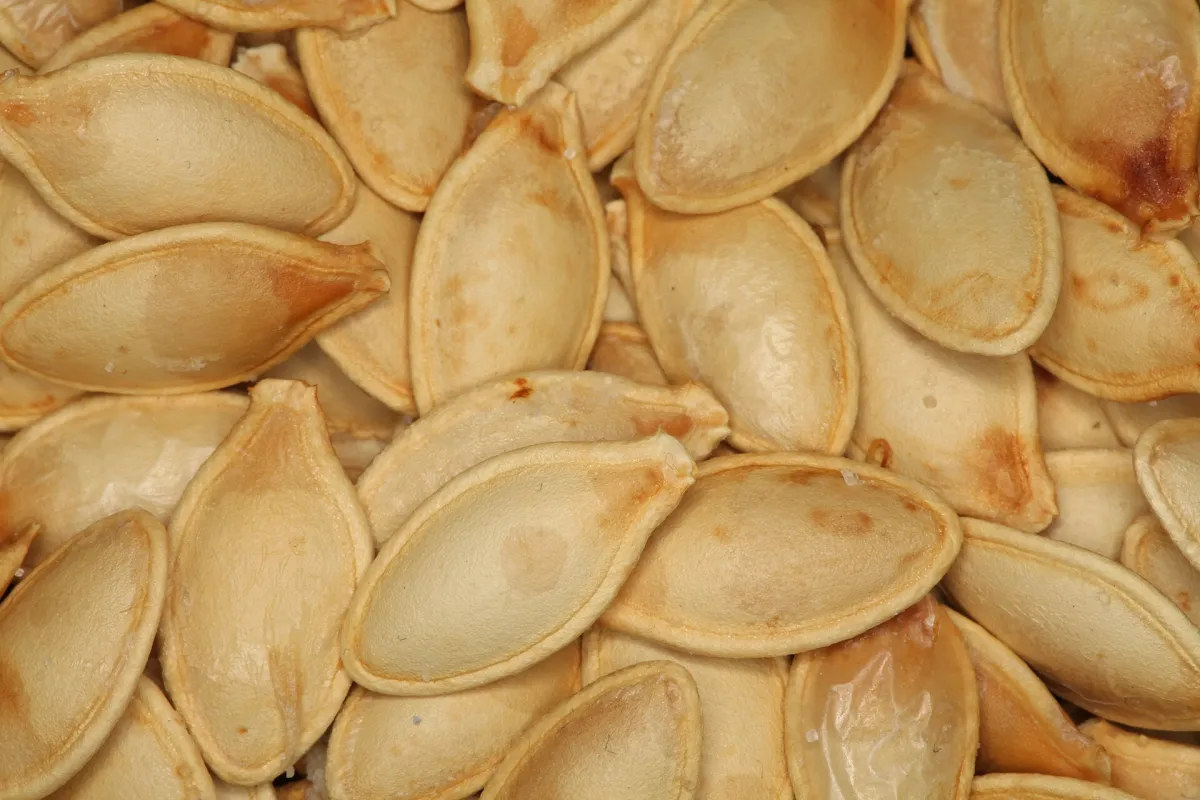
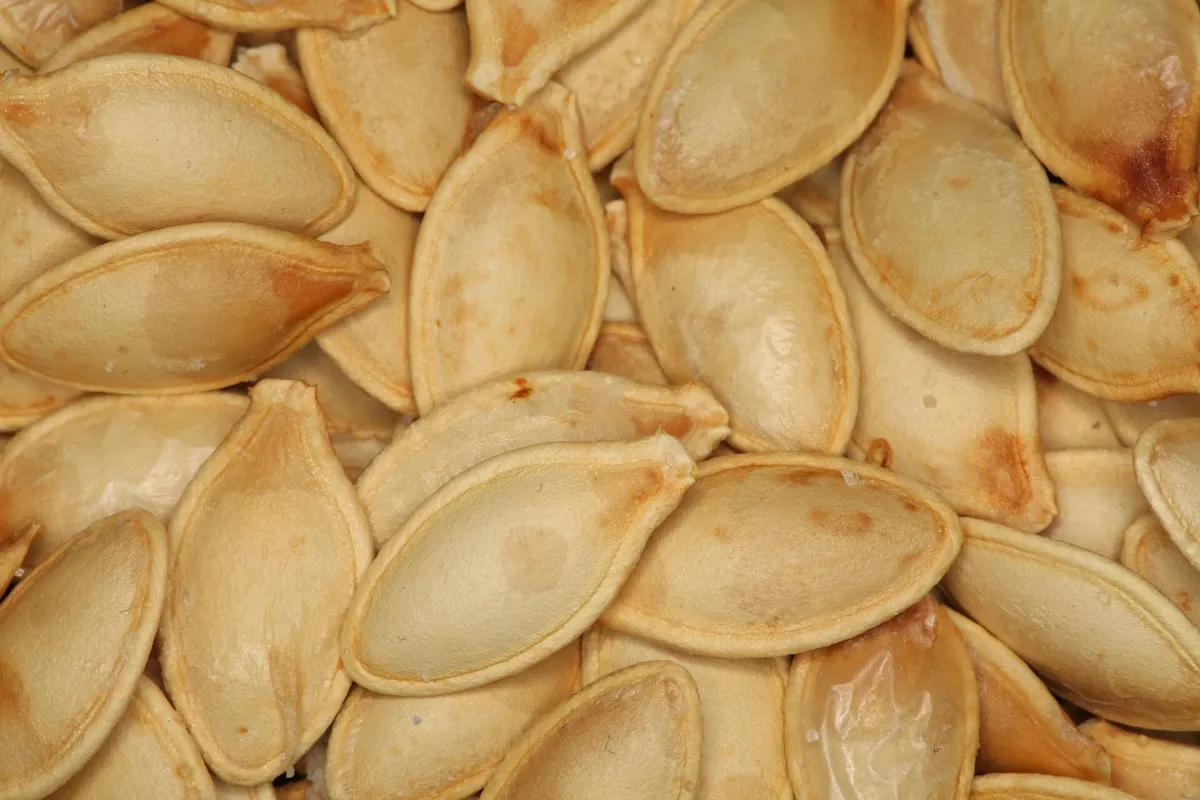
Pumpkin seeds, almonds, walnuts, beans, lentils, spinach, oats, bananas, baked potatoes with skin, avocado, magnesium-rich mineral water.
 Photo: Nillerdk, CC BY 3.0, via Wikimedia Commons
5. Magnesium supplement (when it makes sense)
If your diet is poor, you get frequent cramps, sweat a lot or take medicines that lower magnesium, a supplement of 200-300 mg elemental magnesium a day (citrate or bisglycinate) for 4-8 weeks may help. There are no solid studies showing that magnesium stops benign fasciculations in people who are not deficient, but it is a reasonable and safe trial for most healthy adults.
6. Calming herbs
- Lemon balm tea: 1-2 teaspoons of dried leaves in 250 ml boiling water, 10 minutes covered. 2-3 cups a day.
- Linden and lavender tea: in the evening, for sleep.
- Valerian or passionflower: for sleep and nervous tension, in line with EMA monographs on traditional use.
These herbs do not act directly on the muscles but on stress and sleep, the main triggers.
7. For the eyelid
- The 20-20-20 rule: every 20 minutes of screen time, look at something 6 metres away for 20 seconds.
- Warm compresses on closed eyes, 5-10 minutes.
- Preservative-free artificial tears if your eyes are dry.
- Gentle eyelid massage with the ring finger in small circles.
8. For calves and thighs
Gentle calf and thigh stretches in the evening (30 seconds each), a warm shower, fluids after sport and gradual increases in training intensity.
Recipe: “calming” tea for restless evenings
- 1 teaspoon lemon balm;
- 1 teaspoon linden flowers;
- 1/2 teaspoon chamomile flowers.
Pour 300 ml of boiling water, cover and steep for 10 minutes. Drink an hour before bed for 2-3 weeks, then take a break. Avoid in pregnancy without medical advice and if you are allergic to the daisy (Asteraceae) family (chamomile).
Precautions
- Magnesium supplements should be avoided in chronic kidney disease and taken apart from antibiotics (tetracyclines, fluoroquinolones) and levothyroxine.
- Do not combine valerian with alcohol, sleeping pills or sedatives, and do not take it before driving.
- Do not stop prescribed medicines on your own, even if you suspect they cause the twitches; talk to your doctor.
When to see a doctor
Isolated fasciculations are no cause for concern. See your GP or a neurologist if:
- there is real weakness: dropping things, tripping, struggling with stairs you used to manage;
- you notice a muscle getting thinner (wasting), especially in the hands;
- you have trouble speaking or swallowing;
- twitches close the eye completely or involve half of the face (possible blepharospasm or hemifacial spasm, which have specific treatments);
- eyelid twitching lasts more than 2-3 months;
- numbness, severe pain, severe cramps or changes in sensation appear;
- twitching started after a new medicine.
The doctor may order blood tests (electrolytes, magnesium, calcium, thyroid function, glucose, vitamin B12) and, if needed, an EMG.
Common mistakes
- Late-night internet searches, which raise anxiety and therefore twitching.
- More coffee to make up for tiredness.
- Piling up supplements without reason.
- Short sleep, the most commonly overlooked cause.
- Self-diagnosing a serious disease in the absence of muscle weakness.
Conclusion
Muscle fasciculations are almost always a sign that the nervous system needs rest: more sleep, less coffee, less stress and a diet rich in magnesium. Eyelid twitching usually passes on its own within days or weeks. What separates a benign twitch from one that needs investigation is the presence of weakness, wasting or other neurological symptoms. Without them, patience and healthy habits are the best treatment, and if anxiety about the twitches becomes overwhelming, a check-up can reassure you. If sleep is the underlying problem, see also our guide to insomnia.
Frequently asked questions
Why does my eye twitch? Most often because of tiredness, stress, lack of sleep, coffee and long screen time. Eyelid twitching is harmless and usually passes within days or a few weeks.
Are fasciculations a sign of ALS (motor neurone disease)? Isolated fasciculations without muscle weakness are extremely common in healthy people and do not mean ALS. In that disease, weakness and muscle wasting are the main features. If in doubt, a neurologist can examine you.
Does magnesium help with twitching? It helps if you are deficient or your dietary intake is low. In people without a deficiency the effect is not proven, but a few weeks of supplementation is a safe trial for most adults.
How long do benign fasciculations last? Eyelid twitching usually lasts days or a few weeks. Benign fasciculation syndrome can fluctuate for months or years, with better and worse periods, without becoming dangerous.
Can twitching appear after exercise? Yes, after intense effort, especially in the calves and thighs. Rest, fluids, stretching and gradually increasing training intensity reduce it.
Can anxiety cause muscle twitching? Yes. Anxiety increases nerve excitability and attention to body sensations. Many people notice twitching gets worse in stressful periods and settles on holiday.
Which tests are done for fasciculations? Usually electrolytes (sodium, potassium), magnesium, calcium, glucose, thyroid function and vitamin B12. An EMG is only done if the doctor finds weakness or other neurological signs.
Sources
- NHS: information pages on muscle twitches and eye twitching.
- American Academy of Ophthalmology: materials on eyelid myokymia and blepharospasm.
- Long-term follow-up studies of benign fasciculation syndrome published in neurology journals indexed in PubMed.
- EMA/HMPC: community herbal monographs on Melissae folium and Valerianae radix.
This content is for information only and does not replace medical advice. See a qualified professional for diagnosis and treatment.