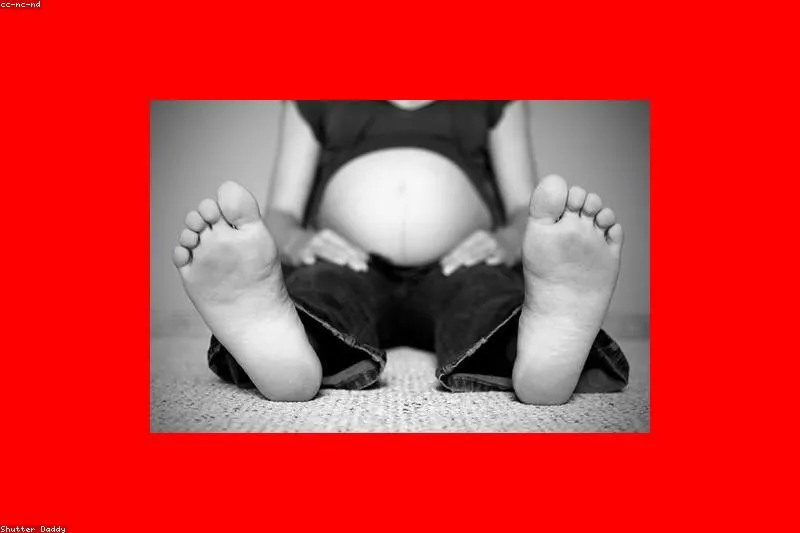

Natural Remedies for Pregnancy Edema
IMPORTANT: Mild swelling of the feet and ankles is common in pregnancy, especially in the third trimester and on hot days. However, sudden, massive edema that involves the face, hands, eyelids, or that is asymmetric (only one leg swollen and painful), can signal preeclampsia or deep vein thrombosis, two serious conditions. Go to the doctor immediately if you have sudden swelling, severe headaches, vision disturbances, pain in the upper right abdomen, rapid weight gain (over 1 kg in a day), or if one leg is much more swollen than the other, red, warm, and painful. The natural remedies described here are for physiological edema confirmed by a doctor; they cannot replace treatment of an obstetric condition.
My grandmother had ten children, and with each pregnancy, she said, “my soles got as big as little pillows and my shoes stayed on the porch.” Back then there were no compression stockings or supplements, but there was the wisdom of older mothers. They would place her feet on the edge of the bed higher than her head, put fresh cabbage leaves over her ankles, make her a weak yarrow tea, and have her eat cucumbers with fresh herbs at meals. And in the morning the swelling was much smaller.
Edema, meaning fluid accumulation in tissues, is very common in pregnancy, affecting up to 80% of pregnant women. The causes are multiple: pressure of the uterus on the large abdominal veins, which slows the return of blood from the legs; blood volume increase of almost 50%; hormonal changes that favor sodium retention; heat. The feet, ankles, and hands swell most often. When the edema remains mild, symmetric, and decreases with rest, it is considered physiological. Then gentle remedies, movement, correct positioning, and adapted nutrition can help a lot.
Contents
- Causes of pregnancy edema
- Remedy 1: Leg elevation and correct positioning
- Remedy 2: Medical compression stockings
- Remedy 3: Proper hydration, the water paradox
- Remedy 4: Foods with mild diuretic effect (cucumber, parsley, zucchini)
- Remedy 5: Cool foot baths and cabbage leaf compresses
- Remedy 6: Gentle movement and ankle exercises
- Remedy 7: Salt reduction and potassium in the diet
- When edema is a sign of preeclampsia
- FAQ about pregnancy edema
Causes of pregnancy edema
Before talking about remedies, it is important to understand why edema appears. A pregnant woman’s body produces more blood and fluids than before (blood volume increase of 30-50%), to feed the baby. The uterus, growing in size, presses on the inferior vena cava and the iliac veins, which makes it harder for blood to return from the extremities. Hormones, especially progesterone, relax the vein walls, and the kidneys retain more sodium. All of this leads to fluid accumulation in tissues, especially in dependent areas (ankles, feet) and in the hands (especially if you keep your hands down a lot).
Physiological edema has a few characteristics:
- Appears mainly toward evening
- Is symmetric (both legs)
- Reduces or disappears with overnight rest
- Is not painful
- Is not accompanied by other symptoms
Pathological edema (warning!) appears:
- Suddenly, within hours or a day
- Asymmetrically (one leg more swollen)
- Involves the face, eyelids, hands
- Accompanied by pain, redness, local heat
- Associated with headaches, vision disturbances, upper abdominal pain
Remedy 1: Leg elevation and correct positioning
The simplest and most effective remedy for physiological pregnancy edema is correct positioning. Gravity works against you all day; a few minutes a day you can work with it.
How to do it
- At home: Lie on your back (or left side, in the third trimester) and put your feet on a large pillow or on the arm of a sofa, so they are higher than heart level. Hold the position for 15-20 minutes, 2-3 times a day.
- At the office: Put a stool or box under the desk and raise your feet on it. Even at hip level helps.
- In bed, at night: Put a thin pillow under the mattress, at the feet, to keep them slightly raised. Or sleep with small pillows under the ankles.
- Left side position: In the third trimester, sleeping on the left side improves venous return, because it decreases pressure on the vena cava. It is also the recommended position for optimal baby oxygenation.
What to avoid: Standing still for a long time; sitting cross-legged; crossing ankles; high chairs that leave feet dangling; high heels or too-tight shoes; regular socks with tight elastic at the ankle.
Remedy 2: Medical compression stockings
Compression stockings, popularly called “medical stockings” or “elastic stockings,” are one of the most effective aids for edema and varicose veins in pregnancy. They are not the same as regular tights or socks: they have graduated compression (greater at the ankle, lesser at the thigh), which helps venous blood rise back to the heart.
How to choose
- Compression grade: For pregnancy, class I (18-21 mmHg) or class II (22-32 mmHg), depending on severity. The doctor will recommend.
- Type: Knee-high stocking (most comfortable) or special maternity tights, with an elastic band under the belly. Tights are more effective but less comfortable in hot weather.
- When to put on: In the morning, upon waking, before getting out of bed, when the legs are still less swollen. Remove in the evening, before bed.
- How to put on correctly: Roll the stocking inside out down to the heel, insert the foot, then stretch the stocking upward. Do not yank it, do not stretch it over the edge.
- Duration: Worn all day, especially if you stand or sit a lot.
Stockings are bought from pharmacies or orthopedic supply stores, where they take exact measurements. Do not buy medical stockings randomly online, because the wrong size can be ineffective or harmful.
Remedy 3: Proper hydration, the water paradox
A very widespread myth is that if you have edema, you should drink less water. In reality, the opposite is true. When the body does not receive enough water, it retains even more sodium and fluids, to protect itself from dehydration. Proper hydration helps the kidneys eliminate excess sodium and stagnant fluids.
Recommendations
- Quantity: 2-2.5 liters of fluids per day in pregnancy (water, weak teas, soups, diluted natural juices)
- Still water: At room temperature or slightly cooled, not very cold from the fridge
- Gentle teas: linden, yarrow (in moderation, maximum 1-2 cups), mild nettle, birch leaves
- Clear vegetable soups: natural minerals, hydration, nutrients
- Infused waters: water with cucumber slices, lemon, mint, basil leaves
- Avoid: drinks with added sodium, sweet commercial juices, very salty mineral waters, carbonated drinks
When to drink the water: Distribute the quantity throughout the day, not all at once. A glass every 1-2 hours. Drink less late in the evening, to avoid waking up often to go to the bathroom.
Remedy 4: Foods with mild diuretic effect
Nature offers us foods that help the kidneys eliminate excess sodium and fluids, without aggressive effects. They are safe in pregnancy, in usual quantities, but discuss with your doctor any major dietary changes.
Cucumber
It is 95% water, rich in potassium, silica, and vitamin K. Eaten raw, as salad with olive oil, with yogurt and dill, or as infused water.
Fresh parsley
Fresh parsley (not the essential oil, which is contraindicated!) is one of the gentlest and most effective natural diuretics. Rich in vitamin C, vitamin K, iron, and flavonoids. Added to salads, soups, stews, 2-3 tablespoons per day. Caution: In large amounts (concentrated tea, essential oil), parsley is contraindicated in pregnancy because it can stimulate uterine contractions. Normal food consumption is safe.
Zucchini and squash
They contain a lot of water, potassium, and magnesium. Eaten baked, grilled, in soups, in stews. They are easy to digest and very well tolerated.
Fresh pineapple
Contains bromelain, an enzyme that helps reduce water retention and improve circulation. Eat 1-2 fresh slices per day (not preserved in sugar).
Watermelon, cantaloupe
In season, they are excellent. 1-2 slices per day. Potassium, water, antioxidants.
Asparagus, celery, thyme
All have mild diuretic effect, rich in potassium.
Remedy 5: Cool foot baths and cabbage leaf compresses
Cool foot baths are an old, simple, and surprisingly effective remedy. Cold water constricts superficial veins and helps drain fluids.
Alternating baths
- Prepare two basins, one with warm water (not hot, 38-40°C) and one with cool water (15-18°C, with ice cubes)
- Keep your feet 3 minutes in the warm water, then 30 seconds in the cool water
- Repeat 3-4 times, always ending with cool water
- Wipe and gently massage the feet from ankle to knee
- Elevate the feet for 15 minutes afterward
Cabbage leaf compresses
Cool cabbage leaves have been traditionally used to reduce edema. They contain anti-inflammatory compounds and help absorb excess fluid.
- Wash the outer cabbage leaves (avoid thick ribs)
- Keep them in the refrigerator for 30-60 minutes to cool
- Apply over the ankles and calves, secure with a thin bandage or sock
- Keep for 30-60 minutes, until the leaves soften
- Repeat in the evening before bed
It is a gentle remedy without contraindications, can be used throughout pregnancy.
Remedy 6: Gentle movement and ankle exercises
Staying immobile for a long time, standing or sitting, favors edema. Rhythmic movement pumps lymph and venous blood.
Simple daily exercises
- Ankle movements: Stretch your legs and make circles with the ankles, 10 in one direction and 10 in the other. Several times a day.
- Toe-heel raises: Rise on your toes, then on your heels, 15-20 repetitions, 3 times a day.
- Relaxed walking: 30 minutes a day, at a comfortable pace. Ideally in the morning or evening, when it’s cool.
- Swimming or hydrotherapy: In the second and third trimesters, swimming is one of the best exercises. Water pressure helps drain fluids, and the body feels much lighter.
- Pregnancy yoga: With a specialized instructor, adapted poses, breathing. Helps circulation and reduces stress.
- Stationary bike: Light, 15-20 minutes, if the doctor approves.
What to avoid
- Walking in high heels
- Lifting heavy weights
- Jogging (especially in the third trimester)
- Standing for more than 30-60 minutes without a break
Remedy 7: Salt reduction and potassium in the diet
Excess sodium causes water retention. In pregnancy it is not advised to eliminate salt completely (it is necessary), but to reduce it moderately and choose natural potassium sources, which counterbalance sodium effects.
What to reduce
- Cold cuts (salami, sausages, bacon)
- Very salty cheeses (feta, smoked cheese)
- Industrial pickles
- Chips, salted pretzels
- Salted fish, olives in brine
- Industrial sauces (ketchup, mayonnaise, soy sauce)
- Soup cubes, MSG seasonings
- Fast-food type meals
What to bring in more
Potassium-rich foods, which help mineral balance:
- Bananas, oranges, watermelon
- Spinach, chard, kale
- Baked potatoes with skin, sweet potato
- Beans, lentils, chickpeas
- Avocado
- Natural yogurt and kefir
- Fresh fish (salmon, mackerel, trout, with doctor’s approval)
- Lean meat, eggs
Salt: Use sea salt or Himalayan salt in moderation when cooking. Avoid table salt added extra.
When edema is a sign of preeclampsia
Preeclampsia is a serious condition that usually appears after week 20 of pregnancy and combines:
- Elevated blood pressure (over 140/90)
- Protein in the urine
- Significant edema (especially in the face, hands, eyelids)
Alarm symptoms requiring immediate medical consultation:
- Sudden weight gain (over 1 kg in a single day or over 2.5 kg per week)
- Sudden swelling of the face, eyelids, hands
- Persistent, severe headaches
- Vision disturbances (sparks, “flies” in front of the eyes, blurred vision)
- Pain in the upper right abdomen (under the ribs)
- Sudden nausea or vomiting, after week 20
- Decreased fetal movements
- Elevated blood pressure on measurement
Preeclampsia is an obstetric emergency! Untreated, it can progress to eclampsia (convulsions), placental abruption, liver and kidney failure. If you have any alarm sign, go immediately to the hospital or call the ambulance.
Deep vein thrombosis (DVT)
Another danger, rarer but serious, is deep vein thrombosis. Pregnancy increases the risk of a blood clot in the deep veins of the legs. Alarm signs:
- One leg swollen (asymmetric), especially the calf
- Pain, warmth, local redness
- Pain when flexing the foot
- Sometimes tenderness along the veins
If one leg is clearly more swollen than the other, go to the doctor immediately. Undiagnosed DVT can lead to pulmonary embolism, a life-threatening emergency.
Conclusion
Pregnancy edema is, in the vast majority of cases, physiological and harmless. It improves with correct positioning, compression stockings, gentle movement, good hydration, and a diet low in salt and high in potassium. Traditional remedies (cabbage compresses, alternating baths, cucumbers, and parsley in salads) support these measures well.
However, never forget that edema can also be a sign of serious conditions (preeclampsia, thrombosis). Closely monitor your blood pressure, weight gain, and symmetry of swelling. At any unusual sign, see the doctor. Regular pregnancy checkups with urine tests and blood pressure measurement are essential precisely to catch these problems in time. Prevention and caution are always wiser than late treatment.
FAQ: Frequently asked questions about pregnancy edema
1. Is it normal for my feet to swell in the evening?
Yes, in most pregnant women, especially in the third trimester and on hot days, feet swell slightly toward evening. If the swelling reduces or disappears after a night of rest, it is physiological edema. It can be relieved by elevating the legs, compression stockings, and movement. Nevertheless, discuss with your doctor at each visit to make sure everything is in order.
2. Can I take natural diuretics like parsley or yarrow tea?
Normal food amounts (parsley in salads, weak tea occasionally) are generally safe. However, concentrated diuretics, tinctures, essential oils, or very strong teas are not indicated in pregnancy without medical advice. They can cause uterine contractions or electrolyte imbalances. Never use pharmaceutical diuretics without a prescription.
3. My hands and face suddenly swelled. What do I do?
Go to the doctor or emergency room immediately. Sudden swelling of the face and hands, especially if accompanied by headaches, vision disturbances, or rapid weight gain, can be a sign of preeclampsia, an obstetric emergency. Do not wait until the next day, do not “see if it goes away.”
4. What shoes should I wear when my feet are swollen?
Comfortable, wide shoes, with low and flexible soles, preferably with velcro or adjustable laces (not tight elastic). Avoid high heels, tight shoes, sandals with narrow straps that press on swollen skin. There are special maternity shoes, adapted to foot changes. Buy half a size larger than usual, especially in the third trimester.
5. Does swelling disappear immediately after birth?
Usually, edema reduces considerably in the first 1-2 weeks after birth, as the body eliminates accumulated fluids. Some women notice they urinate frequently and sweat a lot in the first postpartum days; it is normal, the body is “discharging.” If edema persists over 2 weeks or worsens after birth, discuss with the doctor, to exclude postpartum complications.
6. Can I massage my feet for edema?
Gentle, upward massage (from ankles to knees and thighs), done by a qualified therapist or an informed spouse, can help lymphatic drainage. However, avoid deep massage, aggressive techniques, or massage of all meridians (some reflex points can stimulate uterine contractions). Manual lymphatic drainage specialized for pregnant women is one of the best options, done by a physiotherapist with experience in obstetrics.
7. If I drink less water, will edema decrease?
No, on the contrary. Dehydration makes the body retain even more fluid. Proper hydration (2-2.5 liters per day) helps the kidneys eliminate excess sodium and excess water. Do not reduce water, but reduce salt and processed foods, which are the real causes of water retention. Ask your doctor exactly how much to drink, especially if you have heart or kidney conditions.