
Natural Remedies for Prostate Problems (BPH and Prostate Health)
IMPORTANT: Prostate problems require proper medical evaluation. If you have urinary symptoms (frequent need to urinate, weak stream, feeling of incomplete emptying, waking up at night to urinate), see a urologist for a correct diagnosis (benign BPH, prostatitis, or, much more rarely, cancer). An annual check-up after age 50, with digital rectal exam and PSA, is essential. Natural remedies can alleviate symptoms of benign BPH but do not replace medical evaluation and treatment.
Many men live months or even years with prostate problems without telling anyone. They wake up 3-4 times a night to go to the bathroom, feel that the urinary stream is weak, that they can’t empty completely, but associate all this with “getting older” and stay silent. My father did the same, until my mother dragged him to the doctor. The result: benign prostatic hyperplasia, very treatable, but left too long without attention.
Benign prostatic hyperplasia (BPH) is one of the most common conditions in men over 50. The prostate, that small walnut-sized gland that surrounds the urethra, begins to grow under the influence of androgen hormones and, as it grows, strangles the urinary channel. Hence all the symptoms: frequent urination, weak stream, final dribble, urgency, nocturnal awakenings. Our grandparents knew how to ease such problems with simple plants, and modern science has confirmed the effectiveness of many of them.
Remedy 1: Pumpkin seeds, prostate ally number one
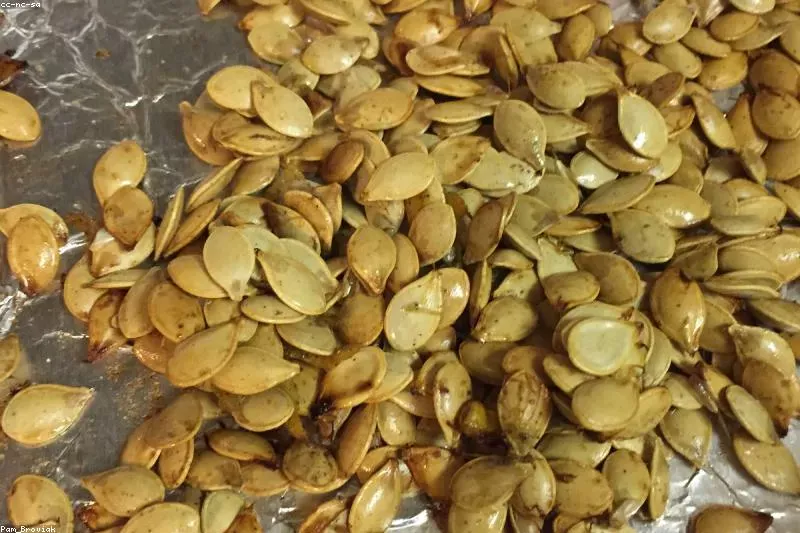
Pumpkin seeds (Cucurbita pepo) are rightly the best-known natural remedy for the prostate. They contain impressive amounts of zinc (the prostate accumulates more zinc than any other organ), phytosterols (especially beta-sitosterol, which reduces inflammation and prostate size), cucurbitacins (unique compounds with anti-adenoma effect), omega-3 and omega-6 fatty acids, vitamin E, and magnesium.
How to consume
- Amount: A handful (about 30-50 g) of raw, unroasted, unsalted pumpkin seeds per day
- How to take: Chew well, directly, as a snack between meals. Or add to salads, yogurt, over morning cereal.
- Pumpkin seed oil: 1-2 teaspoons per day over salad, unheated. It’s a concentrated phytosterol supplement.
- Duration: At least 3 months to see visible improvements. Ideally, they become a permanent part of the diet.
Paste variant: Pumpkin seeds can be ground with a little honey and lemon juice, obtaining a tasty paste that is eaten 1 tablespoon in the morning and one in the evening.
Why it works: Studies have shown that pumpkin seed oil reduces BPH symptoms by up to 40-50% after 3-6 months of use, comparable to common medications but without side effects.
Remedy 2: Saw palmetto extract (Serenoa repens)
Saw palmetto, known in medical literature as Serenoa repens, is probably the most studied plant for benign prostatic hyperplasia. It grows in Florida and the southeastern US, and its fruits were used by Native Americans for urinary problems. It works by inhibiting the 5-alpha-reductase enzyme, which converts testosterone to dihydrotestosterone (DHT), the main hormone involved in prostate growth.
- Form: Capsules with standardized extract 85-95% fatty acids and total sterols
- Dose: 320 mg per day, in a single dose or divided in two, with meals (the fat content of meals helps absorption)
- Duration: Minimum 3 months to evaluate effectiveness. Those with good results can continue long-term.
Studies: A Cochrane meta-analysis showed significant improvements in urinary flow, reduced nocturia, and decreased residual bladder volume in men with mild-moderate BPH.
Precautions: Can be combined with pumpkin seeds for synergistic effect. It doesn’t interact with most medications, but inform your doctor if you take anticoagulants.
Remedy 3: Nettle root, a German discovery
While nettle leaves are used for anemia and as a spring revitalizer, nettle root (Urticae radix) has entirely different properties, discovered more recently. The root contains lignans, sterols, lectins, and polysaccharides that inhibit the binding of dihydrotestosterone to receptors in the prostate, thus reducing hormonal stimulation of prostate tissue.
- Form: Nettle root capsules or tincture, available in health stores
- Capsule dose: 400-600 mg extract per day, divided into two doses
- Tincture dose: 30-40 drops 3 times a day, diluted in water
- Duration: 2-3 months to evaluate the effect
- Traditional preparation: Decoction from 1 tablespoon of dried chopped root in 250 ml water, boiled 10 minutes, strained. Drink one cup twice a day.
Note: In Germany, nettle root extract is included in the official treatment guidelines for benign prostatic hyperplasia, with good clinical evidence.
Remedy 4: Small-flowered willow herb tea (Epilobium parviflorum)
Willow herb is a traditional Austrian and Bavarian remedy for the prostate, popularized by the famous Maria Treben. It contains flavonoids, tannins, beta-sitosterol, and other compounds with anti-inflammatory and decongestive effects on prostate tissue.
How to prepare
- Ingredients: 1 teaspoon of dried willow herb (flowers and plant), 250 ml boiling water
- Preparation: Steep 10 minutes, covered, then strain. Drink unsweetened.
- How to take: One cup in the morning on an empty stomach and one in the evening, 30 minutes before dinner.
- Duration: 4-6 weeks. Can be repeated 2-3 times a year.
Caution: There are several species of willow herb. The medicinal one is the small-flowered (Epilobium parviflorum), not the large-flowered one, which doesn’t have the same properties. Buy from trusted sources, pharmacies, or reputable producers.
Additional benefits: Reduces urgency, nighttime frequency (nocturia), and feeling of pressure in the perineum.
Remedy 5: Bee pollen and bee bread
Bee pollen is a “superfood” for the prostate too. It contains zinc, selenium, amino acids, flavonoids, enzymes, B vitamins, and phytosterols. A standardized Swedish pollen preparation (Cernilton), used and studied for more than 50 years, has shown significant improvements in men with chronic prostatitis and benign BPH.
- Pollen granules: 1-2 teaspoons per day, in the morning on an empty stomach, with a little water, honey, or yogurt
- Bee bread (fermented bee pollen): 1 teaspoon per day, easier to digest and with increased bioavailability
- Duration: Cures of 2-3 months, with 2-week breaks
Precaution: People allergic to hive products must avoid or test very carefully, starting with a few granules.
Remedy 6: Combined prostate infusion
For those who prefer teas, there’s a traditional combined formula that works synergistically on prostate problems.
Recipe
- Ingredients: 1 part nettle root, 1 part willow herb, 1 part horsetail, 1 part calendula flowers
- Preparation: Mix the dried herbs in equal proportions. Take 1 teaspoon of the mixture in 250 ml of boiling water, cover and steep for 15 minutes. Strain.
- How to take: 2-3 cups per day, between meals, unsweetened or with a little honey.
- Duration: 4-6 weeks, with similar breaks.
Why it works: Horsetail has a mild diuretic and anti-inflammatory effect, calendula calms inflammation, and nettle and willow herb act directly on the prostate. The combination offers a broad spectrum of action.
Causes of prostate problems
BPH (benign prostatic hyperplasia)
- Age: After 40, the prostate gradually begins to grow; at 60, about 50% of men have BPH; at 80, 90%
- Hormones: Imbalance between testosterone, dihydrotestosterone, and estrogen
- Genetics: If your father or brother had BPH, the risk is higher
- Lifestyle: Diet high in saturated fats, obesity, sedentarism, diabetes
Prostatitis
- Acute or chronic bacterial infections
- Non-bacterial prostatitis (inflammation without infection)
- Stress, pelvic muscle dysfunctions
- Symptoms: perineal pain, pain on urinating or ejaculating, fever (in acute form)
Signs that should not be ignored
- Blood in urine or semen
- Bone pain (especially hips, back)
- Unexplained weight loss
- New erectile dysfunction
- Nodules detected on digital rectal exam
- Elevated PSA
All these require immediate urological evaluation to exclude prostate cancer.
Prevention: diet and lifestyle
Foods beneficial for the prostate
- Tomatoes and tomato products (juice, sauce, paste): contain lycopene, a powerful antioxidant that protects the prostate
- Fatty fish (sardines, mackerel, salmon): omega-3s reduce inflammation
- Cruciferous vegetables: broccoli, cauliflower, cabbage, arugula
- Legumes: lentils, chickpeas, soy, beans, all with protective phytoestrogens
- Brazil nuts: excellent source of selenium (2-3 per day)
- Green tea: polyphenolic antioxidants
- Garlic and onion: anti-inflammatory effects
What to avoid
- Excess red meat, especially fried
- Excess dairy (some studies associate it with increased risk)
- Alcohol, especially beer (estrogenic effect)
- Refined sugar and refined carbohydrates
- Processed foods
- Excess coffee (irritates the bladder)
Movement and general health
- Regular physical exercise (walking, swimming, cycling with an appropriate saddle)
- Kegel exercises for pelvic floor muscles
- Maintaining normal weight
- Avoid sitting on soft chairs for long periods
- Regular sex life (helps prostate drainage)
- Stress reduction
- Adequate sleep
Hydration
- Drink enough water during the day, but reduce intake 2 hours before bedtime to limit night awakenings
- Avoid coffee, alcohol, and carbonated drinks in the evening
Check-ups and tests
All men over 50 (or over 45 if they have a family history) should annually have:
- Digital rectal exam
- PSA (prostate-specific antigen)
- Uroflowmetry (in case of symptoms)
- Prostate ultrasound, if indicated
When to go urgently to a urologist
- Inability to urinate (acute retention)
- Blood in urine
- Fever with perineal pain
- Lower back pain and fever (possible pyelonephritis)
- Elevated PSA on tests
- Palpable nodule on digital rectal exam
- Sudden weight loss
- Bone pain
Remember: The prostate isn’t an organ “to be whispered about.” Prostate problems are common, treatable, and in most cases benign. Don’t wait until you feel bad to go to the doctor. Get annual check-ups, take care of your diet, move every day, and plants are there as allies, not as replacements for your doctor. An informed man who takes care of himself lives better and longer.