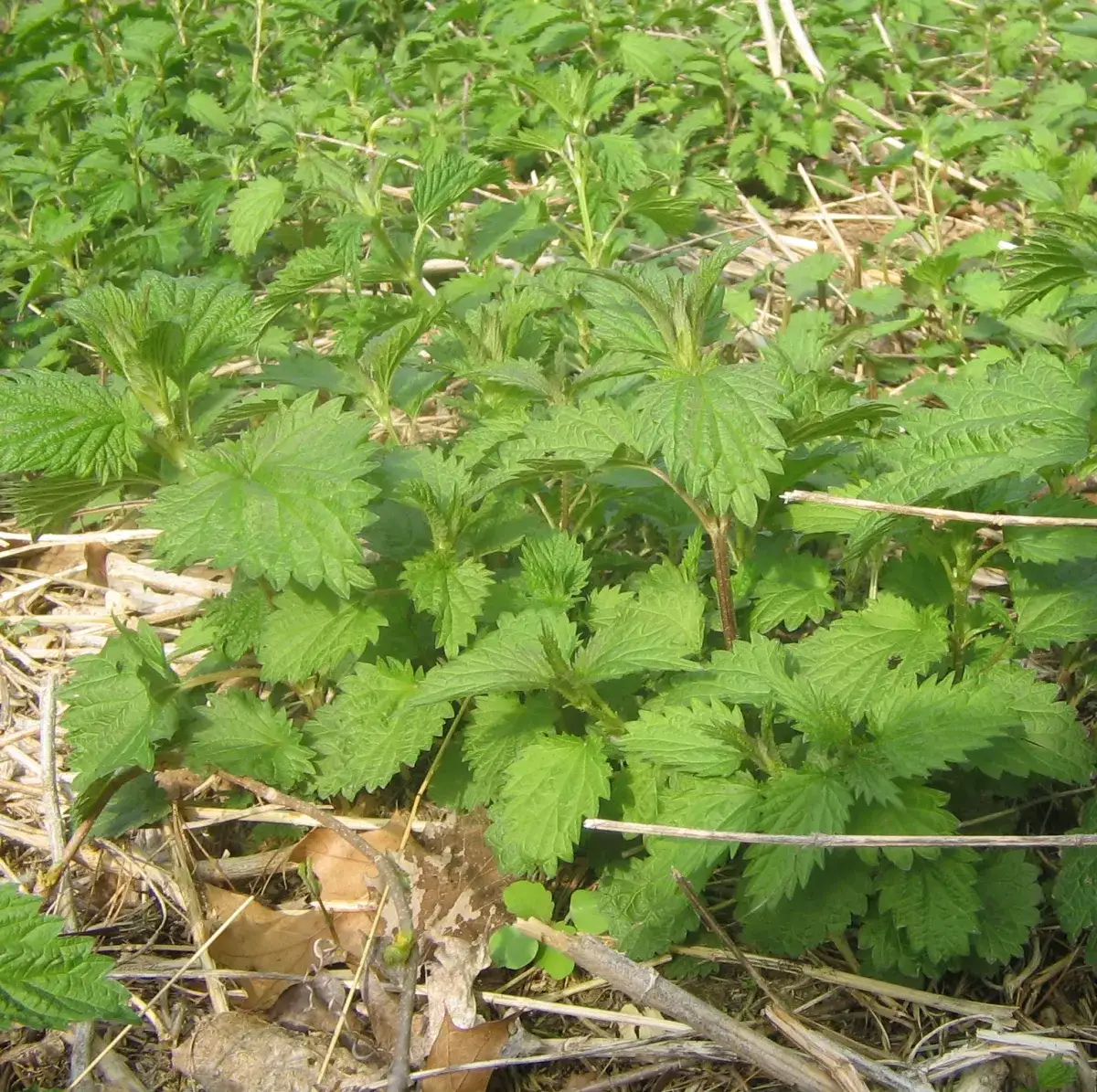
 Photo: Violetcabra, CC0, via Wikimedia Commons
Spring fatigue is a mix of tiredness, sleepiness, low motivation and irritability that appears at the end of winter and the start of spring, usually between February and April. It is not a disease but a slow adjustment of the body to more daylight, changeable temperatures and the clock change, on top of low vitamin D stores after winter. It usually improves within 2-4 weeks with daylight, movement, regular sleep and fresh spring greens.
In Romania it is called “astenie de primăvară”, and grandmothers had a clear answer for it: nettle soup, dandelion salad, wild garlic and getting out into the sun. Today we know their instinct had a real basis: spring greens provide folate, vitamin C, vitamin K, iron and magnesium exactly when stores are at their lowest.
Key takeaways
- Spring fatigue usually lasts 2-4 weeks and leaves no lasting effects.
- Main causes: low vitamin D after winter, a shifting light-dark rhythm, the switch to summer time, less activity and a diet short on fresh vegetables.
- Morning light and outdoor movement are the most effective “remedies”, followed by regular sleep.
- Nettles, wild garlic, dandelion, spinach, sea buckthorn and rosehips deliver concentrated nutrients.
- Tiredness lasting more than 4-6 weeks, or coming with weight loss, fever, pallor or deep sadness, needs blood tests.
What happens in the body in spring
Vitamin D at its lowest
At Central European latitudes, between October and March the sun is not high enough for the skin to make useful amounts of vitamin D. By late winter many people have levels below 20-30 ng/ml. Low vitamin D is linked to fatigue, muscle aches and lower mood. More in our article on vitamin D deficiency.
The body clock resets
Days lengthen quickly and the body adjusts its melatonin and cortisol output. Melatonin built up over winter and increasingly strong morning light can produce a mix of daytime sleepiness and restless nights. The switch to summer time at the end of March adds a small “jet lag” that lingers for a few days.
Changeable temperatures
Big temperature swings force the body to adapt circulation and blood pressure. People with low blood pressure feel these days more sharply, with dizziness and heavy legs.
Winter leaves traces on the plate
After months of heavy food, less fresh fruit and veg and more sugar, stores of folate, vitamin C, magnesium and iron may be borderline. Lack of exercise lowers fitness, so ordinary effort suddenly feels more tiring.
Symptoms of spring fatigue
- tiredness that does not lift after a night’s sleep;
- afternoon sleepiness, frequent yawning;
- irritability, low motivation, poor concentration;
- mild headaches, sensitivity to weather changes;
- sugar cravings;
- mild dizziness, especially when standing up quickly;
- heavy legs, feeling cold.
Unlike seasonal affective disorder, which starts in autumn or winter and lasts for months, spring fatigue is short, and mood improves as sunny days arrive.
What actually helps
1. Morning light
20-30 minutes outdoors in the first hour after waking, even on cloudy days, resets the body clock, clears leftover melatonin and boosts alertness. Walking to work or drinking your coffee on the balcony counts. It is the measure with the best effort-to-result ratio.
2. Moderate daily movement
Studies consistently show that moderate physical activity reduces feelings of fatigue in sedentary people. 30 minutes of brisk walking, cycling or gardening 5 times a week is enough. This is not the moment for exhausting workouts: build up gradually.
3. Regular sleep
Go to bed and get up at the same time, weekends included, aiming for 7-9 hours. No screens in the hour before bed. If you need a nap, keep it to 20-30 minutes.
4. Spring greens
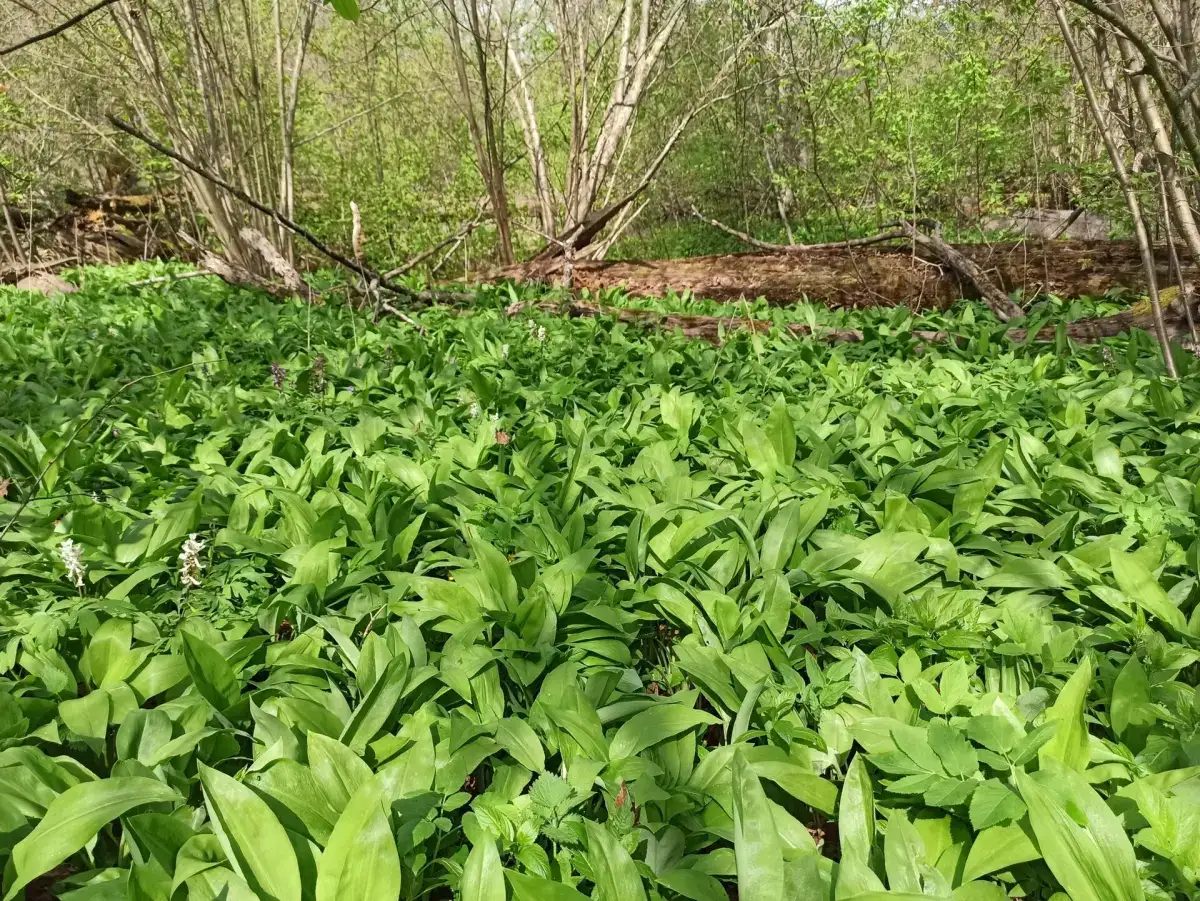 Photo: Юлия Медведько, CC BY 4.0, via Wikimedia Commons
| Food | What it provides | How to use it |
|---|---|---|
| Young nettles | iron, calcium, vitamin K, vitamin C, folate | soup, purée, pie, tea |
| Wild garlic | vitamin C, sulphur compounds | salad, pesto, stirred into soups at the end |
| Dandelion leaves | vitamin A, K, potassium, bitter taste | salad with egg and olive oil |
| Spinach, orache, sorrel | folate, magnesium, iron | soups, stews, smoothies |
| Sea buckthorn | vitamin C, carotenoids | syrup, tea, with honey |
| Rosehips | vitamin C | tea, syrup |
| Pumpkin seeds, walnuts | magnesium, zinc | 30 g a day as a snack |
| Eggs, oily fish | vitamin D, B12, protein | 3-4 eggs and 2 portions of fish a week |
Plant iron is absorbed better with vitamin C. A nettle soup soured with lemon juice or served with raw pepper is a good example.
Practical recipes
Nettle soup
For 4 portions: 300 g young nettles (the tops, picked with gloves), an onion, a carrot, 2 potatoes, 2 tablespoons rice, 1.5 litres of water, juice of half a lemon, dill. Wash the nettles well and blanch them for 1 minute. Simmer the vegetables for 15 minutes, add the rice and, after another 10 minutes, the chopped nettles. Cook 5 more minutes, sour with lemon and sprinkle with dill. Optionally finish with a beaten egg or sour cream.
Nettle and mint tea
1 teaspoon dried nettle leaf, 1/2 teaspoon mint, 250 ml boiling water, steep covered for 10 minutes. 2 cups a day, morning and midday, for 2-3 weeks. Nettle tea is also mildly diuretic.
Wild garlic pesto
100 g wild garlic leaves, 30 g sunflower seeds or walnuts, 30 g grated hard cheese, 100 ml olive oil, a pinch of salt. Blend and keep in the fridge in a jar topped with a layer of oil for up to a week. Be careful when foraging: wild garlic is easily confused with autumn crocus and lily of the valley, which are poisonous. Wild garlic smells strongly of garlic when a leaf is crushed. If in doubt, buy it at the market.
Rosehip tea
2 tablespoons crushed rosehips, 500 ml water, simmer gently for 10 minutes, then leave covered for another 10 minutes. Strain through muslin to catch the fine hairs. 2 cups a day.
Supplements: when they make sense
| Supplement | When it is worth it | Typical adult dose |
|---|---|---|
| Vitamin D3 | almost everyone at the end of winter, ideally after testing | 1000-2000 IU/day |
| Magnesium | cramps, restless sleep, stress | 200-300 mg/day |
| Iron | only with confirmed low ferritin | as prescribed |
| Vitamin B12 | vegetarians, older adults, people on metformin | based on tests |
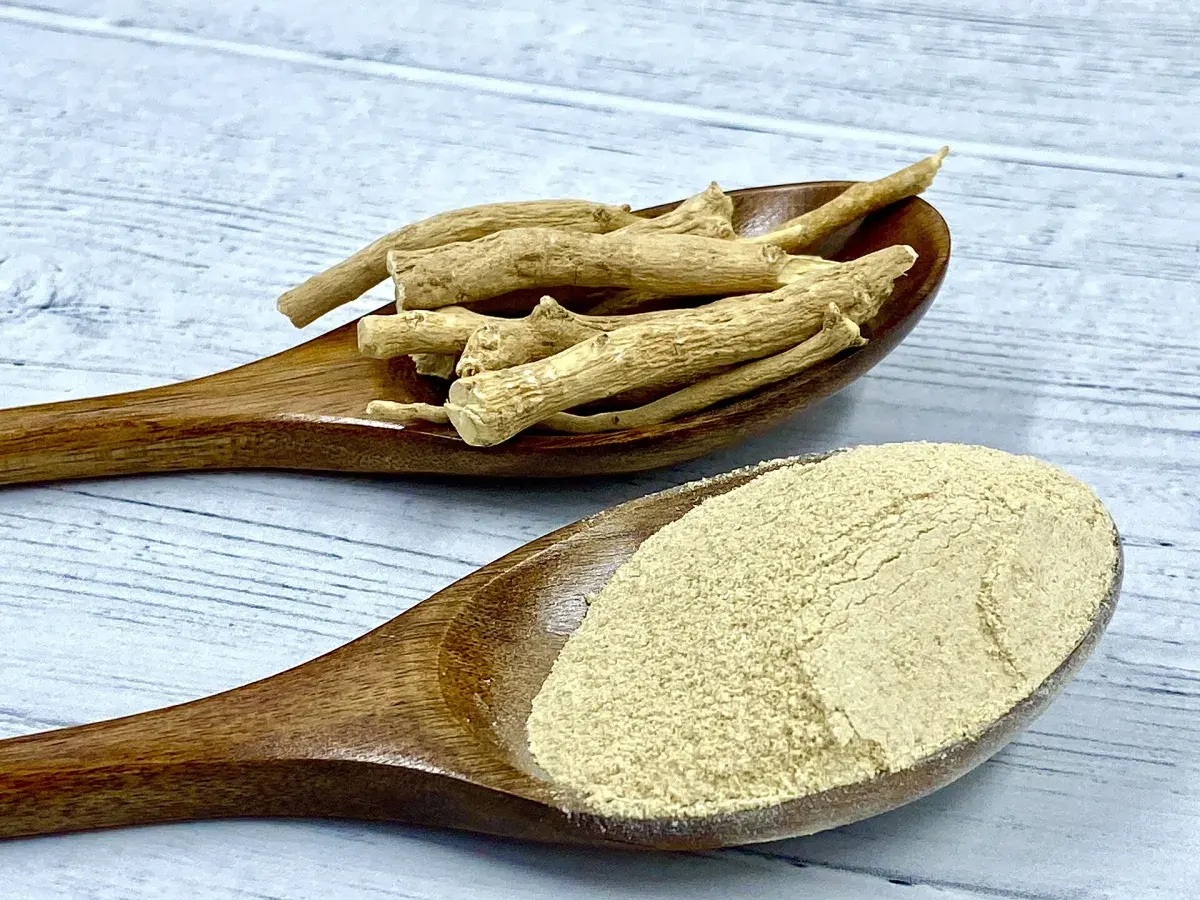
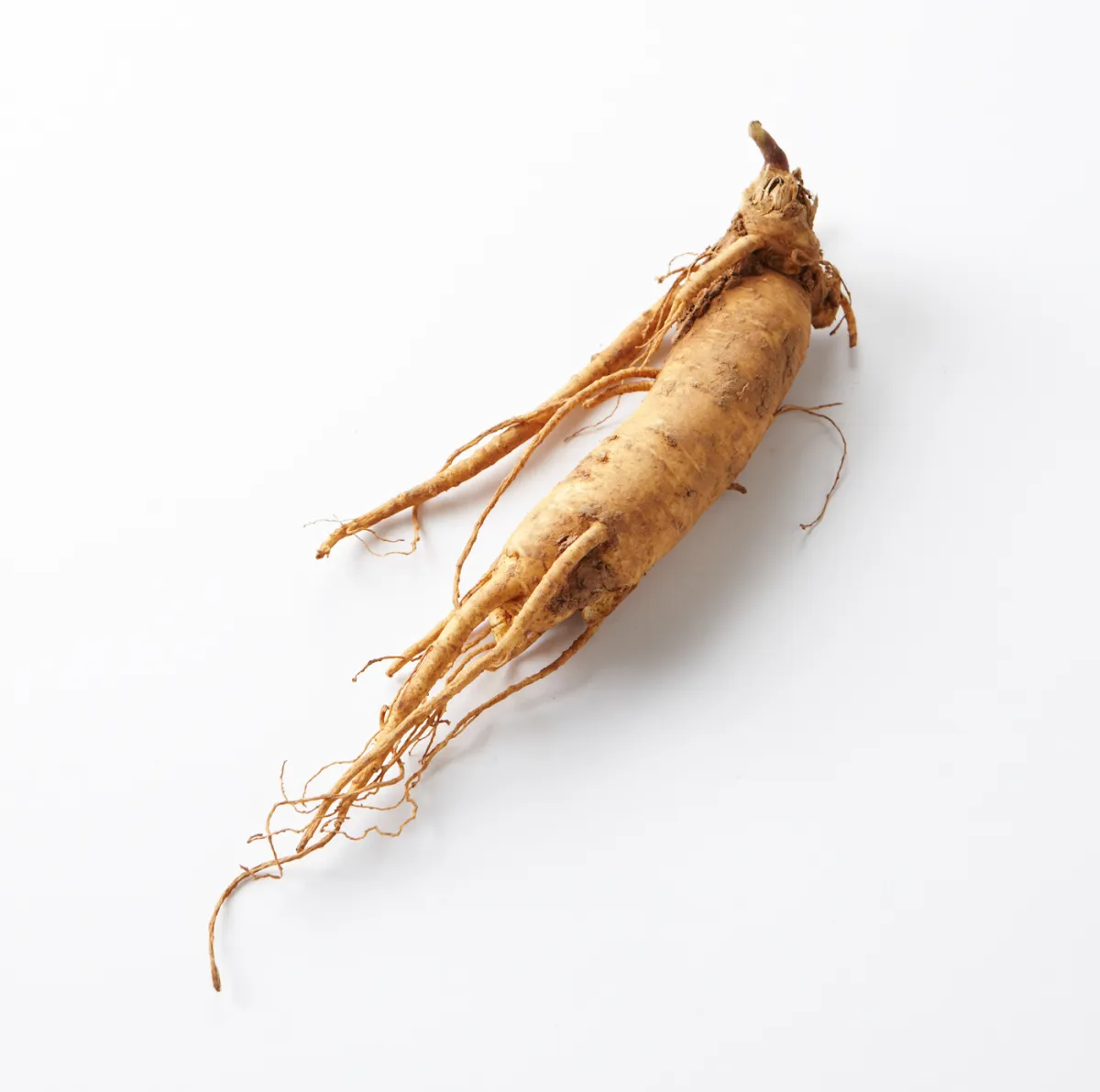
| Siberian ginseng (eleuthero) | short periods of heavy workload | per label, max 2 months |
“Energy multivitamins” do not work miracles without a real deficiency. Iron taken without testing can do harm. For persistent fatigue, start with blood tests, not the pharmacy shelf.
Precautions
- Nettle is diuretic and contains vitamin K: take care with warfarin-type anticoagulants, diuretics, lithium, and in heart or kidney failure.
- Dandelion should be avoided with bile duct obstruction and in people allergic to the daisy (Asteraceae) family.
- Ginseng should be avoided with uncontrolled high blood pressure, in pregnancy, with insomnia and with anticoagulants.
- Extra caffeine masks tiredness but ruins sleep; more than 3-4 coffees a day keeps the vicious circle going.
When it is no longer spring fatigue
See a doctor if your tiredness:
- lasts more than 4-6 weeks;
- comes with unexplained weight loss, fever or night sweats;
- comes with pallor, breathlessness on light effort or palpitations (possible anaemia);
- comes with strong thirst and frequent urination (possible diabetes);
- comes with deep sadness, hopelessness or dark thoughts;
- comes with loud snoring and pauses in breathing during sleep.
Useful basic tests: full blood count, ferritin, blood glucose, TSH, vitamin D, vitamin B12, kidney and liver function. For tiredness lasting months, see also our guide to fatigue.
Common mistakes
- Coffee instead of sleep, which upsets the rhythm even more.
- Drastic “detox” regimes with juices and fasting: they leave the body short of protein and energy. A balanced approach is described in our article on spring detox.
- Taking iron “just in case”.
- Intense exercise after a sedentary winter, which adds exhaustion and injury risk.
- Staying indoors all day even when the sun is out.
Conclusion
Spring fatigue is a sign that the body needs time and a few adjustments to switch from winter to summer mode. Morning light, daily movement, regular sleep and spring greens are, together, the best treatment. Nettles and wild garlic are not just tradition but remarkably nutrient-dense foods. If tiredness does not lift after a few weeks, do not blame the season: get the basic blood tests done.
Frequently asked questions
How long does spring fatigue last? Usually 2 to 4 weeks. As days lengthen and you get out and move more, energy comes back gradually. If it lasts more than 6 weeks, the cause is probably something else.
Which vitamins should I take for spring fatigue? Vitamin D3 is the most useful for most people at the end of winter. Magnesium helps if you have cramps or restless sleep. Iron and vitamin B12 should only be taken if tests show a deficiency.
Is nettle tea good for tiredness? Nettle tea is rich in minerals and mildly diuretic, but the amount of iron extracted into the tea is small. Eating nettles (soup, purée) provides more nutrients than the tea.
Why am I sleepier in spring? Because the body clock is adjusting to the new day length, and the switch to summer time shortens one night. Morning light and fixed sleep times speed up the adjustment.
Can spring fatigue cause dizziness? Yes, especially in people with low blood pressure, due to temperature swings and poor hydration. Repeated dizziness with fainting or palpitations should still be checked by a doctor.
Do ginseng or royal jelly help? Siberian ginseng has traditional use for temporary fatigue and some modest clinical data. Royal jelly lacks solid evidence. Both can be tried briefly, but they do not replace light, movement and sleep.
Can children get spring fatigue? Yes, especially school children, who also feel end-of-term tiredness. Enough sleep, outdoor play and a colourful plate are the main solutions; supplements only on a paediatrician’s advice.
Sources
- EMA/HMPC: community herbal monographs on Urticae folium/herba and Eleutherococci radix.
- EFSA and NIH Office of Dietary Supplements: fact sheets on vitamin D, magnesium and iron.
- Systematic reviews indexed in PubMed on exercise and fatigue in sedentary adults.
- Chronobiology literature on daylight saving time and sleep (American Academy of Sleep Medicine).
This content is for information only and does not replace medical advice. See a qualified professional for diagnosis and treatment.