
Natural Remedies for Sunburn
We have all been there at least once: a day at the beach, in the mountains, or even just working in the garden, and by evening you look in the mirror and see a boiled lobster staring back. The skin on your face burns, feels hot to the touch, turns beet-red, and sometimes even swells up. Sunburn is not just a cosmetic annoyance; medically speaking, it is a first-degree burn (and sometimes second-degree, with blisters) caused by ultraviolet radiation.
What happens inside the skin during sunburn? UVB radiation penetrates the epidermis and directly damages cellular DNA. The body responds with a massive inflammatory reaction: blood vessels dilate (causing the redness), prostaglandins and inflammatory cytokines are released (causing pain and heat), and irreparably damaged cells enter apoptosis (programmed cell death), which later causes the peeling.
UVA radiation, which penetrates deeper, reaches the dermis and damages collagen and elastin fibers, contributing to premature skin aging. A single severe sunburn in childhood can double the risk of melanoma in adulthood. Prevention is essential, but when the damage is already done, natural remedies can calm the inflammation, accelerate healing, and reduce the risk of excessive peeling.
1. Aloe Vera Gel: The Irreplaceable Classic
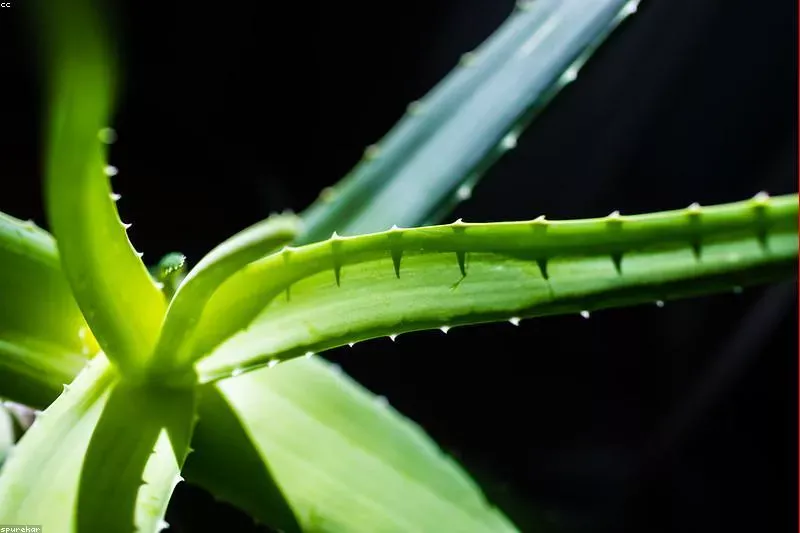
Aloe vera is synonymous with sunburn treatment, and for good reason. It is a plant you can find on any windowsill, in any greenhouse, and it is incomparably effective on sun-damaged skin.
How to apply:
- Cut a thick aloe vera leaf and let the yellow resin (aloin) drain for 5 minutes
- Extract the transparent gel with a spoon
- Refrigerate the gel for 30 minutes (the cold amplifies the soothing effect)
- Apply to sunburned skin in a generous layer, without rubbing
- Let it air-dry naturally
- Reapply every 2-3 hours on the first day
- Continue 3-4 times daily in the following days
Why it works: Acemannan in aloe vera has a strong anti-inflammatory effect, reducing prostaglandin levels at the burn site. Polysaccharides form a hydrophilic film on the skin that prevents dehydration. Aloe vera stimulates epidermal growth factor (EGF), accelerating regeneration of damaged cells. Proteolytic enzymes help clear dead tissue. Clinical studies have shown that aloe vera accelerates first-degree burn healing by 3-4 days compared to conventional treatment.
Practical tip: If you do not have access to the plant, store-bought aloe vera gel works, but choose one with a minimum of 90% aloe, free of alcohol (which dries and further irritates), colorants, or fragrances.
2. Black Tea or Green Tea Compresses
Tea is a popular sunburn remedy in Britain and Asia, regions with strong tea-drinking traditions. The tannins in tea have remarkable astringent and anti-inflammatory properties.
How to apply:
- Brew a concentrated tea: 4-5 bags of black or green tea in 500 ml of boiled water
- Steep for 15 minutes, then remove the bags
- Cool the tea in the refrigerator or add ice cubes
- Soak a soft cotton towel in the tea and apply to the burned area
- Leave the compress on for 15-20 minutes
- Repeat 3-4 times daily
- Alternatively, wet and cold tea bags can be applied directly to small areas (nose, cheeks)
Why it works: Tannic acid in tea precipitates surface proteins on the skin, forming a protective layer that reduces pain and burning sensation. EGCG (epigallocatechin gallate) in green tea is a powerful antioxidant that neutralizes free radicals generated by UV radiation. Theobromine has a mild vasoconstricting effect, reducing redness. The cold temperature of the compresses provides immediate relief.
3. Yogurt and Cucumber Mask
This combination is a natural skincare classic used by women throughout the Mediterranean. Yogurt soothes, cucumber cools, and together they form an ideal mask for a sunburned face.
The recipe:
- 1/2 cucumber, peeled and finely grated or blended
- 3 tablespoons of plain yogurt (Greek yogurt with high fat content works best)
- Mix well
- Apply to the face (and neck, chest) in a thick layer
- Lie down with a towel under your head and rest for 20-25 minutes
- Rinse with cool water (not lukewarm)
- Repeat twice daily for the first 2-3 days
Why it works: Yogurt contains lactic acid, a natural AHA with soothing properties (at low concentrations, lactic acid soothes rather than exfoliates). Probiotics in yogurt support the skin microbiome, which is disrupted by sunburn. Fats in yogurt restore the damaged lipid barrier. Cucumber contains cucurbitacins with anti-inflammatory properties, plus a 96% water content that intensely hydrates sun-dehydrated skin.
4. Diluted Apple Cider Vinegar
Apple cider vinegar is a controversial but popular sunburn remedy. Used correctly (heavily diluted), it can be surprisingly effective.
How to apply:
- Mix 1 part apple cider vinegar with 3 parts cold water (this ratio is very important; never use it concentrated)
- Lightly spray on sunburned skin or apply with a soft towel
- Let it air-dry naturally
- If you feel stinging, dilute further
- Apply 2-3 times daily
- Rinse after 15-20 minutes if the skin feels tight
Why it works: Acetic acid in apple cider vinegar restores the skin’s natural pH (which is disrupted by sunburn). This accelerates healing and reduces infection risk. Malic acid has anti-inflammatory properties. Potassium in apple cider vinegar helps rebalance electrolytes at the skin level. Many people report near-instant relief from the burning sensation.
Critical warning: Never apply undiluted apple cider vinegar to sunburned skin. Do not apply on skin with blisters or open lesions. If you feel any irritation, rinse immediately with cool water.
5. Cold Milk Compresses
Cold milk is a first-aid sunburn remedy that grandmothers knew well. It is available in any refrigerator and works quickly.
How to apply:
- Chill whole milk (full-fat, not skim) in the refrigerator
- Soak a soft cotton towel or gauze in the cold milk
- Apply to sunburned skin for 15-20 minutes
- Change the compress when it warms up
- Gently rinse with cool water after application
- Repeat 3-4 times daily during the first 48 hours
Why it works: Milk proteins (casein and whey protein) form a protective film on the skin, reducing pain and burning sensation. Milk fat rehydrates the damaged lipid layer. Lactic acid, in the low concentration found in milk, calms inflammation without irritating. The cold temperature produces local vasoconstriction, reducing redness and swelling. Milk’s slightly acidic pH (6.5-6.8) is closer to natural skin pH than water.
6. Coconut Oil: The Post-Acute Remedy
Coconut oil should not be applied during the first 24-48 hours of sunburn (because it is occlusive and can trap heat in the skin). But once the acute phase has passed and the skin begins to peel, it becomes extraordinarily useful.
How to apply:
- Wait a minimum of 48 hours after sunburn (skin should no longer feel hot to the touch)
- Apply virgin coconut oil in a thin layer to the affected skin
- Massage gently, without rubbing
- Apply 2-3 times daily
- Continue for 1-2 weeks until fully healed
Why it works: Lauric acid in coconut oil has antimicrobial properties, protecting vulnerable skin from opportunistic infections. The oil forms an occlusive barrier that reduces transepidermal water loss, preventing excessive peeling. Vitamin E protects new cells from oxidative stress. Medium-chain fatty acids (capric acid, caprylic acid) penetrate quickly and nourish the skin from within.
Internal Hydration: An Essential Element
Sunburn does not just affect the skin externally; it causes systemic dehydration. The body sends more water and plasma to the affected area, reducing circulating volume. Therefore:
- Drink more water than usual, at least 2.5-3 liters per day
- Add electrolytes: water with a teaspoon of honey and a pinch of salt, or tomato juice, coconut water
- Eat fruits with high water content: watermelon, cucumbers, oranges, strawberries
- Avoid alcohol and coffee, which amplify dehydration
- Eat antioxidant-rich foods: berries, tomatoes (lycopene), spinach, nuts
When to See a Doctor
Sunburn is usually self-limiting and heals within 5-7 days. But there are situations that require medical attention:
- Extensive blisters: If large, fluid-filled blisters appear on large areas of the body, this is a second-degree burn.
- Fever, chills, nausea: Signs of a systemic reaction (heat stroke) requiring intravenous hydration and medical supervision.
- Sunburn in children under 2: Babies’ skin is much thinner and more vulnerable.
- Severe sunburn covering more than 20% of body surface area.
- Signs of infection: Spreading redness, pus discharge, rising fever, red streaks on the skin.
- Dizziness or confusion: Signs of severe dehydration or heat stroke.
Remember: every sunburn adds up. The skin keeps a running tally of each exposure and never forgets. The best treatment for sunburn remains prevention: sunscreen with SPF 30+ reapplied every 2 hours, a hat, UV-protective clothing, and avoiding the sun between 11:00 AM and 4:00 PM. Your skin will thank you 20 years from now.