
Natural prevention of thrombosis
IMPORTANT: Deep vein thrombosis and pulmonary embolism are medical emergencies that can be fatal. If you have sudden pain in a calf, with swelling, redness, local warmth, or unexpected shortness of breath, chest pain, fainting, go immediately to the hospital. This article addresses prevention, not treatment of active thrombosis. If you are already on anticoagulants (warfarin, Xarelto, Eliquis, Pradaxa, aspirin), do not introduce herbs or supplements without your cardiologist’s or hematologist’s approval, due to the risk of bleeding.
A cousin of my father, a long-distance truck driver, died on the way back from a run in Spain. He was 52. He had been driving 14 hours without a real break, stopped at a gas station, got out to stretch his legs, and a few steps later collapsed. It was pulmonary embolism, from a clot formed in one of his leg veins. He did not smoke, was not obese, had no severe illnesses. He had just stayed too still, legs under the wheel, blood concentrated from dehydration. This story changed how our family views thrombosis prevention.
Thrombosis means the formation of a blood clot (thrombus) in a vessel. It most often appears in the deep veins of the calves (deep vein thrombosis, DVT), from where it can detach and migrate to the lungs (pulmonary embolism) or, in other circumstances, to the brain (stroke) or heart (heart attack). Risk factors are numerous: prolonged immobilization, long travels, surgeries, pregnancy, oral contraceptives, cancer, obesity, age over 60, genetic coagulation deficiencies. Natural prevention, combined with medical measures, is essential.
Table of contents
- What thrombosis is and how it happens
- Remedy 1: Garlic, the natural blood thinner
- Remedy 2: Ginger and natural salicylate
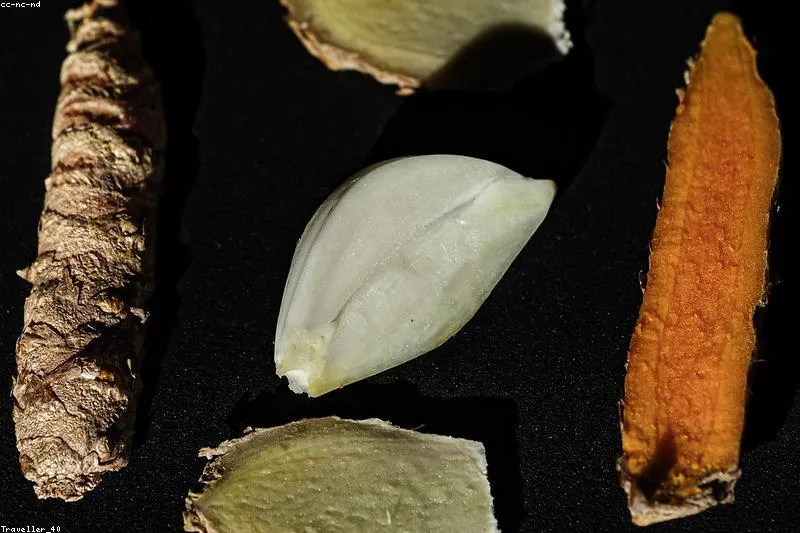
- Remedy 3: Turmeric and curcumin
- Remedy 4: Pineapple and bromelain
- Remedy 5: Omega-3 and alpha-linolenic acid
- Remedy 6: Green tea and polyphenols
- Proper hydration
- Daily movement and specific exercises
- Antithrombotic diet
- Practical tips for risk groups
- Frequently asked questions
What thrombosis is and how it happens
Blood normally flows freely through vessels. When there is an injury (cut, wound), coagulation is triggered and blood clots to stop bleeding. The problem arises when this mechanism is activated inside an intact vessel, forming a clot that blocks circulation.
The three ingredients of thrombosis (Virchow’s triad)
- Blood stasis: Immobilization, prolonged sitting, crossed legs, venous insufficiency.
- Vessel wall injury: Inflammation, infections, venous catheters, atherosclerosis.
- Hypercoagulability: Dehydration, pregnancy, contraceptives, cancer, genetic diseases.
When the three elements overlap, the risk becomes real.
Warning symptoms
- Dull, persistent pain in one calf (typically unilateral)
- Asymmetric swelling (one calf thicker than the other by more than 3 cm)
- Redness, local warmth
- Shinier or purplish skin
- Pain on foot flexion (Homans’ sign)
Immediate emergency (call 911) if: sudden shortness of breath, chest pain, coughing blood, severe dizziness, syncope (fainting).
Remedy 1: Garlic, the natural blood thinner
Garlic (Allium sativum) has a well-documented ability to reduce platelet aggregation, through a mechanism similar (much milder) to that of aspirin. Allicin and its sulfur compounds act on blood platelets, making blood more fluid.
How to use it
- 2 crushed cloves per day, raw or added at the end of cooking, on bread with olive oil.
- Garlic oil macerate: 5 to 6 crushed cloves in 200 ml extra virgin olive oil, kept 48 hours in the refrigerator, then strained. Use in salads. Keep refrigerated and consume within 2 weeks.
- Garlic extract capsules: 600 to 1200 mg per day, odorless versions are suitable for social life.
Caution: If you are on anticoagulants, consult your doctor. Do not take medicinal doses of garlic within 2 weeks before any surgery.
Remedy 2: Ginger and natural salicylate
Ginger contains compounds with antiplatelet and anti-inflammatory effects, including gingerols and a natural salicylate (a relative of aspirin). The effect is mild, suitable for daily use in people at risk.
Ways to use
- Daily tea: 3 to 4 slices fresh ginger in 400 ml boiling water, with lemon and a little honey. 2 cups a day.
- Ginger and turmeric shot: 2 cm ginger + 1 cm turmeric + 1 apple + water, all in the blender, strained. 50 ml in the morning.
- Ginger powder in food: 1/2 teaspoon per day, in soups, stews, smoothies.
Remedy 3: Turmeric and curcumin
Turmeric (Curcuma longa) is probably the best-studied spice for its effects on coagulation and inflammation. Curcumin reduces platelet aggregation, improves endothelial function and has a strong antioxidant effect.
How to use it
- Golden milk: 1 cup plant milk + 1/2 teaspoon turmeric + 1/4 teaspoon ginger + 1 pinch black pepper (important for absorption) + cinnamon + honey. In the evening.
- In food: In rice, stews, eggs, lentil soup.
- Curcumin + piperine capsules: 500 mg, 1 to 2 per day. Formulas with piperine or liposomal ones have much better bioavailability.
Important: Curcumin needs fat and black pepper to be absorbed. Dry turmeric, just added to water, absorbs very poorly.
Remedy 4: Pineapple and bromelain
Bromelain, a proteolytic enzyme extracted from pineapple, has documented effects in reducing blood viscosity, preventing platelet aggregation and fibrinolysis (breakdown of small clots).
How to use
- Fresh pineapple: A few slices (150 to 200 g) per day, between meals. The stem is richest in bromelain but fibrous, can be added to a smoothie.
- Pineapple smoothie: Pineapple + cucumber + ginger + mint + water. Refreshing and effective.
- Bromelain supplements: 200 to 500 mg per day, between meals (on an empty stomach it has systemic effect, with meals it has digestive effect).
Caution: May interact with anticoagulants, antibiotics. Not during pregnancy.
Remedy 5: Omega-3 and alpha-linolenic acid
Omega-3 fatty acids reduce platelet aggregation, lower triglycerides, improve cell membrane flexibility. They are among the few supplements with clearly demonstrated cardiovascular benefit.
- Fatty fish: Sardines, mackerel, herring, salmon, twice a week.
- Ground flax seeds: 1 to 2 tablespoons per day.
- Walnuts: 4 to 5 per day.
- Fish oil: 1000 to 2000 mg EPA+DHA per day.
- Chia seeds: 1 tablespoon in yogurt or smoothie.
Remedy 6: Green tea and polyphenols
Green tea is rich in catechins (especially EGCG) with antioxidant and antiplatelet effects. In addition, it contains L-theanine, which reduces stress (and chronic stress increases coagulation).
- 2 to 3 cups of green tea per day: Prepared with water at 70 to 80 degrees (not boiling), steeped 2 to 3 minutes.
- Matcha: A teaspoon of matcha powder in a bowl of warm water, whisked with a bamboo whisk.
- Cold brew: Green tea steeped 6 to 8 hours in the fridge. Less bitter, richer in antioxidants.
Caution: Green tea contains caffeine. For sensitive people or those with arrhythmias, use decaffeinated versions. May interfere with anticoagulants.
Proper hydration
Dehydration makes blood more concentrated and viscous, significantly increasing thrombosis risk. It is one of the most important modifiable factors.
- 2 to 2.5 liters of fluids per day, mostly plain water.
- Morning, on an empty stomach: a glass of warm water with lemon.
- During long travels (plane, car, train): 250 ml water every hour.
- Avoid excess alcohol, coffee, sugary drinks (they dehydrate).
- Coconut water, cold hibiscus infusion, water with cucumber and mint, excellent alternatives.
Signs of dehydration
- Dark urine
- Intense thirst
- Dry skin, cracked lips
- Fatigue, headache
- Dizziness on rising
Daily movement and specific exercises
Calf muscles are the body’s “second heart.” When we walk, they compress the deep veins and push blood back to the heart. Without movement, blood stagnates and can clot.
Daily anti-thrombosis exercises
- Walk 30 to 45 minutes, daily, at a brisk pace
- Foot pump (dorsiflexion and plantar flexion), 20 reps every hour when sitting
- Ankle circles, 10 in one direction, 10 in the other
- Toe raises, 15 reps, several times a day
- Compression stockings, for jobs that involve long standing or sitting
On long trips
- Every hour, walk down the aisle (plane) or stop (car)
- Ankle exercises in place
- Frequent hydration
- Avoid crossing legs
- Wear loose clothing, not tight at waist or knees
Antithrombotic diet
Blood-thinning foods
- Garlic, onion, leek
- Ginger, turmeric, cinnamon
- Pineapple, kiwi, papaya
- Berries (blueberries, raspberries, blackberries)
- Dark chocolate (over 75 percent cocoa)
- Red wine (in moderation, max 150 ml per day)
- Red and green peppers, parsley, rosemary
- Tomatoes (lycopene), beetroot
- Extra virgin olive oil
- Fatty fish (omega-3)
To limit
- Processed foods high in trans fats
- Refined sugar, white flour
- Fatty red meat, cold cuts
- Fried foods, fast food
- Excess fatty dairy
Watch vitamin K and anticoagulants
If you are on warfarin, variable consumption of vitamin K-rich vegetables (spinach, Brussels sprouts, broccoli, lettuce, parsley) may interfere with medication. Do not eliminate them, but keep a constant intake and discuss INR with your doctor.
Practical tips for risk groups
For professional drivers
- 15-minute breaks every 2 hours
- Foot exercises during stops
- Hydration (one bottle of water every hour)
- Compression stockings on long trips
- Avoid heavy meals before driving
- On arrival home, a 30-minute walk
For sedentary workers
- Stand up every 45 minutes
- Discreet exercises under the desk
- A massage mat under the feet
- A standing desk adjuster
- Keep a large water bottle as a reminder
For women on oral contraceptives
- Assess risk with your doctor
- Quit smoking absolutely
- Maintain healthy weight
- Daily movement
- Hydration, especially when traveling
Post-surgery or after fractures
- Follow instructions on prophylactic anticoagulation
- Move your legs in bed, even if you cannot get up
- Medical compression stockings
- Communicate any suspicious sign to your doctor
Conclusion
Thrombosis prevention is not about a miracle remedy, but a wise combination of nutrition, hydration, movement and plants with mild blood-thinning effects. Garlic, ginger, turmeric, pineapple, omega-3 and green tea are basic allies used for centuries in various culinary and medical traditions. More important than any plant, however, is movement: our body is built to move, and blood needs to flow.
If you are in a risk group (long trips, surgeries, pregnancy, cancer, immobilization), discuss prophylactic drug anticoagulation with your doctor. Natural remedies are a support, not a substitute. At any suspicious sign, do not wait: deep vein thrombosis and pulmonary embolism are emergencies that are effectively treated only if recognized quickly.
Frequently asked questions (FAQ)
Is it safe to take garlic and aspirin together? The combination increases bleeding risk. If you are on cardioprotective aspirin, limit garlic to normal food use (1 clove a day) and discuss higher doses with your doctor.
How often should I be tested for thrombophilia? Genetic thrombophilia testing (Factor V Leiden, prothrombin mutation, antithrombin, protein C, protein S deficiencies) is done once, if you have a family history of thrombosis or have had a personal thrombotic event.
Are long flights really risky? Yes, flights over 6 to 8 hours increase thrombosis risk, especially in people with associated risk factors. Hydration, movement, compression stockings and sometimes a dose of aspirin (only with medical advice) reduce risk.
Do oral contraceptives really increase risk? Yes, especially in smokers, women with latent thrombophilia, those over 35. Modern low-estrogen contraceptives have lower but not zero risk. Discuss with your gynecologist.
Can I do sports after having thrombosis? Yes, after the acute phase and stabilization on anticoagulants, movement is encouraged. Avoid contact sports while on anticoagulants due to bleeding risk.
Are compression stockings useful even without varicose veins? Yes, for long trips, pregnancy, standing work, post-surgery. Choose medical compression (18 to 22 mmHg for prevention), not ordinary “thin” stockings.
What do I do if I have sudden calf pain and swelling? Do not massage, do not apply heat (risk of dislodging a clot). Call emergency services or go immediately to the hospital for venous Doppler ultrasound.
Warning: The information above is for educational purposes. Acute thrombosis is a medical emergency. Never replace prescribed anticoagulant treatment with herbs. Discuss any supplementation plan with your physician.