
Natural Remedies for Uterine Fibroids
IMPORTANT: A uterine fibroid (leiomyoma) is a benign tumor, but it can grow large, cause heavy bleeding, anemia, pain, fertility trouble. It must be diagnosed by ultrasound and followed by a gynecologist. Natural remedies can slow growth, ease symptoms and, in some cases, shrink fibroids, but large or severely symptomatic ones need medical intervention (myomectomy, embolization, hysterectomy depending on the case).
My mother was forty five when, on top of back pain and fatigue, her periods grew so heavy she could not leave the house on the first day. Her doctor sent her for an ultrasound and found a small fibroid on the back wall of the uterus. “Nothing unusual at her age, many women have them,” the doctor said, prescribing iron and tranexamic acid. An aunt told her to drink lady’s mantle tea every day; she cut down on red meat, walked more, and, one year later, the fibroid had not grown. At menopause, it began to shrink on its own, as it does in most women. Her story is the rule, not the exception: most fibroids can be monitored and supported naturally, without surgery.
Uterine fibroids are the most common benign tumor in women. By age 50, roughly 70 to 80% of women have at least one, though many never know because they are silent. Fibroids are clumps of smooth muscle and fibrous tissue growing inside the uterine wall, on the outside, under the mucosa, or on a stalk. They are fed by estrogen, grow in the reproductive years, and shrink after menopause. Symptoms depend on size and location: heavy bleeding, pain, pelvic pressure, frequent urination, constipation, back pain, sometimes infertility.
Nature offers a serious toolkit: herbs that reduce bleeding, plants that help the liver clear excess estrogen, anti-inflammatory foods, and compounds that strengthen the uterine wall.
Table of Contents
- What fibroids are and why they appear
- Types and symptoms
- Remedy 1: Lady’s mantle, the women’s herb
- Remedy 2: Shepherd’s purse for bleeding
- Remedy 3: Green tea (EGCG)
- Remedy 4: Flaxseed and fiber
- Remedy 5: Vitamin D
- Remedy 6: Turmeric, resveratrol, quercetin
- Anti-estrogen diet
- Liver support, the key
- Practical tips
- Conclusion
- FAQ
What fibroids are
A fibroid (also called myoma or leiomyoma) is a benign overgrowth of uterine smooth muscle cells mixed with fibrous tissue. It grows slowly under estrogen and progesterone stimulation. It is not cancer and very rarely (under 1%) turns malignant (leiomyosarcoma). Causes are not fully known, but risk factors include: age (especially 30 to 50), family history, obesity, diets heavy in processed red meat and low in vegetables, no pregnancies, early menarche, chronic stress, vitamin D deficiency, endocrine disruptor exposure.
In women of African descent, fibroids appear earlier, more often, and grow larger. In Eastern Europe they are very common but underdiagnosed, as heavy bleeding is often accepted as “just family genes.”
Types and symptoms
By location:
- Intramural: within the uterine wall (most common)
- Submucosal: under the lining, in the cavity (cause the most bleeding and fertility issues)
- Subserosal: on the outer surface (can press on bladder or rectum)
- Pedunculated: hanging on a stalk; rarely twist and cause emergencies
Common symptoms:
- Heavy, prolonged periods (menorrhagia) with clots
- Intermenstrual bleeding
- Chronic pelvic pain, pressure
- Low back pain, sometimes sciatica
- Frequent urination (bladder compression)
- Constipation, difficult defecation
- Pain during intercourse
- Enlarged abdomen, pregnant-looking
- Iron-deficiency anemia
- Chronic fatigue
- Infertility or recurrent miscarriage, especially with submucosal fibroids
Remedy 1: Lady’s mantle (Alchemilla vulgaris)
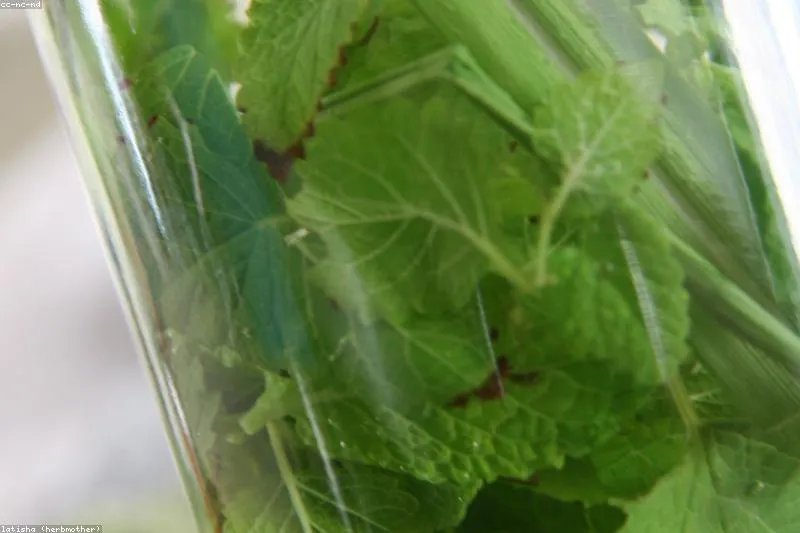
Lady’s mantle is the queen of herbs for the female uterus. Our grandmothers used it for bleeding, cycle regulation, postpartum recovery. It contains tannins that astringe, saponins, flavonoids, and gentle phytohormones. It reduces heavy bleeding, tones the uterine muscle, and supports progesterone.
How to use it
- Infusion: 1 tablespoon of dried herb in 250 ml boiling water, covered, 10 to 15 minutes
- Dosage: 2 to 3 cups a day, between meals, for 3 to 4 weeks per month (pause during menstruation or last week of cycle)
- Duration: at least 3 months for fibroid effect
- Classic blend: lady’s mantle plus yarrow plus shepherd’s purse (equal parts), 1 tablespoon of blend per 250 ml water
- Caution: not for pregnancy
My grandmother gathered lady’s mantle in June, dried it on newspapers in the attic, stored it in cloth bags, and shared it with every woman in the village who needed it.
Remedy 2: Shepherd’s purse (Capsella bursa-pastoris)
This humble roadside plant is a remarkable natural hemostatic. It acts on the uterus (reduces bleeding) and on systemic clotting. It is one of the most used herbs for menorrhagia, including fibroid bleeding.
How to use it
- Infusion: 1 teaspoon in 250 ml boiling water, 10 minutes
- Dosage: 2 to 3 cups daily, starting 3 to 5 days before the period and through it
- Tincture: 30 drops 3 times daily, in the last week of the cycle and during bleeding
- Duration: long term with breaks; not continuously more than 3 months
- Caution: not for pregnancy, thrombosis history, or anticoagulant therapy
Remedy 3: Green tea (EGCG)
Epigallocatechin gallate (EGCG) from green tea is one of the few compounds clinically studied for fibroids. A 2013 US trial showed that 800 mg EGCG daily for 4 months shrank fibroid volume by roughly 33% and improved symptoms. EGCG is anti-estrogenic, antiangiogenic (reduces fibroid blood supply), and antiproliferative.
How to use it
- Quality green tea: 3 to 4 cups daily, loose leaf (matcha, sencha, gunpowder); avoid cheap bags
- Supplement: standardized extract, 400 mg EGCG twice daily between meals
- Duration: minimum 4 months
- Caution: not on empty stomach if gastric sensitivity; watch interactions (metoprolol, statins); avoid high doses in pregnancy
- No: “detox” slimming teas with caffeine loaded gimmicks
Remedy 4: Flaxseed and fiber
Beyond the anti-estrogen effect of lignans, flax adds fiber, crucial for eliminating excess estrogen through the bowel. Estrogen is processed by the liver, dumped into bile, reaches the intestine, and, if fiber is low, reabsorbs. Fiber binds estrogen and carries it out.
- 2 tablespoons ground flax daily in yogurt, smoothies, oats
- Soluble fiber: oats, apples with skin, psyllium, chicory inulin, chia
- Insoluble fiber: raw vegetables, cabbage, bran, whole rye bread
- Target: 30 g fiber minimum daily, with plenty of water (2 liters)
- Regular transit: 1 to 2 soft stools daily
Remedy 5: Vitamin D
Vitamin D deficiency is clearly tied to fibroid incidence and severity. Women with optimal levels (above 40 ng/ml) have significantly lower risk, and supplementation in deficient women can slow fibroid growth.
- Supplement: 2000 to 4000 IU D3 daily in darker months (October to April); personalized by blood level
- Pair with vitamin K2 (100 mcg) for proper calcium routing
- Sun: 15 to 20 minutes daily on arms and legs in warm months, without sunscreen, ideally 10 AM to 2 PM
- Food: fatty fish, pastured egg yolk, sun-exposed shiitake mushrooms
Remedy 6: Turmeric, resveratrol, quercetin
- Turmeric: 500 to 1000 mg standardized curcumin with piperine daily; anti-inflammatory and antiproliferative
- Resveratrol: 100 to 200 mg daily; in-vitro studies show it inhibits fibroid cell growth
- Quercetin: 500 mg twice daily; anti-inflammatory, mildly anti-estrogenic; found in red onion, apples, grapes, capers
- Indole-3-carbinol (DIM): 200 mg daily; supports favorable estrogen metabolism; in cruciferous vegetables
Anti-estrogen diet
Friendly:
- Cruciferous vegetables (broccoli, cauliflower, cabbage, kale, Brussels sprouts, radishes, horseradish) daily
- Berries, citrus, apples, red grapes
- Whole grains: oats, buckwheat, quinoa, brown rice, rye
- Legumes: lentils, beans, chickpeas (gentle, modulating phytoestrogens)
- Fatty fish 2 to 3 times a week
- Walnuts, almonds, seeds
- Extra-virgin olive oil
- Green tea, ginger tea, rooibos
- Mushrooms (button, shiitake, maitake)
Reduce or cut:
- Industrial red meat and cured meats (hormones, nitrates)
- Conventional dairy from hormone-rich milk (prefer goat, sheep, or farm dairy)
- Added sugar, white flour, pastries, candy
- Refined vegetable oils (sunflower, soy, corn)
- Excess alcohol; at most an occasional glass of wine
- Excess coffee (max 1 to 2)
- Processed soy (industrial tofu, protein isolate)
- Industrial chicken and meat raised on hormones
Liver support, the key
Fibroids are an “estrogen excess” condition and the liver clears estrogen. An overloaded liver falls behind. Support it with:
- Warm lemon water first thing in the morning
- Dandelion root tea, 1 to 2 cups daily
- Milk thistle (Silybum marianum): 150 mg silymarin 2 to 3 times daily
- Artichoke: tincture or extract, 3 weeks a month
- Burdock root: tea or tincture, general detoxifier
- Beetroot: daily, in salads, juices, soups
- Avoid: alcohol, unnecessary meds, supplement stacking, pesticides
Practical tips
- Annual transvaginal ultrasound to track size
- CBC and ferritin every 6 months with heavy bleeding
- Prevent anemia: organic iron (bisglycinate) if ferritin is under 50 ng/ml
- Cut plastic: BPA, phthalates; use glass, stainless steel
- Clean cosmetics, paraben-, fragrance-, phthalate-free
- Daily movement: walking, yoga, swimming (30 to 45 minutes)
- Normal BMI (20 to 25); abdominal fat produces estrogen
- Menstrual cup instead of bleached tampons
- Sleep 7 to 9 hours, in bed before 11 PM
- Deep breathing, meditation, time in nature
- Support group or therapy if anxiety runs high
Conclusion
A fibroid is not a verdict. Many women live their whole lives with small fibroids that never make trouble, and others have stopped or reversed growth through clean eating, herbs, liver care, and a balanced lifestyle. Menopause naturally shrinks most fibroids as estrogen drops. Until then, monitor carefully, support naturally, treat medically when needed. The combo of lady’s mantle plus green tea plus flax plus vitamin D plus a clean diet, kept up for months, gives visible results in most women.
FAQ
1. Can fibroids be cured naturally? Small fibroids can stop growing or shrink with consistent natural care. Large ones (over 5 cm) or severely symptomatic may need intervention. Most shrink on their own after menopause.
2. Can I get pregnant with fibroids? It depends on location. Small subserosal fibroids usually do not interfere. Submucosal ones can affect implantation. Case-by-case evaluation.
3. Do fibroids always need surgery? No. Surgery is for severe bleeding with anemia, refractory pain, bladder or rectum compression, very large or rapidly growing fibroids, or infertility. Myomectomy preserves the uterus; hysterectomy is the last option.
4. Does the pill shrink fibroids? It can reduce bleeding, but the size effect varies. Some pills and the levonorgestrel IUD help menorrhagia but are not a universal fix.
5. Is long-term green tea safe? Yes, in moderate doses (3 to 4 cups daily). High-dose EGCG supplements (over 800 mg) should not be taken on an empty stomach or for more than 4 to 6 months without supervision.
6. Does diet really make a difference? Yes. Studies link diets rich in vegetables, fruit, fish, fiber, and low in industrial red meat and sugar with lower fibroid risk and slower growth.
7. What should I avoid with fibroids? Excess alcohol, smoking, sugar, processed meat, large amounts of conventional dairy, phthalate-laden cosmetics, heated plastic, untreated chronic stress.