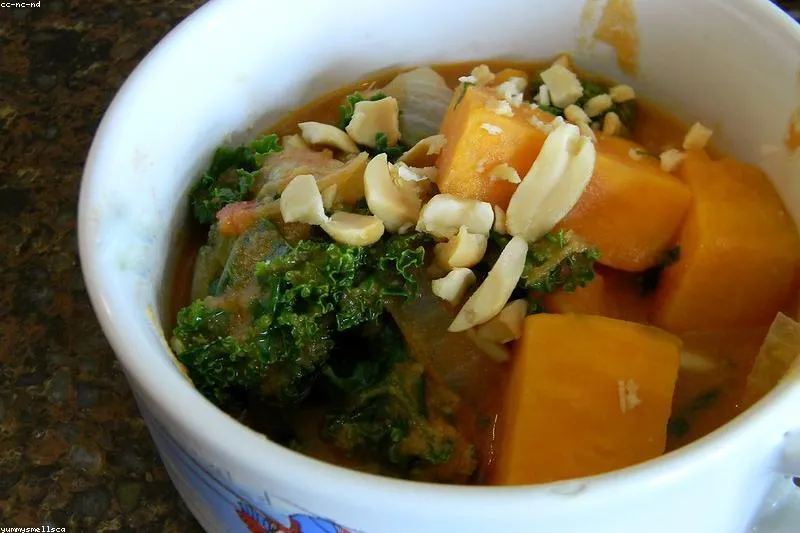

Natural remedies for vitamin K deficiency
IMPORTANT: Vitamin K deficiency is rare in healthy adults but common in newborns (who routinely receive a prophylactic dose at birth), in people on prolonged antibiotic therapy, in those with malabsorption (Crohn’s disease, cystic fibrosis, celiac disease, biliary conditions) and in patients with chronic liver disease. Severe deficiency causes bleeding, hematomas, gum or intestinal hemorrhage and increases osteoporosis risk. MAJOR WARNING: people taking coumarin-type anticoagulants (warfarin, acenocoumarol) must keep a CONSTANT vitamin K intake, not suddenly raise or lower it, because the interaction can alter INR (clotting time). Any major dietary change in these patients should be done ONLY under medical supervision.
My grandmother used to say, when I was little and would often fall on elbows or knees: “Eat the spinach, child, to heal quickly, because spinach keeps your blood in order.” Back then it sounded like a children’s tale, because spinach had a strange taste and I preferred fried potatoes. Only later, reading about vitamin K, I understood that grandmother was right: dark leafy greens are true treasures of phylloquinone, the plant form of vitamin K, essential for blood clotting and bone health.
Vitamin K is, paradoxically, one of the most “overlooked” vitamins. It is rarely discussed in the media, rarely found on routine blood tests. And yet, its role is decisive: without it, blood would not stop when you cut your finger, and calcium would not reach the bones properly but would instead deposit on arteries, producing harmful calcifications. Vitamin K performs, figuratively, three wonders: it stops bleeding, strengthens bones and cleans the blood vessels.
Vitamin K deficiency, though not as visible as iron or vitamin D deficiency, exists, especially in people with diets low in greens, in those on prolonged antibiotic therapy (which destroys the intestinal flora producing K2), in newborns, in the elderly and in those with absorption problems. In this article, we walk through the natural sources and simple, traditional remedies that ensure a proper intake.
Table of contents
- Why we need vitamin K
- Types of vitamin K: K1, K2 and the difference
- Symptoms of deficiency
- Remedy 1: Dark leafy greens
- Remedy 2: Cabbage and other cruciferous vegetables
- Remedy 3: Spring nettles
- Remedy 4: Fermented foods rich in K2
- Remedy 5: Egg yolk and dairy from grass-fed cows
- Remedy 6: Liver and vegetable oils
- Remedy 7: Vitamin K supplements
- Practical tips and interactions
- Conclusion
- Frequently asked questions
Why we need vitamin K
The name vitamin K comes from the German word Koagulation, meaning clotting, because its best-known role is to activate clotting factors in the liver. Without vitamin K, the blood could not form clots and the smallest cut would bleed endlessly.
But its role does not stop there. Modern research has discovered that vitamin K is also an essential regulator of calcium metabolism. It activates two key proteins:
- Osteocalcin: the protein that “binds” calcium to bones, contributing to bone density and strength
- Matrix Gla Protein (MGP): the protein that keeps calcium away from artery walls and soft tissues
Without enough vitamin K, calcium does not go where it should (into bones) and deposits where it should not (on arteries, kidneys, heart valves). That is why vitamin K is considered today a “conductor” of calcium in the body, as important for bones and cardiovascular health as vitamin D and calcium itself.
Types of vitamin K: K1, K2 and the difference
There are two main forms:
- Vitamin K1 (phylloquinone): found in greens, plants, chlorophyll. It is the dominant form in modern nutrition but is absorbed only at about 10% and used mostly for clotting.
- Vitamin K2 (menaquinone): produced by bacteria (gut flora and bacteria in fermented foods). It has several subtypes (MK-4 to MK-13). It is absorbed at a higher rate and is the preferred form for activating osteocalcin and MGP. It is found in aged cheeses, eggs from free-range hens, liver, natto, yolk.
A balanced intake of both forms is ideal. In the modern diet, K2 is often deficient due to reduced consumption of fermented foods and “real” animal products (from grass-fed animals).
Symptoms of deficiency
Classic clinical signs include:
- Easy bleeding, bruises without trauma
- Gum bleeding when brushing teeth
- Frequent nosebleeds, without obvious cause
- Heavy menstruation
- Blood in stool or urine
- Slow wound healing
- Bone fragility, low density, fractures from small trauma
- Arterial calcifications (clinically invisible, but important long-term)
In newborns, deficiency can produce “hemorrhagic disease of the newborn,” which is why most countries administer a prophylactic dose at birth. In adults, severe deficiency is rare, but subclinical insufficiency is common.
Remedy 1: Dark leafy greens
The queen of vitamin K1 is kale, followed by spinach, parsley, watercress, large green salad. A 100 g portion of cooked kale contains over 800 µg of vitamin K, that is 10 times the daily requirement.
Practical sources and amounts
- Cooked kale 100 g: 820 µg
- Cooked spinach 100 g: 490 µg
- Fresh parsley 10 g (a small bunch): 164 µg
- Romaine lettuce 100 g: 102 µg
- Chard 100 g: 830 µg
- Cooked broccoli 100 g: 140 µg
- Watercress 100 g: 250 µg
How to prepare them
- Raw spinach salad: with boiled egg, sunflower seeds, olive oil and balsamic vinegar
- Spinach sauteed with garlic: in olive oil, topped with cream and a drop of lemon
- Chopped parsley over everything: soups, potatoes, fish, eggs. A simple but extremely effective habit.
- Kale chips: kale pieces brushed with oil, salted, baked 10 minutes in the oven
The elders’ tip
“Without green parsley, the table is poor,” my grandmother used to say. She added it to soup, over roasted peppers, over polenta with cheese, over boiled potatoes. Back then she did not know about vitamin K, but she sensed that “fresh green does you good.” Now we know: a bunch of parsley per week, raw, covers almost entirely the K1 requirement.
Remedy 2: Cabbage and other cruciferous vegetables
The cruciferous family (cabbage, broccoli, cauliflower, kohlrabi, Brussels sprouts, curly kale) is extremely rich in vitamin K, plus fiber, sulforaphane (strong antioxidant), vitamin C and folates.
- Boiled white cabbage 100 g: 109 µg
- Brussels sprouts 100 g: 140 µg
- Boiled broccoli 100 g: 140 µg
- Red kale 100 g: 320 µg
- Boiled cauliflower 100 g: 14 µg (more modest, but still useful)
Sauerkraut: a traditional treasure
Sauerkraut is a double “miracle”: it brings both vitamin K1 (from cabbage) and K2 (from fermentation), plus probiotics, vitamin C and organic acids. A 100 g portion of sauerkraut contains approximately 25 µg K1 and variable amounts of K2.
- Sauerkraut with cold-pressed oil and onion: served next to polenta with cheese and smoked meat
- Sauerkraut rolls (sarmale): a classic recipe where the cabbage transmits vitamin K through the whole dish
- Cabbage soup: with smoked or vegetarian meat, a pinch of tarragon and dill
Remedy 3: Spring nettles
Nettle is one of the wild greens richest in vitamin K. Picked in early spring, the nettle tip has approximately 500 µg of vitamin K per 100 g. Plus iron, calcium, magnesium and protein.
Traditional recipes
- Nettle soup: with onion, potato, rice and a teaspoon of cream
- Nettle pesto: with walnuts, olive oil, parmesan and garlic
- Nettle saute: with garlic and a bit of butter
- Blanched nettles in salad: with boiled egg and lemon
Nettles are picked with gloves, blanched for 2-3 minutes in boiling salted water to remove the sting, then drained. Do not cook them too long, heat destroys some vitamins.
Caution
Nettles have a mild diuretic effect and may lower blood pressure. People with low blood pressure or on diuretics should be careful. Also, nettle has a small natural anticoagulant effect, so patients on warfarin should consume it with caution.
Remedy 4: Fermented foods rich in K2
Vitamin K2 is the product of bacterial fermentation. Traditional fermented foods are the best sources.
Top K2 sources
- Natto (Japanese fermented soybeans): the richest source in the world, 1000 µg MK-7 per 100 g. Strong taste, sticky texture, eaten as breakfast in Japan.
- Aged cheeses (Gouda, Edam, Emmental, blue cheese): 50-80 µg MK-4 and MK-9 per 100 g
- Traditional kefir and yogurt: contain bacteria that produce K2 in the gut
- Eggs from free-range hens: the yolk contains K2, because hens produce K2 from K1 in grass
- Beef or poultry liver: 10-15 µg per 100 g
- Butter from grass-fed cows: 15 µg per 100 g
Simple recipes
- Greek salad: tomatoes, cucumbers, olives, onion, feta cheese (fermented cheese), olive oil
- Cheese platter: aged gouda, brie, camembert, with grapes and whole-grain bread
- Full-fat yogurt with fruit: for breakfast, with honey and walnuts
- Kefir at evening snack: a cup of homemade kefir, with a slice of bread
The elders’ tip
In traditional rural villages, cheese fermented in sheep-skin pouches, feta and aged cheese were daily food. Cows and sheep grazed on meadows rich in flowers and herbs. Their milk was loaded with K1, and the cheese maturing process transformed it into K2. Modern industrial products, made from milk of animals fed industrial feed, have much less K2.
Remedy 5: Egg yolk and dairy from grass-fed cows
A yolk from a free-range hen’s egg contains approximately 30 µg of K2 (MK-4). In contrast, a yolk from an industrial hen fed with grain has under 5 µg. The difference is huge.
Similarly, butter and cream from grass-fed cows have an intense golden-yellow color (from beta-carotene in grass), and vitamin K2 is abundant. Pale, white butter, from cows fed soy and corn, has low content.
How to recognize good products
- Country eggs: deep orange yolk, thick shell
- Summer butter: golden yellow, intense fermented milk aroma
- Cream: thick, slightly sour, warm aroma
- Aged cheese: yellowish color, developed aroma
Buy, when you can, directly from producers, from farmers’ markets, or from small farms that declare their practices.
Remedy 6: Liver and vegetable oils
Beef or chicken liver is an excellent source of K2 (MK-4), the active form that animals synthesize from K1. A 100 g portion of beef liver brings approximately 10-15 µg of MK-4, plus retinol, iron, copper, B vitamins.
Vegetable oils contain small amounts of K1:
- Raw soybean oil: 180 µg per 100 g (diluted in daily use)
- Canola oil: 70 µg per 100 g
- Olive oil: 60 µg per 100 g
- Sunflower oil: under 5 µg per 100 g
Extra virgin olive oil on salads brings vitamin K, polyphenols and healthy oleic acid.
Remedy 7: Vitamin K supplements
Supplements are useful in documented cases:
- Vitamin K1 (phylloquinone): 100-200 µg/day for maintenance, or larger doses prescribed medically for severe deficiencies
- Vitamin K2 (MK-7): 90-200 µg/day for bone and cardiovascular health. MK-7 has a long half-life (72 hours), acts stably.
- D3 + K2 combinations: very popular, the synergy of vitamin D and K2 for bones and vessels
Important precautions
PATIENTS ON COUMARIN ANTICOAGULANTS (warfarin, acenocoumarol) must NOT take vitamin K supplements without consultation, because they can block the medication and increase thrombosis risk. Also, greens consumption must be kept CONSTANT, not suddenly raised or lowered, so as not to destabilize INR.
K2 supplements in MK-7 form are safer than K1 because they have a less pronounced effect on systemic clotting, but they still must be discussed with the doctor.
Practical tips and interactions
- Eat greens with fat (olive oil, avocado, nuts). Vitamin K is only absorbed with fat.
- Include something fermented daily: yogurt, kefir, aged cheese, sauerkraut.
- Long-term antibiotics destroy the gut flora producing K2. After a course, reintroduce probiotics and prebiotics.
- Inflammatory bowel disease, celiac disease, pancreatitis, cystic fibrosis reduce absorption. Talk with your doctor.
- Newborns usually receive a prophylactic dose at birth. Do not refuse it without consultation.
- Patients on warfarin: keep a CONSTANT intake of greens, monitor INR, inform the doctor.
- Statins, cholesterol medications may reduce vitamin K2 absorption. Check with your doctor.
Conclusion
Vitamin K is a discreet vitamin but decisive for stopping bleeding, bone health and artery protection. Nature has given us a wealth of sources: garden and wild greens, sauerkraut, aged cheeses, country egg yolks, spring nettles, parsley over everything.
With a varied diet, with green vegetables daily and fermented foods several days a week, vitamin K deficiency is hard to reach. Care should be taken only in those on long antibiotics, those with absorption problems and, especially, patients on anticoagulant therapy, where intake must be monitored. Otherwise, take inspiration from grandmother’s kitchen: spinach, sorrel, nettles, cabbage, eggs and real cheese are all natural pharmacies.
Frequently asked questions
1. If I take warfarin, do I need to eliminate spinach and cabbage completely?
No, you do not need to eliminate them completely, but to consume them in constant amounts. If last week you ate a large spinach salad and this week none at all, your INR will swing dangerously. Better a small daily amount or a stable weekly one, than sudden variations. Inform the doctor about your eating habits to adjust doses correctly.
2. Why do newborns receive a vitamin K injection at birth?
Because newborns are born with low vitamin K reserves (the placenta does not transport it well), their gut flora does not yet produce enough K2, and breast milk has modest amounts. Without prophylaxis, there is a risk of hemorrhagic disease of the newborn, with severe bleeding, including intracranial. The single dose at birth is safe and protects effectively.
3. Which is better, K1 from spinach or K2 from cheese?
Both are necessary but have different roles. K1 goes preferentially to the liver and activates clotting factors. K2 distributes in tissues (bones, arteries) and activates osteocalcin and MGP. The body can convert a small fraction of K1 into K2, but direct K2 intake from fermented foods and yolk is more effective for bones and vessels.
4. Can the antibiotics my doctor prescribed affect vitamin K?
Yes, especially if the course lasts over 7-10 days, antibiotics destroy the intestinal flora producing K2. After treatment, reintroduce yogurt, kefir, pickles to restore the flora. In severe cases (surgical, immobilized patients), the doctor may preventively supplement with vitamin K.
5. How quickly does dietary correction of vitamin K deficiency take?
For clotting, correction is rapid: in 24-48 hours after proper intake, clotting factors rebuild. For liver stores, 1-2 weeks. For effects on bones (active osteocalcin) and arteries (active MGP), months of constant intake are needed, because bone and vascular remodeling processes are slow.