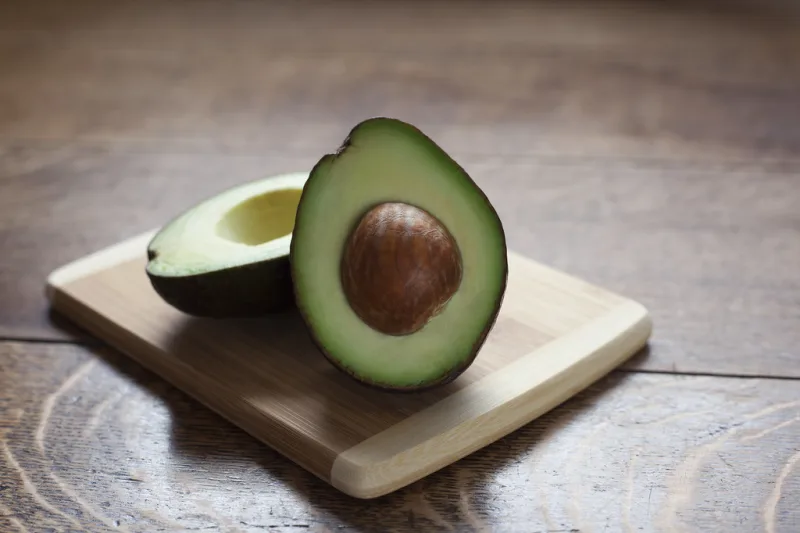

Avocado: Benefits, Healthy Fats and How to Eat It Right
IMPORTANT: Avocado is a safe food that is well tolerated by the vast majority of people, but it has a few particularities worth keeping in mind. It is very calorie-dense and rich in fat, so people watching their calorie intake should pay attention to portions. People allergic to latex can sometimes develop cross-reactions to avocado (the latex-fruit syndrome), with itching of the mouth, swelling or, rarely, more serious reactions — if you notice such symptoms, avoid the fruit and consult your doctor. Those taking blood-thinning medication such as warfarin should talk to their physician, since avocado contains vitamin K. The fruit is also high in potassium, which in large amounts may be relevant for people with advanced kidney disease. Avocado is a food, not a medicine: it does not replace prescribed treatment and does not cure diseases. For any condition, always consult your doctor.
The story of a fruit that conquered the world
Aunt Veronica, an old neighbor of my grandmother’s from the edge of town, tasted avocado for the first time only after her son came back from abroad in the 1990s. She still remembered, with a smile, how she looked at it suspiciously: “a green fruit, fatty and not even sweet — what am I supposed to do with this?” She cut it open, removed the pit the size of a large walnut, and tried a teaspoon of the creamy flesh. At first it seemed odd to her, almost like a green butter. But her son showed her how to make a simple spread, with salt, a little lemon and garlic, smeared over a slice of warm bread. From then on, Aunt Veronica would tell anyone who would listen that avocado “is the butter that doesn’t burden the heart but nourishes it.”
In her own intuitive way, she was perfectly right. Avocado has traveled a long road, from the tropical forests of Central America, where it was cultivated for thousands of years by ancient Mesoamerican civilizations, all the way to tables around the world. Today it is one of the most prized foods for those who want a source of healthy fats, vitamins and fiber, packed into a creamy, satisfying fruit.
What avocado is and where it comes from
Avocado (Persea americana) is the fruit of a tree from the laurel family, native to central Mexico and Central America. Although we treat it culinarily like a vegetable — putting it in salads, sandwiches and savory sauces — botanically it is a fruit, more precisely a single-seeded berry. Its green to buttery-yellow flesh, with a creamy texture and a mild, nutty taste, is the part we eat.
The name comes from the word “ahuacatl” in the Nahuatl language of the Aztecs. There are dozens of varieties, but the most widespread on the market is the Hass variety, recognizable by its thick, bumpy skin that darkens as the fruit ripens. Other varieties, such as Fuerte, have smoother skin that stays green even at maturity.
What makes avocado truly special is its composition, unusual for a fruit: instead of being dominated by water and sugars, it is rich in monounsaturated fats — the same healthy fats found in olive oil. This particularity turns it into a very satisfying food and an extremely versatile one in the kitchen.
Table of Contents
- What avocado is and where it comes from
- The nutritional value of the avocado fruit
- Health benefits
- How to eat avocado: ideas and simple recipes
- How much avocado you can eat
- How to choose and store it correctly
- Avocado oil and its uses
- Practical tips and common mistakes
- Conclusion
- Frequently Asked Questions
The nutritional value of the avocado fruit
Avocado is, without exaggeration, a concentrate of nutrients. Unlike most fruits, it contains very little sugar but plenty of beneficial fats. Here is roughly what a medium-sized avocado provides:
- Healthy fats: predominantly oleic acid, a monounsaturated fat known for its heart-friendly effects. This is the same type of fat that makes olive oil so highly valued.
- Fiber: avocado is surprisingly rich in fiber, both soluble and insoluble, which supports digestion and the feeling of fullness.
- Potassium: it contains even more potassium than a banana, a mineral essential for blood pressure and proper muscle function.
- Vitamins: it is a good source of vitamin K, vitamin E (a powerful antioxidant), B-group vitamins (including folate, important during pregnancy), vitamin C and vitamin B6.
- Antioxidants: it contains lutein and zeaxanthin, two compounds that accumulate in the eyes and are associated with eye health.
- Plant sterols: especially beta-sitosterol, associated with a role in maintaining healthy cholesterol levels.
Although it is calorie-dense — due to its fat content — its calories come from quality sources, accompanied by fiber and micronutrients, not from “empty calories.” Folk tradition called the avocado “the poor man’s butter,” precisely because it offered a dense source of energy to those who could not afford other fats.
Health benefits
Supports heart and cholesterol health
The best-known benefit of avocado concerns the heart. The monounsaturated fats it contains are generally associated with a healthier lipid profile. Studies suggest that replacing saturated fats (from butter, fatty meat, processed products) with monounsaturated fats, such as those in avocado and olive oil, may help maintain a balanced level of “bad” cholesterol (LDL) and support “good” cholesterol (HDL). In addition, the high potassium content helps counterbalance the effects of sodium, making it an ally of normal blood pressure.
Helps with satiety and weight management
Although it may seem paradoxical for a fatty food, avocado can be a friend to those watching their weight. The combination of healthy fats and fiber slows digestion and prolongs the feeling of fullness, reducing the temptation to snack between meals. Half an avocado added to breakfast can keep hunger at bay for hours. The secret is moderation: portion size matters.
Supports nutrient absorption
Many vitamins and antioxidants — such as vitamins A, D, E, K and the carotenoids in vegetables — are fat-soluble, meaning they need fat to be absorbed efficiently by the body. Adding avocado to a vegetable salad not only improves the taste but can significantly increase the amount of antioxidants the body manages to absorb from the other ingredients. In practice, avocado “opens the door” for the rest of the nutrients to come in.
Good for the eyes
Lutein and zeaxanthin, two antioxidants concentrated in avocado, accumulate in the retina and help filter harmful light. These compounds are traditionally associated with protecting vision and reducing the risk of age-related eye conditions. The fact that they come bundled with fats makes them even easier to absorb.
Supports digestion
The wealth of fiber makes avocado an ally of regular digestion. Fiber feeds the good bacteria in the gut and contributes to healthy transit. For those who suffer from occasional constipation, gradually including avocado in the diet, along with a good intake of water, can bring extra comfort.
Nourishes the skin and hair
The vitamin E and healthy fats in avocado are friends of the skin, supporting hydration and elasticity from within. Folk tradition has long used avocado flesh as a natural mask too, applied directly to the face or to dry hair, for its nourishing and emollient effect. Many natural cosmetic recipes start from this creamy fruit.
Important in the diet during pregnancy
Avocado contains folate, a B-group vitamin with an important role in healthy fetal development. Combined with its mild, easily digestible texture, it becomes a valuable snack for expectant mothers — of course, as part of a varied diet and with the doctor’s approval.
How to eat avocado: ideas and simple recipes
The beauty of avocado is its versatility. It is eaten raw, simply with a spoon straight from the skin, or transformed into dozens of dishes. Here are a few ideas and step-by-step recipes.
Avocado on toast (the classic recipe)
- Toast a slice of whole-grain bread until crisp.
- Cut a ripe avocado in half, remove the pit and scoop out the flesh with a spoon.
- Mash the flesh with a fork, adding a splash of lemon juice, salt and pepper.
- Spread the paste on the warm bread.
- Garnish to taste: with tomato slices, a boiled egg, seeds or a few basil leaves.
It is a quick, satisfying breakfast full of good fats.
Traditional guacamole
- Mash two ripe avocados in a bowl.
- Add a finely chopped tomato, half a finely chopped onion and garlic to taste.
- Squeeze in the juice of half a lime or lemon (it also prevents browning).
- Season with salt, pepper and, if you like, a little chopped chili.
- Mix gently and serve immediately, with raw vegetables or nachos.
Creamy avocado smoothie
- Put half an avocado, a banana, a cup of milk (or plant drink) and a little honey in a blender.
- Optionally add a handful of spinach for an extra dose of greens.
- Blend until you get a velvety texture.
The result is an incredibly creamy drink, without using cream or whipped cream.
Avocado salad
Cut avocado into cubes and add it over a salad of leafy greens, cherry tomatoes, cucumber and cheese. A drizzle of olive oil and lemon perfectly complements the good fats. Add the avocado at the end so it doesn’t get crushed.
Baked avocado with egg
Cut an avocado in half, slightly enlarge the hollow, crack an egg into each half, sprinkle with salt and pepper, and bake in the oven for about 15 minutes until the egg white sets. It is a satisfying and spectacular dish.
How much avocado you can eat
As with everything, the key is balance. For most people, half to a whole avocado per day is a reasonable portion that delivers good fats without overloading calorie intake. Being a calorie-dense food, if you are watching your weight, it is best to fit it into your menu by replacing other fats (such as butter or mayonnaise), not by adding it on top of everything you already eat. Listen to your body: avocado is filling, so most of the time a moderate portion is enough.
How to choose and store it correctly
Choosing a good avocado is a real art, but a few simple tricks help enormously:
- For immediate use: choose a fruit that yields gently under soft finger pressure, without being as soft as a cushion. If it is hard as a rock, it needs a few more days.
- For later: buy firm, green fruits and let them ripen on the counter at room temperature.
- The stem trick: carefully remove the small stem at the top. If it is green underneath, the avocado is ripe and good. If it is brown, the fruit may be overripe.
- Speeding up ripening: put the avocado in a paper bag next to a banana or an apple. The gases they release speed up ripening.
- Slowing down ripening: a ripe avocado keeps for a few days in the fridge, which slows its maturation.
- Against browning: after cutting an avocado, sprinkle the remaining flesh with lemon juice and keep the half with the pit (it delays oxidation), well covered in the fridge.
Avocado oil and its uses
A precious greenish oil with a delicate taste is also extracted from the fruit’s flesh. Avocado oil is rich in the same monounsaturated fats and in vitamin E. It has a high smoke point, which makes it suitable for cooking at higher temperatures, but also for salads in its unrefined form. Beyond culinary use, avocado oil is beloved in natural cosmetics: it is applied to the skin for hydration, to dry hair ends, or as a nourishing massage oil. Tradition recommends it for dry, sensitive skin, thanks to its emollient texture.
Practical tips and common mistakes
Mistake no. 1: Buying avocado too ripe or too unripe without planning. Many people get home with a rock-hard fruit and are disappointed. The solution: buy fruits at different stages of ripeness so you always have one ready to eat.
Mistake no. 2: Throwing away the flesh next to the pit and skin. The greenest and most antioxidant-rich part of the flesh is the one right next to the skin. Scrape it well with the spoon so you don’t lose it.
Mistake no. 3: Leaving cut avocado exposed to air. Contact with oxygen quickly browns it. Sprinkle it with lemon and cover it tightly if you want to keep it.
Mistake no. 4: Cooking it too much. Avocado is at its best raw or only very gently warmed. Intense cooking can give it a slightly bitter taste and destroys its creamy texture.
Mistake no. 5: Overdoing portions, thinking “it’s healthy, so I can eat as much as I want.” Avocado is healthy but calorie-dense. Moderation remains the golden rule.
Mistake no. 6: Keeping it in the fridge while it is still hard. Cold stops ripening. Let it ripen at room temperature first, then move it to the cold.
Conclusion
Avocado is one of the most valuable foods you can add to your daily table. Rich in heart-friendly monounsaturated fats, fiber, potassium, vitamins and antioxidants, this creamy fruit combines the pleasure of taste with real health benefits. It supports the heart, helps with satiety, aids the absorption of other nutrients, and nourishes the skin and eyes. The secret, as with any good food, lies in moderation and in the quality of the other choices on your plate. As Aunt Veronica used to say, avocado is “the butter that nourishes, not the one that weighs you down” — a gentle, tasty and life-filled ally for a balanced diet.
Frequently Asked Questions
Does avocado make you gain weight? Avocado is calorie-dense because of its fats, but these are healthy fats, accompanied by fiber that provides satiety. Eaten in moderate portions, as a replacement for other fats (butter, mayonnaise), it does not cause weight gain — on the contrary, it can help control appetite.
How much avocado can I eat per day? For most people, half to a whole avocado per day is a reasonable and beneficial amount within a varied diet.
Why does avocado turn brown after I cut it? The flesh comes into contact with oxygen and oxidizes, changing color. It is a harmless process. You can slow it down with lemon juice and by covering it tightly.
How do I know if an avocado is ripe? Press gently: it should give a little without being soft. The stem trick also helps — if it is green under the stem, the fruit is ripe; if it is brown, it is probably overripe.
Can I eat avocado if I have high cholesterol? Avocado contains monounsaturated fats associated with a healthier lipid profile and is generally recommended as part of a heart-friendly diet. Still, talk to your doctor about your dietary plan.
Can avocado be given to young children? Yes, thanks to its creamy texture and nutritional value, avocado is often among the first foods introduced to babies, in the form of a purée. Consult your pediatrician about the right time.
Does raw avocado need to be cooked? No, avocado is usually eaten raw. Intense cooking can alter its taste and texture. If you do heat it, do so very gently.
Can pregnant women eat avocado? Yes, avocado is a good source of folate and healthy fats, making it a valuable snack during pregnancy, as part of a balanced diet and with the doctor’s approval.