
Blueberries: Benefits, Antioxidants, Uses and How to Consume Them
IMPORTANT: Blueberries are a safe and healthy food for most people, but a few situations call for caution. Those taking anticoagulant medication (such as warfarin) should talk to their doctor before consuming large amounts of blueberries or concentrated supplements, since berries can influence blood clotting. People with irritable bowel syndrome or fructose sensitivity may experience bloating with large portions. Wild blueberries picked in nature must be washed well and gathered only from clean areas, far from roads and from crops treated with pesticides. Do not confuse true blueberries (Vaccinium myrtillus, with colored flesh) with other unknown blue forest fruits. Enjoy them as part of a varied diet, not as a substitute for medical treatment.
Grandmother Veronica from the Apuseni Mountains remembered every summer by its “blueberry months.” Toward the end of July she would take a wooden pail and a woven basket and set off with her grandchildren along the path climbing toward the mountain meadow, where the low blueberry bushes spread like a blue-green carpet. “Your hands will be blue for a whole week, but it’s worth it,” she would say with a laugh, while their fingers gathered the little berries dusted with a fine, silvery bloom. In the evening, half the harvest went into jam and syrup; the other half was eaten on the spot, with a spoon, over a plate of soured milk.
Veronica had a saying she often repeated: “blueberries keep the eyes young.” She claimed that the men of the family, who gathered and hunted in dim light, saw better at dusk if they ate blueberries in summer. Back then it seemed a simple mountain belief. Today we know that folk tradition had grasped something real: these tiny blue fruits are among the richest natural sources of antioxidants and have been studied at length for their effects on vision, memory and blood vessel health. In this article we will explore in detail why blueberries deserve a place of honor in our diet.
The blueberry is a small shrub in the Ericaceae family, related to the cranberry, currant and bearberry. In Romania, wild mountain blueberries (Vaccinium myrtillus) grow most abundantly — small, intensely colored berries with reddish-purple flesh — alongside cultivated varieties of American blueberry (Vaccinium corymbosum), which bear larger fruit with paler flesh. Both types are prized, but wild mountain blueberries generally have a higher concentration of antioxidant pigments. Regardless of variety, blueberries have been used for centuries not only as a food but also as a remedy, particularly for mild digestive complaints and to strengthen eyesight.
Table of Contents
- What blueberries are and where they grow
- The nutritional value of blueberries
- The health benefits of blueberries
- Traditional uses in Romanian folk medicine
- How to consume blueberries: recipes and practical ideas
- How much and when to eat blueberries
- How to choose and store blueberries
- Fresh, frozen or dried blueberries
- Lifestyle: how to fit blueberries into a healthy diet
- Practical Tips and Common Mistakes
- Conclusion
- Frequently Asked Questions
What blueberries are and where they grow
The blueberry is a perennial plant with short, woody stems that rarely exceed 30 to 50 centimeters in the wild mountain variety. It grows wild in alpine and subalpine areas, on acidic, poor soils, often in the clearings of coniferous forests and on mountain pastures. In our country, rich blueberry patches are found in the Carpathians, the Apuseni Mountains, Maramureș and the high regions of Transylvania. The plants bloom in spring with small, white-pink, bell-shaped flowers, and the fruit ripens gradually from late June through August and September, depending on altitude.
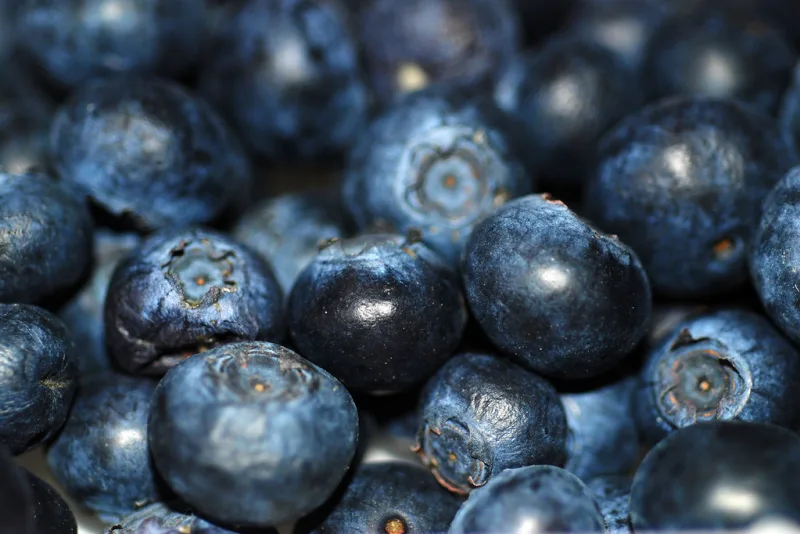
The blueberry is a true marvel of nature: it measures only a few millimeters across, yet it concentrates an impressive amount of biologically active compounds. Its deep blue-purple, almost black color comes from pigments called anthocyanins, the same compounds that color other dark berries. The fine bloom on the surface of the fresh fruit is a natural layer of wax that protects the berry and is, in fact, a sign of freshness.
Cultivated blueberries, native to North America, have spread around the world and are now available in stores year-round. They have larger, sweeter fruit that is easier to harvest, yet those who have tasted wild mountain blueberries often say these have a more intense aroma and a special “power.” The difference is not only in taste: wild fruits tend to be smaller and more concentrated in coloring substances.
The nutritional value of blueberries
Blueberries are remarkable in that they offer a great deal for a small caloric cost. A serving of blueberries provides few calories but delivers a wide range of vitamins, minerals, fiber and, above all, antioxidants. Here are the main components that make blueberries such a valued food:
- Anthocyanins and polyphenols – the pigments that give the blue-purple color and that represent the most precious characteristic of blueberries. These compounds have powerful antioxidant action.
- Vitamin C – supports immunity, collagen formation and iron absorption.
- Vitamin K – important for blood clotting and bone health.
- Manganese – a mineral involved in energy metabolism and bone tissue formation.
- Dietary fiber – supports digestion, the feeling of fullness and the health of the gut flora.
- Water – blueberries have a high water content, which makes them refreshing and light.
Their high nutritional density, combined with a relatively moderate glycemic index, makes blueberries an excellent snack for almost anyone, from children to the elderly. Studies suggest that dark-colored fruits such as blueberries are among the foods with the greatest antioxidant capacity as measured in the laboratory.
The health benefits of blueberries
Support for vision and eye health
The reputation of blueberries as the “fruit of vision” is no accident. The anthocyanins in blueberries have been studied for their effects on the retina and on microcirculation within the eye. Folk tradition long held that blueberries help night vision, and modern studies suggest that antioxidant pigments may support the health of the small blood vessels in the eye and reduce oxidative stress in the retina. For people who spend many hours in front of screens or who feel eye fatigue, blueberries can be a valuable supporting food, alongside good visual hygiene.
Antioxidant action and cellular protection
The best-known benefit of blueberries is their outstanding antioxidant capacity. Antioxidants are molecules that help neutralize free radicals, unstable compounds that build up in the body due to pollution, stress, smoking and the natural processes of aging. By combating oxidative stress, blueberries may help protect cells and tissues. This property underlies most of the beneficial effects attributed to these fruits.
Heart and blood vessel health
The polyphenols in blueberries have been associated with benefits for the cardiovascular system. Studies suggest that regular consumption of berries may support blood vessel elasticity, balanced blood pressure and a better lipid profile. The fiber in blueberries also contributes to maintaining a healthy cholesterol level. All of these effects make blueberries a valuable ally in a heart-friendly diet.
Memory and brain health
One of the most interesting directions of research concerns the effect of blueberries on cognitive function. Studies suggest that anthocyanins may cross the blood-brain barrier and exert protective effects on neurons. Regular consumption of blueberries has been associated, in some research, with better memory and a slowing of age-related cognitive decline. Grandmother Veronica said that blueberries “keep the mind sharp” — an intuition that modern science takes seriously.
Balancing blood sugar
Although they are sweet, blueberries have a surprisingly gentle effect on blood sugar, thanks to their fiber and bioactive compounds. Studies suggest that berries may improve insulin sensitivity and support a healthy sugar metabolism. This makes them a better choice than many other sweet desserts, although people with diabetes should include them in their meal plan in moderation and under the guidance of a specialist.
Digestive support
The fiber in blueberries feeds the good bacteria in the gut and supports regular transit. In folk medicine, dried blueberries were traditionally used to calm mild diarrhea, thanks to their content of tannins with an astringent effect. Paradoxically, fresh blueberries, rich in fiber, instead support normal transit. This dual action makes them a balancing food for the digestive system.
Immunity and inflammation
The vitamin C and antioxidants in blueberries contribute to the proper functioning of the immune system. In addition, polyphenols have been studied for their effects in modulating inflammatory processes in the body. Regular consumption of blueberries, as part of a varied diet, may thus support the body’s resistance to external aggressions.
Traditional uses in Romanian folk medicine
In the mountain villages, blueberries were not just a summer delicacy but also a home remedy. Here are some of the traditional uses passed down from generation to generation:
- For mild digestive complaints – dried blueberries were boiled into an astringent tea, considered helpful in episodes of mild diarrhea, especially in children.
- For vision – fresh blueberries or blueberry syrup were given to those who worked in dim light, to “strengthen the eyes.”
- For strengthening the body – blueberry syrup and jam were kept for winter and consumed as a tonic during periods of weakness or convalescence.
- For gargling – a concentrated blueberry decoction, thanks to its tannins, was used to rinse an irritated mouth and throat.
These folk practices were based on careful observation and life experience. Many of them find an explanation today in the chemical composition of the fruit.
How to consume blueberries: recipes and practical ideas
Blueberries are extremely versatile and suit both sweet and savory dishes. Here are several ways to enjoy them.
Plain fresh blueberries
The healthiest option is to eat them fresh, as they are. Rinse them gently under cold running water, drain and eat them as a snack or add them on top of other dishes. A handful of blueberries at breakfast turns a plain bowl of yogurt into a meal full of color and antioxidants.
Energizing blueberry smoothie
Put a generous handful of blueberries, half a banana, a few spoonfuls of plain yogurt and a little milk or water into a blender. Blend until you get a creamy drink of deep purple color. It is a perfect snack after exercise or a quick breakfast on busy days.
Homemade blueberry syrup
To keep blueberries through winter, grandmothers prepared syrup. Put washed blueberries in a pot, add sugar (about half the weight of the fruit) and let them sit for a few hours to release their juice. Gently simmer the mixture, strain it and pour it into clean bottles. A teaspoon of syrup diluted in water becomes a refreshing, fragrant drink.
Blueberry jam
Jam is made by simmering blueberries with sugar until they set, optionally with a little lemon juice for a pleasant acidity. It is delicious on bread, over pancakes or alongside cheese.
Blueberries in salads and savory dishes
Surprisingly, blueberries also work beautifully in salads. Scatter a few fresh blueberries over a green salad with walnuts and cheese for a burst of sweet-tart flavor. They can also accompany poultry or game dishes in slightly tart sauces.
Dried blueberry tea
Put a tablespoon of dried blueberries into 250 ml of boiling water, cover and let it steep for 10 to 15 minutes. This astringent tea was traditionally used to calm the stomach.
How much and when to eat blueberries
For a healthy adult, a daily serving of a good handful of fresh blueberries (around a small cup) is a reasonable amount that brings benefits without burdening the body with sugar. Blueberries can be eaten at any time of day: at breakfast, as a snack between meals or as a light dessert. Thanks to their fiber and antioxidants, they are also an excellent choice as an afternoon snack, when the body craves something sweet but healthy.
There is no need to overdo it: even moderate, regular consumption brings benefits. What matters is that blueberries form part of a varied diet, rich in vegetables, fruit, whole grains and healthy fats.
How to choose and store blueberries
When buying fresh blueberries, choose firm, whole fruit with an intense blue-purple color, covered with their natural silvery bloom — the mark of freshness. Avoid berries that are soft, shriveled, moldy or leaking juice in the package. Good blueberries should not be washed until just before eating, because moisture speeds up spoilage.
For storage, keep them in the refrigerator in a covered container, where they last a few days. If you want to keep them longer, freezing is the best solution: spread washed and well-dried blueberries on a tray, freeze them for a few hours, then transfer them to a bag. This way they stay separate and you can use as many as you need without them sticking together in a block.
Fresh, frozen or dried blueberries
Many people wonder whether frozen blueberries are as healthy as fresh ones. The good news is that the freezing process largely preserves the antioxidants and vitamins. Frozen blueberries are an excellent choice out of season and can be used in smoothies, cakes or over oatmeal.
Dried blueberries concentrate the aroma and natural sugar, making them a tasty snack but richer in calories per gram. They are suitable in nut and fruit mixes or in teas. Be careful, however, with additionally sweetened dried blueberries, which can contain a lot of added sugar.
Lifestyle: how to fit blueberries into a healthy diet
Blueberries are not an isolated “miracle remedy” but a valuable piece in a broader mosaic of healthy living. To make the most of their benefits, think of them as a component of a colorful plate. The more fruits and vegetables of different colors we eat, the wider the range of antioxidants we bring in.
Combine blueberries with other berries — raspberries, blackberries, strawberries — for a snack with a synergistic effect. Pair them with a source of healthy fats, such as nuts or seeds, which help the absorption of certain compounds. And remember that regular exercise, quality sleep and stress management complete the health puzzle, which diet alone cannot solve.
A pleasant habit, inspired by Grandmother Veronica’s tradition, is to make blueberry picking a family activity in summer. The mountain walk, the fresh air and the physical effort add to the benefits of the fruit itself.
Practical Tips and Common Mistakes
Mistake no. 1: Washing blueberries long before eating. Moisture accelerates mold. Wash them only just before eating or using them.
Mistake no. 2: Removing the natural bloom by rubbing. The fine silvery layer on the fruit is a natural protective wax and a sign of freshness. Do not rub it off; a gentle rinse is enough.
Mistake no. 3: Eating only sweetened or processed blueberries. Jam, syrup and sweetened dried blueberries contain added sugar. For maximum benefits, prioritize fresh or frozen blueberries without additives.
Mistake no. 4: Picking wild blueberries from unsafe areas. Avoid blueberry patches near roads, pesticide-treated fields or polluted areas. Pick only from clean places, far from sources of contamination.
Mistake no. 5: Expecting dramatic, immediate effects. Blueberries show their benefits through regular consumption over time, as part of a balanced diet, not through a single serving.
Mistake no. 6: Ignoring interactions with medication. If you take anticoagulants or other medications, ask your doctor before consuming large amounts of blueberries or supplements.
Conclusion
Blueberries are much more than a delicious summer snack. These small blue fruits, whether wild from our mountains or cultivated, concentrate a rare wealth of antioxidants, vitamins and fiber. Romanian folk tradition prized them long ago for their effects on vision and digestion, and modern research increasingly confirms the intuitions of our grandparents: blueberries support eye, heart and brain health as well as blood sugar balance. Eaten fresh, frozen or as homemade syrup and jam, they bring color and benefits to a healthy diet. As always, the secret lies in moderation, regularity and variety — and blueberries fit perfectly into this picture.
Frequently Asked Questions
How many blueberries can you eat per day? For a healthy adult, a serving of about a small cup (a good handful) of fresh blueberries per day is a reasonable and beneficial amount. There is no strict threshold, but moderation remains the golden rule, especially for those mindful of their sugar intake.
Are frozen blueberries as healthy as fresh ones? Yes, largely. Freezing preserves most of the antioxidants and vitamins. Frozen blueberries are an excellent choice out of season and can be used in numerous recipes.
Are blueberries suitable for people with diabetes? Blueberries have a relatively gentle effect on blood sugar and can be included in moderation in the diet of people with diabetes. Still, it is advisable to discuss appropriate portions with your doctor or nutritionist as part of your plan.
What is the difference between wild and cultivated blueberries? Wild mountain blueberries are smaller, with colored flesh and a more intense aroma, generally more concentrated in antioxidant pigments. Cultivated blueberries are larger, sweeter and available year-round, but both are beneficial.
Can children eat blueberries? Yes, blueberries are an excellent snack for children too, offering vitamins and antioxidants. They should be washed well, and with very young children care is advised to avoid the risk of choking on whole berries.
Do blueberries really help vision? Folk tradition and some studies suggest that the antioxidants in blueberries may support eye health and microcirculation in the retina. Blueberries do not, however, replace an eye examination and proper vision care.
How do I keep fresh blueberries longer? Keep them in the refrigerator, away from moisture, and wash them only before eating. For long-term storage, freeze them spread on a tray, then transfer them to a bag.
Do dried blueberries have the same benefits as fresh ones? Dried blueberries retain antioxidants and aroma but are more concentrated in sugar and calories. They are a good snack in moderation, but for optimal benefits choose the unsweetened varieties.