 Photo: Andrey Korzun, CC BY-SA 4.0, via Wikimedia Commons
Buckwheat is a gluten-free pseudocereal with good-quality protein, fiber, magnesium and rutin, a flavonoid rarely found in other foods. A 150 g serving of cooked buckwheat has about 140 kcal, 5 g of protein and 4 g of fiber, and its glycemic index is moderate, lower than that of white rice or white bread. It suits people with celiac disease (if certified gluten-free), anyone wanting an alternative to rice or potatoes, and those watching their blood sugar. The only serious contraindication is buckwheat allergy, which is rare but can be severe.
In Eastern Europe, especially Ukraine, Russia and Poland, buckwheat porridge (kasha) is everyday food, and in northern Moldova and Bukovina buckwheat was traditionally grown and eaten. In recent years it has returned to shops across Romania as a “gluten-free superfood”. Below you will find what it really offers and how to cook it so it does not turn into sticky mush.
Key takeaways
- Buckwheat is not wheat and contains no gluten; it belongs to the Polygonaceae family, like sorrel and rhubarb.
- 100 g of cooked buckwheat: about 92 kcal, 3.4 g protein, 2.7 g fiber and 51 mg magnesium.
- It contains all the essential amino acids, including lysine, which ordinary cereals lack.
- Rutin and fiber are linked with benefits for blood vessels, cholesterol and blood sugar.
- Cooking ratio: 1 part buckwheat to 2 parts water, 15 to 20 minutes, then 10 minutes covered.
- Buckwheat allergy can cause severe reactions; watch for hidden sources (soba noodles, pancakes).
What buckwheat is
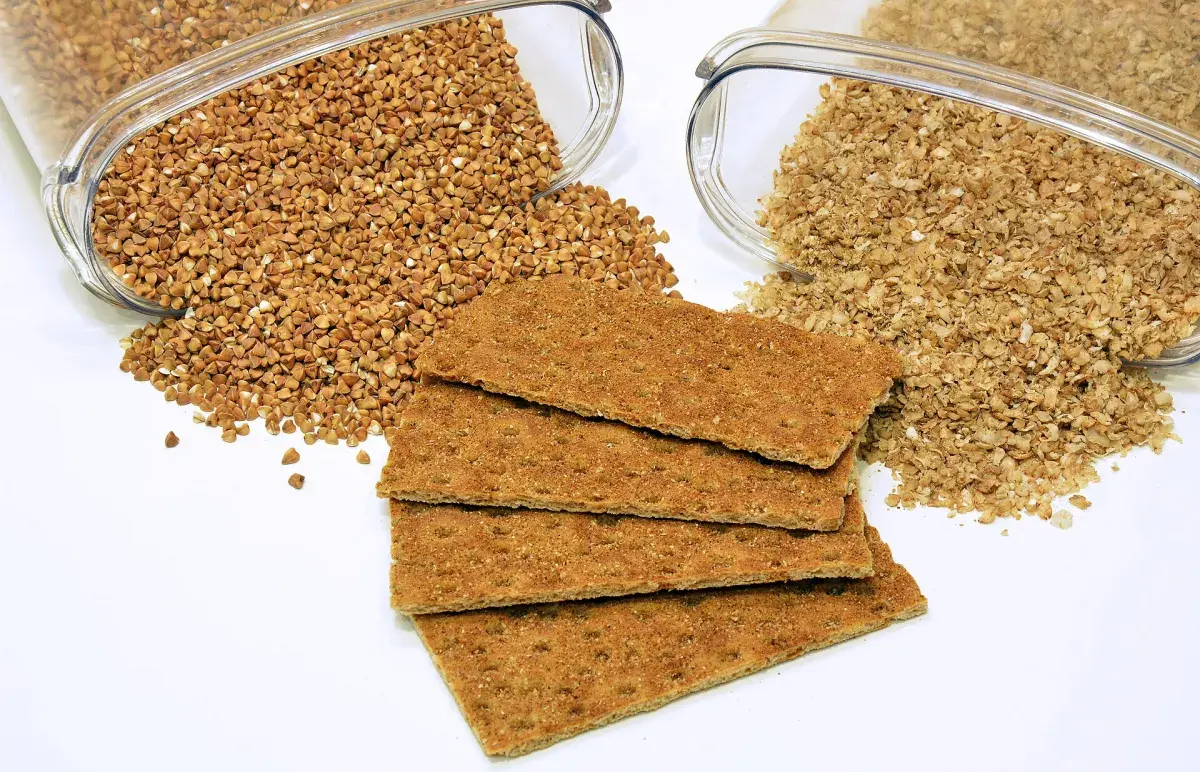
Buckwheat (Fagopyrum esculentum) is not a true cereal but the seed of a plant with white-pink flowers, related to sorrel. It is called a “pseudocereal” because it is used in the kitchen like rice, millet or oats. The kernels are triangular, and in shops you will find two types:
- Toasted buckwheat (kasha): brown, with an intense nutty, earthy aroma; it cooks quickly and stays separate.
- Green (raw, untoasted) buckwheat: greenish-cream, mild in flavor, used for sprouting, salads or creamy porridge; it softens more easily and becomes stickier.
Buckwheat is also made into flour (for pancakes and bread), flakes and Japanese soba noodles (which often contain wheat too).
Nutrition facts
Approximate values (USDA FoodData Central):
| Nutrient | 100 g raw (toasted) | 100 g cooked | Compare: 100 g cooked white rice |
|---|---|---|---|
| Energy | ~346 kcal | ~92 kcal | ~130 kcal |
| Protein | ~11.7 g | ~3.4 g | ~2.7 g |
| Carbohydrates | ~75 g | ~20 g | ~28 g |
| Fiber | ~10 g | ~2.7 g | ~0.4 g |
| Magnesium | ~220 mg | ~51 mg | ~12 mg |
| Manganese | ~1.6 mg | ~0.4 mg | ~0.5 mg |
| Copper | ~0.6 mg | ~0.15 mg | ~0.07 mg |
| Iron | ~2.5 mg | ~0.8 mg | ~0.2 mg |
The comparison with white rice shows why buckwheat is considered a “smarter” side dish: fewer calories for the same cooked weight and several times more fiber and magnesium.
Benefits: what the research shows
Steadier blood sugar
Buckwheat has a moderate glycemic index (around 45 to 55 for cooked groats) and fiber that slows carbohydrate absorption. It also contains D-chiro-inositol, a compound studied for its role in insulin signaling. Small human studies and a meta-analysis of observational studies have linked buckwheat intake with better blood glucose and insulin values. As a replacement for white rice or white bread, it is a good choice in type 2 diabetes, though portion size still matters.
Cholesterol and heart
A meta-analysis of clinical and observational studies suggested that buckwheat may modestly lower total cholesterol and triglycerides. The proposed mechanisms are its fiber, buckwheat-specific proteins and polyphenols. The effect is modest, but it adds to other dietary changes. See also our guide to high cholesterol.
Rutin and blood vessels
Buckwheat is one of the best food sources of rutin, a flavonoid studied for its effect on capillary resistance and venous circulation. Concentrated rutin extracts are used in supplements for venous insufficiency, but the amount in cooked buckwheat is much smaller. As part of a flavonoid-rich diet, it may support vascular health without being a treatment for varicose veins.
Complete plant protein
Buckwheat protein has a well-balanced amino acid profile, with lysine and arginine, which wheat lacks. For vegetarians, buckwheat combined with legumes or dairy provides good protein intake.
Gluten-free
Buckwheat contains no gluten, so it suits people with celiac disease or gluten sensitivity. Watch out for cross-contamination in factories and mills, though: if you have celiac disease, choose only products labeled “gluten-free” with the crossed-grain symbol.
How much to eat
| Situation | Typical serving |
|---|---|
| Side dish for an adult | 50-70 g raw (about 150-200 g cooked) |
| Diabetes | 40-50 g raw per meal, with vegetables and protein |
| Breakfast (porridge) | 40-50 g raw or flakes |
| Weight loss | 40-50 g raw, with half a plate of vegetables |
| Children | 20-40 g raw, cooked soft |
Buckwheat can be eaten several times a week, alternating with quinoa, oats, brown rice or millet.
How to cook buckwheat
Fluffy boiled buckwheat (basic method)
- Measure 1 cup of toasted buckwheat (about 170 g) and rinse it in a sieve under cold running water until the water runs clear.
- Optionally, dry-toast it in a pot for 2 to 3 minutes, stirring, for a stronger aroma.
- Add 2 cups of water (or stock) and half a teaspoon of salt.
- Bring to a boil, then turn the heat to minimum, cover and cook for 15 to 18 minutes without stirring.
- Turn off the heat and leave covered for another 10 minutes. Fluff with a fork and add a spoonful of butter or oil.
For green buckwheat, use 1 part to 1.75 parts water and cook 12 to 15 minutes; it turns out softer.
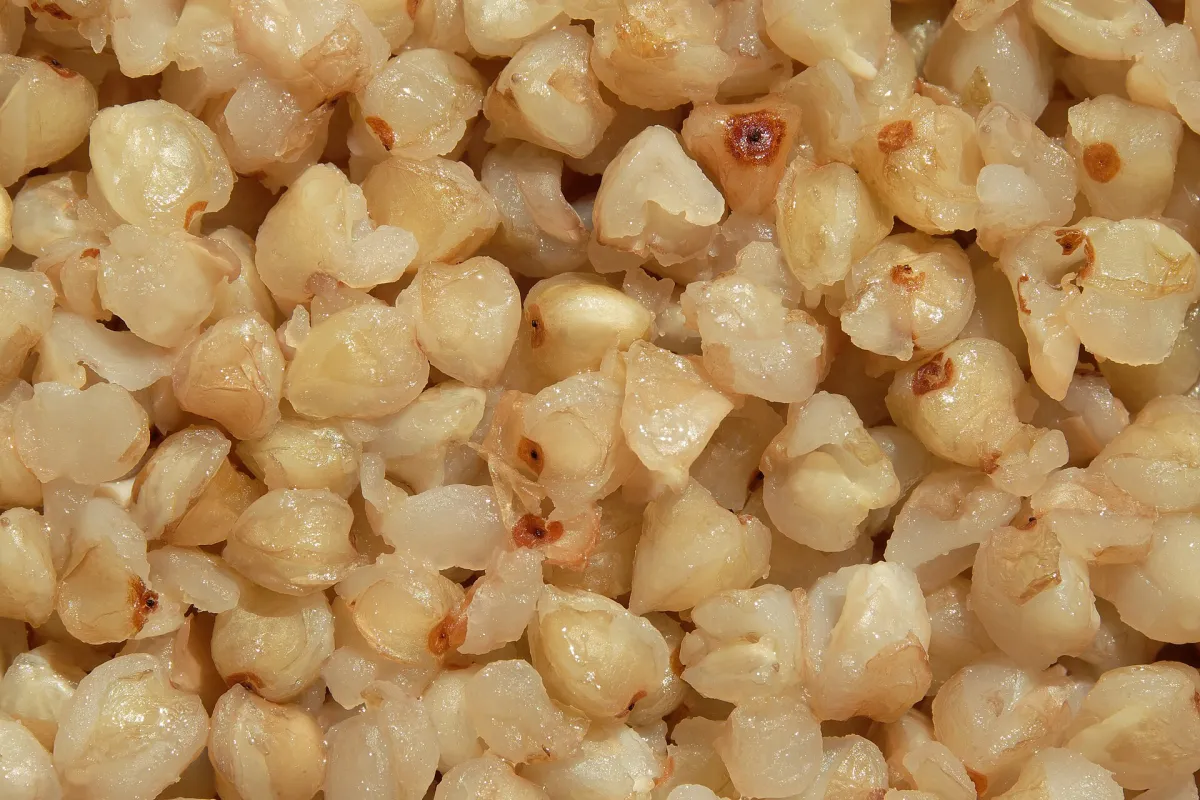 Photo: V.Boldychev, CC BY-SA 4.0, via Wikimedia Commons
Buckwheat with mushrooms and onion (4 servings)
Cook 250 g of buckwheat using the basic method. Separately, sauté a large onion in 2 tablespoons of oil for 5 minutes, add 400 g of sliced mushrooms and brown them for 8 to 10 minutes. Stir into the buckwheat, add dill or parsley and serve with yogurt or a fried egg on top. Without the yogurt and egg it becomes a complete vegan meal.
Buckwheat breakfast porridge
Simmer 50 g of green buckwheat or buckwheat flakes in 200 ml of milk (or plant drink) and 100 ml of water for 12 to 15 minutes, stirring occasionally. Add cinnamon, a spoonful of seeds and fresh fruit. Without sugar, the porridge has a gentle nutty taste.
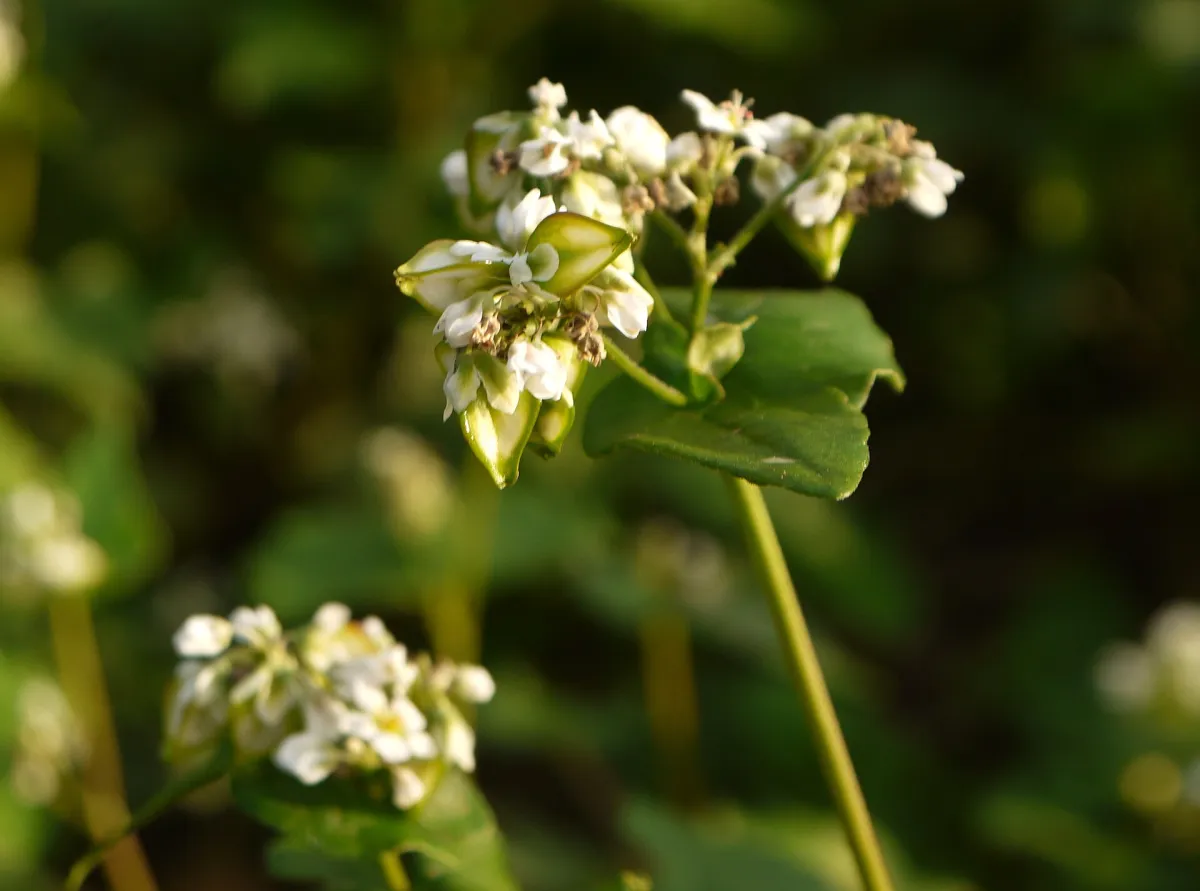 Photo: STRONGlk7, CC BY-SA 3.0, via Wikimedia Commons
Contraindications and precautions
- Buckwheat allergy: more common in Asia but reported in Europe too. It can cause hives, swelling, asthma and even anaphylaxis, sometimes from small amounts. Watch for buckwheat pancakes, soba noodles, “multigrain” bread and some gluten-free products. People allergic to latex or rice may occasionally cross-react.
- Photosensitivity: leaves, shoots and very large amounts of sprouts or buckwheat extracts contain fagopyrin, which can increase skin sensitivity to sunlight. Cooked groats in normal amounts do not pose this problem.
- Celiac disease: only certified gluten-free buckwheat.
- Kidney disease: buckwheat has moderate phosphorus and potassium; with strict restrictions, talk to your doctor.
- Bloating: when switching quickly to a lot of fiber; introduce it gradually.
When to see a doctor
- hives, swelling of the lips or eyelids, difficulty breathing or dizziness after a buckwheat dish (an emergency, call 112 or your local emergency number);
- persistent digestive symptoms (diarrhea, bloating, weight loss) even on a gluten-free diet, in people with celiac disease;
- rashes on sun-exposed skin after eating buckwheat shoots or supplements.
Common mistakes
Too much water. A 1:3 ratio turns buckwheat into paste. For separate grains use 1:2 for toasted and 1:1.75 for green.
Stirring while it cooks. It breaks the grains and releases starch.
Skipping the rinse. Dust on the grains gives a bitter taste and sticky texture.
“Gluten-free” without checking. Buckwheat is naturally gluten-free, but processing can introduce traces of wheat.
Huge portions because it is “healthy”. One cup of raw buckwheat means over 550 kcal once cooked. Measure the raw portion.
Confusing it with soba. Many supermarket soba noodles contain more wheat than buckwheat.
Conclusion
Buckwheat is one of the best alternatives to rice and pasta: gluten-free, with complete protein, fiber, magnesium and rutin, at a moderate glycemic index. Studies suggest modest benefits for blood sugar and cholesterol, and as an everyday side it is a much better choice than refined grains. Cooked properly, with separate grains, and combined with mushrooms, vegetables, eggs or yogurt, it makes a simple and tasty meal. The only serious precaution is allergy, which is rare but must be taken seriously.
Frequently asked questions
Does buckwheat contain gluten? No. Buckwheat is not related to wheat. People with celiac disease should still choose certified products to avoid contamination.
Is buckwheat good for weight loss? Yes, as a replacement for white rice or pasta. It has fewer calories for the same cooked weight and more filling fiber.
How long do you cook buckwheat? Toasted buckwheat: 15 to 18 minutes on low heat, covered, then 10 minutes of resting. Green buckwheat: 12 to 15 minutes. Water ratios are 1:2 and 1:1.75 respectively.
Can I eat buckwheat if I have diabetes? Yes, in portions of 40 to 50 g raw per meal, combined with vegetables and protein. Its effect on blood sugar is gentler than white rice.
What is the difference between green and toasted buckwheat? Green buckwheat is untoasted, mild and softer; toasted buckwheat has an intense aroma and stays in separate grains. Their nutritional values are similar.
Can buckwheat be eaten raw? Green buckwheat groats can be soaked and sprouted, then eaten in moderate amounts. Large amounts of shoots and sprouts can cause photosensitivity in sensitive people.
Can children eat buckwheat? Yes, from weaning, as a well-cooked porridge, introduced on its own at first to watch for possible allergic reactions.
Sources
- USDA FoodData Central: nutrient profiles for “Buckwheat groats, roasted, dry” and “Buckwheat groats, roasted, cooked”.
- Li L. et al., “Buckwheat and CVD risk markers: a systematic review and meta-analysis”, Nutrients, 2018.
- Coeliac UK and the Association of European Coeliac Societies (AOECS): lists of naturally gluten-free foods and cross-contamination rules.
- Scientific literature on buckwheat allergy and cross-reactivity.
- International Tables of Glycemic Index and Glycemic Load Values.
This content is for information only and does not replace advice from a doctor or dietitian, especially with allergies, celiac disease or diabetes.