 Photo: DocteurCosmos, CC BY-SA 3.0, via Wikimedia Commons
Celery (Apium graveolens) is a very low-calorie vegetable rich in water, potassium, vitamin K, fiber and antioxidants such as apigenin and luteolin. Its real benefits come from its place in a vegetable-rich diet: it supports digestion, fullness and healthy blood pressure through potassium and nitrates. Celery juice does not ‘detox’ your body or cure chronic disease, and people with celery allergy, those on warfarin-type blood thinners or with advanced kidney disease need to be careful.
Key takeaways:
- Celeriac (celery root) has more fiber and calories, while stalk celery is more watery and crunchy; both are worthwhile foods.
- For blood pressure, celery helps as part of a vegetable-rich eating pattern, not as a stand-alone remedy; human studies on celery or its juice are small and preliminary.
- Juicing removes most of the fiber; whole celery, raw or cooked, is the better choice.
- Celery is one of the 14 major allergens in the EU and can cause severe reactions, including anaphylaxis.
- Take care with warfarin or acenocoumarol, chronic kidney disease, and sun exposure after eating large amounts.
What celery is: root, stalk, leaves and seeds
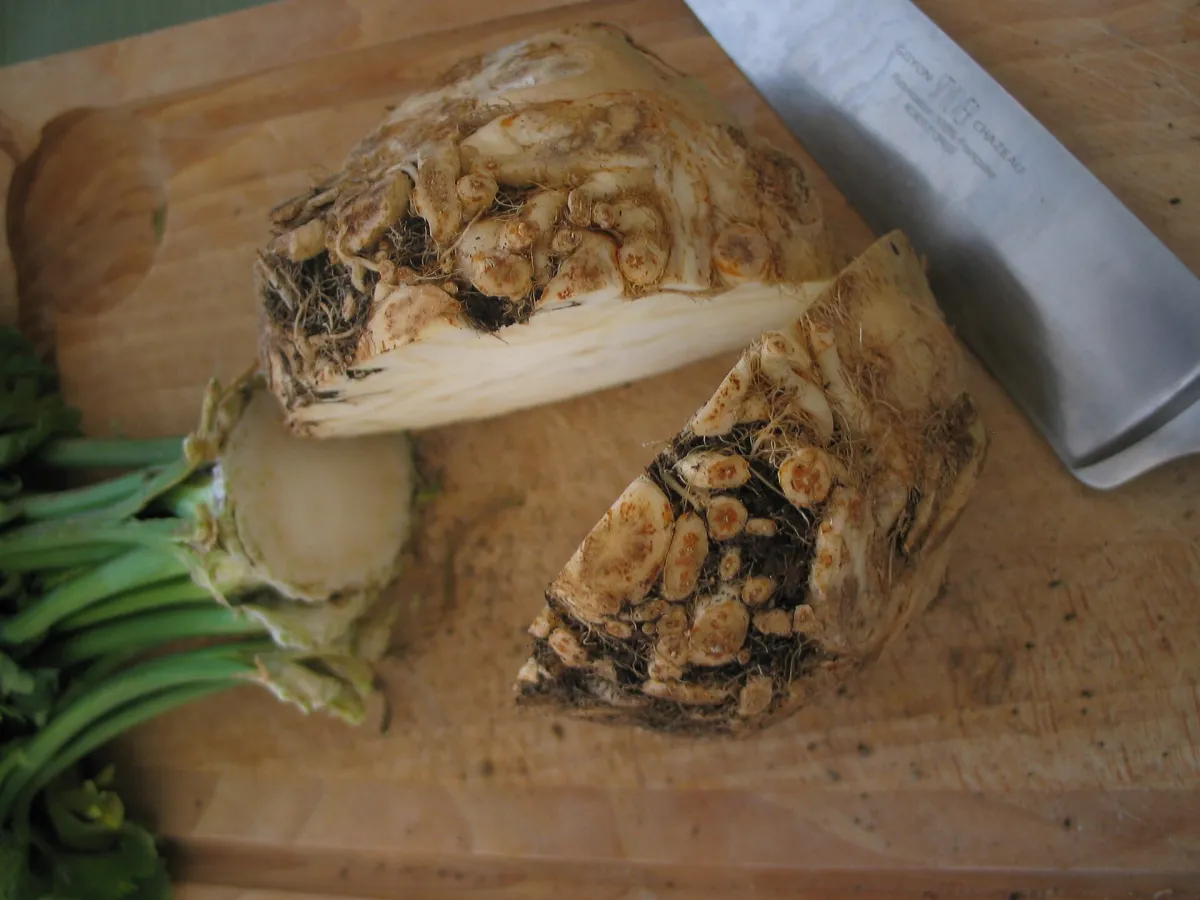
One species has been bred into three forms over the centuries. Celeriac (var. rapaceum) is the knobbly root used in soups, stews and salads across Central and Eastern Europe. Stalk celery (var. dulce) is the familiar supermarket celery with long, juicy ribs, eaten raw or juiced. Leaf celery (var. secalinum) is used as a herb. The seeds (botanically, the fruits) are a spice and the raw material for celery seed extracts.
Celery nutrition and active compounds
- Water: over 90% in the stalks, slightly less in the root.
- Fiber: around 1.5-2 g per 100 g, more in celeriac.
- Potassium: roughly 250-300 mg per 100 g.
- Vitamin K: a meaningful amount in the stalks and much more in the leaves.
- Sodium: unusually high for a vegetable, about 80 mg per 100 g of stalk.
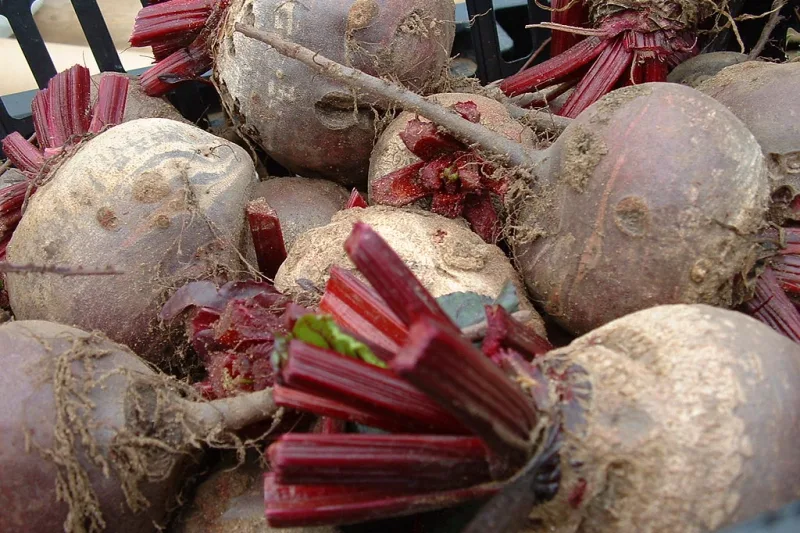
- Nitrates: celery belongs to the high-nitrate vegetables, alongside spinach, lettuce and beetroot.
- Flavonoids: apigenin and luteolin, antioxidant in lab studies.
- Phthalides (3-n-butylphthalide): give celery its smell and have been studied for relaxing blood vessels.
- Furanocoumarins (psoralens): small amounts, higher in fungus-damaged or poorly stored celery; they explain sun-related skin reactions.
- Mannitol: a sugar alcohol that can cause bloating in sensitive people at larger portions.
Celery root vs stalk: quick comparison
| Feature | Celeriac (root) | Stalk celery | Leaves | Seeds |
|---|---|---|---|---|
| Calories per 100 g | about 40 kcal | about 15 kcal | very few | used in grams |
| Taste and texture | sweet, nutty, dense | fresh, crunchy, watery | strong, slightly bitter | aromatic, pungent |
| Fiber | higher | moderate | moderate | relevant only as extract |
| Best uses | soups, mash, slaw, roasted slices | raw snacks, smoothies, juice, soups | herb, stocks | spice, traditional tea |
| Special caution | most allergenic, especially raw | sodium and nitrates concentrated in juice | high vitamin K | extracts: pregnancy, kidneys |
Celery benefits: tradition vs evidence
Blood pressure
Traditional use: in traditional Chinese medicine and European folk practice, celery and celery seed were used for ‘high pressure’ and as a diuretic.
What research shows: in lab and animal studies, celery extracts and phthalides relaxed blood vessels. In humans there are a handful of small, short trials, some with celery seed extract and some with juice, with encouraging but inconclusive results. What is well established is the broader mechanism: dietary nitrates are converted into nitric oxide, which widens blood vessels, and diets rich in vegetables, fruit and potassium (such as DASH) lower blood pressure. Celery fits that pattern, much like beetroot, but it is not a substitute for treatment. For a full plan, see our guide to natural remedies for high blood pressure.
Digestion and regularity
Whole celery provides insoluble fiber, which adds bulk to stool, plus some soluble fiber. Together with its high water content, it supports regular bowel movements and can help with constipation. Cooked celeriac is gentle and easy to digest, even during recovery from illness. This benefit rests on solid nutrition science, not just tradition.
Fullness and weight management
Celery’s very low energy density makes it a filling snack for few calories. It does not ‘burn fat’ and it is not a negative-calorie food, a myth that keeps circulating, but swapping crackers for celery sticks with hummus is a genuinely useful change.
Antioxidant and anti-inflammatory effects
Apigenin and luteolin show clear anti-inflammatory activity in cells and animals. The amounts people get from food are far smaller, and no clinical benefit has been proven. Treat them as a bonus of a varied diet, not as a therapy.
Diuretic, gout and joint pain
Celery seed is a traditional remedy for gout, rheumatic pain and fluid retention. Human evidence is lacking, and Germany’s Commission E did not approve celery for these uses precisely because efficacy was not documented. If this is why you are interested, our guides on gout and water retention cover what actually works.
Celery juice: what is true and what is hype
The celery juice trend made popular on social media calls for about 16 oz (470 ml) of pure celery juice first thing in the morning on an empty stomach. It is credited with clearing eczema, healing autoimmune disease, ‘cleansing the liver’ and delivering so-called ‘cluster salts’, a concept that does not exist in chemistry or medicine. No clinical trials support these claims.
Here is what a large glass actually contains: water, potassium, sodium, nitrates, vitamin K, some vitamins and polyphenols. Making 16 oz takes a big bunch of celery (around 450-500 g), which means a few hundred milligrams of sodium, over 1,000 mg of potassium and a substantial nitrate load. The fiber stays in the juicer.
Why do some people feel better? Often because the juice replaces a sugary coffee or pastry, because they drink more fluid overall, and because joining a health trend tends to make people eat more carefully in general. The most common side effects are bloating and loose stools, largely from mannitol.
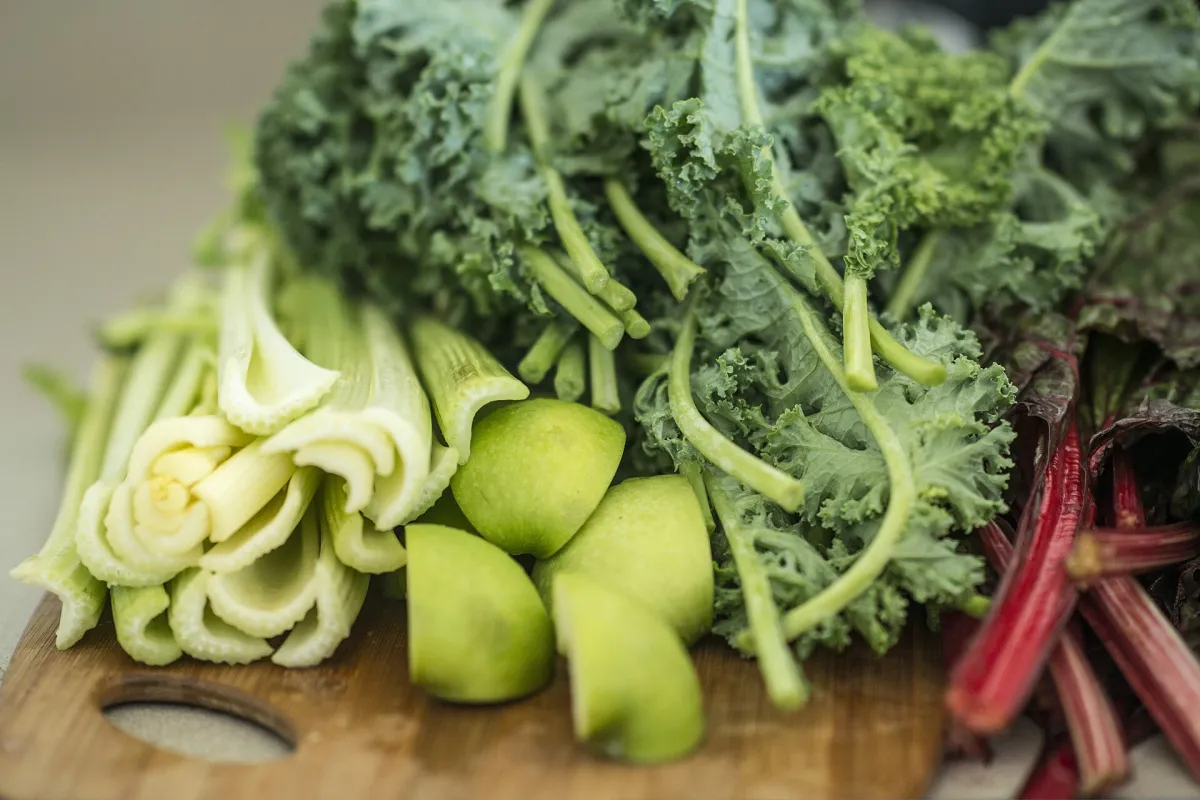 Photo: TSgt Samuel Morse, Public domain, via Wikimedia Commons
How to eat celery: simple recipes
Celeriac and apple slaw with yogurt (serves 2)
- Peel and finely grate 200 g of celeriac.
- Toss right away with 1 tablespoon of lemon juice to prevent browning.
- Add 1 grated apple, 150 g of Greek yogurt, 30 g of chopped walnuts, a pinch of salt and black pepper.
- Chill for 20-30 minutes before serving.
It is a lighter take on the classic mayonnaise-based celeriac salad.
Celeriac mash (serves 3)
- Dice 500 g of celeriac and one medium potato (about 200 g).
- Simmer for 15-20 minutes in lightly salted water until tender.
- Drain, add 1 tablespoon of olive oil or 10 g of butter and blend with a stick blender.
Green smoothie with whole celery (1 serving)
Blend 2 celery stalks (about 100 g), one green apple, half a cucumber, a 1 cm piece of fresh ginger, the juice of half a lemon and 200 ml of cold water for 60 seconds. Drink right away. Unlike juice, you keep all the fiber.
If you still want celery juice
Juice 3-4 stalks (about 200 g) in a slow juicer to get roughly 150 ml. Drink it within 20-30 minutes, or store it for no more than 24 hours in the fridge in a full, sealed jar. If your stomach is sensitive, have it with a meal rather than on an empty stomach.
Crispy baked celeriac ‘schnitzel’
Cut celeriac into 1 cm slices, blanch for 5 minutes, then coat in flour, plant milk and breadcrumbs. Bake on parchment at 200°C (400°F) for 20-25 minutes, turning halfway. A popular meat-free main in Eastern Europe.
How to store celery
Stalks keep 1-2 weeks in the crisper drawer wrapped in aluminum foil or a damp towel. Celeriac lasts several weeks in the fridge and months in a cold cellar. Discard parts with brown-black spots or mold: furanocoumarin levels rise in fungus-damaged celery.
How much celery to eat
| Form | Sensible portion | How often | Notes |
|---|---|---|---|
| Raw stalks | 2-3 stalks (100-150 g) | daily | ideal snack |
| Cooked celeriac | 100-150 g | several times a week | soups, mash, stews |
| Whole-celery smoothie | 250-300 ml | daily | keeps the fiber |
| Celery juice | 150-250 ml | occasionally, or daily if no contraindications | not a meal replacement |
| Leaves | a handful, as a herb | to taste | high in vitamin K |
| Seeds (spice) | 1/2-1 teaspoon in cooking | to taste | food-grade seeds only |
| Celery seed extracts | per product label | only after talking to a doctor or pharmacist | not in pregnancy or kidney disease |
Side effects, interactions and who should avoid celery
Celery allergy
Celery is a major allergen in the EU and must be declared on food labels. It is especially common in Central Europe, often as part of the birch-mugwort-celery-spice syndrome, where people with pollen allergy react to celery. Symptoms range from an itchy mouth and throat to hives, facial swelling, asthma or anaphylaxis. Raw celeriac is the most allergenic; cooking lowers but does not remove the risk. Some reactions occur only when you exercise after eating. Celery hides in stock cubes, spice blends, processed meats and sauces, so read labels.
Phototoxicity
Furanocoumarins, activated by UVA light, can cause redness, blisters and dark patches. The main risk is for people who handle celery daily (skin contact), but reactions have also been reported after eating large amounts of celeriac followed by a tanning bed session. Avoid very large portions before tanning, during PUVA phototherapy, or if you take photosensitizing medicines such as some antibiotics or St. John’s wort.
Blood thinners
Vitamin K counteracts warfarin and acenocoumarol. You do not need to give up celery, but keep your intake steady. Trouble starts with sudden changes, for example starting a daily juice routine overnight. Newer anticoagulants (apixaban, rivaroxaban, dabigatran) are not affected by vitamin K. Concentrated celery seed extracts might, in theory, add to antiplatelet effects, so discuss them with your doctor.
Chronic kidney disease
In advanced kidney disease, with high blood potassium, or when taking potassium-sparing drugs (ACE inhibitors, ARBs, spironolactone), daily celery juice can supply too much potassium. Concentrated seed preparations and the volatile oil are traditionally considered irritating to the kidneys and are avoided in inflammatory kidney conditions.
Pregnancy, breastfeeding and children
Celery as a food is safe in pregnancy. Concentrated seed extracts and essential oil are avoided because they are traditionally regarded as uterine stimulants. Cooked celery can be introduced to babies during weaning, watching for signs of allergy.
Other situations
People with irritable bowel syndrome often tolerate small portions better because of the mannitol. Anyone taking diuretics or lithium should avoid celery seed extracts unless their doctor agrees.
When to see a doctor
- Swelling of the lips, tongue or throat, trouble breathing or dizziness after eating celery: call emergency services.
- A blistering rash or burn-like marks on sun-exposed skin.
- Unusual bleeding, bruising or an out-of-range INR while on blood thinners.
- Muscle weakness or palpitations if you have kidney disease.
- Consistently high blood pressure: it needs assessment and treatment, not juice.
- Diarrhea that continues after you stop the juice.
Common mistakes
Stopping blood pressure medication in favor of celery juice. No vegetable replaces prescribed treatment.
Drinking only the juice and skipping the vegetable. You lose the fiber, one of celery’s main benefits.
Using juice as breakfast. It has no protein or fat and will not keep you full.
Eating spotted or moldy celery. It contains more phototoxic compounds.
Making tea from garden seed packets. Seeds sold for sowing may be treated with fungicides; use food-grade seeds only.
Ignoring an itchy throat. It can be the first sign of an allergy that may worsen.
The bottom line
Celery is a cheap, versatile and genuinely healthy vegetable: celeriac for hearty cooked dishes, stalks for raw snacks and smoothies. Its benefits for blood pressure and digestion are real as part of a vegetable-rich diet, not as a miracle effect of celery juice. Eat it whole as often as you like, and if you have a celery allergy, take blood thinners or have kidney disease, adjust the amount with your doctor.
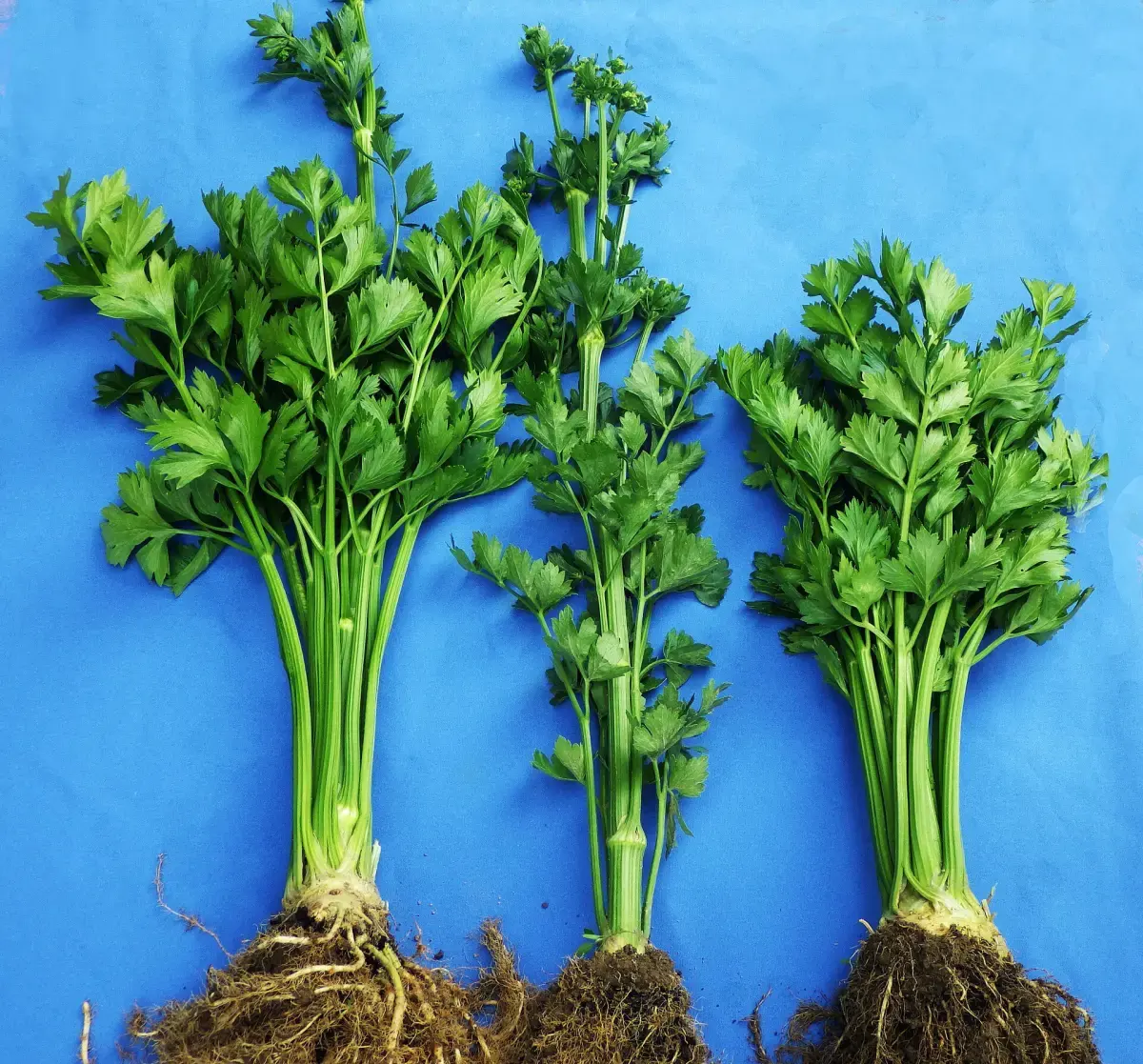 Photo: Schlaghecken Josef, CC BY 4.0, via Wikimedia Commons
Frequently asked questions
Is celery root or celery stalk healthier? Both are healthy. Celeriac has more fiber and calories and suits cooked dishes, while stalks are more watery and ideal raw. Pick the one you will actually eat more often.
Does celery juice lower blood pressure? It may help modestly through nitrates and potassium, but human studies are small and preliminary. It does not replace medication or an overall healthy diet.
Is it OK to drink celery juice every day? A healthy adult can drink 150-250 ml a day. Be cautious if you have kidney disease, take warfarin or have irritable bowel syndrome.
Does celery help with weight loss? Indirectly, yes: it is very low in calories and filling. It is not a negative-calorie food and does not melt fat.
Is celery good for your kidneys? As a normal food, yes, if your kidneys are healthy. In advanced kidney disease the potassium content can be a problem, and seed extracts should be avoided.
Can I eat celery while taking warfarin? Yes, as long as your intake stays fairly consistent from week to week. Tell your doctor before starting a celery juice routine.
Does cooking destroy celery’s benefits? Cooking reduces some vitamin C and certain polyphenols but keeps the fiber, potassium and minerals. Mix raw and cooked.
Can children eat celery? Yes, cooked as a purée or in soup, from the start of weaning. Introduce it on its own so you can spot any allergic reaction.
Sources and further reading
- Regulation (EU) No 1169/2011 on the provision of food information to consumers, Annex II: substances causing allergies or intolerances (including celery).
- EFSA, Scientific Opinion ‘Nitrate in vegetables’, The EFSA Journal, 2008.
- USDA FoodData Central: nutrient data for raw celery and celeriac.
- Blumenthal M. (ed.), The Complete German Commission E Monographs, monograph on celery (Apium graveolens), American Botanical Council, 1998.
- NHS, ‘Food allergy’: symptoms, diagnosis and what to do in anaphylaxis.
Informational content only; it does not replace a consultation with a doctor or pharmacist.