
Chia Seeds: Benefits, Uses and How to Consume Them
IMPORTANT: Chia seeds are generally safe and well tolerated, but consumed in large amounts and without enough liquid they can cause digestive discomfort, bloating or, in rare cases, blockages in the esophagus or intestine. People with swallowing difficulties (dysphagia), those with active inflammatory bowel disease, those on blood-thinning medication (chia may have a mild blood-thinning effect due to its omega-3 content) or those taking medication for blood pressure or blood sugar should talk to their doctor before including them daily in their diet. Pregnant or breastfeeding women can consume chia in moderate amounts, but it is wise to ask their doctor for advice. Introduce the seeds gradually, drink plenty of water and never replace prescribed medical treatment with a food, however valuable it may be.
The story of a rediscovered seed
Aunt Veronica, a woman past seventy from a village at the foot of the sub-Carpathian hills, once told me, while stirring something in a jar that looked like a translucent gel sprinkled with black dots, how she — a woman raised on polenta and beans — ended up keeping a little bag of “foreign seeds” in her pantry. Her granddaughter, who had spent years working in Spain, had brought them as a gift on one of her trips home, telling her that “everyone over there puts them in yogurt and feels better in the belly.” At first, the old woman eyed them with distrust — they looked too much like tiny grains of wild basil. But after leaving them overnight in milk and eating them in the morning, she noticed that “going to the bathroom became easier,” as she put it half under her breath, and that she no longer felt that nagging hunger in the middle of the morning.
What Aunt Veronica did not know is that she was actually rediscovering a food thousands of years old. Chia seeds were sacred nourishment for the Aztec and Maya civilizations, who regarded them as a source of strength and endurance — so precious that they were used both as an offering and as currency. The word “chia” is said to come from a term meaning “strength” in native languages. Today, what warriors and messengers who ran for days through the jungle once ate has reached store shelves all over the world — including the pantry of a grandmother in the sub-Carpathians.
What chia seeds are
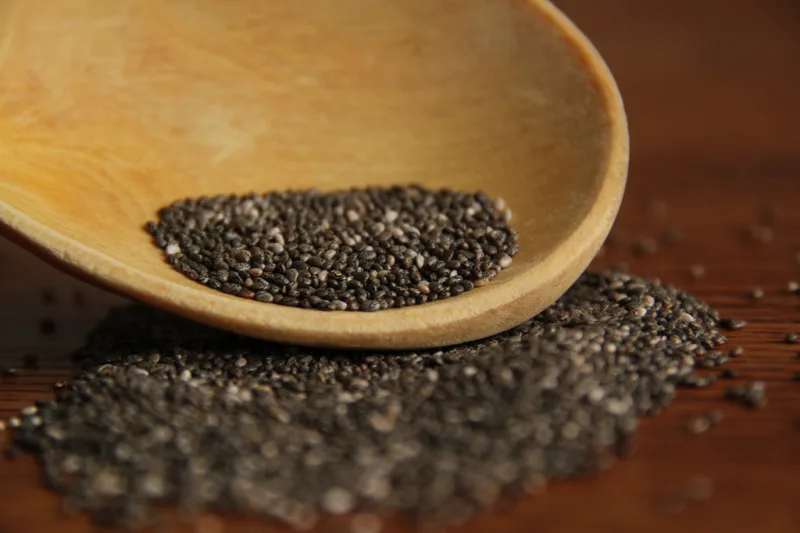
Chia seeds come from the Salvia hispanica plant, a relative of sage in the Lamiaceae family (the mint family), native to central and southern Mexico and to Guatemala. They are very small, oval seeds, about one to two millimeters across, ranging in color from grayish-black and brown to creamy white, often with a marbled pattern. They have no pronounced taste — they are almost neutral, with a faint nutty note — which makes them extremely versatile and lets you add them to virtually any dish without changing its flavor.
Their most striking feature is their ability to absorb liquids. Placed in water, milk or juice, the seeds swell and form a gelatinous, mucilaginous layer around themselves, absorbing up to ten or twelve times their weight in liquid. This gel is, in fact, one of the keys to their benefits: it slows digestion, prolongs the feeling of fullness and feeds the beneficial bacteria in the gut.
Thanks to their remarkable nutritional profile — rich in fiber, plant-based omega-3 fatty acids, protein, minerals and antioxidants — chia seeds have been placed in the modern category of “superfoods.” The label may seem commercially exaggerated, but the real value of these seeds is recognized both by tradition and by nutritional research.
Table of Contents
- What chia seeds are
- Nutritional value: what they actually contain
- Health benefits
- Traditional and modern uses
- How to consume them: step-by-step recipes
- How much to eat: dosage and method
- How to choose and store them
- Lifestyle: how to fit chia into your daily routine
- Practical Tips and Common Mistakes
- Conclusion
- Frequently Asked Questions
Nutritional value: what they actually contain
What makes chia seeds such a prized food is their nutritional density: within a small volume, they pack an impressive amount of useful nutrients.
Dietary fiber. Chia is one of the richest plant sources of fiber. A serving of two tablespoons (about 28 grams) can provide a good portion of an adult’s daily fiber needs. Most of it is soluble fiber, the kind that forms the characteristic gel and that contributes to digestive health and cholesterol regulation.
Omega-3 fatty acids. Chia seeds are one of the richest plant sources of alpha-linolenic acid (ALA), an essential omega-3 fatty acid. This makes them especially valuable for people who do not eat fish or who follow a vegetarian or vegan diet.
Protein. Chia contains a good proportion of plant-based protein, including all the essential amino acids, which is unusual for a plant source. They are therefore a valuable support for those building their protein intake from non-animal sources.
Minerals. These tiny seeds deliver notable amounts of calcium, magnesium, phosphorus, manganese, zinc and iron — minerals important for bones, muscles, the nervous system and energy production.
Antioxidants. Chia contains antioxidant compounds that help protect the seeds from going rancid (which is why they keep so surprisingly well) and that, in the body, help fight oxidative stress.
Another important point: chia seeds are naturally gluten-free, making them suitable for people with celiac disease or gluten sensitivity.
Health benefits
Support for healthy digestion
Probably the best-known benefit of chia seeds is their effect on digestion. The fiber, especially the soluble fiber that forms the gel, helps regulate bowel transit and can be helpful in cases of mild constipation. The mucilaginous gel coats the intestinal walls and encourages gentler elimination. In addition, the fiber acts as a prebiotic, feeding the beneficial bacteria in the gut microbiota — an element increasingly recognized as essential to overall health. Studies suggest that a balanced microbiota supports not only digestion but also immunity and mood.
Satiety and support for weight control
Thanks to their ability to absorb liquid and swell in the stomach, chia seeds prolong the feeling of fullness. This can help naturally reduce the urge to snack between meals, making them an ally for those who want to keep their weight under control. Important to understand: chia does not “burn” fat and is not a miracle slimming solution, but, integrated into a balanced diet, it can contribute to better appetite control.
Support for the heart and cholesterol
The combination of soluble fiber and omega-3 fatty acids makes chia a heart-friendly food. Folk tradition and nutritional observation suggest that soluble fiber can help maintain a healthy cholesterol level, while omega-3 contributes to the health of blood vessels. Regular consumption, as part of a diet low in saturated fat, is often recommended as part of a heart-friendly lifestyle.
Blood sugar regulation
The gel formed by chia seeds slows the breakdown and absorption of carbohydrates from meals. This can help blunt sharp blood sugar spikes after eating. For people who monitor their blood sugar, adding chia to meals can be a useful support — always, however, under a doctor’s guidance, especially if undergoing treatment.
A source of calcium for bones
For those who do not consume dairy, chia seeds are an appreciable plant source of calcium, alongside magnesium and phosphorus — all involved in maintaining a healthy bone structure. This benefit is particularly relevant for people on a vegan diet or with lactose intolerance.
Lasting energy and hydration
The warriors and messengers of the ancient Mesoamerican civilizations consumed chia precisely for the endurance it gave them. The combination of protein, healthy fats and fiber releases energy gradually, without the spikes and crashes caused by fast sugars. And the chia gel, which retains water, helps with more prolonged hydration — an advantage for athletes and active people.
Traditional and modern uses
In Mexico and Central America, chia has been consumed for centuries in the form of a drink called chia fresca or agua de chia: seeds left to swell in water with lemon juice and a little sweetener, a refreshing and energizing drink, perfect for hot days. This simple tradition remains one of the best ways to consume chia even today.
In modern cooking, the seeds have found countless uses: in puddings, in smoothies, sprinkled over salads, yogurt or oatmeal, stirred into bread and cake batters, or used as an egg substitute in vegan recipes (a “chia egg” is made by mixing one tablespoon of seeds with three tablespoons of water and letting them form the gel). Their ability to turn into a gel makes them a natural thickening agent for sauces, jams and desserts.
How to consume them: step-by-step recipes
Classic chia pudding
This is probably the most popular way to consume chia.
- Put three tablespoons of chia seeds into a jar.
- Add one cup (about 250 ml) of the milk of your choice — cow’s, almond, coconut or oat.
- If you like, add a teaspoon of honey or maple syrup and a drop of vanilla extract.
- Stir well, then wait five minutes and stir again (this second stir prevents clumping).
- Cover and refrigerate for at least four hours, ideally overnight.
- In the morning you will have a creamy pudding. Serve it with fresh fruit, nuts or coconut flakes.
Chia fresca (the traditional drink)
- Put one tablespoon of chia seeds into a large glass of water (about 300 ml).
- Add the juice of half a lemon or lime.
- Sweeten lightly with honey, to taste.
- Stir and let it sit for ten to fifteen minutes, until the seeds swell.
- Stir once more and drink. It is a refreshing and hydrating beverage.
Chia egg (vegan egg substitute)
- Mix one tablespoon of ground chia seeds with three tablespoons of water.
- Let it sit for ten to fifteen minutes, until a thick gel forms.
- Use this gel in place of one egg in cake batters, pancakes or sponge cakes.
Simple addition to meals
The easiest way to start is simply to sprinkle a teaspoon or two of seeds over yogurt, oatmeal porridge, a smoothie or a salad. There is no need to hydrate them beforehand for these uses, but drink plenty of water with the meal.
How much to eat: dosage and method
A reasonable amount for an adult is one to two tablespoons per day (about 15–28 grams). This provides consistent benefits without overloading the digestive system. It is recommended to start with a small amount — one teaspoon a day — and increase gradually, letting the body get used to the higher fiber intake.
The golden rule: hydration. Because chia absorbs a lot of water, it is essential to drink enough liquid when you consume it. Ideally, let the seeds swell in liquid before eating, especially if you have a sensitive digestive system. Consuming dry seeds in large amounts without water can be unpleasant and, in rare cases, risky.
How to choose and store them
Choose chia seeds from trustworthy sources, preferably fair-trade or organic. Both black and white chia have practically the same nutritional properties — the difference in color does not indicate superior quality, only the plant variety. Good-quality seeds are dry, with no moldy or rancid smell and no traces of moisture.
Thanks to their natural antioxidants, chia seeds keep surprisingly well — much longer than flax seeds, for example. Keep them in an airtight container in a cool, dark and dry place, away from direct sunlight. This way they can keep for months, even a year or more. Prepared chia pudding is kept in the refrigerator and consumed within two to three days.
Lifestyle: how to fit chia into your daily routine
You get the greatest benefit from consistency, not from large occasional amounts. Here are some simple ways to make chia a natural habit:
- In the morning: add a teaspoon to your oatmeal, yogurt or breakfast smoothie.
- At lunch: sprinkle seeds over a salad or soup, for extra fiber and texture.
- As a snack: prepare a jar of chia pudding ahead of time and keep it in the fridge, ready to eat.
- Before physical effort: a chia fresca drink can provide lasting energy and hydration.
Chia works best as part of a varied and balanced diet, rich in vegetables, fruit, whole grains and healthy protein sources. It is not a “magic” food, but a useful building block in constructing a healthy diet.
Practical Tips and Common Mistakes
Mistake no. 1: Eating dry seeds without water. The most common mistake is swallowing a spoonful of dry seeds “neat.” Because chia absorbs liquid quickly, it does so even in the esophagus or stomach, potentially causing discomfort. Always hydrate the seeds or drink enough water.
Mistake no. 2: Too much from the start. Suddenly switching to three or four tablespoons a day, when the body is not used to so much fiber, often leads to bloating and discomfort. Start small and increase gradually.
Mistake no. 3: Expecting weight-loss miracles. Chia does not melt fat. It helps with satiety, but without a balanced diet and movement, it will not produce spectacular results on its own.
Mistake no. 4: Neglecting overall hydration. A high fiber intake without enough water can, paradoxically, worsen constipation instead of relieving it. Drink water throughout the day.
Mistake no. 5: Improper storage. Although chia keeps well, storing it in damp or hot conditions can shorten its shelf life. Always use an airtight container in a dry, cool place.
Mistake no. 6: Ignoring your own body. If you notice persistent digestive discomfort, reduce the amount or stop consumption and consult a specialist. Every body is different.
Conclusion
Chia seeds are a remarkable example of a food thousands of years old that proves its worth even in our day. Tiny but nutrient-dense, they provide fiber, plant-based omega-3 fatty acids, complete protein and important minerals, all in a versatile package with an almost neutral taste. Their benefits — from supporting digestion and satiety to backing the heart and regulating blood sugar — make them a valuable addition to a balanced diet. The key is consistency, moderation and hydration. As Aunt Veronica discovered in her sub-Carpathian pantry, sometimes the most precious remedies come in the smallest packages. Consumed wisely and as part of a healthy lifestyle, chia seeds can fully take their place among the foods that do us good.
Frequently Asked Questions
How many chia seeds can I eat per day? For most adults, one to two tablespoons a day (about 15–28 grams) is a reasonable and beneficial amount. It is good to start with less and increase gradually, to let the digestive system get used to it.
Do I need to soak them before consuming them? It is not mandatory for the small amounts sprinkled over food, but it is recommended, especially if you have a sensitive digestive system. Soaking makes them easier to digest and prevents discomfort. Drink plenty of water either way.
Do chia seeds help with weight loss? Indirectly. Thanks to their fiber and ability to swell, they prolong the feeling of fullness and can reduce the urge to snack. However, they do not “burn” fat and are not a standalone slimming solution — they work only within a balanced diet.
Can I consume chia if I am pregnant or breastfeeding? In moderate amounts, they are generally considered safe and even beneficial thanks to their nutrients. Still, it is wise to talk to your doctor before including them daily in your diet.
What is the difference between black and white chia? Practically, there are no significant nutritional differences. The color relates to the plant variety. Both offer the same benefits, so you can choose either.
Do chia seeds contain gluten? No. They are naturally gluten-free, making them suitable for people with celiac disease or gluten sensitivity.
Can I replace flax seeds with chia seeds? Yes, in many recipes they are interchangeable, both being rich in fiber and omega-3. Unlike flax, chia does not necessarily have to be ground to release its nutrients, and it keeps longer without going rancid.
How long does chia pudding keep? Prepared and stored in the refrigerator in a covered container, chia pudding is ideally consumed within two to three days.