
Chlorella: Benefits, Uses and How to Consume the Detoxifying Green Algae
IMPORTANT: Chlorella is generally considered safe for most healthy adults, but it is not suitable for everyone. People with autoimmune conditions (such as lupus, rheumatoid arthritis or multiple sclerosis) should avoid it or use it only under medical supervision, since it stimulates the immune system. Those on blood-thinning medication (such as warfarin) should be cautious, because the high vitamin K content in chlorella can interfere with the drug’s effect. Pregnant or breastfeeding women, children and people sensitive to iodine should consult a doctor before starting supplementation. In some individuals, especially at first, chlorella can cause digestive discomfort, gas or allergic reactions. Always choose products tested for contaminants (heavy metals, microcystins) from reputable manufacturers. Chlorella does not replace a balanced diet or prescribed medical treatment.
Aunt Lucia, a woman well past seventy from the countryside near Sibiu, was the first person I heard speak with wonder about “that green powder.” She had worked for years in a factory that used paints and metals, and after retirement she constantly complained of fatigue and a heavy feeling that doctors could not explain. A granddaughter who had moved abroad sent her a small jar of dark green powder, telling her it would “cleanse the body of all the bad things it had stored up.” Aunt Lucia was skeptical, but she began stirring a pinch into her morning stewed fruit.
After a few weeks, she told everyone she felt “lighter,” that she slept better and that she no longer had the bitter metallic taste she sometimes noticed in the morning. She did not know terms like “chlorophyll” or “detoxification,” but she had intuitively grasped something that the folk tradition of bitter greens and healing plants has confirmed for centuries: the intense green of nature both nourishes and cleanses. Chlorella is not a plant from our lands but a microscopic algae, yet it quickly found a place in the toolkit of those who seek natural remedies to support their bodies.
Chlorella is a single-celled freshwater green algae, one of the oldest forms of life on Earth, having appeared more than two billion years ago. Its name comes from the ancient Greek “chloros,” meaning light green, with the Latin suffix “-ella” indicating its tiny size. Each chlorella cell is only a few microns across, yet it concentrates an impressive amount of nutrients: it is one of the richest natural sources of chlorophyll and contains complete protein, vitamins, minerals and unique compounds such as the so-called “Chlorella Growth Factor.” For these reasons, chlorella has been called a superfood and is valued especially for the support it offers to the body’s natural detoxification processes.
Table of Contents
- What chlorella is and where it comes from
- Nutritional composition and active compounds
- Chlorella’s health benefits
- Chlorella and heavy metal detoxification
- Traditional and modern uses
- How to consume chlorella (powder and tablets)
- Recommended dosage and how to take it
- Chlorella within a healthy lifestyle
- Practical tips and common mistakes
- Conclusion
- Frequently asked questions
What chlorella is and where it comes from
Chlorella is a microalgae of the genus Chlorella, with the species Chlorella vulgaris being the most familiar and widely used in supplements, alongside Chlorella pyrenoidosa. It lives in fresh water and multiplies extremely fast through photosynthesis, turning sunlight, carbon dioxide and water into a dense biomass of nutrients. It is precisely this ability to multiply fourfold in 24 hours that drew the attention of researchers as early as the middle of the last century, when a sustainable protein source was being sought for a growing population.
Today, chlorella is cultivated under controlled conditions, in open ponds or closed photobioreactors, especially in Japan, Taiwan, Korea and other warm regions. After harvesting, the algae is dried and turned into a fine powder or pressed into tablets. An essential processing step is “breaking” the cell wall, because chlorella has a tough wall of cellulose that the human digestive system cannot fully break down. Quality products are labeled “broken cell wall,” ensuring that the nutrients become bioavailable.
Unlike spirulina, with which it is often compared, chlorella is a true green algae, far richer in chlorophyll, while spirulina is actually a blue-green cyanobacterium. The two complement each other nicely, but chlorella stands out for its detoxification profile and its high content of nucleic acids.
Nutritional composition and active compounds
The nutrient density of chlorella is remarkable. Here are its main components:
- Chlorophyll: chlorella is one of the most concentrated natural sources of chlorophyll in the world. This green pigment, structurally similar to the hemoglobin in human blood, is regarded by herbal tradition as a “purifier” of the body.
- Complete protein: roughly 50-60% of chlorella’s dry weight is protein, containing all the essential amino acids. This makes it a valuable source for vegetarians and vegans.
- Vitamins: chlorella provides B-complex vitamins (including forms of B12, though their bioavailability is debated), vitamin C, vitamin E, beta-carotene (provitamin A) and vitamin K.
- Minerals: iron, magnesium, zinc, calcium, potassium and phosphorus.
- Antioxidants: lutein, zeaxanthin and other carotenoids that protect cells from oxidative stress.
- Omega-3 fatty acids: in modest but present amounts.
- Chlorella Growth Factor (CGF): a unique complex of nucleotides, peptides and polysaccharides that forms during the rapid division of the cells and is associated with supporting cellular regeneration.
- Fiber: from the cell wall, which contributes to digestive health and to binding toxins.
This combination makes chlorella a truly complete food, offering a wide range of nutrients in a small amount.
Chlorella’s health benefits
Supporting natural detoxification processes
The most prized benefit of chlorella, recognized both by the modern tradition of natural health and by preliminary research, is its ability to support the elimination of toxic substances from the body. Its fibrous cell wall and chlorophyll can bind to certain toxins in the digestive tract, helping the body eliminate them naturally. Studies suggest this property is especially relevant in the case of heavy metals, which we will discuss in more detail.
Strengthening the immune system
Chlorella is valued for its immune-supporting effect. Studies suggest that supplementing with chlorella may stimulate the activity of cells involved in the body’s defenses and may support antibody production. For those who catch colds often or feel run down during demanding periods, chlorella can be a reliable ally as part of a balanced regimen.
Energy and fighting fatigue
Many consumers report an increase in energy levels and a reduction in tiredness after including chlorella in their daily diet. This effect is attributed to its combination of iron, B-complex vitamins and amino acids that support energy metabolism. The tradition of using greens to “clear the blood” and revitalize is reflected here too.
Digestive health
The fiber in chlorella feeds beneficial gut flora and contributes to regular transit. Furthermore, chlorophyll is traditionally used to reduce bloating and freshen breath, acting as a natural body “deodorizer.”
Support for blood pressure and cholesterol
Preliminary research suggests that regular chlorella consumption may help maintain healthy blood pressure and cholesterol values through its supply of antioxidants, fiber and fatty acids. These effects are promising, but chlorella remains a complement, not a substitute for medical treatment.
Skin health and antioxidant effect
Its wealth of antioxidants, beta-carotene and chlorophyll makes chlorella a support for skin health. Many use it for a brighter complexion and to counter the effects of oxidative stress, which contributes to premature aging.
Chlorella and heavy metal detoxification
This is the topic that made chlorella famous. In modern life, we are exposed to small but constant amounts of heavy metals such as mercury, lead, cadmium and arsenic, coming from food (certain fish), water, pollution, old dental fillings or industrial environments. The body has its own elimination mechanisms, but sometimes these can be overwhelmed.
Chlorella is considered a gentle “natural chelator,” meaning its structure can bind to heavy metals in the digestive tract, preventing their reabsorption and promoting elimination through the stool. Unlike pharmaceutical chelating agents, which are powerful and used only under strict medical supervision, chlorella acts slowly and naturally, which is why it is preferred as everyday support.
Studies suggest that chlorella may help reduce the heavy metal burden, especially when combined with a diet rich in cilantro, garlic and sulfur-rich foods, which in turn support the liver’s detoxification processes. It is important to understand that real detoxification is a complex process carried out by the liver and kidneys, and chlorella offers support to this system rather than a “miraculous cleanse” overnight.
For those interested in this aspect, the approach recommended by the natural health tradition is gradual: start with small doses that are increased over time, to allow the body to adapt and to avoid the discomfort that can occur if toxins are mobilized too quickly.
Traditional and modern uses
Although chlorella is not part of the traditional Romanian pharmacy, it fits perfectly into the philosophy of natural remedies: using nature’s green gifts to nourish and cleanse the body. In East Asia, chlorella has been consumed for decades as a functional food, incorporated into soups, drinks and daily supplements, and associated with longevity and vitality.
Today, chlorella is used for:
- supporting detoxification, especially after periods of dietary excess or exposure to pollution;
- increasing the intake of plant protein and nutrients for those on restrictive diets;
- supporting immunity during the cold season;
- improving energy levels and recovery after physical effort;
- as an ingredient in green smoothies, energy bars and beauty products.
How to consume chlorella (powder and tablets)
Chlorella is available in two main forms: powder and tablets (or capsules). Both are effective; the choice comes down to preference.
Chlorella powder
The powder has an intense, vegetal, slightly bitter taste reminiscent of fresh grass. Here are some ways to use it:
- Green smoothie: blend a teaspoon of powder with a banana, some spinach, apple juice and water or plant-based milk. The banana and sweet fruit mask the strong taste of the algae.
- In fresh juice: add the powder to a glass of orange or apple juice and stir well.
- In yogurt or stewed fruit: just as Aunt Lucia did, a pinch in a compote or yogurt is a gentle option for beginners.
- Green dressing: incorporate the powder into a salad dressing along with olive oil, lemon and garlic.
Step-by-step recipe for a morning detox “shot”:
- Pour 200 ml of room-temperature water, or water with a little lemon, into a glass.
- Add a level teaspoon of chlorella powder (or less at first).
- Squeeze in the juice of half a lemon.
- Stir vigorously with a spoon or use a shaker, since the powder does not fully dissolve.
- Drink immediately, in the morning, on an empty stomach or before breakfast.
Chlorella tablets
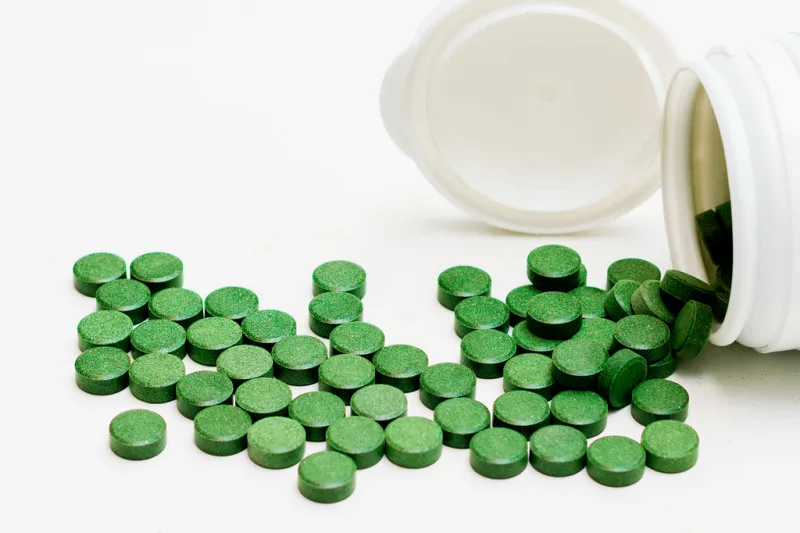
Tablets are the most convenient option, ideal for those who dislike the taste. They are swallowed with water, like any supplement. One advantage is precise dosing: the package specifies the number of tablets equivalent to one serving. Tablets are practical to take with you to work or on trips.
Recommended dosage and how to take it
The usual dose of chlorella ranges between 2 and 5 grams per day for general health maintenance, though some detox protocols use larger amounts, up to 10 grams. The golden rule is to start with a small dose, about half a teaspoon or a few tablets a day, and increase it gradually over one to two weeks.
Chlorella can be taken in the morning for an energy boost, or split into two doses throughout the day. Many people take it before meals. It is important to drink plenty of water throughout the day, especially if you are using it to support detoxification, to help eliminate toxins.
Consistency matters more than quantity: chlorella’s benefits are best seen when it is consumed regularly, over several weeks or months, as part of a healthy lifestyle.
Chlorella within a healthy lifestyle
Chlorella is not a magic solution but one piece of a larger puzzle. To make the most of its benefits, it must be integrated into a balanced way of living. A diet rich in green vegetables, fruit, whole grains and clean water creates the ideal context in which chlorella can do its work. Regular physical activity stimulates circulation and sweating, which are themselves natural pathways for eliminating toxins.
Restful sleep is essential, because during the night the body carries out its most intense processes of repair and cleansing. Reducing exposure to sources of toxins — smoking, excess alcohol, ultra-processed foods, heated plastic packaging — completes chlorella’s efforts. Think of chlorella as a dependable helper that supports your efforts, not as an excuse to neglect your other healthy habits.
Many people choose to do chlorella “cures” in spring and autumn, the traditional periods for cleansing the body in folk wisdom, when the seasons change and the body needs support to adapt.
Practical Tips and Common Mistakes
Mistake no. 1: Starting with too large a dose. Many people, enthusiastic, take a few grams from the very first day and then complain of nausea, gas or headaches. These can be signs that the body is mobilizing toxins too quickly. Start small and increase gradually.
Mistake no. 2: Choosing a product of questionable quality. Because it is used for detoxification, chlorella itself must be clean. Buy only products tested for heavy metals and microcystins, labeled “broken cell wall.”
Mistake no. 3: Expecting immediate results. Chlorella works slowly and subtly. Real benefits appear after weeks of consistent use, not after a few days.
Mistake no. 4: Neglecting hydration. If you use chlorella for detoxification but do not drink enough water, the elimination of toxins is hindered. Water is the indispensable partner of any cleansing routine.
Mistake no. 5: Combining it carelessly with medication. If you take blood thinners or immunosuppressants, or if you have an autoimmune condition, consuming chlorella without a doctor’s advice can do more harm than good.
Mistake no. 6: Improper storage. Chlorella powder should be kept in a well-sealed container, away from light, heat and moisture, to preserve its nutrients and its intense green color.
Conclusion
Chlorella is a remarkable superfood, a microscopic algae that concentrates within its intense green color a wealth of nutrients: chlorophyll, complete protein, vitamins, minerals and antioxidants. Valued above all for its ability to support natural detoxification processes, including the elimination of heavy metals, chlorella also offers support for immunity, energy, digestion and skin health. Just as Aunt Lucia felt “lighter” after adding the “green powder” to her routine, many people discover in chlorella a gentle and natural ally for vitality. What matters is to choose a quality product, start with small doses, be consistent and integrate it into a healthy lifestyle. And if you have chronic conditions or take medication, talk to your doctor first. Used wisely, chlorella can become a trustworthy support for your body.
Frequently Asked Questions
Which is better, chlorella or spirulina? Neither is universally “better” — they complement each other. Chlorella is richer in chlorophyll and is preferred for detoxification thanks to its cell wall, which binds toxins. Spirulina has an even higher protein and iron content and is easier to digest. Many people consume both to enjoy the advantages of each.
How long does it take to feel the effects of chlorella? It varies from person to person. Some notice more energy after one or two weeks, but the deeper benefits, such as support for detoxification and immunity, usually appear after one or two months of consistent use.
Can chlorella cause side effects? Yes, especially at first. The most common are digestive discomfort, gas, nausea or mild headaches, which usually fade as the body adjusts. Starting with small doses reduces the risk of these reactions.
Can I take chlorella if I am pregnant or breastfeeding? Safety data during pregnancy and breastfeeding are limited. Although some women use it, you must consult your doctor before introducing it during this delicate period.
Does chlorella really contain vitamin B12? Chlorella contains forms of B12, but there is debate about how well it is absorbed by the human body. Vegetarians and vegans should not rely solely on chlorella for their B12 intake and would do well to check their levels.
How do I choose a quality chlorella? Look for products labeled “broken cell wall” for bioavailability, independently tested for heavy metals and microcystins, from reputable manufacturers. A deep, intense green color and a fresh, vegetal taste are good signs.
Can chlorella be taken daily, long term? Yes, for most healthy people chlorella can be consumed daily as a functional food. Some prefer intermittent cures of a few months followed by breaks, especially in spring and autumn.
Does chlorella help with weight loss? Chlorella is not a weight-loss product in itself, but its wealth of nutrients, fiber and protein can support a healthy metabolism and a feeling of fullness, indirectly aiding a balanced weight-loss plan alongside diet and exercise.