
Flaxseeds: Benefits, Uses and How to Consume Them Correctly
IMPORTANT: Flaxseeds are generally safe for most people when eaten as food in reasonable amounts. However, they contain very active fibers and small quantities of cyanogenic compounds in their raw state, which is why they are best ground and consumed with plenty of water. People with intestinal obstruction, digestive strictures, acute diverticulitis or severe irritable bowel syndrome should introduce them gradually and cautiously. Pregnant or breastfeeding women, as well as people taking blood thinners, diabetes, blood pressure or hormone medications (including treatments for hormone-dependent cancers) should consult their doctor before consuming large amounts, because flax contains phytoestrogens (lignans) and may affect the absorption of certain drugs. Always drink plenty of water when consuming ground flax, and never use it as a substitute for prescribed medical treatment.
The Story of Grandma Veta and the “Remedy from the Mill”
I can still recall the faint smell of roasted nuts in the kitchen of Grandma Veta, in a village in the Mureș Valley. Every autumn, after the flax she had sown on a strip beside the garden was threshed, my grandmother would bring home a cloth sack full of small, glossy seeds the color of burnt honey. “These are pure gold, don’t waste them,” she would say, grinding them in her old coffee mill, only as much as she needed for a single day. She sprinkled them over porridge in the morning, mixed them into bread dough, and whenever someone in the house complained of being “blocked up,” she would soak a few in a glass of warm water and give that slippery, gel-like liquid to be drunk on an empty stomach.
Back then, nobody spoke of “omega-3” or “lignans.” My grandmother only knew, from what her own mother had told her, that flax “cleanses you from the inside,” “oils the gut,” and “gives strength.” It was only much later that I understood how Romanian folk tradition had, in its own simple way, anticipated what modern research would confirm: that these tiny seeds are one of the most concentrated plant sources of healthy fats, fiber and antioxidants we can put on the table.
What Are Flaxseeds
Flax (Linum usitatissimum) is one of the oldest plants cultivated by humans, used for thousands of years both for the fibers in its stem (from which linen cloth is made) and for its seeds. Its Latin name literally means “the most useful flax,” a testament to the regard it has always enjoyed. The seeds are small, flat and oval, with one slightly pointed end, and they may be reddish-brown (brown flax) or golden-yellow (golden flax, sometimes called golden linseed). Nutritionally, the two types are very similar.
What makes flax so special is the unique combination of three elements: an impressive amount of alpha-linolenic acid (a plant-based omega-3 fatty acid), both soluble and insoluble fiber, and lignans — polyphenol compounds with antioxidant and phytoestrogenic activity. This trinity transforms a humble seed into one of the most valued accessible “superfoods,” available at any health store or market for a modest price.
Table of Contents
- The nutritional composition of flaxseeds
- Health benefits
- Traditional uses in folk medicine
- How to consume flaxseeds correctly
- Recipes and preparation methods
- How much to eat: the recommended daily dose
- How to choose and store them
- Flax in the modern lifestyle
- Practical tips and common mistakes
- Conclusion
- Frequently asked questions
The Nutritional Composition of Flaxseeds
Flaxseeds are remarkably dense in nutrients, offering far more than simple calories. Here are their main components:
- Omega-3 fatty acids (alpha-linolenic acid / ALA): flax is one of the richest known plant sources of ALA. A single tablespoon of ground flax covers a good part of the daily requirement of essential fatty acids, making it especially valuable for those who eat little fish.
- Dietary fiber: flax contains both soluble fiber (mucilage that forms a viscous gel on contact with water) and insoluble fiber. About a third of the seeds’ weight is fiber.
- Lignans: flax is by far the richest dietary source of lignans — hundreds of times more concentrated than other plant foods. These compounds have antioxidant properties and mild phytoestrogenic activity.
- Plant protein: flax provides good-quality protein with a favorable amino acid profile, useful in vegetarian and vegan diets.
- Vitamins and minerals: the seeds contain B-group vitamins (especially thiamine), magnesium, phosphorus, copper, manganese and selenium.
- Antioxidants: in addition to lignans, flax provides other phenolic compounds that help protect cells against oxidative stress.
This composition explains why, even in small amounts, flaxseeds can have a disproportionately large impact on health.
Health Benefits
Support for Digestion and Bowel Regularity
Probably the best-known and oldest use of flax is regulating bowel movements. The soluble fiber (mucilage) absorbs water and forms a gel that softens stool and eases elimination, while the insoluble fiber adds bulk and stimulates peristalsis. Folk tradition long used flax for chronic constipation, and modern studies suggest that regular consumption, accompanied by adequate hydration, may contribute to a more regular and comfortable transit. The gel formed by the mucilage also has a mildly soothing effect on irritated digestive lining.
Heart and Blood Vessel Health
The combination of omega-3 fatty acids, soluble fiber and lignans makes flax an ally of the cardiovascular system. Studies suggest that consistent consumption of ground flaxseed may help maintain healthy cholesterol levels, especially the LDL fraction (the “bad cholesterol”), because soluble fiber binds some of the bile acids and fats in the intestine. Alpha-linolenic acid, in turn, is associated with supporting blood vessel health. For those following a heart-friendly diet, flax is a valuable and inexpensive addition.
Hormonal Balance and Women’s Health
The lignans in flax are converted, by gut bacteria, into compounds with mild estrogen-modulating activity. For this reason, flax has traditionally been associated with support during periods of hormonal transition (perimenopause and menopause). Many women use it to ease the discomfort associated with hormonal fluctuations. For the same reason, however, people with hormone-dependent conditions should consult their doctor before consuming it in large amounts.
Blood Sugar Regulation and Satiety
Soluble fiber slows gastric emptying and sugar absorption, which can help produce a smoother rise in blood sugar after meals. This effect, combined with the prolonged feeling of fullness the mucilage gel provides, makes flax a useful ally for those managing their weight or wanting to avoid sudden sugar cravings. Added at breakfast, flax helps maintain steady energy throughout the morning.
Skin, Hair and General Wellness
The fatty acids and antioxidants in flax support skin and hair health, nourishing the body “from the inside.” Traditionally, flaxseed oil (or the gel from the seeds) was also used externally, on dry skin or dull hair. Reduced oxidative stress and improved digestion often show up as a brighter, more balanced complexion.
Traditional Uses in Folk Medicine
In Romanian households, flax has always been more than a simple food. Here are some of its traditional uses:
- For constipation: a teaspoon of seeds left to soak overnight in a glass of water, drunk in the morning along with the gelatinous liquid that forms.
- Warm poultices: ground seeds mixed with hot water into a paste, wrapped in clean cloth and applied to the chest (for coughs and colds) or to painful areas, as an emollient and soothing remedy.
- For digestive irritation: the mucilaginous decoction was drunk to “coat” and calm an irritated stomach.
- For the skin: the gel obtained from soaked seeds was applied to irritated or dry skin.
These practices, passed down from generation to generation, rested on empirical observation of the emollient and laxative effects of the mucilage.
How to Consume Flaxseeds Correctly
The most important piece of advice about flax is this: whole seeds pass, largely undigested, through the digestive tract. Their hard shell protects the valuable nutrients but also makes them hard to access. That is why, in order to benefit from the omega-3 and lignans, the seeds must be ground just before consumption, in a coffee mill or mortar. Ground flax has a pleasant, mildly nutty aroma.
The second golden rule: hydration. The fiber in flax absorbs water, so it is essential to drink enough liquid when you consume it. Without enough water, the effect can be the opposite — instead of helping transit, dry fiber can hinder it.
Ground flax oxidizes relatively quickly because of the healthy fats it contains, so it is ideal to grind it in small amounts, for one day or at most a few days, and to keep it cold.
Recipes and Preparation Methods
Flax Gel for Digestion
Place a teaspoon of flaxseeds (whole or lightly crushed) in a glass of room-temperature water. Let it soak overnight or for at least 2-3 hours, until the water becomes gelatinous. Drink it in the morning, on an empty stomach, both the liquid and the seeds, followed by another glass of clean water.
Ground Flax at Breakfast
Grind a tablespoon of seeds and sprinkle them over yogurt, oatmeal, cereal or a fruit salad. The nutty flavor pairs perfectly with honey, berries and cinnamon. This is probably the simplest and most pleasant way to integrate flax into your daily diet.
The Flax “Egg” (Vegan Egg Substitute)
For vegan baking recipes: mix one tablespoon of ground flax with three tablespoons of water and let it stand for 10-15 minutes, until a sticky gel forms. This “flax egg” can replace one egg in a cake, pancakes or rolls, providing both binding and nutrients.
Bread and Baked Goods with Flax
Add ground flax or whole seeds to bread dough, to pretzels or to whole-grain crackers. Flax enriches bread with fiber and healthy fats and gives it a pleasant, rustic flavor. Traditionally, many country breads contained flax for exactly this reason.
Energizing Smoothie
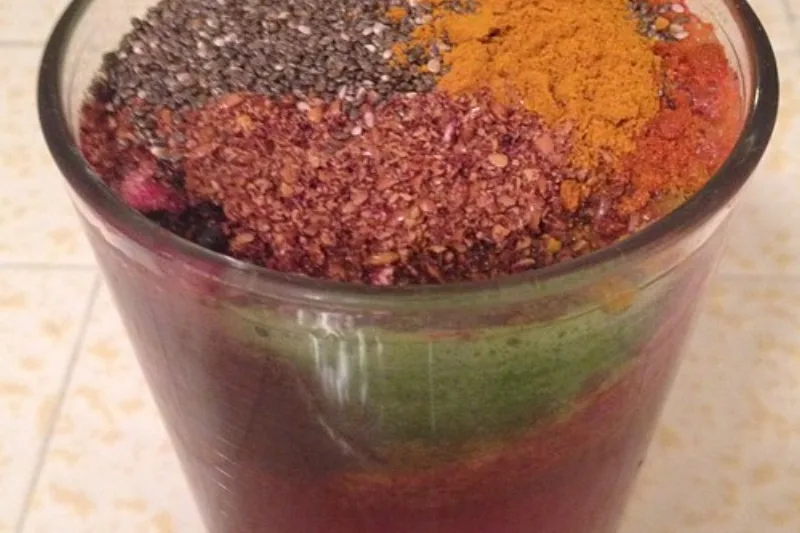
Add a tablespoon of ground flax to a fruit smoothie, alongside other seeds (chia), a pinch of turmeric and some berries. You will get a creamy, filling drink, ideal for breakfast or as a post-workout snack.
How Much to Eat: The Recommended Daily Dose
For most healthy adults, an amount of one to two tablespoons of ground flax per day (roughly 10-25 g) is considered a reasonable and beneficial serving. It is recommended to start with a smaller amount — a teaspoon a day — especially if you are not used to a high fiber intake, and to increase gradually over one to two weeks. This way you avoid the digestive discomfort (bloating, gas) that can occur when a lot of fiber is introduced suddenly.
There is no need, nor is it advisable, to consume very large amounts. More is not necessarily better: excessive quantities can cause intestinal discomfort and may interfere with the absorption of some medications. Consistency matters more than quantity — a tablespoon every day is more valuable than large portions eaten occasionally.
How to Choose and Store Them
When buying, choose whole flaxseeds rather than pre-ground commercial flax whenever possible. Whole seeds keep their freshness far longer, because the shell protects the fats from oxidation. The smell should be fresh and mildly nutty; a rancid, paint-like odor indicates oxidation and means the seeds are no longer good.
Store whole seeds in an airtight container in a cool, dark, dry place — a kitchen cupboard is usually sufficient, and the refrigerator extends shelf life even further. Already-ground flax must absolutely be kept in the refrigerator, in a tightly sealed jar, and consumed within a few days, because the exposed fats oxidize quickly. Flaxseed oil should be stored exclusively in the refrigerator and consumed cold only (it is not suitable for cooking at high temperatures).
Flax in the Modern Lifestyle
In a world where we eat less and less fatty fish and more and more processed food, flax offers a simple and inexpensive way to bring balance back to the diet. A single tablespoon of ground flax added in the morning can supplement your intake of omega-3, fiber and antioxidants effortlessly and at little cost.
For those with a busy lifestyle, the practical tip is to set up a small ritual: grind a portion in the evening for the next day, or keep a small mill within reach on the counter. Combined with a diet rich in vegetables, regular movement and good hydration, flax becomes a small but valuable piece of a mosaic of health. The tradition of our grandparents — who never threw away a single seed — thus takes on a new and very current meaning.
Practical Tips and Common Mistakes
Mistake no. 1: Eating whole, unground seeds. This is the most widespread error. Whole seeds pass through the body almost unchanged, and the omega-3 and lignans remain locked inside. Always grind them before consumption (the exception is flax gel, where you use them whole for the mucilaginous effect).
Mistake no. 2: Lack of hydration. Flax absorbs a lot of water. If you don’t drink enough fluids, the fiber can “clump” and worsen constipation instead of relieving it. Always accompany flax with a glass of water.
Mistake no. 3: Grinding too much at once. Ground flax oxidizes quickly and develops a rancid taste. Grind only what you’ll use over a few days and keep it refrigerated.
Mistake no. 4: Cooking flaxseed oil. Flaxseed oil is very heat-sensitive and degrades at high temperatures. Use it only cold, in salads or dressings, never for frying.
Mistake no. 5: Suddenly introducing large amounts. Jumping from zero to several tablespoons a day can cause bloating and gas. Increase gradually, letting your body adjust.
Mistake no. 6: Ignoring drug interactions. Flax can affect the absorption of some medications and may enhance the effects of blood thinners. If you are on treatment, space your flax intake away from your medication and consult your doctor.
Conclusion
Flaxseeds are a perfect example of how a simple, inexpensive and traditional food can bring real and measurable health benefits. Rich in omega-3 fatty acids, fiber and lignans, they support digestion, heart health, hormonal balance and a pleasant feeling of fullness. The secret lies in the details: grind them fresh, consume them with enough water, store them correctly and introduce them gradually. A tablespoon a day, woven into a balanced lifestyle, is all you need to enjoy Grandma Veta’s “gold from the mill.” As always with natural remedies, moderation and common sense are the best guides, and for any serious condition, your doctor remains the first person to consult.
Frequently Asked Questions
Do I really need to grind flaxseeds? Yes, in order to benefit from the omega-3 and lignans. Whole seeds pass mostly undigested. The only exception is flax gel, where you use them whole precisely for the surface mucilage.
How many flaxseeds can I eat per day? For a healthy adult, one to two tablespoons of ground flax per day (roughly 10-25 g) is a reasonable amount. Start with a teaspoon and increase gradually.
Do flaxseeds help with weight loss? Flax is not a “weight-loss pill,” but its fiber prolongs the feeling of fullness and can reduce cravings, which supports a balanced diet aimed at managing weight.
Can I eat flaxseeds during pregnancy? Because flax contains lignans with phytoestrogenic activity, pregnant or breastfeeding women should consult their doctor before consuming it in large amounts. Occasional use as a food is generally considered safe, but caution is recommended.
What is the difference between brown and golden flax? The difference is mainly in color and taste. Golden flax has a slightly milder flavor, but nutritionally both types are very similar and can be used in the same ways.
Why do flaxseeds taste rancid? Because of the healthy fats they contain, which oxidize on contact with air, light and heat. That is why ground flax must be kept in the refrigerator and used quickly, while whole seeds should be stored in an airtight container.
Can I use flaxseeds instead of egg in baking? Yes. One tablespoon of ground flax mixed with three tablespoons of water, left for 10-15 minutes, forms a gel that replaces one egg in many vegan recipes, providing both binding and nutrients.
Does flax interact with medications? It may affect the absorption of some medications and intensify the effect of blood thinners or certain diabetes and blood pressure treatments. Space your flax intake away from your medication and consult your doctor if you are on treatment.