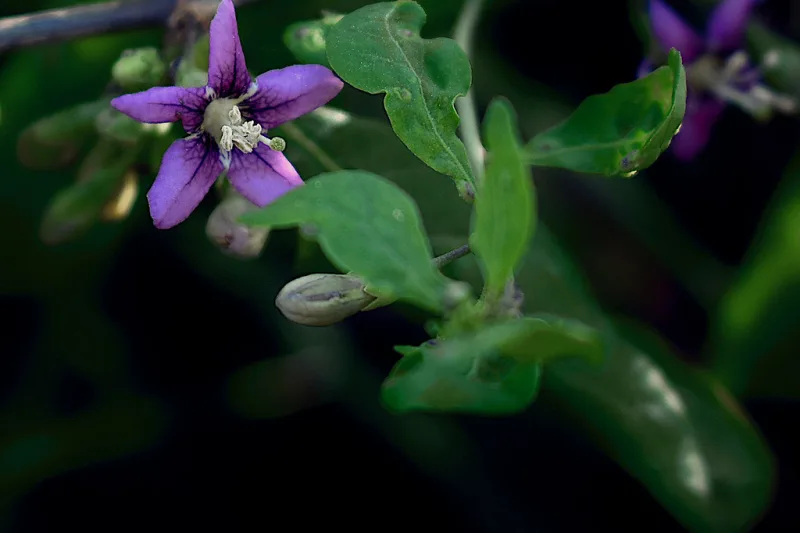

Goji Berries: Benefits, Uses and How to Consume Them Properly
IMPORTANT: Although goji berries are considered a safe food for most people, they are not suitable for everyone. People taking anticoagulant medication (such as warfarin), those on blood-pressure treatment, or anyone with medication-managed diabetes should talk to their doctor before consuming goji regularly, because of possible interactions. Caution is also advised during pregnancy and breastfeeding, as traditional Chinese practice discourages goji during pregnancy. People allergic to fruits in the Solanaceae family (tomatoes, eggplants, peppers, potatoes) may also react to goji. Goji does not replace a balanced diet and does not cure disease — it is a supportive food, not a medicine. If you notice any unusual symptoms, stop using it and consult a specialist.
A story from the edge of the village
Aunt Veta, a woman well past seventy from a village at the foot of the hills, had a strange hedge in her garden: thin, thorny branches over which, in autumn, climbed small clusters of elongated, reddish-orange berries. “These are my healing currants,” she would say, even though they weren’t currants at all. She picked them carefully, spread them on a sheet of paper in the shade, dried them slowly, and then stored them in a glass jar with a lid. In winter she sprinkled them over porridge, added them to compote, or simply chewed a few each day “so my strength wouldn’t fail me.” Her grandchildren laughed at “grandma’s little beads” until, years later, they learned that Aunt Veta was growing — without knowing its scientific name — the very plant the modern world calls goji.
Later, when goji berries became fashionable in health-food stores, sold in expensive bags with colorful labels, many people were surprised that an “exotic superfood” had actually been growing in the hedges of our elders all along. Lycium barbarum had long since adapted to our climate, and folk wisdom had discovered its value long before marketing gave it a shiny label.
What are goji berries
Goji berries are the fruit of the plant Lycium barbarum (and its close relative Lycium chinense), shrubs in the Solanaceae family native to Asia, especially the mountainous regions of China, Tibet, and Mongolia. In common speech they are also called “Himalayan goji,” “Tibetan goji,” or, more botanically correct, “wolfberry.” The fresh fruit is small, elongated, intense reddish-orange, with a sweet-tart, slightly astringent taste that vaguely recalls a mix of currant, cherry, and a vegetal note. On the market, goji is most often found dried, with a soft texture similar to raisins but more fibrous.
In traditional Chinese medicine, goji has been used for more than two thousand years, mentioned in ancient texts as a tonic for the liver, kidneys, and eyes. It was considered a fruit of longevity, associated with vitality and energy balance. Today, goji is valued worldwide as a superfood, thanks to its unusually high nutritional density for such a small fruit.
Table of Contents
- What are goji berries
- Nutritional value
- Health benefits
- Traditional uses
- How to consume goji (step-by-step recipes)
- How much to consume and how to take it
- How to choose and store goji
- Lifestyle and practical tips
- Practical Tips and Common Mistakes
- Conclusion
- Frequently Asked Questions
Nutritional value
Goji berries are remarkable for their concentrated nutritional profile. They are one of the few plants that contain, in complete form, all eight essential amino acids — unusual for a fruit. In addition to protein, goji provides a notable amount of fiber, which supports digestion and a feeling of fullness.
The best-known components of goji berries are:
- Goji-specific polysaccharides (LBP) — a group of complex molecules believed to be responsible for many of the properties attributed to this fruit, especially the immune-supporting effect.
- Carotenoids — particularly zeaxanthin, a yellow-orange pigment that goji contains in especially large amounts. Zeaxanthin is known for its role in eye health, alongside lutein.
- Vitamin C — goji is a good source of vitamin C, an important antioxidant for immunity and for collagen synthesis.
- B-complex vitamins and vitamin A (as beta-carotene) — involved in energy metabolism and in the health of skin and vision.
- Minerals such as iron, zinc, copper, selenium, potassium, and calcium, in varying amounts.
- Polyphenolic antioxidants and flavonoids — compounds that help combat oxidative stress.
This rare combination of protein, fiber, vitamins, minerals, and antioxidants explains why goji earned its reputation as a “nutritional bomb” and why it is valued by people who want to complement their diet with a naturally dense source.
Health benefits
Supporting the immune system
The polysaccharides in goji are the most studied components of this fruit. Studies suggest that these molecules may interact with immune-system cells, contributing to a balanced functioning of the body’s defenses. In folk tradition, goji is consumed mainly in autumn and winter, precisely to strengthen resistance against seasonal colds. Without being a miracle remedy, the fruit provides a steady supply of vitamin C and antioxidants that help the body during demanding periods.
Eye health
Its high zeaxanthin content makes goji a traditional ally of vision. Zeaxanthin and lutein accumulate in the retina, where they act as a natural filter against blue light and oxidative stress. Studies suggest that a regular intake of dietary carotenoids may support the health of the macula, the area responsible for clear vision. In Chinese medicine, goji was traditionally prescribed to “clear the sight” and for tired eyes — a use that today takes on a nutritional meaning.
Antioxidant and cellular protection
Oxidative stress — the imbalance between free radicals and the body’s ability to neutralize them — is involved in the aging process and in many chronic conditions. Goji provides a wide range of antioxidants, from vitamin C to carotenoids and polyphenols. These help protect cells against oxidative damage. Goji’s reputation as a “fruit of longevity” in Chinese culture is tied precisely to this ability to support the body in its struggle against the wear of time.
Energy and vitality
Many goji consumers report a sense of energy and overall tone. This effect may be explained by the intake of amino acids, iron, and B-complex vitamins, all involved in cellular energy production. Traditionally, goji was eaten by travelers and laborers who needed endurance. It is not a stimulant like coffee — the effect is more one of slow, steady nutritional support.
Skin health
The beta-carotene and vitamin C in goji participate in collagen synthesis and in protecting the skin against oxidative stress caused by sun and pollution. A diet rich in antioxidants is traditionally associated with brighter, more elastic skin. Goji is not a miracle cream, but it contributes to skin health from within, alongside proper hydration and a balanced diet.
Liver support
In traditional Chinese medicine, goji was considered a liver and kidney tonic. Modern research, still ongoing, is studying the effects of polysaccharides on the liver. Folk tradition recommended it for people who were tired, had sluggish digestion, or felt a general weakness, as a food that “gives strength to the internal organs.”
Blood sugar balance and metabolism
Some studies suggest that goji polysaccharides could positively influence sugar metabolism. This is precisely why people with diabetes must be cautious and consume goji only under medical supervision, especially if they are on glucose-lowering treatment, to avoid sudden drops in blood sugar.
Traditional uses
In Asian cuisine and medicine, goji has an old and consistent presence. It was added to soups and stews, especially in dishes considered “wintry,” meant to warm and strengthen the body. An emblematic dish is chicken soup with goji, in which the berries are simmered together with the meat and other tonic herbs. Goji was also used to make teas and infusions, either alone or combined with dried chrysanthemum — a classic blend for “clearing the eyes.”
In our own folk tradition, where the plant was cultivated, the dried berries were used in compotes, preserves, and winter mixes, alongside rosehips, bilberries, or currants. Elders kept them in jars and brought them out on cold days, when the body needed extra support.
How to consume goji (step-by-step recipes)
One of the great advantages of goji berries is their versatility. They can be eaten plain or incorporated into many dishes.
Dried goji, as they are
The simplest method: a tablespoon of dried goji, eaten as a snack, chewed well. They have a pleasant sweet-tart taste and can be mixed with other dried fruits and seeds for an energizing snack.
Rehydrated goji
- Put a tablespoon of dried goji in a small bowl.
- Pour warm (not hot) water over them, just enough to cover.
- Let them sit for 10–15 minutes, until they soften and swell slightly.
- Drain and use them in salads, porridge, or yogurt. The remaining water can be drunk, since it contains some of the soluble compounds.
Goji infusion (tea)
- Put a tablespoon of dried goji in a cup.
- Pour hot but not boiling water (around 80–90°C / 175–195°F) to preserve the vitamin C.
- Cover and let infuse for 10 minutes.
- Drink the tea and eat the softened berries as well. For a richer taste, you can add a few slices of ginger or a few dried chrysanthemum flowers.
Goji in a smoothie
Add a tablespoon of goji (dried or rehydrated) to the blender, along with a banana, a handful of spinach, plant-based milk, and optionally a tablespoon of flaxseeds. Blend until smooth. It’s an excellent way to bring goji into breakfast.
Porridge and breakfast
Sprinkle goji over cooked oatmeal, over fruit yogurt, or over chia pudding. The combination of goji’s sweetness and the creaminess of yogurt is very pleasant.
Goji compote with rosehips
- Bring water to a simmer with a few rosehips and a tablespoon of goji.
- Simmer gently for 10 minutes.
- Let it cool, optionally sweetening with a little honey once it has cooled to lukewarm.
- Drink it as a warm, comforting beverage on winter days.
How much to consume and how to take it
For a healthy adult, a usual serving of dried goji is about one to two tablespoons per day (around 15–30 grams). There is no reason to consume large amounts — being a concentrated food, the benefits come from consistency, not from excess. Moderate, steady consumption, a few times a week or daily in small portions, is preferable to an intense, short-lived “cure.”
It is best to introduce goji gradually into your diet, observing how your body reacts. For people with a sensitive stomach, rehydrating the berries before eating makes them easier to digest. Goji can be eaten at any time of day; many prefer the morning, for the energy boost.
How to choose and store goji
The quality of goji berries varies greatly. Here are a few guidelines:
- Color should be a natural reddish-orange, not a garish, artificial red. An overly intense color may indicate dyeing or treatment.
- Texture of good-quality berries is soft and slightly elastic, not stony or excessively dry.
- Taste is sweet-tart and pleasant. A pronounced bitter or chemical taste is a warning sign.
- Prefer, if possible, goji from trusted sources, ideally organic, without added sulfites for preservation.
For storage, keep dried goji in an airtight jar in a cool, dark, dry place. This way they maintain their quality for several months. If you notice moisture or signs of mold, discard them without hesitation. Rehydrated goji should be consumed the same day or kept in the refrigerator for at most a day or two.
Lifestyle and practical tips
Goji berries deliver visible results only when they are part of a balanced lifestyle. No superfood, however rich, makes up for lack of sleep, a sedentary life, or an unbalanced diet. Goji fits best into a varied diet rich in vegetables, fruits, whole grains, and healthy fats.
Combine goji with other antioxidant-rich foods — blueberries, currants, rosehips, walnuts — for a synergistic effect. Drink enough water, exercise regularly, and pay attention to your sleep. In this context, goji becomes a useful “brick” in a larger structure, not a standalone solution. Think of it as a healthy habit, not a promise of cure.
Practical Tips and Common Mistakes
Mistake no. 1: Eating excessive amounts. Many believe that “more is better” and eat handfuls of goji. Excess can cause digestive discomfort and brings no additional benefit. One to two tablespoons a day are enough.
Mistake no. 2: Prolonged boiling at high temperatures. Vitamin C and some antioxidants are sensitive to heat. If you want to benefit from these components, avoid long boiling and prefer rehydration in warm water or infusion at moderate temperatures.
Mistake no. 3: Ignoring drug interactions. Goji can interact with anticoagulants and with medications for diabetes or blood pressure. Consuming goji without considering your personal treatment is a mistake that can have consequences. Always ask your doctor if you are on chronic medication.
Mistake no. 4: Choosing low-quality products. Cheap goji, with an unnaturally bright color or a chemical smell, may be treated. Quality matters more than price.
Mistake no. 5: Expecting miracles. Goji does not cure disease and does not melt away kilograms on its own. Anyone who consumes it expecting spectacular overnight results will be disappointed. Real benefits come from regular, moderate consumption within a healthy lifestyle.
Mistake no. 6: Improper storage. Goji kept in damp conditions molds quickly. An airtight jar in a dry, cool place preserves their quality far better.
Conclusion
Goji berries are a rare example of a food that combines age-old tradition with modern scientific interest. Rich in antioxidants, carotenoids, vitamins, minerals, and amino acids, they support immunity, eye health, and vitality, and have been valued by generations for their tonic effect. Still, goji is not a medicine but a supportive food: it delivers results when consumed moderately and consistently, as part of a balanced diet and a healthy lifestyle. Viewed with measure and wisdom — just as Aunt Veta treated her little red “beads” — goji berries can become a pleasant and useful habit, a living link between the gardens of our elders and the modern shelves of natural products.
Frequently Asked Questions
How many goji berries can I eat per day? For a healthy adult, one to two tablespoons of dried goji per day (about 15–30 grams) is a reasonable serving. Large amounts are not necessary; regularity matters more than quantity.
Do goji berries help with weight loss? Goji are not a “weight-loss” food in themselves. They can support a weight-loss diet through their fiber, which provides satiety, and their nutritional density, which helps curb cravings. Weight loss, however, depends on overall caloric deficit and lifestyle, not on a single fruit.
Can I eat goji if I take medication? If you take anticoagulants (such as warfarin), diabetes medication, or blood-pressure medication, it is essential to talk to your doctor first. Goji can interact with these drugs and may amplify or alter their effect.
Are goji eaten raw or cooked? Both options are possible. Dried goji can be eaten directly, rehydrated in warm water, or added to dishes. To preserve vitamin C, avoid prolonged boiling at high temperatures.
What is the difference between fresh and dried goji? Fresh goji are harder to find outside the areas where they are grown, since they are perishable. The dried form is the most common on the market, easy to store and use, with a concentrated nutrient content.
Can goji cause allergic reactions? Yes, people allergic to plants in the Solanaceae family (tomatoes, peppers, eggplants, potatoes) may also react to goji. At the first signs of allergy (itching, rash, discomfort), stop consuming them and consult a doctor.
Are goji berries suitable for children? In small amounts, goji can be offered to children as a snack, but it’s best to introduce them gradually and watch for any reactions. For very young children or those with health problems, a pediatrician’s advice is recommended.
How do I recognize good-quality goji berries? Good-quality goji have a natural reddish-orange color, a soft and elastic texture, a pleasant sweet-tart taste, and no chemical smell. Prefer products from trusted sources, ideally organic and without added sulfites.