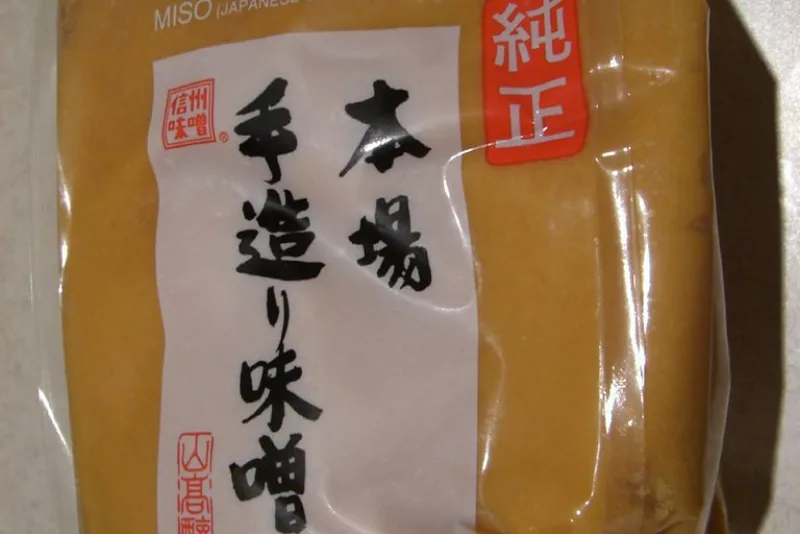

Miso: Benefits, Uses and How to Consume This Fermented Paste
IMPORTANT: Miso is a fermented food that is very high in salt, which is why people with high blood pressure, kidney disease, heart failure, or those following a low-sodium diet should consume it cautiously and in small amounts. Miso contains soy, a common allergen, and sometimes traces of gluten (depending on the grains used in fermentation), so people with a soy allergy or celiac disease must check the label. Being a living product, rich in enzymes and beneficial cultures, miso should not be boiled for long, so as not to destroy the friendly bacteria. Pregnant or breastfeeding women, as well as people taking certain medications (especially monoamine oxidase inhibitors – MAOIs, because of the tyramine content in fermented foods) should talk to a doctor before including it in their daily diet. This article is for informational purposes and does not replace the advice of a specialist.
A Story from a Family Table
Auntie Yoko, an elderly lady I met at an Asian cooking class, always told the story of mornings from her childhood. Every day, before sunrise, her grandmother would rub a spoonful of a dense, amber-colored paste into a wooden bowl, then dissolve it in the warm water on the stove. “That smell,” she would say, “was the smell of ‘home’ for us more than anything else. It was the first warm sip of the day, before the rice and the long walk to school.” Her grandmother never spoke of “probiotics” or “enzymes”; she simply knew, from the experience of generations, that a bowl of miso soup in the morning “keeps the stomach calm” and “gives strength.”
Later, when Yoko moved far from home, she confessed that the first thing she looked for in a new city was a shop where she could buy real miso. “As long as I have miso in the fridge, I feel at home anywhere,” she would say with a smile. This intimate connection between a fermented food and a feeling of comfort and health is no accident — it is the result of more than a thousand years of culinary tradition that transformed the humble soybean into one of the most prized functional foods in the world.
Miso (味噌) is a dense, salty, and deeply flavorful paste obtained by fermenting soybeans together with a starter called koji (rice, barley, or soybeans inoculated with the beneficial mold Aspergillus oryzae) and salt. Originating in East Asia and perfected in Japan over the centuries, miso is used not only as a staple food but also as a genuine traditional remedy, valued for its effect on digestion, energy, and longevity. Today, as science rediscovers the importance of the gut microbiome, miso has returned to the attention of nutritionists around the world.
Table of Contents
- What miso is and where it comes from
- How it’s made: the magic of fermentation and the koji starter
- Types of miso and how they differ
- Composition and active compounds
- Health benefits
- Traditional and culinary uses
- How to prepare it: step-by-step recipes
- How much and when to consume it
- How to choose and store miso
- Lifestyle and healthy habits around miso
- Practical tips and common mistakes
- Conclusion
- Frequently asked questions
What Miso Is and Where It Comes From
Miso is a fermented paste with a texture ranging from creamy to grainy, and a color spanning from pale yellow and beige to a deep reddish-brown, almost chocolate-like. Its taste is dominated by umami — that fifth fundamental flavor, savory and round, discovered precisely through the study of ingredients rich in natural glutamate, among which fermented soy holds a leading place.
Miso’s roots stretch back to ancient China, where similar preparations from fermented beans existed. These techniques reached Japan, likely through Buddhist monks, more than a thousand years ago. There, miso was refined and diversified, becoming a pillar of the diet. During the feudal era, miso was so prized that it was part of the samurai’s provisions — a concentrated food, easy to transport, that did not spoil and that provided energy and nutrients in a dense form. Each region of Japan developed its own style of miso, depending on available grains, climate, and local tastes, so that today there are dozens of varieties.
The essence of miso lies in transforming a relatively modest raw material — the soybean — into a food of remarkable aromatic and nutritional complexity. This transformation is the work of fermentation, a slow and patient process by which microorganisms “pre-digest” the soy, breaking down proteins and starch into amino acids, peptides, and simple sugars that are more easily absorbed by the human body.
How It’s Made: The Magic of Fermentation and the Koji Starter
To understand why miso is so special, we need to know the central role of the starter called koji. Koji is made by inoculating a cooked grain (most often rice, but also barley or soy) with the spores of the beneficial fungus Aspergillus oryzae. Within a few days, this fungus grows on the grains, producing an impressive amount of enzymes — amylases, proteases, and lipases — that will be the “engine” of the entire fermentation.
The classic process of making miso follows several essential steps:
- Preparing the soybeans — the beans are soaked for several hours, then boiled or steamed until soft enough to be easily mashed.
- Mashing — the cooked soy is crushed into a smooth paste.
- Mixing with koji and salt — the soy paste is combined with the koji starter and sea salt. The salt plays a dual role: it adds flavor and controls the fermentation, preventing the growth of unwanted bacteria.
- Fermentation — the mixture is placed in a vessel (traditionally made of cedar wood), pressed, and left to ferment at room temperature. Here the slow transformation takes place: the enzymes in the koji break down proteins and starch, while yeasts and lactic acid bacteria produce complex aromas.
- Maturation — depending on the type, fermentation lasts from a few weeks to several years. The longer the maturation, the darker the color and the more intense the flavor.
This patient microbial dance is what gives miso its richness of flavor and, at the same time, its valuable nutritional profile. Tradition says that miso fermented in wooden vessels through the summer develops the deepest character.
Types of Miso and How They Differ
There are many varieties of miso, but the best-known can be grouped as follows:
- Shiro miso (white miso) — fermented for a short time, with a high proportion of rice koji and less soy. It has a light color and a sweet, delicate taste. Ideal for sauces, dressings, and light soups.
- Aka miso (red miso) — fermented for a longer time, with more soy. It has a deep reddish-brown color and a strong, salty, intense flavor. Suitable for hearty soups, marinades, and winter dishes.
- Awase miso — a blend of white and red miso, balanced and very versatile for daily use.
- Mugi miso — made with barley koji, it has a rustic, slightly sweet flavor.
- Hatcho miso (mame miso) — fermented exclusively from soy for very long periods (sometimes years). Very dense, dark, and extremely rich in umami.
The general rule is this: the lighter the miso’s color, the sweeter and milder it is; the darker it is, the saltier, more intense, and more strongly flavored.
Composition and Active Compounds
Miso is a nutritionally dense food. Although consumed in small amounts, it provides an impressive variety of nutrients, largely the result of the fermentation process:
- Proteins and amino acids — fermentation breaks down soy proteins into free amino acids that are easy to absorb. Among them are essential amino acids.
- Live probiotics and enzymes — unpasteurized miso contains beneficial lactic acid bacteria and active enzymes that can support the gut flora and digestion.
- B vitamins — fermentation contributes to the synthesis of certain B vitamins, including forms of B12 produced by microorganisms.
- Minerals — miso provides manganese, copper, zinc, phosphorus, and some iron.
- Isoflavones — compounds from soy, phytoestrogens with antioxidant effects, which studies suggest may play a role in cardiovascular and hormonal health.
- Antioxidants — the pigments and compounds formed during fermentation (such as melanoidins, which give the dark color) have antioxidant properties.
- Natural glutamate — the source of the umami taste, which makes food more satisfying without added artificial enhancers.
The high sodium content, which comes from the salt used in fermentation, must also be emphasized. This is the main reason why miso should be consumed in moderation.
Health Benefits
Supporting Digestion and Gut Flora
Miso’s best-known benefit relates to digestion. Being a fermented food, unpasteurized miso brings live lactic acid bacteria and enzymes to the gut that “continue the work” begun in the fermentation vessel. Japanese folk tradition has long seen the morning miso soup as a way to “wake up” the stomach and prepare it for the day ahead. Studies suggest that fermented foods, in general, may contribute to the diversity and balance of the gut microbiome, which plays an essential role in digestion, immunity, and even mood.
Support for the Immune System
A large part of the immune system is located in the gut. By supporting a balanced gut flora, fermented foods like miso can have, indirectly, a beneficial effect on the body’s natural defenses. Tradition views miso as a “winter” food that warms and strengthens.
A Source of Antioxidants
The long fermentation process generates compounds with antioxidant properties. Antioxidants help the body counteract oxidative stress, which is associated with cellular aging. The isoflavones from soy add another layer of antioxidant protection.
Bone and Heart Health
Miso contains minerals such as manganese and phosphorus, which are important for bone health. The isoflavones from soy are being studied for their possible role in maintaining bone density, especially in menopausal women. As for the heart, although miso is salty, some traditional observations and studies suggest that the fermented nature of the soy might temper part of the impact of the sodium — but this remains a topic that calls for caution and moderation.
Energy and Satiety
Thanks to the combination of proteins, amino acids, and deep umami flavor, miso gives food a sense of satiety and satisfaction. A warm bowl of miso soup can be a gentle way to begin or end a meal, providing energy without being heavy on the stomach.
Comfort and Emotional Balance
More and more research speaks of the gut-brain axis, the close connection between digestive health and mood. Tradition already intuited this: a warm bowl of miso soup is, for millions of people, a gesture of comfort and calm. That feeling of “home” that Auntie Yoko spoke of is not just nostalgia, but also a real response to a warm, nourishing, and familiar food.
Traditional and Culinary Uses
In Japanese cuisine, miso is an omnipresent ingredient. The best-known use is, of course, miso soup (misoshiru), served at breakfast and at countless meals. But miso is far more versatile than that:
- Marinades — miso mixed with a little sake, mirin, and sugar makes an excellent marinade for fish (the famous miso-marinated black cod) or for vegetables and tofu.
- Sauces and dressings — diluted with rice vinegar, sesame oil, and a little syrup, it becomes a rich dressing for salads.
- Glazes — spread on eggplant, zucchini, or tofu and then browned, miso forms a caramelized, savory glaze (dengaku).
- A universal seasoning — a teaspoon of miso adds depth to soups, stews, sauces, and even some Western dishes, successfully replacing part of the salt.
- Pickles — in Japan, vegetables are sometimes preserved in miso, taking on an intense flavor.
In folk tradition, miso was used not only as food but also as a home remedy: miso soup was given to those with colds, those with an upset stomach, or simply those who were tired, as a gentle and nourishing tonic.
How to Prepare It: Step-by-Step Recipes
Classic Miso Soup (misoshiru)
This is the basic recipe, simple and quick. The secret is not to boil the miso, but only to dissolve it in the warm liquid, in order to preserve the enzymes and the flavor.
Ingredients (for 4 servings):
- 800 ml dashi stock (or water with a vegetable stock cube)
- 3-4 tablespoons of miso paste (to taste)
- 100 g soft tofu, cut into small cubes
- a handful of dried wakame seaweed, soaked in water
- 2 green onions, sliced into rounds
Method:
- Heat the dashi stock (or water) in a pot, without letting it come to a hard boil.
- Add the tofu cubes and the soaked wakame and let them sit for 1-2 minutes.
- Take the pot off the heat or turn it to minimum. Place the miso paste in a ladle, add a little warm liquid, and dissolve it completely, rubbing with a spoon.
- Pour the dissolved miso back into the pot and stir gently. Do not let the soup boil after adding the miso!
- Serve immediately, sprinkling green onion on top.
Miso Marinade for Fish or Tofu
Ingredients:
- 3 tablespoons white miso
- 2 tablespoons mirin (or a little rice syrup)
- 1 tablespoon sake or a little water
- 1 teaspoon sugar (optional)
Method:
- Mix all the ingredients in a bowl until you get a smooth paste.
- Coat the pieces of fish or tofu with the marinade and leave them in the fridge for a few hours (ideally overnight).
- Wipe off the excess marinade and cook in the oven or on the grill until nicely browned.
Quick Miso Salad Dressing
Ingredients:
- 1 tablespoon miso
- 1 tablespoon rice vinegar
- 1 tablespoon oil (sesame or olive)
- 1 teaspoon honey or maple syrup
- a little water to thin
Method:
- Shake all the ingredients vigorously in a jar with a lid until smooth.
- Pour over green salad, raw vegetables, or cooked grains.
Warm Morning Tonic
An ultra-simple way to enjoy miso: dissolve a teaspoon of miso in a cup of warm (not boiling) water and sip it slowly in the morning. You can add a little green onion or a few drops of sesame oil. It is the modern version of the drink that Auntie Yoko’s grandmother prepared at sunrise.
How Much and When to Consume It
Because of its high salt content, miso is consumed in small amounts. A typical serving for a soup is about one tablespoon of paste per person. For healthy people, a bowl of miso soup a day is generally considered a reasonable amount within a balanced diet.
Tradition recommends miso especially in the morning, as a food to start the day, but also in the evening, as a warm and soothing soup. The important thing is for it to be part of a varied diet, alongside vegetables, whole grains, and other protein sources. People following a sodium-restricted diet should ask their doctor about the appropriate amount.
How to Choose and Store Miso
When buying, look for an unpasteurized miso (sometimes labeled as “live” or “unheated”) if you want to benefit from the live enzymes and cultures. The ingredients should be simple: soy, koji (rice/barley), salt, and water, ideally without additives.
- For beginners, white miso (shiro) is the mildest and most versatile choice.
- For strong flavors, red miso (aka) or long-fermented types offer more depth.
Once opened, miso should be kept in the fridge, in a well-sealed container. Thanks to its salt content, it has a long shelf life, but its color may darken slightly over time — a natural process that does not spoil it. If a liquid (tamari) or a slight film forms on the surface, these are generally normal; just stir and use. Always use a clean spoon to avoid contamination.
Lifestyle and Healthy Habits Around Miso
Miso is not an isolated “miracle food,” but one piece of a way of life. In the East Asian regions where it is traditionally consumed, miso is part of a diet rich in vegetables, fish, seaweed, tea, and grains, with moderate portions and regular meals. This dietary pattern, combined with daily physical activity and an active social life, is often associated with longevity.
A few ideas for integrating miso into a balanced lifestyle:
- Use miso as a partial replacement for salt in soups and sauces, to add flavor without an excess of refined sodium.
- Combine miso soup with seasonal vegetables for a light and nourishing meal.
- Treat the bowl of miso soup as a small ritual of calm, a moment of pause and gratitude.
Practical Tips and Common Mistakes
Mistake no. 1: Boiling the miso. The most common mistake is adding miso to boiling liquid and boiling it. This destroys the beneficial enzymes and bacteria and diminishes the delicate flavor. Always add miso at the end, with the heat off or very low.
Mistake no. 2: Adding extra salt. Miso is already very salty. Taste the food before adding any salt — most of the time none is needed at all.
Mistake no. 3: Using a dirty spoon in the jar. To keep miso clean and extend its shelf life, always use a clean, dry spoon.
Mistake no. 4: Consuming large amounts, ignoring the sodium. Enthusiasm for miso’s benefits should not lead to overuse. Moderation is key, especially for people with high blood pressure.
Mistake no. 5: Choosing a miso full of additives. Many industrial products contain flavor enhancers, preservatives, or added alcohol. Read the label and choose a miso with the simplest ingredients possible.
Mistake no. 6: Keeping it at room temperature after opening. Although the salt protects miso, after opening it is best to keep it in the fridge to preserve its freshness and live cultures.
Conclusion
Miso is much more than a simple salty soy paste — it is a living food, the result of a patient alchemy between beans, starter, and time. Rich in umami, enzymes, probiotics, and antioxidants, miso has nourished entire generations not only in body but also in spirit, becoming a symbol of the warmth of home. Used in moderation and integrated into a varied diet, it can be a gentle support for digestion, immunity, and well-being. As Auntie Yoko used to say, “as long as I have miso in the fridge, I feel at home anywhere” — a simple saying that perfectly captures the special place of this fermented food in people’s lives and health.
Frequently Asked Questions
Is miso good for digestion? Yes, in general unpasteurized miso is valued for supporting digestion, thanks to the live enzymes and lactic acid bacteria it contains. Studies suggest that fermented foods may contribute to the balance of gut flora. However, effects vary from person to person.
Why shouldn’t miso be boiled? Boiling destroys the beneficial enzymes and cultures and alters the delicate flavor of miso. That is why miso paste is added at the end, after taking the pot off the heat or turning it to minimum, and dissolved in the warm liquid without bringing it back to a boil.
Does miso contain gluten? It depends on the type. Miso made exclusively from soy or with rice koji is, in principle, gluten-free, but varieties with barley (mugi miso) contain gluten. People with celiac disease must check the label carefully.
How much miso can I consume per day? For a healthy person, a bowl of miso soup a day (about one tablespoon of paste) is generally considered reasonable. Because of the salt content, large amounts are not recommended. People with kidney problems, heart conditions, or high blood pressure should ask their doctor for advice.
Is miso vegetarian or vegan? Miso itself is a plant-based product (soy, grains, salt, starter), so it is suitable for vegetarians and vegans. Be careful, however, with traditional dashi stock, which is often made with fish (bonito); for a vegan version, use a dashi made from kombu seaweed and mushrooms.
How do I choose between white and red miso? White miso (shiro) is milder, sweeter, and more versatile — ideal for beginners, light soups, and dressings. Red miso (aka) is saltier, more intense, and more aromatic — suitable for hearty soups, marinades, and winter dishes. Many people prefer a blend (awase) for everyday use.
How long does miso keep after opening? Thanks to its high salt content, miso has a long shelf life. Kept in the fridge, in a well-sealed container, and handled with a clean spoon, it can be used for months. The color may darken over time, but this is a natural process.
Can I replace salt with miso in cooking? Yes, miso can partially replace salt, adding depth and umami flavor on top. Add it gradually and taste as you go, since it is quite salty. It is an excellent way to reduce refined salt in food while keeping a rich taste.