 Photo: Peachyeung316, CC BY-SA 4.0, via Wikimedia Commons
Cultivated edible mushrooms (button, oyster, shiitake) are a very healthy food: they have only 20 to 35 kcal per 100 g and provide B vitamins, potassium, selenium, beta-glucan fiber and ergothioneine, an antioxidant found in few other foods. Observational studies link regular mushroom intake with better overall diet quality and easier weight control, and mushrooms exposed to UV light are one of the very few non-animal sources of vitamin D. Safety rule number one: only eat mushrooms bought from controlled sources or identified with certainty by an expert, because some wild species are deadly.
Mushrooms hold a special place in Romanian cooking: mushroom stew during the Orthodox fasting periods, dried porcini for soups, honey fungus gathered in autumn. Today the most widely eaten are button and oyster mushrooms, available all year at reasonable prices. Below you will find what they bring to your plate, how much they matter for health and how to prepare them to keep their qualities.
Key takeaways
- 100 g of raw button mushrooms has about 22 kcal, 3 g of protein and almost no fat.
- They are a good source of vitamins B2, B3 and B5, plus selenium, copper and potassium.
- They contain ergothioneine and beta-glucans, compounds studied for antioxidant and immune-modulating effects.
- Mushrooms exposed to UV light (or sunlight) can supply meaningful amounts of vitamin D2.
- Cooking is recommended: heat reduces some irritant compounds and makes nutrients easier to absorb.
- Wild mushrooms should only be eaten if identified with certainty; poisoning can be fatal.
What edible mushrooms are
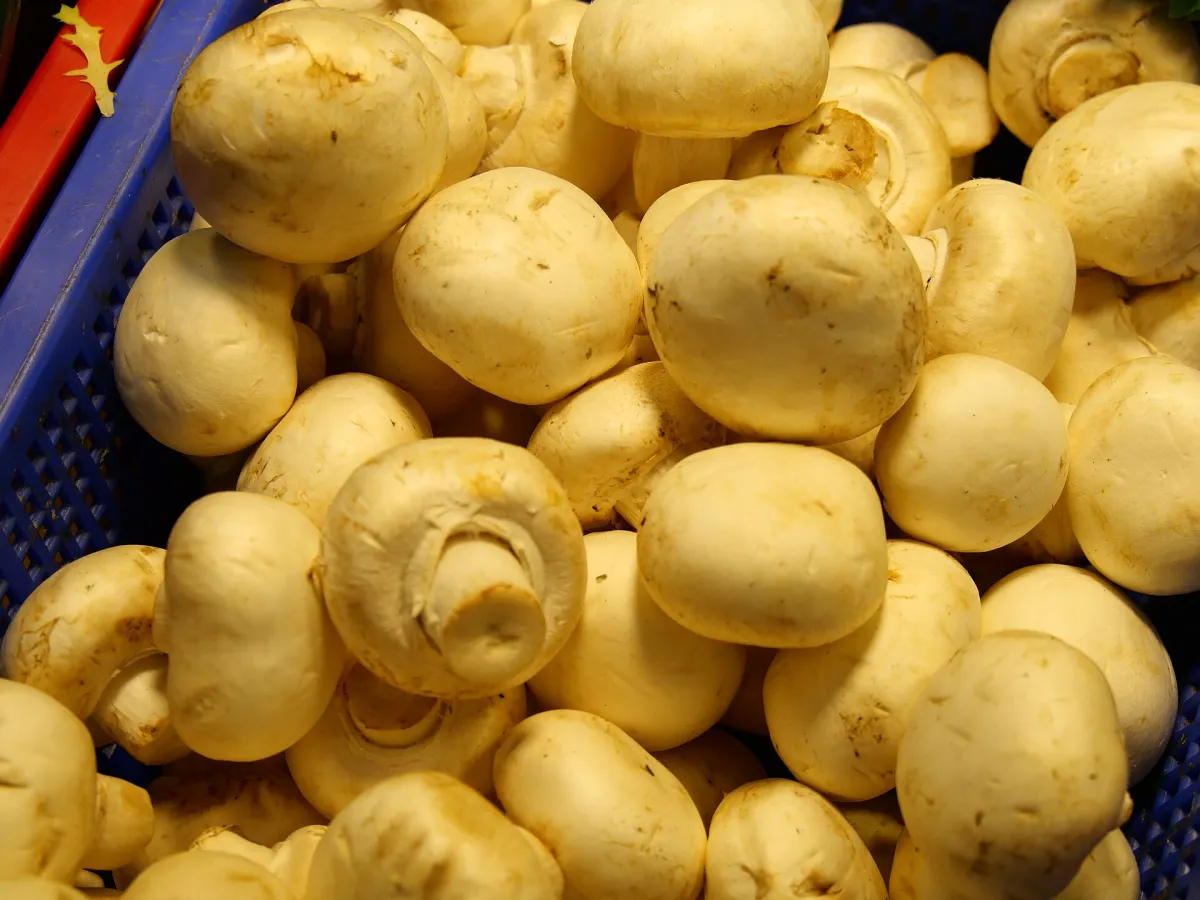
Mushrooms are neither plants nor animals but a separate kingdom (Fungi). The part we eat is the “fruiting body”, which grows from the mycelium, a network of threads living in soil or in a growing substrate. The most common in shops are:
- Button mushrooms (Agaricus bisporus): white or brown (cremini); portobello is the same species allowed to grow larger.
- Oyster mushrooms (Pleurotus ostreatus): grow in clusters, with a meaty texture and delicate flavor.
- Shiitake (Lentinula edodes): native to East Asia, with an intense umami aroma.
- Wild mushrooms sold dried or frozen: porcini, chanterelles, honey fungus.
Nutrition facts
Approximate values per 100 g of raw mushrooms (USDA FoodData Central):
| Nutrient | White button | Oyster | Shiitake |
|---|---|---|---|
| Energy | ~22 kcal | ~33 kcal | ~34 kcal |
| Protein | ~3.1 g | ~3.3 g | ~2.2 g |
| Fiber | ~1 g | ~2.3 g | ~2.5 g |
| Potassium | ~320 mg | ~420 mg | ~300 mg |
| Vitamin B3 (niacin) | ~3.6 mg | ~5 mg | ~3.9 mg |
| Vitamin B2 (riboflavin) | ~0.4 mg | ~0.35 mg | ~0.2 mg |
| Selenium | ~9 µg | ~2.6 µg | ~5.7 µg |
| Vitamin D (not UV-exposed) | ~0.2 µg | ~0.7 µg | ~0.4 µg |
Mushroom protein is useful, but the amount per 100 g is small: mushrooms do not replace meat as a protein source; they complement it or “stretch” it in recipes.
Benefits: what the research shows
Few calories, lots of fullness
Mushrooms have a very low energy density and a satisfying texture. Nutrition studies in which part of the minced meat in recipes (such as meatballs or bolognese) was replaced with mushrooms found that participants ate fewer calories without feeling hungrier. It is a simple trick for weight loss: half meat, half finely chopped mushrooms.
Ergothioneine: a distinctive antioxidant
Ergothioneine is an amino acid with antioxidant activity that the human body cannot make but absorbs and retains through a dedicated transporter. Mushrooms are the richest known dietary source, especially oyster and shiitake. Observational studies link higher ergothioneine levels with healthier aging, but the research is still early and does not support conclusions about disease prevention.
Beta-glucans and immunity
The cell walls of mushrooms contain beta-glucans, fibers that interact with immune cells in the gut. Laboratory studies and a few small human trials (mainly with shiitake) have shown changes in some immune markers after daily intake. This does not mean mushrooms “prevent colds” or treat disease; it means they belong in a diet that supports a well-functioning immune system. You will find more useful steps in our article on low immunity.
Vitamin D from light-exposed mushrooms
Mushrooms contain ergosterol, which UV light converts into vitamin D2. Mushrooms grown in the dark contain very little, but UV-treated mushrooms (sometimes labeled on the pack) can reach 10 µg or more per 100 g. You can try this at home: spread sliced mushrooms gills up in strong summer sun for 30 to 60 minutes. Their vitamin D content rises, although the exact amount varies a lot. Vitamin D2 is somewhat less effective than D3, but it still contributes. Details in our article on vitamin D deficiency.
Oyster mushrooms and cholesterol
Oyster mushrooms naturally contain small amounts of lovastatin, the same compound found in a cholesterol medication, plus beta-glucans. A few small studies showed modest cholesterol reductions, but the amounts in food are far below therapeutic doses. They are a plus in a good diet, not a treatment.
How much to eat
| Situation | Typical serving |
|---|---|
| Everyday eating | 80-150 g cooked, 2-4 times a week or even daily |
| Partly replacing meat | 1:1 with minced meat in meatballs, sauces, fillings |
| Dried mushrooms (porcini, shiitake) | 10-20 g dried per serving, rehydrated |
| Children | Small, well-cooked servings of cultivated mushrooms |
How to choose, store and cook them
Choosing: firm, dry caps without slimy spots; on button mushrooms, gills still covered by the veil signal freshness. The smell should be pleasant and earthy, not sour.
Storing: in the fridge, in a paper bag or the original punnet, for 3 to 5 days. A sealed plastic bag makes them slimy.
Cleaning: wipe them with a damp towel or rinse quickly under running water just before cooking. Do not soak them, as they absorb water.
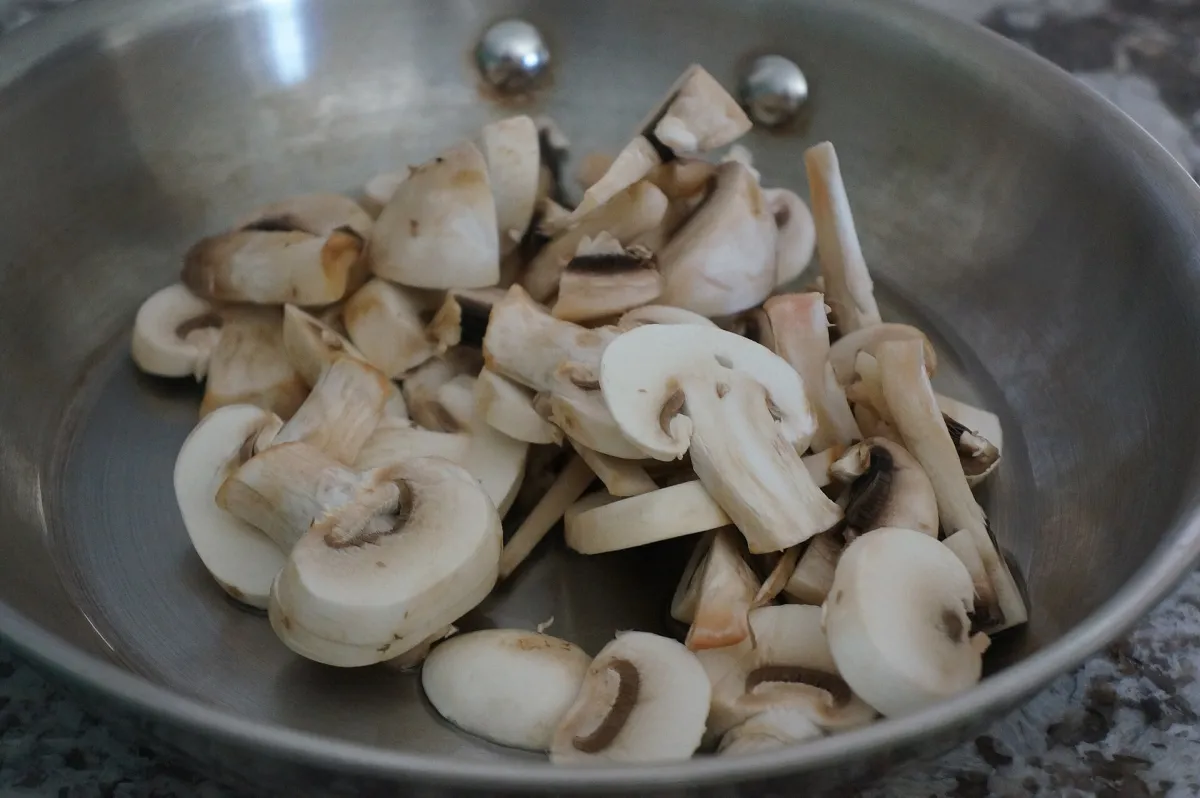 Photo: FASTILY, CC BY-SA 4.0, via Wikimedia Commons
Simple sautéed mushrooms (2 servings)
- Heat a wide pan well with a tablespoon of olive oil.
- Add 400 g of sliced mushrooms in a single layer (in two batches if the pan is small).
- Do not stir for the first 3 to 4 minutes, so they brown instead of stewing in their own juice.
- Stir, cook another 3 to 4 minutes, then add a crushed garlic clove, salt, pepper and parsley at the end.
Romanian-style mushroom stew (4 servings)
Sauté 2 chopped onions in 3 tablespoons of oil for 5 minutes, add 800 g of mushrooms (button and oyster mixed), a pepper and a tablespoon of tomato paste. Simmer for 20 minutes, add thyme, bay leaves and garlic, and serve with polenta or rice. For a protein-rich breakfast, combine sautéed mushrooms with eggs and a handful of spinach.
Dried mushrooms
Rehydrate 20 g of dried porcini in 250 ml of warm water for 20 to 30 minutes. Use the soaking water too (strained through cheesecloth to remove grit) in soups and risotto, because it concentrates the flavor.
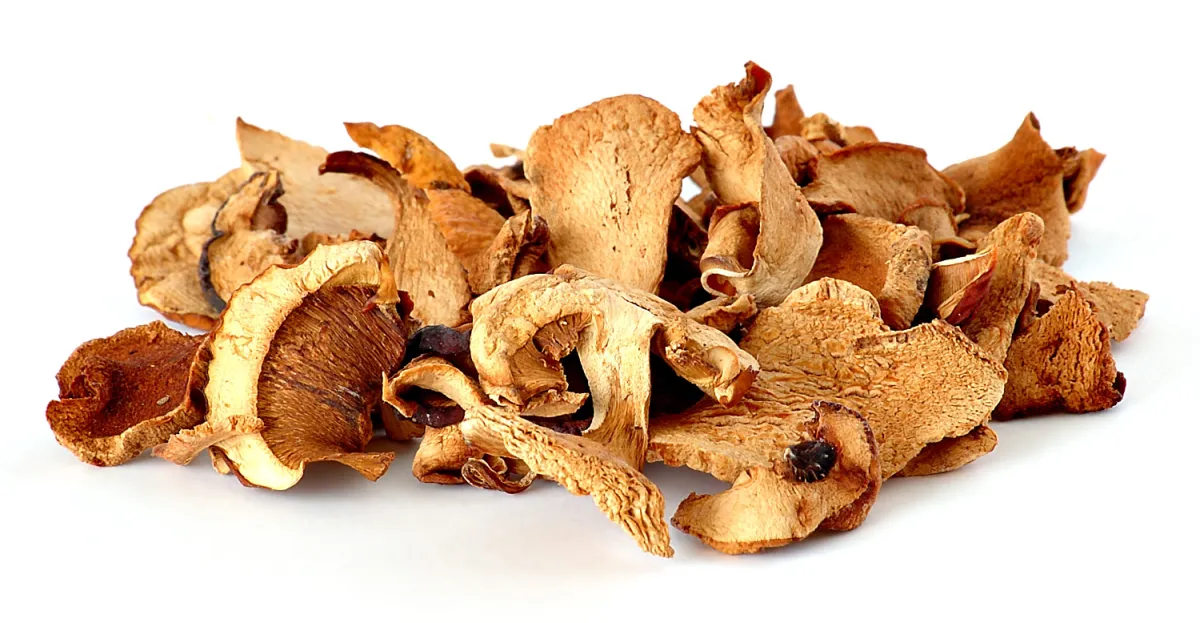 Photo: André Karwath aka Aka, CC BY-SA 2.5, via Wikimedia Commons
Raw or cooked?
Button mushrooms contain agaritine, a compound that cooking greatly reduces. Occasional raw mushrooms in a salad are not considered dangerous, but for frequent eating, cooked is preferable. Raw or undercooked shiitake can cause a distinctive itchy rash with red streaks in some people (“flagellate dermatitis”); thorough cooking largely removes the risk. Heat also softens the cell walls and makes nutrients more accessible.
Wild mushrooms: safety first
Every autumn, hospitals in Romania and across Europe treat people poisoned by mushrooms picked in the woods. The death cap (Amanita phalloides) can be mistaken for edible species, and its toxins destroy the liver; the first symptoms often appear 6 to 24 hours later, when treatment becomes difficult.
- Do not eat mushrooms you picked yourself without reliable identification by an experienced mycologist.
- Do not rely on folk “tests” (a silver spoon, onion turning dark, smell): they are not reliable.
- Do not buy wild mushrooms by the roadside without a clear origin.
- Do not give wild mushrooms to children, pregnant women or older adults without absolute certainty.
Contraindications and precautions
- Mushroom allergy: rare but possible; mold spores can also cross-react in sensitive people.
- Gout: mushrooms contain a moderate amount of purines. Studies show that purines from vegetables and mushrooms raise risk much less than those from meat and seafood, so normal portions are generally accepted. See our guide to gout.
- Kidney disease with potassium restriction: account for the potassium in mushrooms.
- Irritable bowel syndrome: button mushrooms contain mannitol (a FODMAP); oyster mushrooms are usually better tolerated.
- Medicinal mushroom supplements (reishi, chaga, turkey tail): these are different from culinary mushrooms and can interact with medications; talk to your doctor.
When to see a doctor
Get emergency help (call 112 in Europe, or your local emergency number) if after eating mushrooms you develop:
- vomiting, severe diarrhea or abdominal pain, especially if they began hours after a meal with wild mushrooms;
- heavy sweating, drooling, visual disturbances, confusion or hallucinations;
- yellowing of the skin or eyes, or dark urine in the following days;
- difficulty breathing, or swelling of the lips or face.
Keep any leftover mushrooms or a photo of them, as it helps doctors identify the species. More on warning signs in our article on food poisoning.
Common mistakes
Long washing and soaking. Mushrooms absorb water and then stew instead of browning.
Overcrowding the pan. Too many mushrooms at once release liquid and turn out watery and bland.
Reheating mushrooms several times. Like any fresh dish, mushroom stew keeps in the fridge for 1 to 2 days at most and should be reheated once, thoroughly.
Trusting “mushrooms from friends”. A forager’s experience does not replace identification by a specialist.
Confusing culinary mushrooms with supplements. Mushroom extract capsules do not follow the same safety rules as a stew.
Conclusion
Cultivated mushrooms are a light, tasty and surprisingly rich food: B vitamins, selenium, potassium, ergothioneine and beta-glucans for very few calories. Cooked well, browned in a hot pan or slow-cooked in stews, they can partly replace meat and improve diet quality. Exposed to light, they even become a source of vitamin D. The serious part remains safety: wild mushrooms should only be eaten with certain identification, and any symptoms after a meal of foraged mushrooms need prompt medical care.
Frequently asked questions
Are button mushrooms healthy? Yes. They are very low in calories, provide B vitamins, selenium and potassium, and their fiber supports fullness. They suit most diets, from weight loss to diabetes.
Can I eat raw mushrooms? Occasional raw button mushrooms in a salad are not considered dangerous. For frequent eating, cooked is preferred. Shiitake should not be eaten raw.
Do mushrooms have as much protein as meat? No. They have about 3 g of protein per 100 g, much less than meat (20 g or more). Combine them with legumes, eggs or dairy for complete protein.
Can mushrooms be reheated? Yes, if they were cooled quickly after cooking and kept in the fridge for no more than 1 to 2 days. Reheat once, until piping hot throughout.
Do dried mushrooms have the same benefits? Mostly yes. Drying concentrates nutrients and flavor, and sun-dried mushrooms may even contain more vitamin D. They are used in small amounts.
Can I eat mushrooms if I have diabetes? Yes. They have very few carbohydrates and minimal effect on blood sugar. Just watch out for the cream or flour-based sauces that often accompany them.
Are mushrooms good for children? Well-cooked cultivated mushrooms can be part of a child’s diet after weaning, in small amounts. Wild mushrooms should be avoided for children.
Sources
- USDA FoodData Central: nutrient profiles for “Mushrooms, white, raw”, “Mushrooms, oyster, raw” and “Mushrooms, shiitake, raw”.
- NIH Office of Dietary Supplements: vitamin D fact sheet, section on UV-exposed mushrooms.
- EFSA: scientific opinion on the safety of UV-treated mushrooms as a novel food (vitamin D2).
- Scientific literature on ergothioneine and its transporter (OCTN1), and studies on shiitake beta-glucans.
- Clinical toxicology guidance on Amanita phalloides poisoning.
This content is for information only and does not replace medical advice. If you have symptoms after eating mushrooms, call emergency services immediately.