
Oats: Benefits, Fiber, Cholesterol and How to Eat Them Properly
IMPORTANT: Oats are generally a safe and very well-tolerated food, but they should be consumed in moderation and with a few precautions. People with celiac disease or severe gluten sensitivity should choose only certified “gluten-free” oats, because regular oats are often contaminated with traces of wheat, barley or rye during processing. A sudden increase in fiber intake can cause bloating, gas or abdominal discomfort, especially if you do not drink enough water; introduce oats gradually. People with diabetes should keep in mind that oats, although beneficial, contain carbohydrates and affect blood sugar, especially the sweetened instant varieties. If you are on medication or have a chronic digestive condition, talk to your doctor before making oats a dietary staple. This article is for informational purposes only and does not replace professional medical advice.
Grandma Maria, from a village at the foot of the mountains, began every winter morning with a small pot of oat porridge simmering on the wood stove. “Oats keep hunger away until noon and warm old bones,” she would say, stirring slowly in the cast-iron pot. She added a spoonful of honey from her own beehive, some grated apples and a pinch of cinnamon. Every grandchild who crossed her threshold left with a full belly and rosy cheeks, even on blizzard days.
Later I understood that Grandma Maria was simply doing what nutritionists around the world confirm today: oats are one of the most complete and accessible foods for health. Far from being mere “country food” or feed for horses, oats have become the star of a healthy breakfast, recommended for the heart, digestion, weight management and lasting energy.
Oats (Avena sativa) are a cereal grain cultivated for thousands of years in the cool, damp climates of Europe and Asia. Unlike other grains, oats are especially valued for their grain rich in soluble fiber and for a balanced nutritional profile, which makes them a functional food — that is, a food that, beyond its nutritional value, brings concrete health benefits.
Table of Contents
- What oats are and where they come from
- Types of oats: from whole groats to instant flakes
- Nutritional value and active compounds
- Health benefits
- How to eat oats: step-by-step recipes
- How much oats to eat per day
- How to choose and store oats
- Oats in a healthy lifestyle
- Practical tips and common mistakes
- Conclusion
- Frequently Asked Questions
What oats are and where they come from
Oats are a plant in the grass family, grown for their nourishing grain. Native to the temperate regions of Eurasia, oats were domesticated relatively late compared to wheat or barley, but they quickly became a staple crop in cold, rainy countries such as Scotland, Ireland, the Scandinavian nations and northern Europe. In these regions, where wheat grew with difficulty, oats fed entire generations.
In traditional folklore, oats were long associated with animal feed, but in mountain villages they were also prepared for people, especially as porridge or added to bread and flatbreads. Today, oats have made a strong comeback on our tables thanks to their proven benefits, becoming a fixture in the diet of those who care about their health.
The oat grain consists of three essential parts: the outer bran (rich in fiber), the endosperm (the starchy part) and the germ (rich in good fats and vitamins). When oats are whole, they retain all three components, which gives them their remarkable nutritional value.
Types of oats: from whole groats to instant flakes
Not all oats are the same. The way they are processed influences both their texture and how quickly the body digests them:
- Whole oat groats — the almost unprocessed grain, only hulled. They require a long cooking time but are the most nutritious form.
- Steel-cut oats — grains cut into 2-3 pieces. They have a firm, chewy texture and a lower glycemic index.
- Rolled oats — grains steamed and pressed flat. The most popular form, they cook fairly quickly and are versatile.
- Instant oats — very fine, pre-cooked flakes that prepare almost instantly. They are convenient but more processed; sweetened varieties are best avoided.
For health, the less processed the oats, the better — the fiber stays intact and sugar absorption is slower, which keeps hunger at bay for longer.
Nutritional value and active compounds
Oats are impressive for their nutritional density. Here is roughly what this modest grain contains.
Soluble fiber and beta-glucan
The star of oats is beta-glucan, a remarkable soluble fiber. On contact with water, beta-glucan forms a viscous gel in the gut that slows digestion, provides prolonged satiety and helps regulate cholesterol and blood sugar. Studies suggest that this very gel is responsible for most of the cardiovascular benefits of oats.
Quality protein
Oats contain more protein than most grains, with a relatively balanced amino acid profile. For vegetarians and those reducing their meat intake, oats are a valuable source of plant protein, especially when combined with milk, yogurt or seeds.
Complex carbohydrates
The starch in oats is of the complex type, releasing energy gradually. Unlike fast sugars, which cause a sudden energy spike followed by fatigue, oats provide steady energy, ideal for a balanced start to the day.
Vitamins and minerals
Oats are a good source of manganese, phosphorus, magnesium, iron, zinc and B vitamins (especially thiamine). These minerals support energy metabolism, bone health, the formation of red blood cells and the proper functioning of the nervous system.
Unique antioxidants — avenanthramides
Oats contain rare antioxidant compounds called avenanthramides, which are not found in other grains. Folk tradition long used oats in soothing skin baths, and avenanthramides seem to be the explanation: they have anti-inflammatory and calming properties for the skin.
Health benefits
Lowers cholesterol and protects the heart
The best-known benefit of oats is their effect on cholesterol. Beta-glucan binds to bile acids in the gut and removes them from the body. To produce new bile acids, the liver uses cholesterol from the blood, which over time leads to a reduction in “bad” cholesterol (LDL). Studies suggest that regular oat consumption, as part of a balanced diet, contributes to cardiovascular health. Grandma Maria was right: oats really are a friend of the heart.
Regulates blood sugar
Thanks to the gel formed by beta-glucan, oats slow the absorption of sugars into the blood, avoiding sudden blood sugar spikes. This makes them a friendly food for people watching their blood sugar levels, provided they are eaten unsweetened and as little processed as possible.
Satiety and support for weight management
A bowl of oats in the morning keeps hunger away for hours. Beta-glucan prolongs the feeling of fullness, and fiber delays stomach emptying. Thus, oats help reduce cravings for unhealthy snacks throughout the day, making them a valuable ally for those who want to keep their weight under control without starving.
Supports digestion and gut health
The fiber in oats, both soluble and insoluble, feeds the good bacteria in the gut and supports regular transit. Oats are gentle on the stomach and, prepared as a soft porridge, can be comforting even during periods of mild digestive discomfort.
Lasting energy
The complex carbohydrates in oats are released slowly, providing steady energy. That is why oats are a favorite of athletes and those who need prolonged concentration — an oat breakfast supports body and mind until the next meal.
Soothes the skin (external use)
Folk tradition long used ground oats (colloidal oats) in soothing baths for irritated, dry or itchy skin. Avenanthramides and the emollient texture of oats explain the calming effect on irritated skin.
How to eat oats: step-by-step recipes
Oats are extraordinarily versatile. Here are some traditional and modern ways to prepare them.
Classic oat porridge
This is Grandma Maria’s recipe, adapted for our days.
- Place one cup of rolled oats and two cups of liquid (water, milk or a combination) in a pot.
- Add a pinch of salt.
- Set over medium heat and bring to a gentle simmer, stirring often.
- Reduce the heat and cook for 5-8 minutes, until the porridge thickens and becomes creamy.
- Remove from the heat and let rest for 1-2 minutes.
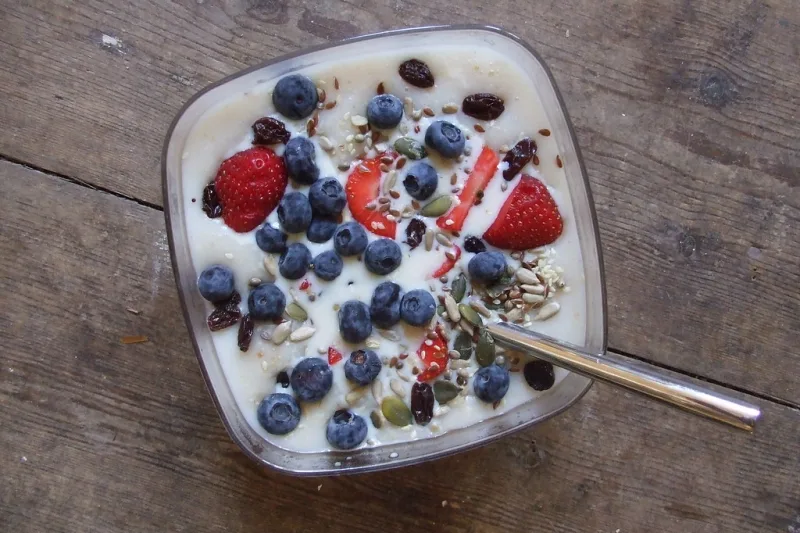
- Serve with toppings: honey, cinnamon, grated apples, berries, bananas, nuts or seeds.
Overnight oats
For those in a hurry in the morning, this no-cook version is ideal.
- In a jar, place half a cup of rolled oats.
- Add half a cup of milk (dairy or plant-based) and 2-3 tablespoons of yogurt.
- Add a teaspoon of chia seeds for a creamier texture (optional).
- Stir, cover and leave in the fridge overnight.
- In the morning, add fresh fruit, honey or cinnamon and enjoy cold.
Oats in a smoothie
Add 2-3 tablespoons of rolled oats to the blender, along with a banana, milk and fruit. You will get a creamy, filling smoothie, perfect as a substantial snack.
Oat flour in baking
Finely ground rolled oats turn into oat flour, which can partially replace white flour in pancakes, cookies, bread or homemade energy bars. They add extra fiber and a pleasant flavor.
Poultice and soothing bath (external use)
For irritated skin, finely grind rolled oats into a fine powder and add it to warm bathwater. Let it dissolve and soak the affected skin for 10-15 minutes. This traditional practice remains a gentle remedy for dry or irritated skin today.
How much oats to eat per day
A typical serving of oats for a healthy breakfast is about 40-50 g of dry flakes (roughly half a cup), which, once cooked, yields a generous bowl. For cholesterol benefits, many specialists recommend regular consumption, daily or a few times a week, as part of a balanced diet.
It is important to introduce oats gradually, especially if you are not used to a large amount of fiber, and to drink enough water throughout the day so that the fiber can do its job well and not cause discomfort.
How to choose and store oats
When buying, choose oats that are as little processed as possible: plain rolled oats or steel-cut oats, without added sugar, flavors or additives. Read the label — good oats have a single ingredient: oats. If you are gluten intolerant, look for the “gluten-free” label on the packaging.
For storage, keep oats in an airtight container in a cool, dry place away from light. This way, the flakes stay fresh and retain their flavor for months. Whole oats, richer in germ fats, can go rancid faster, so it is best to consume them within a reasonable timeframe.
Oats in a healthy lifestyle
Oats are not a miracle food that solves everything on their own, but a solid building block in a balanced lifestyle. They fit perfectly with a diet rich in vegetables, fruit, legumes and good fats, alongside regular exercise and sufficient rest.
An oat breakfast lays the foundation for a day with stable energy, without the sudden hunger that leads to unhealthy snacking. Combine them with fruit for vitamins, with seeds and nuts for good fats, and with a protein source (yogurt, milk) for a complete breakfast. In this way, oats become the foundation on which you build healthy eating habits for the long term.
Practical Tips and Common Mistakes
Mistake no. 1: Choosing sweetened instant oats. Many instant oat sachets contain added sugar, artificial flavors and excess salt. These cancel out part of the benefits. Always opt for plain flakes and sweeten them yourself, with fruit or a teaspoon of honey.
Mistake no. 2: Increasing fiber intake suddenly. If you go from zero to a large daily serving of oats overnight, you risk bloating and discomfort. Introduce oats gradually, letting your body get used to the fiber.
Mistake no. 3: Neglecting hydration. Fiber needs water to work properly. Without enough hydration, fiber can cause constipation instead of preventing it. Drink water throughout the day.
Mistake no. 4: Adding excessive sweeteners and calorie-heavy toppings. A healthy bowl of oats can quickly turn into a sugar-rich dessert if you add too much honey, syrup, chocolate or sweetened dried fruit. Use toppings in moderation.
Mistake no. 5: Ignoring “gluten-free” certification in case of celiac disease. People with celiac disease should not assume oats are automatically safe. Cross-contamination is common; look for certified gluten-free oats.
Mistake no. 6: Cooking too long or too short. Undercooked oats stay hard and difficult to digest, while overcooked oats become gluey. Respect the cooking times according to the type of oats for a pleasant texture.
Conclusion
Oats are a modest food at first glance, but extraordinarily valuable for health. Rich in soluble fiber, especially beta-glucan, they help lower cholesterol, regulate blood sugar, provide lasting satiety and support digestion. Versatile and accessible, oats can be prepared in dozens of ways, from the warm porridge of our grandparents to modern overnight oats. Eaten regularly, unsweetened and as little processed as possible, as part of a balanced lifestyle, oats are one of the best habits you can adopt for your heart, gut and energy. Grandma Maria knew, through folk wisdom, what science confirms today: a bowl of oats in the morning is an investment in health.
Frequently Asked Questions
Do oats cause weight gain or help with weight loss? Oats themselves do not cause weight gain; on the contrary, thanks to their fiber and prolonged satiety, they can be an ally in weight management. The key is to eat them unsweetened and with moderate toppings. However, a bowl of oats with lots of honey, chocolate and dried fruit can bring many calories.
Can I eat oats if I have diabetes? Oats, especially in unprocessed forms (steel-cut or plain rolled oats), have a milder impact on blood sugar than many other grains, thanks to beta-glucan. However, they contain carbohydrates, so they should be eaten in moderation and without added sugar. Talk to your doctor about the right amount.
Do oats contain gluten? Pure oats do not contain gluten, but they are often contaminated with traces of wheat, barley or rye during processing. People with celiac disease should choose exclusively certified “gluten-free” oats.
What is the healthiest type of oats? The less processed the oats, the better. Whole groats and steel-cut oats retain the most fiber and have a lower glycemic index. Plain rolled oats are a good compromise between health and convenience.
Can I eat oats raw? Yes, oats can be eaten uncooked, as in the overnight oats recipe, where the flakes soak overnight in liquid. Soaking makes the flakes easier to digest and creamier. However, cooked porridge is gentler on sensitive stomachs.
How long do oats keep? Plain rolled oats, kept in an airtight container in a cool, dry place, generally keep for several months without problems. Whole oats, richer in fats, can go rancid faster, so consume them within a reasonable timeframe.
Are oats good for the skin? Yes, folk tradition has long used ground (colloidal) oats in soothing baths for irritated, dry or itchy skin. Their compounds, avenanthramides, appear to have anti-inflammatory and calming properties for the skin.
What is the best time to eat oats? Most often, oats are eaten in the morning as breakfast, for the lasting energy they provide. But they can be enjoyed at any time of day, as a filling snack or even in the evening, in a light version, if they satisfy your hunger without discomfort.