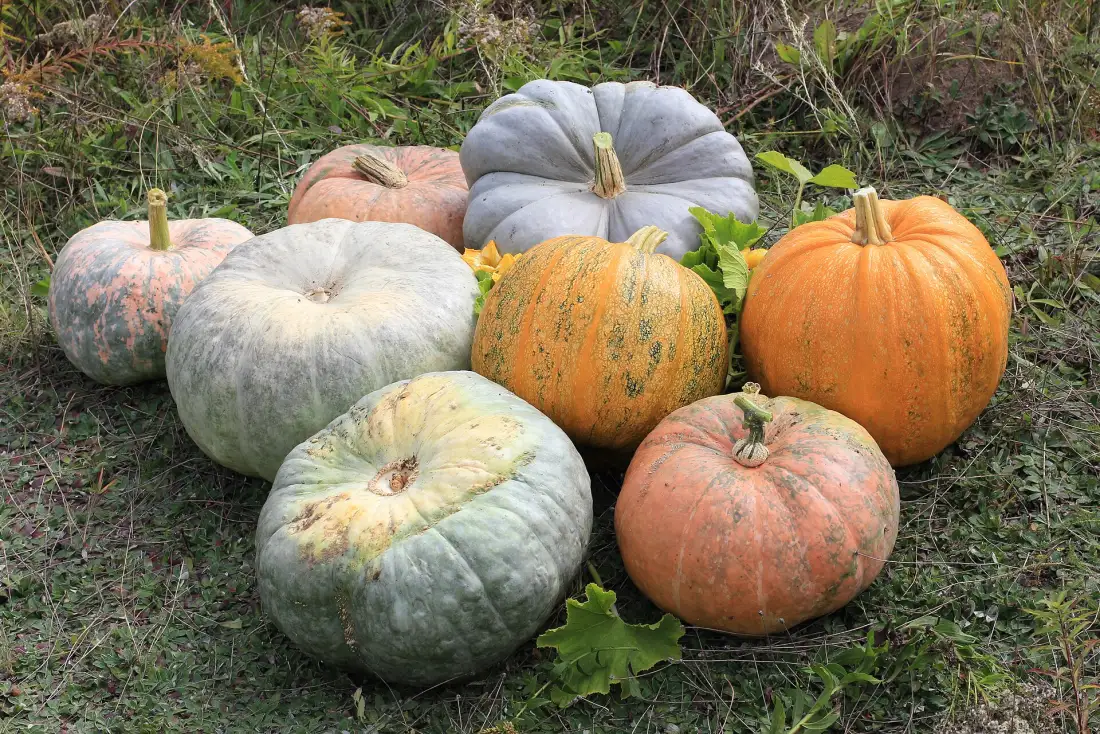
 Photo: George Chernilevsky, Public domain, via Wikimedia Commons
Pumpkin is a very low-calorie vegetable (about 26 kcal per 100 g raw) and one of the richest sources of beta-carotene, the pigment the body converts into vitamin A, which is needed for vision, skin and immunity. A 200 g serving of roasted pumpkin covers the full daily vitamin A requirement for most adults. It also provides potassium, vitamin C and fiber, and its natural sweetness makes it a good stand-in for higher-calorie desserts.
Pumpkin roasted in a wood-fired oven, with a caramel smell filling the whole house, is one of the autumn memories of many Romanians. Grandmothers gave it to children “for the eyes” and “for the tummy”, and turned it into pies (bostănele) and preserves. Some of those beliefs are confirmed by nutrition science; others are exaggerated. Let us go through them one by one.
Key takeaways
- 100 g of raw pumpkin: about 26 kcal, 6.5 g carbohydrates and more than 3 mg of beta-carotene.
- Beta-carotene and lutein support vision and skin health; fat in the meal improves their absorption.
- Roasted pumpkin has a high glycemic index but a low glycemic load in normal portions.
- The sweetest, most deeply colored varieties (butternut, pie pumpkins, Hokkaido) contain the most beta-carotene.
- A pumpkin or zucchini with a strongly bitter taste must be thrown away: it may contain toxic cucurbitacins.
What pumpkin is
The word “pumpkin” covers several species of the genus Cucurbita, native to the Americas:
- Cucurbita maxima: the large, flattened pumpkin with orange or grey-green skin, the classic “pie pumpkin” of Romanian gardens, and the Japanese Hokkaido (Red Kuri);
- Cucurbita moschata: butternut squash, pear-shaped, with intensely orange and very sweet flesh;
- Cucurbita pepo: the Halloween pumpkin, zucchini and the oilseed pumpkin.
For cooking, butternut, Hokkaido and pie pumpkins with dense, sweet flesh are best. Decorative Halloween pumpkins are watery and bland. We cover the seeds separately in our article on pumpkin seeds.
Nutrition facts
Approximate values per 100 g of raw flesh (USDA FoodData Central):
| Nutrient | Common pumpkin | Butternut |
|---|---|---|
| Energy | ~26 kcal | ~45 kcal |
| Carbohydrates | ~6.5 g | ~11.7 g |
| Fiber | ~0.5-1 g | ~2 g |
| Beta-carotene | ~3,100 µg | ~4,200 µg |
| Vitamin A (RAE) | ~425 µg | ~530 µg |
| Vitamin C | ~9 mg | ~21 mg |
| Potassium | ~340 mg | ~350 mg |
| Lutein + zeaxanthin | ~1,500 µg | present |
For comparison, the daily vitamin A requirement is about 650 to 750 µg for adults. Roasting evaporates water and concentrates nutrients, so 200 g of roasted pumpkin delivers more than 200 g raw.
Benefits: what the research shows
Vision and eyes
Beta-carotene is the precursor of vitamin A, without which the retina cannot work in dim light. Lutein and zeaxanthin from pumpkin accumulate in the macula and filter blue light. Large observational studies link diets rich in these carotenoids with a lower risk of age-related macular degeneration. That does not mean pumpkin “cures” vision problems, but it is a useful part of a protective diet. See also our articles on vitamin A deficiency and macular degeneration.
Skin and immunity
Vitamin A maintains the integrity of skin and mucous membranes (nose, gut, lungs), the first barrier against microbes. Vitamin C also contributes to immune function. Enough vitamin A from food matters especially for children and older adults.
Blood pressure and heart
Pumpkin provides potassium and very little sodium, a favorable ratio for blood pressure. Swapping salty or fried side dishes for roasted pumpkin is a small but concrete step. More in our guide to high blood pressure.
Digestion and fullness
Pumpkin flesh is soft, easy to digest and gentle on the stomach, which is why it suits convalescence and children. Its fiber is moderate, so the effect on regularity is modest, but the large volume and low calories help with fullness.
What is tradition only
Folk medicine recommended pumpkin for “cleansing the kidneys” or against intestinal worms. The antiparasitic effect that has been studied belongs to the seeds (cucurbitin), not the flesh, and even there the evidence is not strong enough to replace medical treatment.
Pumpkin and blood sugar
Roasted pumpkin has a high glycemic index (around 65 to 75), meaning its sugars are absorbed relatively quickly. However, it contains few carbohydrates per serving, so the glycemic load of a 150 g portion is low. For people with type 2 diabetes:
- a 100 to 150 g serving of plain roasted pumpkin is usually acceptable;
- pair it with protein (cheese, yogurt, nuts, meat) and healthy fats;
- avoid pumpkin roasted with sugar, honey or syrup, and puff-pastry pies.
How much to eat
| Situation | Typical serving |
|---|---|
| Adult, side dish or snack | 150-250 g roasted, 2-4 times a week in season |
| Diabetes | 100-150 g plain roasted, with protein |
| Children (after weaning) | 2-4 tablespoons of puree or 50-100 g roasted |
| Cream soup | a 300 ml bowl (about 150 g pumpkin) |
Simple recipes
Oven-roasted pumpkin (basic method)
- Wash the pumpkin and cut it into 2 to 3 cm slices (butternut and Hokkaido skin is edible; on large pie pumpkins, leave it on only for roasting).
- Scoop out the seeds and stringy fibers with a spoon.
- Lay the slices on a lined tray and brush lightly with a tablespoon of oil.
- Roast at 190 to 200 °C for 35 to 50 minutes, until soft and caramelized at the edges.
- Serve plain or with cinnamon, without added sugar. A pinch of salt and thyme turns it into a side dish.
The oil is not just for flavor: beta-carotene is fat-soluble and much better absorbed with some fat.
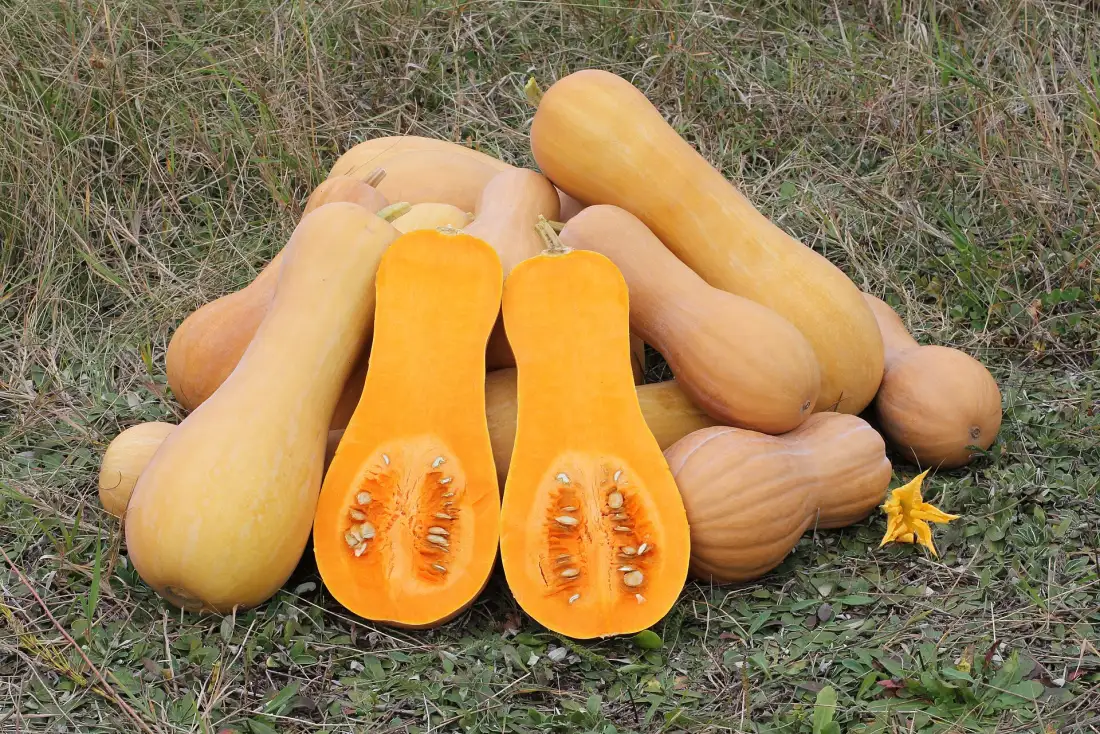 Photo: George Chernilevsky, Public domain, via Wikimedia Commons
Cream of pumpkin soup (4 servings)
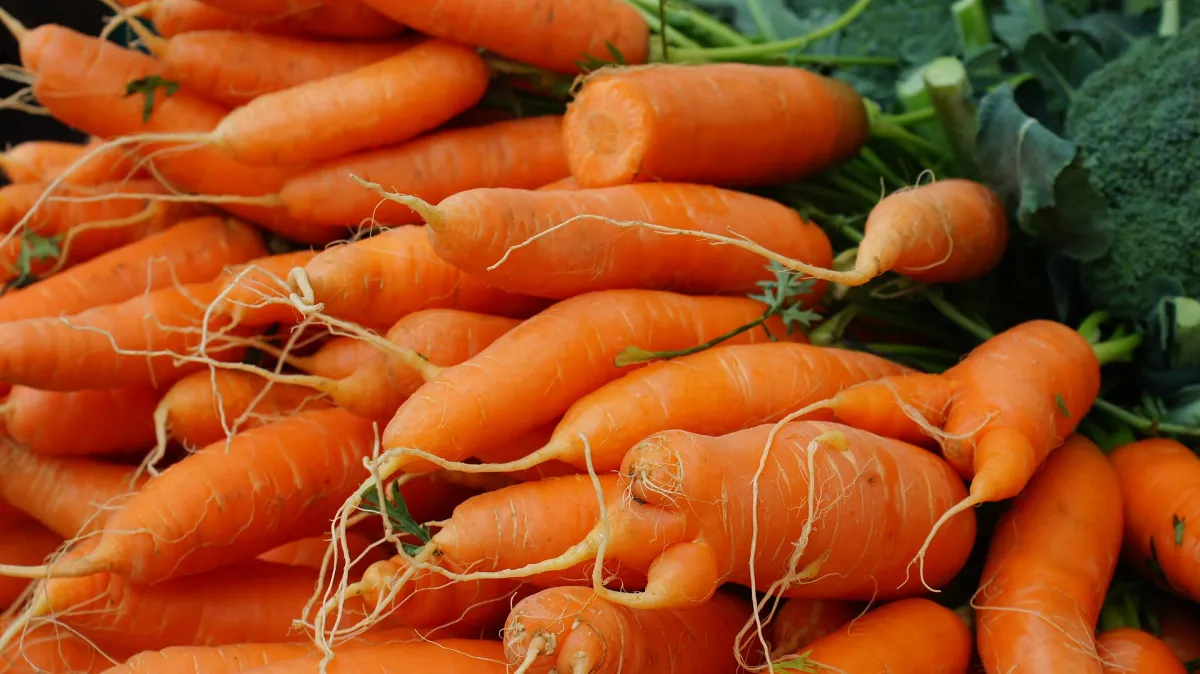
Sauté an onion and a carrot in 2 tablespoons of olive oil for 5 minutes. Add 700 g of cubed pumpkin, a small potato, a 2 cm piece of ginger and 1 liter of water or vegetable stock. Simmer for 20 to 25 minutes, then blend. Season with salt and pepper and serve with a spoonful of yogurt and a few toasted pumpkin seeds. Add extra carrots for an even richer beta-carotene soup.
Pumpkin puree for children
Roast or steam butternut squash for 20 minutes and blend until smooth. It can be mixed with mashed potato or rice. Do not add sugar or salt for young children.
Contraindications and precautions
- Bitter pumpkin: throw it out. Cucurbita plants can occasionally produce cucurbitacins, very bitter and toxic compounds, especially in plants grown from saved seed cross-pollinated with ornamental gourds or under stress (drought). Eating them can cause vomiting, severe diarrhea and, in serious cases, dangerous complications. If a piece tastes unusually bitter, do not swallow it and do not use the rest.
- Diabetes: watch the portion and what you add (sugar, pastry).
- Kidney disease with potassium restriction: agree on portions with your doctor.
- Allergy: rare, with possible cross-reactivity in people allergic to other cucurbits (melon, cucumber).
- Carotenemia: very large daily amounts of pumpkin and carrots can turn the skin yellow-orange (especially the palms). It is harmless and fades when you eat less, but should not be confused with jaundice, in which the whites of the eyes also turn yellow.
When to see a doctor
- vomiting, severe diarrhea or cramps after eating a bitter pumpkin or zucchini;
- yellowing of the whites of the eyes or dark urine (not caused by pumpkin; it may be a liver problem);
- allergic reactions: itching in the mouth, lip swelling, hives or difficulty breathing.
Common mistakes
Cooking with Halloween pumpkins. They are watery, bland and less nutritious. Choose cooking varieties.
Roasting with no fat at all. Beta-carotene is absorbed poorly. A teaspoon of oil per serving is enough.
Adding sugar out of habit. Well-roasted pumpkin is already sweet; sugar turns a vegetable into a dessert.
Ignoring a bitter taste. It is the only warning sign of cucurbitacins. Do not cook it longer or sweeten it; throw it away.
Storing it badly. A whole pumpkin with intact skin keeps for months in a cool, dry place (10 to 15 °C). Once cut, keep it covered in the fridge for 4 to 5 days.
Conclusion
Pumpkin is one of the most valuable autumn and winter vegetables: very few calories, plenty of beta-carotene, lutein, potassium and vitamin C. Roasted with a little oil or turned into a cream soup, it supports vision, skin and immunity and keeps you full without many calories. People with diabetes can eat it in moderate portions alongside protein. And one simple safety rule: if it tastes bitter, do not eat it.
Frequently asked questions
How many calories are in roasted pumpkin? Around 30 to 50 kcal per 100 g, depending on the variety and how much water it lost during roasting. Added oil or sugar raise this significantly.
Is roasted pumpkin good for diabetics? Yes, in 100 to 150 g portions without added sugar, alongside protein or healthy fats. Checking your blood sugar after the meal shows your personal tolerance.
Can pumpkin be eaten raw? Yes, butternut and Hokkaido can be grated raw into salads in small amounts. Cooked pumpkin is easier to digest, though, and its beta-carotene is better absorbed.
Is pumpkin skin edible? On Hokkaido and butternut, roasted skin becomes soft and edible. On large pie pumpkins, the skin is tough and best discarded.
Does pumpkin help with constipation? A little. It has moderate fiber and lots of water. For a clearer effect, combine it with other fiber sources such as oats or legumes.
Is pumpkin fattening? No, quite the opposite: it is low in calories and filling. The dishes with sugar, pastry or cream we sometimes put it in are what add weight.
Can I give pumpkin to my baby? Pumpkin puree is one of the first foods commonly used when starting solids, following the pediatrician’s advice, with no salt or sugar.
Sources
- USDA FoodData Central: nutrient profiles for “Pumpkin, raw” and “Squash, winter, butternut, raw”.
- NIH Office of Dietary Supplements: vitamin A and carotenoids fact sheet.
- AREDS/AREDS2 studies (National Eye Institute) on lutein, zeaxanthin and macular degeneration.
- Toxicology reports on cucurbitacin poisoning from bitter pumpkins and zucchini (“toxic squash syndrome”).
- International Tables of Glycemic Index and Glycemic Load Values (Atkinson, Foster-Powell, Brand-Miller).
This content is for information only and does not replace advice from a doctor or dietitian, especially with diabetes or kidney disease.