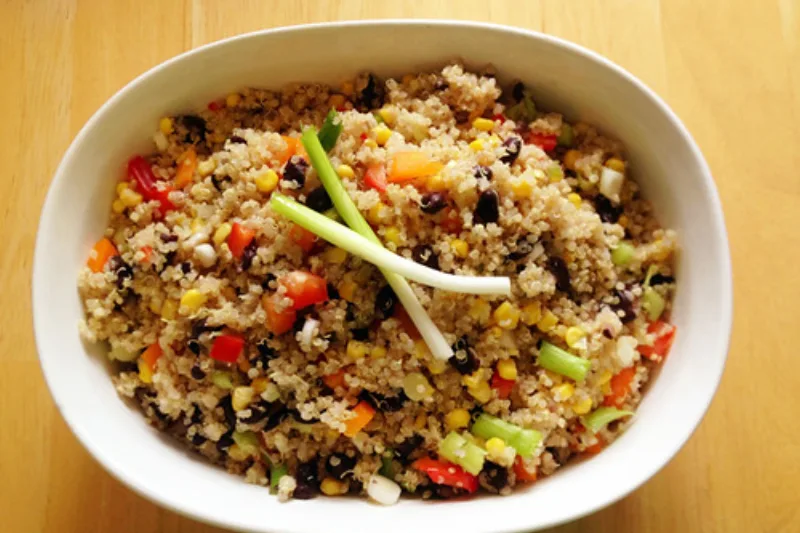

Quinoa: Benefits, Nutritional Value and How to Eat It Properly
IMPORTANT: Although quinoa is a safe food that is very well tolerated by most people, it is wise to introduce it gradually into your diet, especially if you have a sensitive gut or are not used to high-fiber foods. People with kidney disease or those following a strict low-oxalate diet (for instance, those prone to kidney stones) should talk to their doctor, since quinoa contains a moderate amount of oxalates. Rinsing the grains before cooking is essential to remove saponin, a natural bitter compound that can irritate the stomach in sensitive individuals. Quinoa does not replace medical treatment for any condition; it is a food, not a medicine. If you have a chronic illness or are pregnant, keep balance and variety on your plate and seek advice from a nutrition specialist.
A Mountain Story About a Sack of “Inca Grain”
Aunt Veronica, a woman past seventy from a village at the foot of the Carpathians, discovered quinoa late in life, after her granddaughter came back from America with a small sack full of tiny, yellowish grains that nobody in the house had ever seen before. “What’s this, dwarf cornmeal?” she asked, rolling the grains in her palm. Her granddaughter told her it was quinoa, the staple food of the Incas centuries ago, and that you cook it almost like rice, only it is far more nourishing. Aunt Veronica, skeptical as all experienced housewives are, boiled a handful of grains in a small pot, mixed them with sautéed onion, carrot and a drizzle of oil, and tasted. She was silent for a moment, then said: “It tastes like hazelnut and it sits well in the belly. It doesn’t weigh me down like bread.”
From then on, a jar of quinoa appeared on the country kitchen shelf, next to the rice and the buckwheat. Aunt Veronica cooked it in soups in winter, in cool salads with garden tomatoes and cucumbers in summer, and fed it eagerly to her grandchildren, saying that “these tiny grains keep hunger away without making your steps heavy.” Her story is not one of a miracle cure, but of plain food sense: she recognized in a food thousands of years old exactly what any thrifty cook is after — something filling, easy to digest and full of life.
What Quinoa Is and Where It Comes From
Quinoa (pronounced “KEEN-wah”) is the seed of a plant called Chenopodium quinoa, a relative of spinach, beets and goosefoot. Unlike wheat, rice or corn, which are true cereals (grasses), quinoa is a pseudocereal — meaning it does not come from a grass, but from a broad-leaved plant. That is precisely why it is naturally gluten-free and behaves differently in the body than classic grains.
The plant has been cultivated for thousands of years in the Andes of South America, especially in Peru, Bolivia and Ecuador, at high altitudes where few other crops survive. Pre-Columbian civilizations, particularly the Incas, considered it a sacred food and called it “the mother of all seeds” (chisaya mama). It endured for centuries as the staple food of Andean peoples, and in recent decades it has conquered kitchens all over the world thanks to its remarkable nutritional profile. The year 2013 was declared the “International Year of Quinoa” by the United Nations, a sign of recognition of its value for food security.
There are several varieties: white quinoa (the most common and mildest in flavor), red quinoa (with a firmer texture, good in salads) and black quinoa (with a more earthy, slightly sweeter taste). All have similar nutritional values, the differences being mostly in appearance and texture.
Table of Contents
- What quinoa is and where it comes from
- The nutritional value of quinoa
- The health benefits of quinoa
- Traditional and modern uses
- How to cook quinoa properly (step-by-step recipes)
- How much to eat and how to fit it into your menu
- How to choose and store quinoa
- Practical tips and common mistakes
- Conclusion
- Frequently asked questions
The Nutritional Value of Quinoa
Quinoa is valued first and foremost for its nutritional density: it offers far more than mere calories. In roughly 100 grams of cooked quinoa we find, broadly speaking, around 120 kilocalories, which makes it a moderately caloric food, filling without being heavy.
The most important feature of quinoa is its content of complete protein. Unlike most plants, quinoa contains all nine essential amino acids that the body cannot make on its own and must obtain from food, including lysine, an amino acid that is deficient in many grains. For this reason, quinoa is especially valuable for those who reduce their meat intake or follow a vegetarian or vegan diet.
Besides protein, quinoa brings generous dietary fiber, which aids digestion and provides a feeling of fullness, complex carbohydrates with slow release, as well as healthy fats, especially unsaturated fatty acids. When it comes to minerals, quinoa is a good source of magnesium, iron, phosphorus, manganese, zinc and potassium. It also contains B-complex vitamins (especially B1, B2 and B6), folates and a modest amount of vitamin E, a natural antioxidant.
Another advantage is its relatively low glycemic index compared to white bread or white rice, which means it releases glucose into the blood more gradually, without sharp sugar spikes. Quinoa also contains plant compounds such as quercetin and kaempferol, flavonoids with antioxidant properties recognized in specialist studies.
The Health Benefits of Quinoa
A Source of Complete Protein for Muscles and Energy
Because it offers all the essential amino acids, quinoa supports the maintenance of muscle mass, recovery after exertion and the proper functioning of the entire body. It is a genuine support for athletes, for active people and especially for those who do not eat meat every day. Studies suggest that quality plant proteins, consumed as part of a balanced diet, contribute to good long-term health.
A Friend of Digestion
The fiber in quinoa feeds the good bacteria in the gut and helps maintain regular transit. Folk tradition long ago observed that high-fiber foods “cleanse” and “lighten,” and quinoa is no exception. Unlike some grains, it is usually well tolerated and does not cause excessive bloating, as long as it is rinsed and cooked properly.
An Ally in Weight Management
The combination of protein and fiber makes quinoa a very filling food. A serving keeps hunger away for longer, which can reduce the urge for unhealthy snacks between meals. Its moderate glycemic index also helps maintain a steady feeling of fullness, without the sudden energy crashes that follow sugar-rich meals.
Support for Those Avoiding Gluten
Being naturally gluten-free, quinoa is an excellent choice for people with celiac disease or gluten sensitivity. It gives them a substantial source of carbohydrates and protein, without the risk of reactions that wheat, barley or rye can trigger. It is important, however, to choose certified gluten-free quinoa if you have diagnosed celiac disease, to avoid cross-contamination during processing.
Rich in Important Minerals
The magnesium in quinoa is involved in hundreds of processes in the body, from muscle relaxation to the health of bones and heart. Iron supports the transport of oxygen in the blood, and its content makes quinoa a useful option for people prone to fatigue or with low iron stores. Manganese and zinc contribute to antioxidant defense and to the proper functioning of metabolism.
Support for the Heart
Through its combination of fiber, healthy fats, potassium and magnesium, quinoa is generally considered friendly to the cardiovascular system. Studies suggest that diets rich in whole grains and pseudocereals, rather than refined flours, are associated with better heart health. Quinoa fits neatly into this dietary pattern.
Antioxidants That Protect Cells
Flavonoids such as quercetin and kaempferol, alongside vitamin E, help the body cope with oxidative stress, the process by which cells “wear out” over time. A diet rich in natural antioxidants is, according to both tradition and modern research, a pillar of healthy aging.
Traditional and Modern Uses
In the Andes, quinoa was not merely boiled as a side dish. Andean peoples ground the grains and made a kind of flour from them for flatbreads and porridge, boiled the young leaves of the plant like spinach, and even used the water from boiling the grains (rich in saponin) as a natural detergent or as a folk remedy for irritated skin. Lightly roasted grains were an energizing snack for those working at high altitudes.
In the modern kitchen, quinoa has found its place in cold salads, soups, vegetable patties, breakfast porridge, stuffings for peppers and tomatoes, and even in cakes or energy bars. Quinoa flour is used in gluten-free baking, and quinoa flakes are a quick option for breakfast. Its versatility is one of the great reasons it has become so popular.
How to Cook Quinoa Properly (Step-by-Step Recipes)
The secret to successful quinoa lies in two steps: rinsing and respecting the water ratio. Many people complain that their quinoa turns out bitter or gummy, and most of the time the cause is one of these two mistakes.
The Basic Recipe — Fluffy Boiled Quinoa
Ingredients:
- 1 cup quinoa
- 2 cups water (or vegetable broth for more flavor)
- a pinch of salt
Method:
- Place the quinoa in a fine-mesh sieve and rinse it under cold running water for at least one minute, gently rubbing the grains with your hand. This step removes the bitter saponin from the surface.
- Put the drained quinoa in a pot with the water and salt, and bring to a boil over medium heat.
- When it boils, reduce the heat to low, cover the pot with a lid, and let it simmer gently for about 15 minutes, until the grains have absorbed all the water.
- Turn off the heat and leave the pot covered for another 5 minutes, without lifting the lid. This “rest” lets the steam finish cooking the grains.
- Fluff the quinoa with a fork. You will notice that each grain has released a tiny white “ring” around it — the sign that it is ready. The texture should be fluffy, not pasty.
Quinoa and Vegetable Salad
A refreshing recipe, perfect for summer:
- Cook one cup of quinoa using the basic recipe and let it cool.
- Dice tomatoes, cucumbers, bell pepper and red onion.
- Mix everything with the quinoa, add chopped parsley or mint.
- Season with olive oil, lemon juice, salt and pepper.
- Let the salad rest in the fridge for 15 minutes before serving, so the flavors blend.
Quinoa Breakfast Porridge
- Cook half a cup of quinoa in milk (dairy or plant-based) instead of water.
- Add cinnamon and a touch of honey or a few chopped dates.
- Serve warm, with fresh fruit, nuts or seeds on top.
Quinoa Vegetable Patties
- Mix one cup of cooked quinoa with grated carrot, sautéed onion, an egg (or oat flakes for the vegan version) and spices to taste.
- Form patties and bake them in the oven or fry them lightly in a little oil.
- Serve them with a yogurt and garlic sauce.
How Much to Eat and How to Fit It into Your Menu
A usual serving of cooked quinoa is about one cup (around 150–185 grams), which corresponds to roughly one third of a cup of dry grains. For most people, two to four servings per week are a reasonable and beneficial amount, without excluding other valuable carbohydrate sources such as potatoes, buckwheat, lentils or brown rice.
Quinoa can replace rice as a side dish, enrich soups and stews, form the base of a filling vegetarian lunch, or be the surprise ingredient in an energizing breakfast. The key is, as always, variety: no healthy diet rests on a single food, no matter how good that food may be.
How to Choose and Store Quinoa
When buying, look for dry, whole grains with no signs of moisture or stale smell. Quality quinoa has uniform grains and a faint scent of fresh hay. If you buy it in bulk, make sure it comes from a shop with good turnover.
At home, store quinoa in an airtight jar, in a cool, dry place away from light. This way it keeps well for months. Cooked quinoa keeps in the fridge, in a covered container, for up to four or five days, and can even be frozen in portions, ready to reheat. Quinoa flour and flakes, being richer in exposed fats, are better kept in the fridge to prevent them from going rancid.
Practical Tips and Common Mistakes
Mistake no. 1: Not rinsing the grains before cooking. The saponin on the surface of quinoa has a bitter, soapy taste and can irritate sensitive stomachs. Rinsing under cold running water in a fine-mesh sieve solves the problem completely. Some products are already rinsed during processing, but an extra rinse never hurts.
Mistake no. 2: Using too much water. The correct ratio is two parts liquid to one part quinoa. More water leads to a gummy texture — mush instead of fluffy grains.
Mistake no. 3: Lifting the lid too soon. Quinoa needs the trapped steam to cook evenly. If you keep opening the pot, you lose the heat and the grains stay hard or cook unevenly.
Mistake no. 4: Overcooking it. Left well beyond 15–18 minutes, quinoa breaks down and becomes mushy. Watch for the clear sign: the grains have released their white ring and absorbed the water.
Mistake no. 5: Introducing it suddenly and in large amounts. If you are not used to high-fiber foods, too large a serving all at once can cause bloating. Start with small amounts and increase gradually.
Mistake no. 6: Treating it as a cure-all. Quinoa is an excellent food, but not a universal remedy. The real benefits appear within a varied and balanced diet, not through eating a single product exclusively.
Conclusion
Quinoa is one of those ancient foods that have proven, over the centuries, wiser than many of the novelties on the shelves. It brings complete protein, fiber, minerals and slow-release energy, it is easy to digest and it contains no gluten. Aunt Veronica was right: it “keeps hunger away without making your steps heavy.” Cooked properly — rinsed, boiled in the right ratio and left to rest — quinoa becomes a fluffy, tasty side dish, the base of cool salads or a warm, nourishing breakfast. Integrated in moderation into a varied diet, alongside vegetables, legumes and other whole grains, it is a reliable ally for a healthy plate and a life full of energy.
Frequently Asked Questions
Does quinoa make you gain weight? No, not if eaten in moderation. Quinoa has a moderate calorie content but is very filling thanks to its protein and fiber. It can even be a support in weight management, because it reduces the urge for snacks between meals. As with any food, portion matters: one cup of cooked quinoa is a reasonable serving.
Do I really have to rinse quinoa before cooking? Yes, it is recommended. The grains have saponin on their surface, a natural compound with a bitter taste that can upset the stomach. Even if the package says it is pre-rinsed, a quick rinse under cold water improves the taste and takes less than a minute.
Is quinoa suitable for children? Generally yes, as it is nourishing and easy to digest. It can be introduced gradually into the diet of children older than one year, well cooked and mashed or mixed into soups and porridge. For babies, it is best to ask your pediatrician for advice before introducing it.
Can I eat quinoa if I have celiac disease? Yes, quinoa is naturally gluten-free. If you have diagnosed celiac disease, however, choose certified gluten-free quinoa to avoid cross-contamination during processing or packaging.
What is the difference between white, red and black quinoa? The differences are mainly in appearance, texture and taste. White is the mildest and fluffiest, suitable as a side dish. Red has a firm texture and holds up well in salads. Black has a more intense, slightly sweet taste. Nutritionally, they are very similar.
How long does cooked quinoa keep? Cooked quinoa keeps in the fridge, in a covered container, for four to five days. It can also be frozen in individual portions, making it ideal for quick meals throughout the week.
Can quinoa be eaten every day? Yes, but in a balanced diet variety is preferable. Alternate quinoa with other sources of carbohydrates and plant protein, such as buckwheat, lentils, chickpeas or brown rice, to benefit from a wide range of nutrients.
Can quinoa be eaten raw? It is not recommended. Quinoa should be cooked to be easy to digest and to remove the saponin. Raw grains are hard to digest and can have an unpleasant bitter taste. The exception is quinoa flakes specially processed for quick consumption.