
Raw Cacao: Benefits, Antioxidants, Magnesium and How to Consume It Properly
IMPORTANT: Raw cacao contains significant amounts of caffeine and theobromine, two stimulant substances that can cause palpitations, restlessness, headaches or insomnia in sensitive people. Consumed in the evening, it may disturb sleep. People with heart conditions, uncontrolled high blood pressure, severe anxiety, stimulant-triggered migraines or irritable bowel syndrome should be cautious. During pregnancy and breastfeeding, moderation is advised, since caffeine and theobromine cross into breast milk and to the baby. Cacao is toxic to dogs and cats, so never leave beans or powder within their reach. If you take heart medication, MAOI-type antidepressants, or are being treated for a chronic condition, talk to your doctor before adding large amounts of raw cacao to your diet. This article is for informational purposes and does not replace the advice of a doctor or nutritionist.
Grandma Veta, a frail woman with an energy that no one in the village could quite explain, kept a small tin box hidden in the wooden kitchen cupboard. Inside were some strange, dark beans she called her “beans of power.” They were not sweet at all; quite the opposite. When I asked for one, thinking it was candy, I wrinkled my nose at the bitter, slightly astringent taste. Grandma laughed and told me: “You don’t eat them like that, child. You grate them finely, put a knife’s tip into warm milk with honey, and then they give you wings.” Only much later did I understand that what she called her “beans of power” were, in fact, unroasted cacao beans, brought who knows how into a mountain village and prized as a remedy against fatigue and the gloom of winter.
Today we know that our grandparents’ intuition had a real foundation. Raw cacao, meaning cacao beans that have not been roasted at high temperatures, has in recent years once again become one of the stars of healthy eating, under the label of “superfood.” Unlike ordinary cacao powder and store-bought chocolate, which undergo intense heat processing and are often heavily sweetened, raw cacao preserves a good part of the bean’s natural bioactive compounds: antioxidants, minerals, and substances that influence mood. In the lines that follow, we will explore in detail what raw cacao is, why it is so valued, how it is used in the kitchen, and, just as importantly, how to consume it sensibly, without excess.
Table of Contents
- What raw cacao is and where it comes from
- The difference between raw cacao, roasted cacao and chocolate
- Composition and active principles
- Health benefits
- Forms it comes in: powder, nibs, butter, paste
- How to consume raw cacao: step-by-step recipes
- How much to consume and when
- How to choose and store it
- Raw cacao in a healthy lifestyle
- Practical tips and common mistakes
- Conclusion
- Frequently Asked Questions
What raw cacao is and where it comes from
Raw cacao comes from the beans of the Theobroma cacao tree, a tropical tree native to the equatorial forests of Central and South America. The genus name, Theobroma, means “food of the gods” in ancient Greek, a name given precisely because of the place of honor this plant held in pre-Columbian cultures. The Maya and the Aztecs used cacao beans not only as a ritual food, but also as a form of currency, and the bitter drink they made from them, seasoned with spices, was reserved for nobles and warriors.
The beans grow inside large, elongated fruits called pods, which hang directly from the thick trunk and branches of the tree. Each pod contains dozens of seeds wrapped in a sweet-tart white pulp. After harvesting, the beans are removed from the pods together with the pulp and left to ferment for several days, then dried in the sun. These two stages, fermentation and drying, are essential for developing flavor.
The key difference appears in the next stage. Conventional cacao is roasted at temperatures that often exceed 120-150 °C, a process that intensifies the chocolate flavor but destroys part of the heat-sensitive enzymes and antioxidants. Raw cacao, on the other hand, is processed at low temperatures, usually below 45-48 °C, precisely to preserve as much of the bean’s original nutritional profile as possible. This is the meaning of the word “raw” in this context: it does not mean the beans are completely unprocessed, but rather that the processing was done at low heat.
The difference between raw cacao, roasted cacao and chocolate
Many people confuse these terms, so it is worth clarifying them. Raw cacao is the powder or small pieces obtained from fermented and dried beans, processed at low temperature. Roasted cacao (the one used for classic baking powder and most industrial products) goes through roasting at high temperatures. Alkalized or “Dutch-process” cacao powder is additionally treated with alkaline substances to reduce its acidity and give it a darker color, but this process significantly lowers the antioxidant content.
Chocolate, on the other hand, is a compound product: besides cocoa mass, it usually contains sugar, added cocoa butter, sometimes milk powder, and various emulsifiers. The higher the cacao percentage in a chocolate (70%, 85%, 90%), the closer it comes to the benefits of pure cacao, but it still contains sugar and has been exposed to heat. Raw cacao remains, nutritionally, the most concentrated and least “diluted” form of the bean.
Composition and active principles
What makes raw cacao so interesting for health is its density of bioactive compounds. Here are the main categories:
Flavonoids and polyphenols. Cacao is one of the richest dietary sources of flavonoids, especially flavanols such as epicatechin and catechin. These are powerful antioxidants which, according to studies, help neutralize free radicals and support the health of blood vessels. Low-heat processing preserves a larger amount of these compounds than classic roasting.
Theobromine and caffeine. These are stimulant alkaloids. Theobromine, characteristic of the cacao bean, has a mild stimulating and vasodilating effect, gentler and more prolonged than caffeine. Caffeine is present in smaller amounts than in coffee, but enough to explain the feeling of energy and alertness.
Magnesium. Raw cacao is one of the most concentrated plant sources of magnesium, a mineral involved in over 300 enzymatic reactions in the body, from muscle and nerve function to energy production and bone health. This is probably where the craving for chocolate that many people feel during periods of stress or fatigue comes from.
Iron, zinc, copper, manganese. Cacao beans provide important minerals, including plant-based iron, which supports the transport of oxygen in the blood.
Phenylethylamine (PEA) and anandamide. These molecules influence mood. PEA is sometimes called the “love molecule,” and anandamide was named after the Sanskrit word for “bliss.” They partly explain the pleasant, slightly euphoric sensation that consuming quality cacao gives.
Fiber and healthy fats. Cocoa butter contains fatty acids, including oleic acid (the same type of monounsaturated fat found in olive oil), and whole beans also provide dietary fiber.
Health benefits
A rich source of antioxidants
Due to its high concentration of flavanols and polyphenols, raw cacao is valued as a food with notable antioxidant power. Antioxidants help the body cope with oxidative stress, a process involved in cellular aging and many chronic conditions. Studies suggest that a regular, moderate intake of cacao flavanols may support the body’s overall health, but the effect depends greatly on the amount and the way it is processed, with raw, unsweetened cacao being the most advantageous form.
An important source of magnesium
The magnesium in raw cacao is a strong argument in favor of this food. Many people have an insufficient magnesium intake from their diet, and a deficiency can manifest through fatigue, muscle cramps, irritability and restless sleep. Moderate consumption of raw cacao can help cover the daily requirement, being a natural and pleasant alternative. Folk tradition has long linked dark chocolate with a state of calm and relaxation, and magnesium offers a plausible explanation.
Supporting cardiovascular health
The flavanols in cacao are intensely studied for their role in the health of the heart and blood vessels. Research suggests that these compounds may support vessel elasticity and good circulation by influencing the production of nitric oxide, a molecule that helps blood vessels relax. It is important to stress that these benefits refer to pure, unsweetened cacao, not to chocolate with added sugar and fats, which can have the opposite effect on metabolism.
Energy and mental clarity
The combination of theobromine, caffeine and magnesium offers a gentler and more stable energy boost than coffee. Many consumers describe a feeling of calm alertness, of focus without agitation. This is why raw cacao is often included in morning drinks or in snacks before physical or intellectual effort.
Influence on mood
The presence of phenylethylamine, anandamide and magnesium explains why cacao has the reputation of a “feel-good food.” Folk tradition, as well as everyday experience, links the consumption of dark chocolate with a sense of comfort and pleasure. Without making exaggerated promises, we can say that a cup of warm raw cacao drink on a cold day is, for many, a small, comforting ritual.
Fiber intake and satiety
Whole beans or cacao nibs contain fiber, which contributes to healthy digestion and a feeling of satiety. Unlike chocolate-based pastries, pure raw cacao does not cause sudden spikes in blood sugar, making it a more balanced option for those watching their blood sugar, provided it is not combined with large amounts of sweeteners.
Forms it comes in: powder, nibs, butter, paste
Raw cacao powder is the most versatile form. It is obtained by grinding the beans and partially extracting the cocoa butter, resulting in a fine, intensely flavored, slightly bitter powder. It is used in drinks, desserts and smoothies.
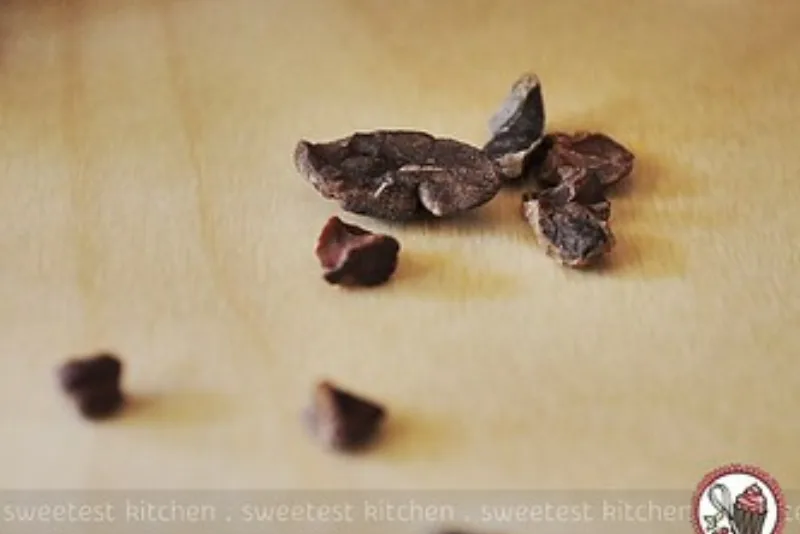
Cacao nibs (crushed beans) are pieces of fermented and dried bean, broken into fragments. They are crunchy, bitter and slightly tart. They represent the least processed form and are used as a crunchy topping, in granola, in desserts, or simply as a snack.
Raw cocoa butter is the pure fat extracted from the beans, yellowish in color, with a delicate aroma. It is used both in the kitchen (homemade chocolate) and in natural cosmetics, for creams and balms.
Cacao paste or mass is the whole ground bean, without separating the fat, in solid pieces. It is the base for homemade chocolate.
How to consume raw cacao: step-by-step recipes
Warm energizing drink (healthy hot chocolate)
This is the modern version of grandma’s “beans of power.”
- Heat 250 ml of milk (cow’s milk or plant-based: almond, oat, coconut) without bringing it to a boil.
- Add 1-2 teaspoons of raw cacao powder.
- Sweeten to taste with a teaspoon of honey or maple syrup.
- For flavor, add a pinch of cinnamon, vanilla or a drop of orange extract.
- Stir well, ideally with a small whisk or in a blender, for a velvety, frothy texture.
Tip: do not boil raw cacao at high temperatures for a long time, in order to preserve as many heat-sensitive compounds as possible.
Energizing cacao and banana smoothie
- Put a ripe banana, 250 ml plant-based milk, 1 tablespoon raw cacao powder and a tablespoon of peanut butter into the blender.
- Add a few ice cubes and, optionally, a date for sweetness.
- Blend until you get a creamy consistency.
This smoothie is excellent in the morning or as a post-workout snack.
Raw cacao and date energy balls
- Soak 200 g of pitted dates in warm water for 10 minutes.
- Drain them and blend them together with 100 g of walnuts (or almonds) and 3 tablespoons of raw cacao powder until you get a sticky paste.
- Form small balls with damp hands.
- Roll them in cacao powder or shredded coconut.
- Chill them for an hour before serving.
Crunchy topping with nibs
Sprinkle a tablespoon of cacao nibs over yogurt, oatmeal, fruit salad or chia pudding. It adds a crunchy, intensely flavored note, with no added sugar.
Homemade chocolate
- Melt 50 g of raw cocoa butter in a bain-marie (over steam, low heat).
- Stir in 50 g of raw cacao powder and 2-3 tablespoons of maple syrup or honey.
- Add, if you wish, a pinch of salt, vanilla or orange zest.
- Pour the mixture into silicone molds and refrigerate until they harden.
How much to consume and when
Moderation is the key word. A reasonable amount for a healthy adult is approximately 1-2 teaspoons of raw cacao powder per day (5-10 g), or the equivalent in nibs. This amount provides the benefits without bringing an excess of stimulants.
As for timing, the morning or the first part of the day is ideal, especially for the energizing effect. Due to its caffeine and theobromine content, it is wise to avoid raw cacao late in the evening, if you are sensitive and want a peaceful sleep. Before physical or intellectual activity, a small portion can offer a pleasant boost of energy.
How to choose and store it
When you buy raw cacao, look for products that clearly mention “raw,” processed at low temperature, preferably from organic and ethical sources (fair trade is relevant for this crop). Quality powder has an intense brown color and a rich, complex smell.
Store it in an airtight container, away from light, heat and moisture. Cacao easily absorbs odors, so do not keep it next to strong spices. Cocoa butter should also be kept in a cool place. When well stored, these products have a long shelf life, lasting many months.
Raw cacao in a healthy lifestyle
Raw cacao fits beautifully into a balanced lifestyle, but it is not a cure-all. It works best as part of a diet rich in vegetables, fruits, whole grains and healthy fats. Replacing sweet industrial chocolate with a small portion of raw cacao or quality dark chocolate is a smart change: you get the beneficial compounds without the excess sugar.
Many people use it as a small wellness ritual: a warm cup on a cold evening (in moderation), a snack with nibs before a walk, or a raw energy ball instead of a heavy dessert. The important thing is that pleasure goes hand in hand with balance. Hydration, good sleep and movement remain the pillars of any healthy lifestyle, and raw cacao is a pleasant addition, not a substitute for them.
Practical Tips and Common Mistakes
Mistake no. 1: Confusing raw cacao with instant “hot chocolate” drinks. Store-bought instant products mostly contain sugar, milk powder and flavorings, with very little real cacao. The benefits described here refer strictly to pure, unsweetened raw cacao.
Mistake no. 2: Consuming it in excess. “If a little is good, more is better” does not apply here. Large amounts can cause palpitations, restlessness, headaches and sleep disturbances due to theobromine and caffeine. Stick to small, regular portions.
Mistake no. 3: Prolonged boiling at high temperatures. If you boil raw cacao powder for a long time over high heat, you lose exactly the sensitive compounds that give it value. Heat gently and stir it into warm, not boiling, liquid.
Mistake no. 4: Over-sweetening. Adding a large amount of sugar cancels out many of the advantages of raw cacao. Use a little honey, maple syrup or dates, and let the natural, slightly bitter taste shine through.
Mistake no. 5: Consuming it in the evening, for sensitive people. Many people complain of insomnia without making the connection to the cup of cacao they drank in the evening. If you are sensitive to stimulants, shift your consumption to the first part of the day.
Mistake no. 6: Ignoring the danger to animals. Cacao is toxic to dogs and cats. A common mistake is leaving beans, nibs or raw energy balls within their reach. Be mindful of where you store these products.
Mistake no. 7: Expecting “miracles.” Raw cacao is a valuable food, but it does not cure diseases and does not replace a healthy lifestyle. View it as a pleasant and beneficial addition, not as a medicine.
Conclusion
Raw cacao is much more than a healthy-eating trend. It is a bean with a thousand-year history, prized by entire civilizations for the energy and sense of well-being it provided. Processed at low temperature, it preserves a remarkable wealth of antioxidants, magnesium and mood-influencing compounds. Consumed in moderation, unsweetened or only lightly sweetened naturally, it can become a small wellness ritual in everyday life, exactly as, in her simple way, grandma Veta intuited with her “beans of power” from the little tin box. The key is balance: small, regular portions, integrated into a varied diet and a healthy lifestyle. This way, the “food of the gods” can reveal its gifts without showing its less friendly side.
Frequently Asked Questions
What is the difference between raw cacao and ordinary cacao? Raw cacao is processed at low temperatures (below approximately 45-48 °C), which preserves more antioxidants and heat-sensitive compounds. Ordinary cacao is roasted at high temperatures, giving it a more intense chocolate flavor but a lower content of flavanols.
Does raw cacao contain caffeine? Yes, it contains caffeine, but in smaller amounts than coffee. In addition to caffeine, it also contains theobromine, a milder stimulant with a prolonged action. This is why sensitive people should avoid consuming it in the evening.
Can I lose weight by consuming raw cacao? Raw cacao by itself does not cause weight loss. However, being unsweetened and rich in fiber, it can replace sweet desserts and help with the feeling of satiety. What matters is the overall context: a balanced diet and regular exercise.
How much raw cacao can I consume per day? For a healthy adult, approximately 1-2 teaspoons of powder per day (5-10 g) or the equivalent in nibs is a reasonable amount. More than that increases the risk of side effects due to the stimulants.
Is raw cacao good for children? Due to its stimulant content, raw cacao should be given to children only in very small amounts and occasionally, preferably in the first part of the day. For young children, extra caution and a discussion with the pediatrician are recommended.
Can raw cacao be used instead of ordinary cacao in baking? Yes, but you should know that you will expose it to heat during baking, which will reduce the “raw” advantage. To preserve the benefits, it is better to use it in cold preparations: smoothies, drinks, raw energy balls, toppings.
Why do I sometimes have a strong craving for chocolate? A craving for chocolate is often linked to a need for magnesium or a search for emotional comfort. Raw cacao, rich in magnesium and mood-influencing compounds, may explain why many people feel this craving during periods of stress or fatigue.
Does raw cacao interact with medications? It can. The caffeine and theobromine content may interact with certain heart medications, some antidepressants and other treatments. If you are undergoing chronic treatment, talk to your doctor before consuming large amounts of raw cacao.