
Seaweed: Benefits, Iodine, Minerals and How to Eat It Properly
IMPORTANT: Seaweed is extremely rich in iodine, and excessive consumption can disrupt thyroid function, especially in people with thyroid conditions (hyperthyroidism, Hashimoto’s thyroiditis, nodules). If you are taking thyroid hormones or anticoagulants, if you are pregnant or breastfeeding, consult your doctor before introducing seaweed into your daily diet. Seaweed can accumulate heavy metals (arsenic, cadmium, mercury) from polluted waters, so always choose products from reliable, tested sources. Hijiki seaweed, in particular, is discouraged in many countries because of its high inorganic arsenic content.
Aunt Veronica, a woman well past eighty from a coastal village, always told the story of how, as a child, her mother would gather certain seaweeds washed ashore by the waves, rinse them thoroughly in fresh water, and set them out to dry on the wicker fence. In winter, she would boil them in soups or add them to bean dishes, saying they “gave strength and the taste of the sea.” Back then no one spoke of iodine or minerals; people simply knew, from experience, that the “weeds of the sea” kept them healthy and full of energy even in the lean months.
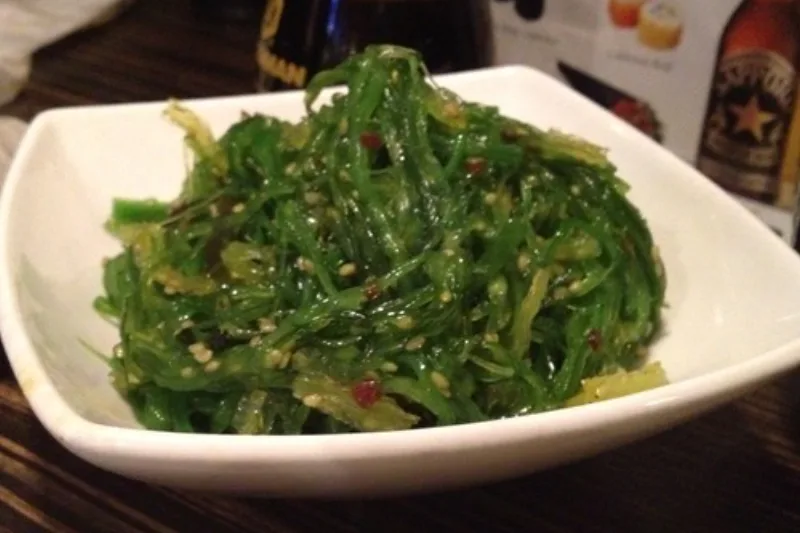
Later, when Veronica moved to the city, she rediscovered seaweed in an entirely different context: in Asian restaurants, in clear broths, and in green salads sprinkled with sesame. It dawned on her then that what her mother had gathered from the beach out of necessity was, in fact, a food treasured for thousands of years by entire civilizations. From the fishermen of the cold Atlantic coasts to the refined cooks of Japan, seaweed has nourished and healed countless generations.
Seaweed consists of photosynthetic aquatic organisms that grow in seas and oceans, attached to rocks or floating freely. Unlike land plants, they have no true roots, stems or leaves, yet they concentrate an impressive quantity of minerals and trace elements from seawater. They are generally classified by color: brown algae (kombu, wakame, hijiki), red algae (nori, dulse, agar) and green algae (sea lettuce, ulva). In addition, microalgae such as spirulina and chlorella, although technically cyanobacteria or freshwater algae, are often included in this broad category of “marine superfoods.”
Table of Contents
- What seaweed is and where it grows
- Nutritional value of seaweed
- Health benefits
- Types of edible seaweed and how to use them
- How to eat seaweed (step-by-step recipes)
- How much and how to eat it safely
- How to choose and store seaweed
- Lifestyle and practical tips
- Practical Tips and Common Mistakes
- Conclusion
- Frequently Asked Questions
What seaweed is and where it grows
Seaweeds belong to the protist and algae kingdoms and are among the oldest forms of life on Earth. They grow in coastal zones, where sunlight penetrates the water, attaching themselves to rocks, shells or other hard surfaces through structures called “holdfasts” — which, unlike the roots of land plants, do not absorb nutrients. All of their nourishment comes directly from the seawater, through the entire surface of their bodies.
The richest harvests of edible seaweed come from the cold, clean waters of the North Pacific (Japan, Korea, China), the North Atlantic (Ireland, Scotland, Iceland, Canada) and certain regions of South America. The tradition of eating seaweed is thousands of years old in East Asia, where nori, kombu and wakame are staple ingredients. In Europe, the Celtic peoples of the coasts of Ireland and Wales ate dulse and laver (a kind of Atlantic nori) long before it became fashionable.
Today, much of the edible seaweed is cultivated in marine farms, on ropes or nets stretched through the water — a production method considered extremely sustainable: seaweed requires no fresh water, fertilizers or pesticides, and it even helps purify the water and absorb carbon dioxide.
Nutritional value of seaweed
Seaweed is remarkable for its nutritional density: it offers a large amount of micronutrients for a very low calorie intake. The composition varies by species, but in general seaweed contains:
- Iodine – seaweed is the richest natural source of dietary iodine. Brown algae such as kombu can contain very large amounts, which is why they should be eaten in moderation.
- Minerals and trace elements – calcium, magnesium, iron, potassium, zinc, copper, manganese and selenium, in an easily absorbable form.
- Plant proteins – some seaweeds, especially spirulina, contain high proportions of protein with a complete amino acid profile.
- Soluble fiber – unique polysaccharides (alginate, fucoidan, agar, carrageenan) that support digestion and satiety.
- Vitamins – vitamins A (as beta-carotene), C, E, K and some B-group vitamins. Certain seaweeds also contain a form of vitamin B12, although its bioavailability is debatable.
- Antioxidants – pigments such as fucoxanthin (in brown algae) and phycobiliproteins (in red and blue-green algae), which help protect cells.
- Omega-3 fatty acids – in small but valuable amounts, especially in the algae at the base of the marine food chain.
Folk tradition said that seaweed “brings the sea to the table,” and this is reflected even in its composition: the mineral spectrum of seaweed strikingly resembles that of seawater, which in turn is close to that of the fluids in the human body.
Health benefits
Supporting thyroid function
Iodine is essential for producing thyroid hormones, which regulate metabolism, body temperature, growth and development. In regions where the soil and water are poor in iodine, a deficiency of this mineral was historically a frequent cause of goiter and developmental problems. Seaweed is an excellent natural source of iodine, which is why thyroid problems were rare in many coastal cultures. Be careful, however: precisely because they are so rich in iodine, seaweeds should be eaten in moderation, since an excess of iodine can also disrupt the thyroid.
Mineral intake and bone support
Seaweed provides calcium, magnesium and a range of trace elements important for the health of bones, muscles and the nervous system. Studies suggest that these minerals, in their natural form from food, are better absorbed than some synthetic supplements. In the herbalist tradition, seaweed was recommended for weakened or convalescent people, or those with “thin blood,” precisely because of its mineral richness.
Digestive support
The unique soluble fibers in seaweed — especially alginate and agar — form a gel in the digestive tract that slows stomach emptying, prolongs the feeling of fullness, and nourishes the beneficial bacteria in the gut. These fibers act as prebiotics, contributing to a balanced gut microbiome. Traditionally, seaweed teas and soups were used to “cleanse” and soothe an upset stomach.
Antioxidants and cellular protection
The pigments that give seaweed its color are not merely decorative: fucoxanthin from brown algae and phycocyanin from spirulina are antioxidants studied for their ability to neutralize free radicals. Studies suggest that a diet rich in plant-based antioxidants supports overall health and slows the processes of cellular aging.
Support for weight and metabolism
Due to its low calorie content, high fiber content and satiating effect, seaweed is appreciated by those managing their weight. Alginate-type fibers swell in the stomach and reduce appetite, and some studies suggest that fucoxanthin may have a positive influence on fat metabolism. Of course, no single food works miracles on its own — the effect appears only within the context of a balanced diet.
Support for the heart and circulation
The content of potassium, magnesium and soluble fiber makes seaweed a heart-friendly food. The folk tradition of the northern coasts associated regular seaweed consumption with a strong heart and good circulation. Modern studies suggest that soluble fiber may help maintain healthy cholesterol levels.
Types of edible seaweed and how to use them
Nori – dried red algae, pressed into thin sheets, used for sushi and onigiri. It has a slightly salty taste and can also be eaten on its own, lightly toasted, as a crunchy snack.
Wakame – a brown alga with a silky texture, used in miso soup and salads. It rehydrates quickly in water and turns an intense green. It is probably the most accessible seaweed for beginners.
Kombu – a thick brown alga used to make “dashi,” the base of Japanese soups. It is extremely rich in iodine and natural glutamate (which gives the “umami” taste). It is used in small amounts, often removed from the soup after simmering.
Dulse – a red alga from the North Atlantic with a slightly smoky taste. It can be eaten dried, as a snack, or added to soups and stews.
Agar-agar – a plant-based gelatin obtained from red algae, used as an alternative to animal gelatin in desserts, jellies and jams.
Spirulina and chlorella – microalgae in powder or tablet form, rich in protein and pigments. They are added to smoothies, juices or water.
How to eat seaweed (step-by-step recipes)
Simple wakame salad
This refreshing salad is a perfect introduction to the world of seaweed.
- Place about two tablespoons of dried wakame in a bowl and cover it with cold water. Let it sit for 8-10 minutes, until it rehydrates and swells several times in volume.
- Drain well and gently squeeze out the excess water. Cut up any larger pieces.
- Prepare the dressing: mix one tablespoon of rice vinegar, one teaspoon of soy sauce, one teaspoon of sesame oil and a pinch of sugar or honey.
- Pour the dressing over the seaweed, toss, and sprinkle sesame seeds on top.
- Chill for 5 minutes before serving.
Miso soup with wakame
- Gently heat 500 ml of water (or dashi stock).
- Add a generous tablespoon of rehydrated, chopped wakame.
- Remove the pot from the heat, dissolve 1-2 tablespoons of miso paste in a ladle of liquid and stir it back in (do not boil the miso, to preserve the live cultures).
- Add small cubes of tofu and chopped green onion. Serve immediately.
Mineral seaweed tea/decoction
In folk tradition, a light kombu decoction was used as a mineralizing tonic.
- Place a small piece of kombu (about the size of a palm) in one liter of cold water.
- Let it soak for 30 minutes, then heat slowly, without bringing it to a hard boil.
- Remove the seaweed just before boiling and drink the warm liquid, plain or as a base for soups.
Crunchy nori snack
- Cut the nori sheets into strips.
- Brush them lightly with a little sesame oil and sprinkle with a pinch of sea salt.
- Bake them for a few minutes in a low oven until crispy. They make a healthy alternative to chips.
How much and how to eat it safely
For a healthy adult, a small portion of seaweed a few times a week is usually enough to benefit from its mineral intake without the risk of excess iodine. A teaspoon or two of dried wakame or a single sheet of nori is a reasonable amount. Kombu-type seaweed, being the richest in iodine, should be eaten less often and in small quantities.
It is wise to vary the types of seaweed and not rely exclusively on a single kind. Also, if you take iodine supplements or seaweed in capsule form, keep your total intake in mind so as not to exceed recommended limits. People with thyroid conditions should always discuss the appropriate amount with their doctor.
How to choose and store seaweed
Choose seaweed from reliable producers who test their products for heavy metals and clearly indicate the region of origin. Cold, clean waters (the North Atlantic, the North Pacific) are generally the best sources. Prefer products with short ingredient lists and no unnecessary additives.
Dried seaweed keeps very well: store it in an airtight container in a cool, dark, dry place, away from moisture. This way it retains its aroma and nutritional value for a long time. Once rehydrated, seaweed should be eaten the same day or kept in the refrigerator for at most a day or two.
Lifestyle and practical tips
Seaweed integrates easily into a healthy Mediterranean or Asian-style diet. You can sprinkle it, finely chopped, over rice, salads or soups, add it to smoothies (in the case of spirulina), or use it as a partial replacement for salt, given its naturally salty taste. Precisely because it has an intense “sea” flavor, a small amount can significantly transform a simple dish.
If you are not used to the taste of seaweed, start with wakame or nori, which are milder, and only then move on to kombu or dulse, with their stronger flavors. Combined with rice, vegetables, seeds and plant oils, seaweed becomes part of a balanced and colorful plate.
Practical Tips and Common Mistakes
Mistake no. 1: Eating too much out of enthusiasm. Many people, discovering the benefits of seaweed, start eating large amounts of it daily. An excess of iodine can be just as problematic as a deficiency. Moderation is the key.
Mistake no. 2: Rehydrating dried seaweed incorrectly. Dried seaweed swells a lot in water. If you use too much, you will end up with an entire bowl of seaweed. Start with a small amount and give it time to rehydrate.
Mistake no. 3: Boiling the miso paste. In miso soup, never boil the miso paste at high temperatures, as this destroys the beneficial cultures and the delicate flavor. Add it at the end, after removing the pot from the heat.
Mistake no. 4: Ignoring the source. Buying cheap seaweed without indications of origin and without testing for heavy metals is a mistake. Quality matters enormously for this type of food.
Mistake no. 5: Adding extra salt. Seaweed is already naturally salty. Adding extra salt to seaweed dishes often leads to an excess of sodium.
Mistake no. 6: Eating it without regard for medical conditions. People with thyroid problems or who take certain medications should not introduce seaweed without their doctor’s advice.
Conclusion
Seaweed is a gift from the sea, treasured for thousands of years by cultures on every continent. Rich in iodine, minerals, unique fibers and antioxidants, it brings to the plate a nutritional spectrum hard to match by other foods. From the warm miso soup of a winter morning to the green, crunchy wakame salad, seaweed is versatile, tasty and healthy — as long as it is eaten in moderation and comes from clean sources. Just as Aunt Veronica’s mother instinctively knew, the “weeds of the sea” can be a precious ally for our health, if we treat them with the respect and moderation they deserve.
Frequently Asked Questions
Is seaweed good for the thyroid? Because of the iodine it contains, seaweed can support thyroid function where there is an iodine deficiency. However, an excess of iodine can harm the thyroid, and people with thyroid conditions should consult their doctor before eating seaweed regularly.
How often can I eat seaweed? For a healthy adult, a small portion a few times a week is usually appropriate. Avoid eating large amounts daily, especially of seaweeds very rich in iodine, such as kombu.
Does seaweed contain heavy metals? Seaweed can accumulate heavy metals from polluted waters. That is why it is essential to choose products from clean, tested sources. Hijiki seaweed is generally discouraged because of its arsenic content.
Can children eat seaweed? In very small amounts and occasionally, yes, but because of its high iodine content it is best to consult a pediatrician, especially for young children.
Does seaweed help with weight loss? Seaweed is low in calories and rich in fibers that promote satiety, which makes it useful within a balanced diet. It is not, however, a miracle weight-loss remedy; the effect appears only in the context of a healthy lifestyle.
Which seaweeds are best for beginners? Wakame and nori are the mildest and most accessible. Wakame is easy to use in salads and soups, while nori can even be eaten as a crunchy snack.
Is spirulina a seaweed? Technically, spirulina is a freshwater cyanobacterium, not a true seaweed, but it is often included in the “marine superfoods” category because of its nutritional profile rich in protein and pigments.
Can I replace salt with seaweed? Yes, partly. Thanks to its naturally salty taste and mineral content, finely chopped seaweed can reduce the need for added salt while also providing other nutrients.