
Spirulina: Benefits, Properties and How to Consume It Properly
IMPORTANT: Spirulina is a food, not a medicine, and it does not replace treatments prescribed by your doctor. People with phenylketonuria (PKU) must avoid it because it contains phenylalanine. Those with autoimmune conditions (lupus, multiple sclerosis, rheumatoid arthritis, Hashimoto’s thyroiditis) should use it only with medical approval, since it stimulates the immune system. Spirulina may interact with blood-thinning and immunosuppressant medications. Pregnant or breastfeeding women, children and people with kidney problems should consult a specialist before adding it to their diet. Buy spirulina only from trustworthy sources tested for heavy metals and microcystins, because a contaminated product can do more harm than good.
Aunt Veronica, a slender, sprightly woman from the Brașov region of Romania, discovered spirulina by chance in the 1990s, when a granddaughter returning from Germany brought her a small jar of dark green powder that, she admits, “smelled of pond and hay at the same time.” At first she looked askance at “that sea grass,” as she called it, but being a woman who had believed all her life in the power of plants, she gave it a try. She would stir a pinch into her vegetable soup or her apple compote and, within a few weeks, she said she no longer felt so “wrung out” at the end of the day. “It’s no miracle, it’s just real food,” she used to say, “like when you eat an egg from your own hen, not from the shop.”
Today spirulina has stepped out of the narrow circle of health enthusiasts and made its way into pharmacies, health-food stores and even supermarkets. And yet, many exaggerated myths float around it, alongside a solid nutritional reality worth knowing with a clear mind. In this article we will look at what spirulina actually is, where it comes from, what it contains, which benefits are supported by research, how to consume it properly, and what pitfalls to avoid.
Spirulina is one of the most concentrated sources of nutrients known to humankind. It is a microalga, more precisely a filamentous blue-green cyanobacterium, that grows in warm alkaline lakes in tropical and subtropical regions. Rich in complete protein, vitamins, minerals and antioxidant pigments, spirulina has been used as food for centuries and is now studied as a possible “superfood of the future,” including by international organizations interested in fighting malnutrition.
Table of Contents
- What spirulina is and where it comes from
- Nutritional composition and active compounds
- Health benefits
- Traditional and historical uses
- How to consume spirulina (powder, tablets, flakes)
- Simple recipes with spirulina
- Dosage and how to take it
- How to choose quality spirulina
- Lifestyle: how to integrate spirulina healthily
- Practical tips and common mistakes
- Conclusion
- Frequently asked questions
What spirulina is and where it comes from
Spirulina belongs to the genus Arthrospira, the best-known species being Arthrospira platensis and Arthrospira maxima. Under the microscope it has the shape of a tiny green spiral, which is where its name comes from. Strictly speaking, it is not a true “alga” but a cyanobacterium, an organism on the border between bacteria and plants, capable of photosynthesis.
It grows naturally in alkaline, mineral-rich lakes in Africa (Lake Chad), Mexico (Lake Texcoco) and parts of Asia. Today, most commercial spirulina is cultivated under controlled conditions in open ponds or photobioreactors in countries such as India, China, the United States and several African nations. After harvesting, the biomass is filtered, pressed and quickly dried at low temperature to preserve nutrients, then turned into powder, tablets or flakes.
What makes it so special is its efficiency: it produces an enormous amount of protein per unit of surface area, using far less water and land than traditional crops. That is precisely why it has long been seen as a possible solution for feeding populations in difficult conditions.
Nutritional composition and active compounds
Spirulina is remarkable for its nutritional density. Here is roughly what it contains:
- Complete protein — about 55-70% of its dry weight is protein, containing all the essential amino acids. This is rare in the plant world, which is why it is prized by vegetarians and vegans.
- Phycocyanin — the characteristic blue pigment, a powerful antioxidant studied for its anti-inflammatory properties.
- Chlorophyll — the green pigment, traditionally associated with “detox” effects and blood support.
- Beta-carotene and other carotenoids — precursors of vitamin A, with antioxidant roles.
- Iron — in a relatively well-absorbed form, useful especially for those prone to anemia.
- B-group vitamins — including B1, B2, B3 and a form of B12 (caution: the B12 form in spirulina is controversial in terms of bioavailability, see the precautions section).
- Minerals — magnesium, potassium, calcium, manganese, zinc, copper.
- Essential fatty acids — particularly gamma-linolenic acid (GLA), a beneficial omega-6.
Because of this profile, spirulina is considered a “concentrated” food: a small amount delivers an appreciable dose of micronutrients. Still, it is important to understand that usual doses (a few grams per day) do not turn it into a major source of calories or protein for the whole day; it complements, but does not replace, a balanced diet.
Health benefits
Support for energy and fighting fatigue
Many people who take spirulina report better energy and less fatigue. This effect is attributed, in part, to its iron, B-vitamin and protein content. For someone with an iron-poor diet or low energy levels, supplementing with spirulina can make a noticeable difference. Studies suggest a possible effect of improving exercise endurance, although research is still ongoing.
Supporting the immune system
Phycocyanin and the other active compounds in spirulina have been studied for their immune-modulating effect. Folk tradition and some preliminary research suggest that regular consumption might support the body’s natural defenses. For exactly this reason, however, people with autoimmune diseases need to be cautious.
Antioxidant and anti-inflammatory properties
Oxidative stress and chronic inflammation underlie many health problems. The antioxidants in spirulina, especially phycocyanin, help neutralize free radicals. Studies suggest an anti-inflammatory effect that could be useful in various contexts, from intense physical effort to joint discomfort.
Cholesterol balance and heart health
Some research suggests that regular spirulina consumption might help maintain healthy cholesterol values, particularly by supporting the ratio between “good” and “bad” cholesterol. The effects are modest and do not replace medical treatment, but they can be part of a heart-friendly lifestyle.
Support for detoxification
In the tradition of natural eating, spirulina is valued for its chlorophyll content and its ability to support the elimination of certain toxins. Some preliminary studies have investigated its role in binding certain heavy metals. Caution is needed here: the “detox” effect is often commercially exaggerated, and the body already has organs (liver, kidneys) built for that. Spirulina can support, but it does not work miracles.
Support for weight management
Thanks to its nutritional density and protein content, spirulina taken before meals can produce a feeling of fullness, helping to control appetite. It is not a “diet pill,” but it can be a quiet ally within a balanced eating plan combined with exercise.
Blood health and anemia
Its iron and chlorophyll content makes spirulina a food valued by those prone to anemia. Folk tradition sometimes called it “green blood,” a poetic parallel between chlorophyll and hemoglobin. People with diagnosed anemia should still follow their doctor’s instructions.
Traditional and historical uses
Spirulina is not a modern invention. The Aztecs of Mexico harvested it from the surface of Lake Texcoco, dried it in the sun into cakes called tecuitlatl, and ate it as a source of protein. Around Lake Chad in Africa, the Kanembu people still prepare a kind of dried cake called dihé, used in sauces and dishes. These traditions show that spirulina fed people long before modern laboratories discovered its value.
How to consume spirulina (powder, tablets, flakes)
Spirulina comes in several forms, each with its advantages:
- Powder — the most versatile and usually the most economical. It mixes easily into liquids and foods. The downside: the intense, grassy taste, which not everyone enjoys.
- Tablets or capsules — the most convenient for those who can’t stand the taste. You simply swallow them with water. The downside: it’s harder to take a large dose and they may be more expensive.
- Flakes — sprinkled over salads, soups or rice.
Whatever the form, the key is gradual introduction into your diet. Start with a small amount and increase over a few days, to allow your body to adjust.
Simple recipes with spirulina
Energizing green smoothie
In a blender, combine a banana, a handful of fresh spinach, the juice of one orange, a cup of water or plant milk, and a level teaspoon of spirulina. The banana and fruit mask the algae taste, and the result is a refreshing, nourishing drink, ideal in the morning. The sweet-tart flavor perfectly balances spirulina’s grassy notes.
Green lemonade
Squeeze the juice of half a lemon into a glass of cold water, add a teaspoon of honey and a pinch of spirulina. Stir well. It’s a refreshing way to consume spirulina, especially in summer.
Salad dressing
Mix two tablespoons of olive oil, one tablespoon of lemon juice, a crushed garlic clove, salt, pepper and half a teaspoon of spirulina. Pour over a green salad. Spirulina lends a beautiful color and a nutritional boost.
Raw energy balls
Blend pitted dates, oat flakes, peanut butter and a teaspoon of spirulina until you get a sticky paste. Form small balls and roll them in shredded coconut. You can keep them in the fridge as a healthy snack.
Important tip: do not add spirulina to very hot foods and do not boil it, because high temperatures can degrade some of its pigments and sensitive nutrients. Add it at the end, to lukewarm or cold dishes.
Dosage and how to take it
Usual doses vary, but generally you start with 1 gram per day (about a quarter teaspoon of powder) and can gradually increase toward 3-5 grams per day for healthy adults. Some take it in the morning for the energizing effect, others split it into two servings. It is best taken shortly before or during meals.
It is advisable to take it in cycles: for example, a few weeks of consumption followed by a break. Stay well hydrated when using it. And remember the golden rule: more is not better. Excessive doses bring no extra benefit and can cause digestive discomfort.
How to choose quality spirulina
Spirulina quality varies enormously from one producer to another. A few useful criteria:
- Source and cultivation — prefer products from growers who transparently communicate the place and method of cultivation.
- Testing for contaminants — look for statements about testing for heavy metals, microcystins and bacteria. This is the single most important safety criterion.
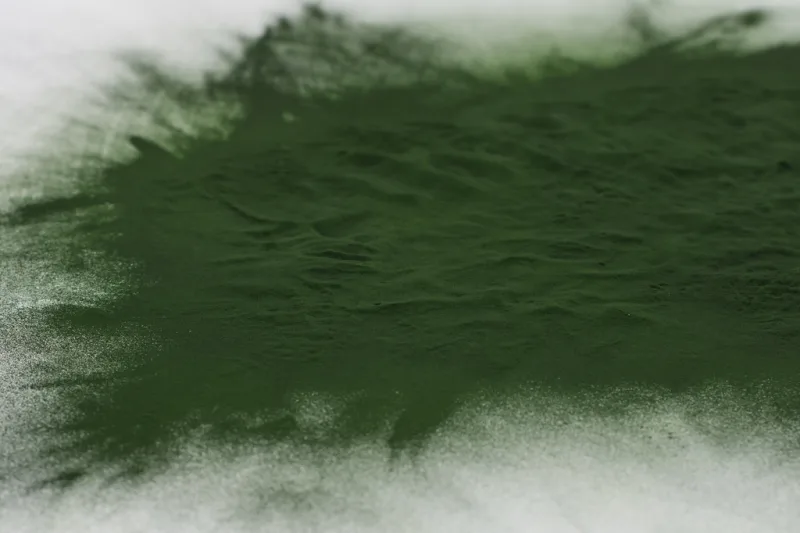
- Color and smell — good spirulina has an intense dark green color, sometimes with bluish tones, and a characteristic smell, but never rancid or moldy.
- Form and packaging — opaque, well-sealed packaging protects the light-sensitive pigments.
- Certifications — organic or quality certifications can offer extra reassurance.
Lifestyle: how to integrate spirulina healthily
Spirulina gives the best results as part of a balanced lifestyle, not as an emergency fix. Combine it with a diet rich in vegetables, fruit, whole grains and healthy fats. Pair it with regular exercise and quality sleep. To boost iron absorption, consume it alongside a source of vitamin C (lemon juice, orange, bell pepper).
Don’t expect results overnight. The benefits, when they appear, build up over time through regular, consistent consumption. Listen to your body: if you notice unpleasant reactions, stop and consult a specialist.
Practical tips and common mistakes
Mistake no. 1: Starting straight away with large doses. The body isn’t used to such a high concentration of nutrients and you may experience nausea or discomfort. Start slowly.
Mistake no. 2: Boiling it or adding it to bubbling dishes. Excessive heat degrades some of the sensitive compounds. Add it at the end.
Mistake no. 3: Buying the cheapest product without checking the source. Spirulina contaminated with heavy metals or microcystins can be dangerous. Quality matters enormously.
Mistake no. 4: Relying on spirulina as your only source of B12. The B12 form in spirulina is controversial in terms of bioavailability; vegans should not rely on it alone for this nutrient.
Mistake no. 5: Taking it without breaks, year after year, without consulting anyone. Cycles with breaks are wiser than unsupervised endless consumption.
Mistake no. 6: Ignoring contraindications. If you have an autoimmune disease, phenylketonuria, or take blood thinners, do not use it without medical approval.
Mistake no. 7: Storing it incorrectly. Light, heat and humidity degrade its pigments. Keep it in an airtight container, in a cool, dark place.
Conclusion
Spirulina is not a cure-all, but it is undoubtedly one of the most nutritionally dense foods available to us. Rich in complete protein, iron, antioxidants and valuable pigments, it can be a useful ally for energy, immunity and a balanced diet, provided it is of good quality and consumed sensibly. As Aunt Veronica said, it’s no miracle, just real food. Used in moderation, integrated into a healthy lifestyle and chosen with care, this little green spiral can bring a welcome boost to your everyday plate. And, as always when it comes to health, common sense and your doctor’s advice remain the best guides.
Frequently asked questions
Does spirulina help with weight loss? It is not a diet pill, but its protein content can create a feeling of fullness and help control appetite. It works only as part of a balanced eating plan and exercise, not on its own.
When is the best time to take spirulina? Many prefer it in the morning or before meals, for the energizing effect and the satiety. You can split the dose into two servings during the day. Avoid taking it late in the evening if you notice it energizes you and disturbs your sleep.
Does spirulina taste bad? It has an intense, grassy, “pond-like” taste that not everyone enjoys. The trick is to hide it in fruit smoothies, in lemonade or in dressings. If the taste bothers you too much, choose tablets or capsules.
Can I take spirulina during pregnancy or breastfeeding? It is not recommended without medical approval. Although it is a food, the contamination risk of some low-quality products and the lack of sufficient data make caution mandatory during this period.
How much spirulina can I take per day? For healthy adults, usual doses start from 1 gram and can reach 3-5 grams per day. Begin with small amounts and increase gradually. More is not better.
Does spirulina replace vitamin B12 supplements for vegans? Do not rely on it for B12. The B12 form in spirulina is considered largely an analog with reduced bioavailability. Vegans should use a proven B12 source.
How do I recognize quality spirulina? Look for products tested for heavy metals and microcystins, with an intense dark green color, a characteristic but not rancid smell, opaque packaging and transparent information about the source. Quality is the most important criterion.
Can I give spirulina to children? Only with a pediatrician’s approval. Children have specific nutritional needs, and the dosage and product safety must be evaluated individually by a specialist.