
Sunflower Seeds: Benefits, Vitamin E and How to Eat Them Right
IMPORTANT: Sunflower seeds are a healthy and safe food for most people, but a few real precautions apply. They are very high in calories and fat, so anyone watching their weight should enjoy them in moderation. Commercial salted varieties add a significant amount of sodium, which is not suitable for people with high blood pressure or kidney problems. Seeds can trigger allergies in sensitive individuals, and excessive intake may irritate the digestive tract. Cracking in-shell seeds repeatedly with the teeth can wear down tooth enamel. They also contain phytates and, if stored improperly, can develop mold (watch for a bitter or rancid taste). People with kidney disease who need to limit phosphorus, potassium or magnesium should talk to their doctor before adding them regularly to their diet. This article is for informational purposes only and does not replace the advice of a doctor or nutritionist.
Grandma Veta and the Pouch of Seeds
I still remember the summers I spent in the countryside at Grandma Veta’s, a short woman with hands roughened by field work and a gentle gaze that seemed to know all the garden’s secrets. Behind her house grew a row of sunflowers tall as a grown man, their golden heads turning to follow the sun like curious faces. Whenever I arrived, the first thing she did was break off an already dried sunflower head, shake it over a cloth pouch, and place a handful of seeds in my palm. “Eat up, my dear, these give you strength and sharpen your eyes,” she would say, as we sat on the porch and tossed the shells into the grass.
Grandma Veta had never read about vitamin E or magnesium, but she knew from the old folks that those small seeds were full of life. She used them in cakes, sprinkled them over salads, and sometimes lightly toasted them in a pan with no salt, just to bring out their aroma. She said that a person who eats seeds never ends up with a weak heart, and that a girl who wants beautiful hair must not forget the “seeds of the sun.” Many years later, when I started reading about nutrition, I discovered that the folk tradition Grandma carried in her hands actually had a real basis. Today I want to tell you everything I have learned about these humble yet surprisingly valuable seeds.
What Are Sunflower Seeds
Sunflower seeds are the fruits of the Helianthus annuus plant, the sunflower, native to North America, where indigenous peoples cultivated it for thousands of years for food, rituals and dye. The plant reached Europe in the 16th century and over time became one of the most important oilseed crops in the world. In Romania, fields of sunflowers are a common summer sight, and the country is among Europe’s major producers.
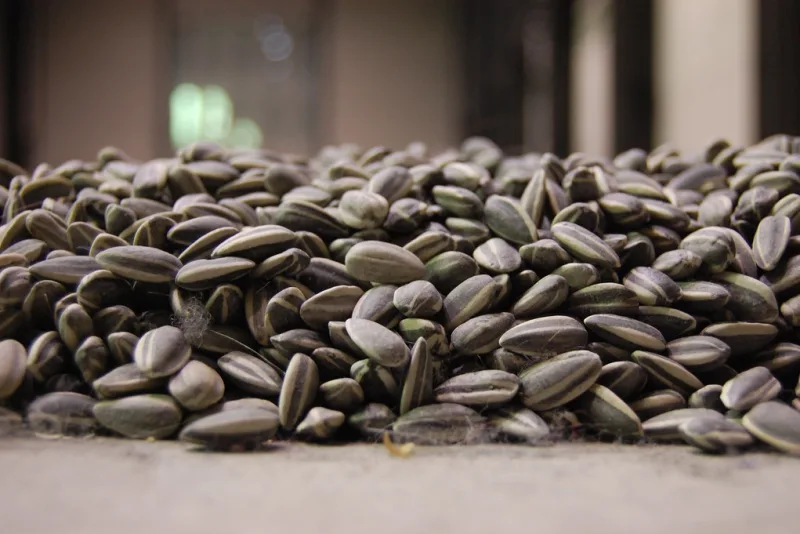
What we popularly call a “seed” is actually a dry fruit called an achene, made of a hard shell (pericarp) and an edible kernel inside. There are two main types: the larger “snacking” seeds, with black-and-white striped shells, eaten as a snack, and the smaller, all-black “oil” seeds, grown mainly to extract sunflower oil. The kernel has a pleasant, slightly nutty flavor and a tender, buttery texture that makes it delicious either raw or roasted.
Table of Contents
- Composition and nutritional value
- Health benefits
- Vitamin E and antioxidant protection
- Heart and blood vessel health
- Magnesium and the nervous system
- Skin and hair health
- Traditional and culinary uses
- How to eat them and simple recipes
- How much to eat per day
- How to choose and store them
- Lifestyle and practical tips
- Practical tips and common mistakes
- Conclusion
- Frequently asked questions
Composition and Nutritional Value
Sunflower seeds are a true nutrient concentrate. Beneath their modest shell hides a balanced mix of good fats, plant protein, fiber, vitamins and minerals. They are especially well known for their high vitamin E content, ranking among the richest natural food sources of this antioxidant.
The composition of sunflower seeds includes, among others:
- Healthy fats – mostly polyunsaturated fatty acids (linoleic acid, an essential omega-6 fatty acid) and monounsaturated fats. These make up most of the calorie content.
- Plant protein – the seeds provide important amino acids and are a good protein source for vegetarian diets.
- Dietary fiber – supports digestive health and a feeling of fullness.
- Vitamin E (tocopherol) – the main fat-soluble antioxidant in the seeds.
- B vitamins – especially thiamine (B1), B6 and folate, important for energy metabolism.
- Minerals – magnesium, selenium, copper, zinc, phosphorus, iron and manganese.
- Phenolic compounds and phytosterols – plant substances with antioxidant and health-supporting roles.
This rich profile explains why many nutritionists consider sunflower seeds a “smart” snack: they pack a lot of nutrition into a small volume. Still, because they are calorie-dense, portion size matters.
Health Benefits
Folk tradition has always valued sunflower seeds as a food that “gives strength.” Modern studies suggest this reputation is well founded, thanks to the combination of antioxidants, healthy fats and minerals. Here are the main ways these seeds may support health.
Vitamin E and Antioxidant Protection
Vitamin E is the undisputed star of sunflower seeds. This fat-soluble antioxidant helps protect cell membranes against oxidative stress caused by free radicals, unstable molecules that arise naturally in the body and are accelerated by pollution, cigarette smoke and an unbalanced diet. By neutralizing free radicals, vitamin E helps maintain cell integrity and is associated in studies with a role in supporting the immune system.
A single small portion of seeds can cover a significant part of the daily vitamin E requirement, making them one of the most accessible natural sources of this nutrient. Unlike synthetic supplements, the vitamin E in seeds comes accompanied by other plant compounds that act synergistically.
Heart and Blood Vessel Health
The predominant fats in sunflower seeds are unsaturated, considered “heart-friendly.” Linoleic acid and monounsaturated fats can help, as part of a balanced diet, to maintain a healthy lipid profile. Studies suggest that replacing saturated fats with unsaturated fats from sources such as seeds and nuts may have favorable effects on cholesterol.
In addition, the seeds contain phytosterols, plant compounds whose structure resembles that of cholesterol and which can interfere with its absorption in the gut. The magnesium and potassium present also contribute to cardiovascular health by supporting blood vessel relaxation and a normal heart rhythm. This is why, in folk tradition, seeds were seen as a food that is “good for the heart.”
Magnesium and the Nervous System
Sunflower seeds are a notable source of magnesium, a mineral involved in more than three hundred enzymatic reactions in the body. Magnesium is essential for normal muscle and nerve function, for energy production and for bone health. Many people today have an insufficient magnesium intake, and a snack of seeds can nicely round out the diet.
Folk tradition said that seeds “calm the nerves” and help with better sleep. While there is no magical guarantee, magnesium really does play a role in regulating the nervous system and in muscle relaxation, which may explain this old observation. The vitamin B6 in the seeds also takes part in synthesizing neurotransmitters important for mood.
Skin and Hair Health
Grandma Veta was not wrong when she said seeds make hair beautiful. Vitamin E, essential fatty acids, zinc and selenium are nutrients with a recognized role in the health of skin and hair. Vitamin E helps maintain skin hydration and elasticity and protects it from oxidative stress, while fatty acids support the skin’s natural barrier. Zinc is involved in healing processes and in scalp health.
Many country women also used the oil pressed from the seeds as a kind of natural balm for hands cracked by work, and ground kernels found their way into improvised face masks. Although today we have modern cosmetics, the idea that “beauty also comes from the plate” still holds true, and seeds have their well-deserved place.
Supporting Digestion and Satiety
Thanks to their fiber and healthy fats, sunflower seeds provide a lasting feeling of fullness. The fiber feeds beneficial gut bacteria and helps maintain regular transit. A handful of seeds between meals can keep hunger at bay better than many processed snacks, which is why they are popular in healthy diets and among athletes.
Traditional and Culinary Uses
In the traditional Romanian household, sunflower seeds had many uses. The best known was, of course, eating them as a snack: at a gathering, during a chat on the porch, or at the cinema, “seeds” were always present. They were lightly toasted in a pan without oil until they took on a warm aroma, then happily nibbled.
Beyond the simple snack, the seeds and their kernels went into countless dishes. Grandmothers sprinkled sunflower kernels over salads, over Lenten dishes and over homemade bread. The seeds were used to obtain sunflower oil, present in almost every kitchen, used for cooking, frying and preserves. More rarely, ground kernels were used to make a kind of plant “milk” or a paste similar to tahini, spread on bread.
In folk tradition, the seeds were also a symbol of the sun and of abundance. Dried sunflower heads were hung in the attic, and in winter the seeds fed both people and the birds in the yard. It was a food of patience and skill: nibbling in-shell seeds required time and quiet, turning a simple snack into a small ritual of relaxation.
How to Eat Them and Simple Recipes
Sunflower seeds are extremely versatile. Here are a few practical ways to include them in everyday eating.
Homemade Toasted Seeds (No Salt)
- Choose good-quality raw seeds, with or without shells.
- Heat a thick-bottomed pan, with no oil, over medium heat.
- Add the seeds in a single layer and stir often so they don’t burn.
- Toast for 4-6 minutes, until they turn slightly golden and develop a pleasant aroma.
- Let them cool completely before storing in a jar.
This version preserves the authentic taste, without the excess salt of commercial products.
Topping for Salads and Yogurt
Sprinkle a tablespoon of sunflower kernels over a green salad, a cabbage salad or a bowl of yogurt with fruit. They add a crunchy texture and a boost of nutrients, turning an ordinary meal into a more substantial one.
Bread and Muffins with Seeds
Add sunflower kernels to homemade bread dough or to muffins. Besides the rustic look and nutty flavor, the seeds increase the nutritional value of the baked goods. You can also scatter a few seeds on top before baking.
Spreadable Seed Paste
Grind raw or lightly toasted kernels in a blender, gradually adding a little oil and a pinch of salt, until you get a smooth paste. It is an alternative to peanut butter for those allergic to peanuts and spreads beautifully on toast.
Homemade Energy Bars
Mix sunflower kernels with oats, honey, dried fruit and a little coconut oil. Press the mixture into a tray, refrigerate for a few hours and cut into bars. They are a filling snack, ideal for hikes or for sports.
How Much to Eat Per Day
Although they are healthy, sunflower seeds are high in calories and fat, so moderation is key. A reasonable portion for an adult is generally around a small handful of kernels (about 30 grams) per day, as part of a balanced diet. This amount delivers a nice dose of vitamin E, magnesium and good fats without overloading your calorie intake.
Active people or athletes can eat slightly more, depending on their energy needs, while those watching their weight should keep an eye on portions. The raw or homemade-toasted version, with no added salt, is preferable to very salty commercial products. As with any food, balance and variety matter more than the quantity of any single item.
How to Choose and Store Them
To get the best from sunflower seeds, proper selection and storage are essential. Because of their high content of unsaturated fats, seeds can go rancid if stored improperly.
- Choosing: Prefer fresh seeds with a uniform appearance and no signs of mold. The smell should be pleasant and slightly nutty; a rancid smell or bitter taste indicates spoilage.
- Shell vs. kernel: In-shell seeds keep longer than shelled kernels, since the shell protects them from air and light.
- Storage: Keep the seeds in an airtight container in a cool, dark and dry place. In summer or for long periods, the refrigerator or freezer extends freshness, especially for shelled kernels.
- Quantity: Buy amounts you can use within a reasonable time to avoid rancidity.
A country trick: grandmothers kept seeds in cloth bags hung in an airy spot, away from moisture, and checked their taste periodically.
Lifestyle and Practical Tips
Including sunflower seeds in a healthy lifestyle is simple and enjoyable. You can keep them handy in a small jar on the kitchen table or in a little box in your bag for moments when a snack craving strikes. Instead of processed products, nibbling seeds offers a calming and nourishing break.
For those who work long hours at a desk, a handful of seeds in the middle of the day can be a small act of care for your body: it fuels the brain with good fats and magnesium, helping with focus. Athletes can use them for recovery, thanks to the combination of protein and minerals. And for the whole family, seeds remain a snack that children and grandparents alike can share, just like on the porch in the story at the beginning.
The important thing is to integrate them into a varied diet, alongside vegetables, fruits, whole grains and other sources of healthy fats, such as nuts or fish. No single food works miracles, but sunflower seeds are a valuable piece in the puzzle of a balanced diet.
Practical Tips and Common Mistakes
Mistake no. 1: Eating only very salty seeds. Commercial products with lots of salt cancel out some of the benefits and can affect blood pressure. Choose unroasted or homemade-toasted versions with no salt.
Mistake no. 2: Excessive amounts. Because they taste good and are addictive to nibble, it is easy to eat too much. Remember they are calorie-dense and keep your portion close to a small handful per day.
Mistake no. 3: Repeatedly cracking shells with your teeth. Constant nibbling of in-shell seeds can wear down tooth enamel and tire the jaw joint. Alternate with shelled kernels.
Mistake no. 4: Storing them in heat for a long time. Unsaturated fats go rancid easily. Seeds forgotten for months in a warm cupboard lose their quality and taste. Always check the aroma before eating.
Mistake no. 5: Swallowing the shells. Hard shells are not digested and can irritate the digestive tract. Eat only the kernel, especially if you have a sensitive stomach.
Mistake no. 6: Treating them as a free “diet food.” The fact that they are healthy does not mean they can be eaten without limit. Balance remains essential, especially for those watching their weight.
Conclusion
Sunflower seeds are a wonderful example of a simple, accessible and yet surprisingly valuable food. Rich in vitamin E, magnesium, healthy fats and a wide range of minerals, they support the health of the heart, the nervous system, the skin and the hair, exactly as folk tradition sensed. From Grandma Veta’s porch to modern tables, these small seeds carry with them a legacy of wisdom and authentic taste.
The key remains, as always, balance: a small handful per day, preferably raw or homemade-toasted, integrated into a varied diet. Treated with respect and eaten in moderation, sunflower seeds can become an everyday snack that does you good and reminds you that, sometimes, the best remedies hide in the most ordinary things.
Frequently Asked Questions
Are sunflower seeds good for weight loss? They can be part of a weight-loss diet thanks to the fiber and healthy fats that provide satiety, but they are very high in calories. They should be eaten in small, controlled portions so as not to add too many calories.
How many sunflower seeds can I eat per day? For an adult, a reasonable portion is around 30 grams of kernels (a small handful) per day, as part of a balanced diet. Active people can eat slightly more.
Is it better to eat them raw or roasted? Both versions have benefits. Raw seeds preserve heat-sensitive nutrients fully, while light homemade toasting without salt highlights the flavor. Avoid very salty commercial versions or those fried in a lot of oil.
Are sunflower seeds good for the heart? Yes, thanks to the unsaturated fats, phytosterols, magnesium and potassium, they can support cardiovascular health as part of a balanced diet. However, they do not replace medical treatments recommended by your doctor.
Can I eat sunflower seeds during pregnancy? In general, plain, unroasted and unsalted seeds are considered a nourishing snack during pregnancy, providing folate, vitamin E and magnesium. Still, it is recommended to discuss your diet with your doctor and to avoid very salty versions.
Do sunflower seeds cause allergies? Yes, although less often than other seeds or nuts, they can trigger allergies in sensitive people. If itching, swelling or breathing difficulties appear after eating them, stop immediately and consult a doctor.
Why do seeds sometimes turn bitter? A bitter or rancid taste indicates that the fats have oxidized due to improper storage, in heat or light. Such seeds should not be eaten. Keep them in an airtight container, in a cool and dark place.
Are shelled seeds as healthy as in-shell ones? The kernel offers the same nutrients, but it spoils faster because it no longer has the protection of the shell. Buy small amounts of kernels and store them in the refrigerator or freezer for freshness.