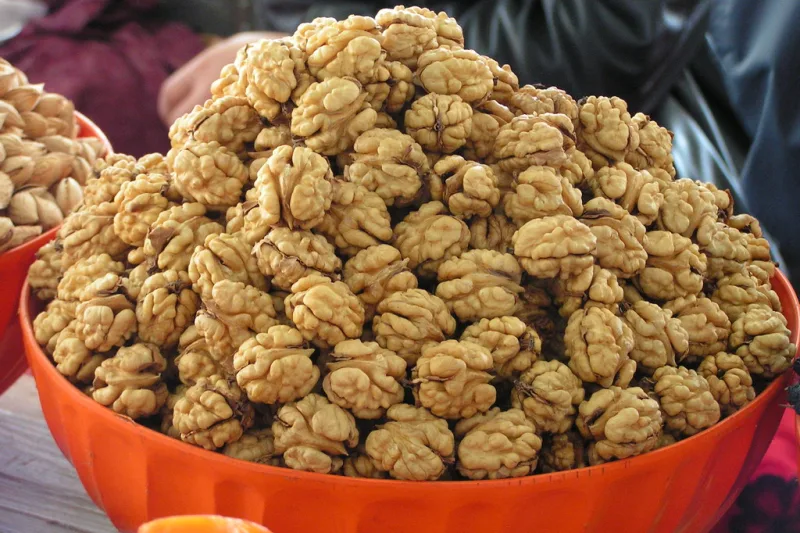

Walnuts: Benefits for Brain and Heart and How to Eat Them
IMPORTANT: Although walnuts are an extremely healthy food that is well tolerated by most people, they are among the most powerful food allergens. People with an allergy to walnuts or other tree nuts (hazelnuts, almonds, cashews, pistachios) must avoid them completely, as the reaction can be severe, even leading to anaphylactic shock. Walnuts are very calorie-dense (around 650 calories per 100 g), so anyone aiming to lose weight should respect the recommended portions. People with irritable bowel syndrome or digestive issues may tolerate them less easily in large amounts. If you suffer from oxalate kidney stones, talk to your doctor, since walnuts contain oxalates. This article is for informational purposes only and does not replace the advice of a doctor or nutritionist.
A childhood memory
I still remember how my grandmother Veta, from a village in the Olt Valley, kept a whole sack of autumn-harvested walnuts in her pantry, gathered from the old walnut tree in the yard. Every winter evening, after we finished our homework, she would take out a few walnuts, crack them with a round stone she kept especially for that purpose, and hand us the kernels, always saying the same words: “Eat your walnuts, child, they’ll give you a sharp mind and a strong heart.” Back then I thought it was just one of grandma’s sayings. Only later did I understand how close to the truth that folk wisdom was. The shape of the walnut kernel, which bears a striking resemblance to the two hemispheres of the brain, led many old cultures to associate this fruit with the health of the mind, and modern science seems to confirm our ancestors’ intuition.
Aunt Elena, my grandmother’s neighbor, made a bitter tincture from a green walnut picked at the end of June, which she took “for the blood and for the stomach.” In the traditional peasant household, the walnut tree was prized not only for its fruit but also for its leaves, bark, and noble wood. Nothing went to waste: the green husk was used as a natural dye for wool and hair, the leaves were brewed into tea, and the kernel ended up in sweet breads, in eggplant salad, or was simply nibbled by the stove.
What walnuts are and where they come from
The walnut is the fruit of the common walnut tree (Juglans regia), a majestic tree that can live for hundreds of years and grows widely across temperate regions, especially in hilly and lowland areas. Botanically speaking, what we call a “walnut” is actually an oil-rich seed, enclosed in a hard woody shell and, initially, in a fleshy green husk that splits open at maturity. Native to the region of Persia and Central Asia, the walnut tree spread across Europe back in antiquity, cultivated by the Greeks and Romans, who considered it “the acorn of Jupiter,” meaning the food of the gods.
The walnut kernel has a rich, slightly buttery and pleasantly bitter taste, due in part to the thin skin that covers it. It is one of the most cherished oil-rich nuts in cooking around the world, valued both for its flavor and for its remarkable nutritional profile. Unlike other tree nuts, the walnut stands out for its high content of plant-based omega-3 fatty acids, which makes it especially valuable for the modern diet, often poor in these essential fatty acids.
Table of Contents
- The nutritional value of walnuts
- The health benefits of walnuts
- How to eat walnuts and useful recipes
- How much to eat daily
- How to choose and store walnuts
- Traditional uses of the walnut tree
- Lifestyle and practical tips
- Common mistakes
- Conclusion
- Frequently Asked Questions
The nutritional value of walnuts
Walnuts are a true nutritional treasure concentrated into a small volume. In 100 grams of walnut kernel we find roughly 650 calories, reflecting their high energy density. Most of this energy comes from healthy fats: walnuts contain around 65 g of lipids per 100 g, but these are predominantly unsaturated fats, beneficial for the body.
What makes walnuts truly special is their fatty acid profile. They are one of the few plant sources rich in alpha-linolenic acid (ALA), an essential omega-3 fatty acid that the body cannot produce on its own. A single serving of walnuts can cover the daily requirement of this fatty acid. They also contain a favorable ratio of omega-3 to omega-6, important for the body’s inflammatory balance.
Besides fats, walnuts provide good-quality plant proteins (around 15 g per 100 g), dietary fiber that supports digestion and gut health, and a wide range of vitamins and minerals. These include:
- Vitamin E and other antioxidants, which protect cells from oxidative stress;
- B-complex vitamins, especially folate and vitamin B6;
- Magnesium, essential for muscle and nerve function;
- Copper and manganese, minerals involved in numerous enzymatic processes;
- Phosphorus and zinc, important for bones and the immune system;
- Polyphenols, antioxidant compounds concentrated mainly in the skin that covers the kernel.
Studies suggest that walnuts are among the foods with the highest antioxidant capacity of all tree nuts, precisely because of these polyphenols. That is why it is recommended not to remove the thin, slightly bitter skin from the kernel, although many people do so instinctively.
The health benefits of walnuts
Food for the brain
The folk association between the shape of the walnut and the brain is not just a poetic coincidence. Omega-3 fatty acids, especially ALA, are important structural components of nerve cell membranes. Studies suggest that regular walnut consumption may support cognitive function, memory, and concentration, especially as we age. The antioxidants and vitamin E in walnuts also help protect brain cells from oxidative stress, considered one of the factors involved in cognitive decline. Romanian folk tradition guessed correctly, recommending walnuts to children during exam periods and to the elderly for a “clear mind.”
Support for the heart and blood vessels
Probably the best-documented benefit of walnuts is the one on the cardiovascular system. The unsaturated fats and omega-3 fatty acids can help maintain a healthy cholesterol level, helping to reduce “bad” cholesterol (LDL) and supporting “good” cholesterol (HDL). Studies suggest that regularly including walnuts in the diet is associated with better cardiovascular health. In addition, the anti-inflammatory compounds and antioxidants in walnuts may support the elasticity of blood vessels and a balanced blood pressure.
Anti-inflammatory effect
Chronic low-grade inflammation is involved in numerous modern conditions. The polyphenols and omega-3 fatty acids in walnuts have anti-inflammatory properties that can help the body maintain a healthy balance. Regular, moderate walnut consumption, as part of a balanced diet, may contribute to reducing inflammatory markers, according to available data.
Gut health
Walnuts contain fiber that serves as food for the beneficial bacteria in the gut. A healthy gut flora is linked not only to good digestion but also to immunity, mood, and even metabolic health. Studies suggest that walnuts may favor the diversity of the gut microbiota, with positive effects on the entire body.
Blood sugar balance and weight control
Despite their high calorie density, walnuts are not associated with weight gain when eaten in reasonable portions. The combination of healthy fats, protein, and fiber provides lasting satiety, helping to control appetite. They may also contribute to a slower release of glucose into the blood, making them a suitable snack for people who monitor their blood sugar, provided portions are respected.
Support for the nervous system and mood
Magnesium, B-complex vitamins, and omega-3 fatty acids together play an important role in the functioning of the nervous system. Traditionally, walnuts have been considered a “calming” food, and the nutrients they contain do indeed support good brain function, quality sleep, and emotional balance.
Bone and skin health
The copper, magnesium, phosphorus, and manganese in walnuts are minerals involved in the formation and maintenance of bone tissue. Vitamin E and the fatty acids contribute to the hydration and elasticity of the skin, which is why walnut oil is sometimes also used in natural cosmetics.
How to eat walnuts and useful recipes
The simplest and healthiest way to eat walnuts is raw, as they are, nibbling the freshly cracked kernel. This preserves the heat-sensitive fatty acids intact. Here are a few ideas and practical recipes:
Morning snack with walnuts and fruit
Combine a small handful of walnut kernels (around 30 g) with plain yogurt and a few fresh seasonal fruits. Add a teaspoon of honey if you like. It is a balanced snack that combines the healthy fats from walnuts with the protein from yogurt and the fiber from fruit.
Salad with walnuts
Lightly toasted walnuts (just a few minutes, without oil, in a dry pan) add a wonderful taste to salads. Toss walnut halves into green salad with cheese and a simple dressing of olive oil, lemon, and honey. Beetroot salad with walnuts is a classic of many cuisines.
Walnut paste (walnut butter)
Blend walnut kernels in a food processor for a few minutes until they turn into a buttery paste. You can add a pinch of salt. This paste can be spread on whole-grain bread or added to smoothies.
Traditional garlic-and-walnut sauce
In Romanian cooking, walnuts pounded with garlic and soaked bread form the basis of the famous “scordolea” or of sauces for fish. Eggplant salad also takes on a special flavor with pounded walnut kernels.
Green walnut tincture (traditional recipe)
For those interested in traditional remedies, the green walnut tincture is prepared as follows:
- Pick 15-20 green walnuts in mid-June, when the husk is still tender and can easily be pierced with a needle.
- Cut them into quarters (wear gloves, as they stain heavily).
- Place them in a jar and cover them with food-grade alcohol of 50-60 proof.
- Leave the jar in the sun, tightly sealed, for 30-40 days, shaking occasionally.
- Strain and store the tincture in a dark glass bottle.
This was used in folk medicine in small amounts (a few drops), but internal use should always be discussed with a specialist.
How much to eat daily
The commonly recommended amount is a serving of around 30 grams per day, that is, a small handful or about 7-9 whole walnuts. This amount provides the benefits without adding a problematic calorie surplus. Very active people, or those who use walnuts as their main source of healthy fats, can eat a little more, but moderation is wise. The key is consistency: regular, moderate consumption is more beneficial than occasional large amounts.
How to choose and store walnuts
When buying, choose walnuts that are heavy for their size, with intact shells, free of cracks or signs of mold. Already shelled walnut kernels should have a light, uniform color; a kernel that is dark, shriveled, or smells rancid indicates oxidation of the fats.
Because of their high content of unsaturated fats, walnuts are sensitive to going rancid. Here is how to store them correctly:
- In-shell walnuts keep best, for up to several months, in a cool, dark, and dry place.
- Shelled kernels keep in an airtight container in the refrigerator for a few weeks, or in the freezer for several months.
- Avoid exposure to light, heat, and moisture, which accelerate oxidation.
A kernel that has developed a rancid taste (bitter, sharp, unpleasant) should no longer be eaten.
Traditional uses of the walnut tree
In the rural household, the walnut tree was used in its entirety. Walnut leaves, gathered in summer, were dried and used as a tea or decoction for external washes, valued in folk tradition for their properties. The green husk of the fruit served as a natural dye for wool, for Easter eggs, and even for hair, giving warm shades of brown. Walnut wood, dense and beautifully colored, was and remains one of the most prized materials for fine furniture.
In folk medicine, walnuts were recommended as a strengthening food for convalescents, for growing children, and for those with a “tired mind.” Although many of these uses were empirical, they reflect a long observation of the beneficial effects of this fruit.
Lifestyle and practical tips
Walnuts fit easily into a healthy lifestyle. You can use them as a snack instead of processed products, add them to your morning oatmeal, to salads, to yogurt, or to healthy desserts. As part of a Mediterranean-style diet, rich in vegetables, fruit, whole grains, fish, and olive oil, walnuts contribute to a balanced diet.
To get the most benefits, combine walnut consumption with an active lifestyle, adequate hydration, and quality sleep. No miracle food can on its own make up for unhealthy habits, but walnuts are certainly a valuable ally.
Practical Tips and Common Mistakes
Mistake no. 1: Eating excessive amounts. Considering walnuts “healthy,” some people eat them without restraint. Their high calorie density can lead to an energy surplus. Stick to the portion of around 30 g per day.
Mistake no. 2: Removing the skin from the kernel. Many people peel off the thin, bitter skin, considering it unpleasant. In reality, it concentrates much of the antioxidant polyphenols. Eat it together with the kernel.
Mistake no. 3: Storing them incorrectly. Walnuts left in heat and light go rancid quickly, losing their value and acquiring an unpleasant taste. Store them in a cool, dark place.
Mistake no. 4: Over-toasting. Prolonged toasting at high temperatures degrades the sensitive fatty acids. If you toast them, do it lightly and briefly, just for aroma.
Mistake no. 5: Eating rancid walnuts. A kernel with a bitter, sharp taste and an unpleasant smell is oxidized and should no longer be eaten, since the degraded fats are no longer beneficial.
Mistake no. 6: Ignoring allergies. In small children or people with a history of allergies, introducing walnuts should be done with caution and under supervision.
Conclusion
Walnuts are much more than a simple winter snack. They are an affordable superfood, rich in omega-3 fatty acids, antioxidants, plant proteins, and essential minerals, with proven benefits for the brain, heart, and body as a whole. The folk wisdom of our grandparents, who urged us to eat walnuts “for the mind and for the heart,” turns out to be surprisingly close to what modern research suggests. Eaten in moderation, fresh and well stored, as part of a balanced diet, walnuts can be a trusted ally for health throughout the year.
Frequently Asked Questions
How many walnuts is it healthy to eat per day? A serving of around 30 grams, that is, 7-9 whole walnuts or a small handful of kernels, is the commonly recommended amount to benefit from their properties without an excessive calorie intake.
Do walnuts make you gain weight? Walnuts are calorie-dense, but eaten in moderate portions they do not lead to weight gain. The feeling of satiety they provide can actually help control appetite. Problems arise only with excessive consumption.
Is it true that walnuts are good for the brain? Yes, the content of omega-3 fatty acids, vitamin E, and antioxidants supports the health of nerve cells. Studies suggest a beneficial effect on cognitive function with regular consumption.
Should I remove the brown skin from the kernel? It is not recommended. The skin concentrates valuable antioxidant polyphenols. Although it has a slightly bitter taste, it is the part richest in beneficial compounds.
How can I tell if walnuts have gone bad? Rancid walnuts have a bitter, sharp, unpleasant taste and a characteristic smell of oxidized fat. A kernel that is dark, shriveled, or spotted may be a sign of degradation. In that case, do not eat them.
Can I eat walnuts if I have high cholesterol? Yes, on the contrary, the unsaturated fats in walnuts can support a healthy cholesterol profile. Still, respect the portions and talk to your doctor for personalized recommendations.
Can pregnant women eat walnuts? In general, if there is no allergy, walnuts are a good source of nutrients useful during pregnancy, such as folate and omega-3 fatty acids. It is recommended to consult your doctor for any dietary adjustments during this period.
What is the difference between walnuts and other tree nuts? Walnuts stand out for their high content of plant-based omega-3 fatty acids (ALA), which other tree nuts, such as almonds or hazelnuts, contain in much smaller amounts. This makes them especially valuable for the health of the heart and brain.