 Photo: JosephAmodio, CC BY-SA 4.0, via Wikimedia Commons
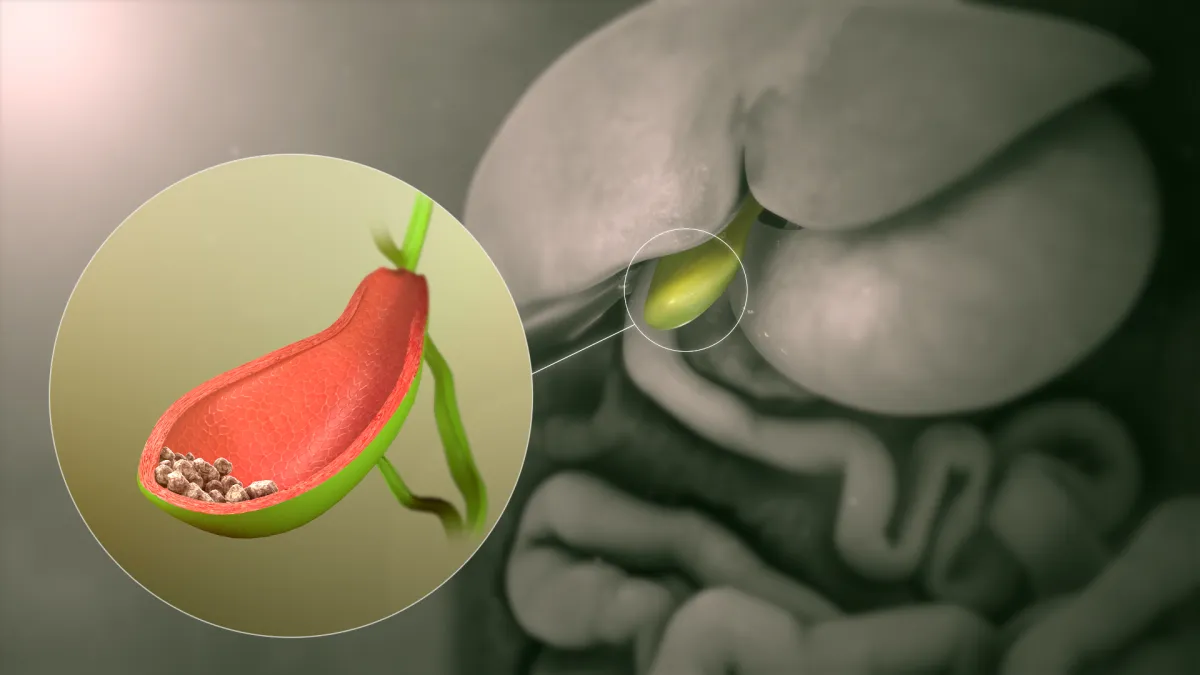
Biliary dyskinesia is a functional disorder of the gallbladder without stones: the gallbladder either empties too slowly (the hypokinetic or “sluggish” form) or contracts in a disorganised, spastic way (the hyperkinetic form). It shows up as heaviness or pain in the upper right abdomen after fatty meals, nausea, bloating and a bitter taste. The cornerstone of management is diet, and herbs are chosen according to the form: bitter, choleretic plants for a sluggish gallbladder, antispasmodic ones for a spastic one.
Key takeaways
- Biliary dyskinesia is functional: ultrasound shows no stones, but the gallbladder does not empty normally.
- The sluggish form responds to bitter herbs (artichoke, dandelion) and regular meals.
- The spastic form responds better to antispasmodic herbs (peppermint, chamomile, lemon balm).
- Small meals at fixed times and avoiding fried food matter more than any tea.
- Severe pain, fever or jaundice are not dyskinesia and need prompt medical care.
- Diagnosis is made after ruling out stones and other diseases, not from symptoms alone.
What biliary dyskinesia is
The gallbladder is a small muscular reservoir that stores the bile made by the liver. When fat reaches the duodenum, a hormone called cholecystokinin is released, making the gallbladder contract and the sphincter of Oddi relax so that bile flows into the intestine. Dyskinesia means this mechanism is no longer coordinated.
Eastern European medicine traditionally distinguishes hypotonic (hypokinetic) dyskinesia, with a distended gallbladder that empties poorly, and hypertonic (hyperkinetic) dyskinesia, with strong contractions and spasm. In international literature the closest equivalent is “functional gallbladder disorder”, defined in the Rome IV criteria: biliary-type pain without stones or sludge on ultrasound, with other causes excluded.
Symptoms of biliary dyskinesia
- heaviness or dull pain in the upper right abdomen, under the ribs, 30-90 minutes after eating;
- intolerance of fried food, cream, mayonnaise, fried eggs, chocolate;
- nausea, sometimes bitter-tasting vomiting;
- bloating, belching, a feeling of fullness;
- a bitter taste in the mouth, especially in the morning;
- irregular bowel habits: constipation in the sluggish form, loose stools after meals in the spastic form;
- in the spastic form, short colicky pains, often triggered by stress.
The symptoms overlap heavily with those of gallstones, gastritis and irritable bowel syndrome. So do not diagnose yourself from a list.
Causes and contributing factors
- irregular meals, long fasts followed by big meals;
- high-calorie diets rich in saturated fat or, conversely, crash diets;
- a sedentary lifestyle and excess weight;
- chronic stress and anxiety (the autonomic nervous system controls biliary motility);
- hormonal changes: pregnancy, oral contraceptives (progesterone relaxes gallbladder muscle);
- hypothyroidism, diabetes;
- some medicines that slow motility.
How it is diagnosed
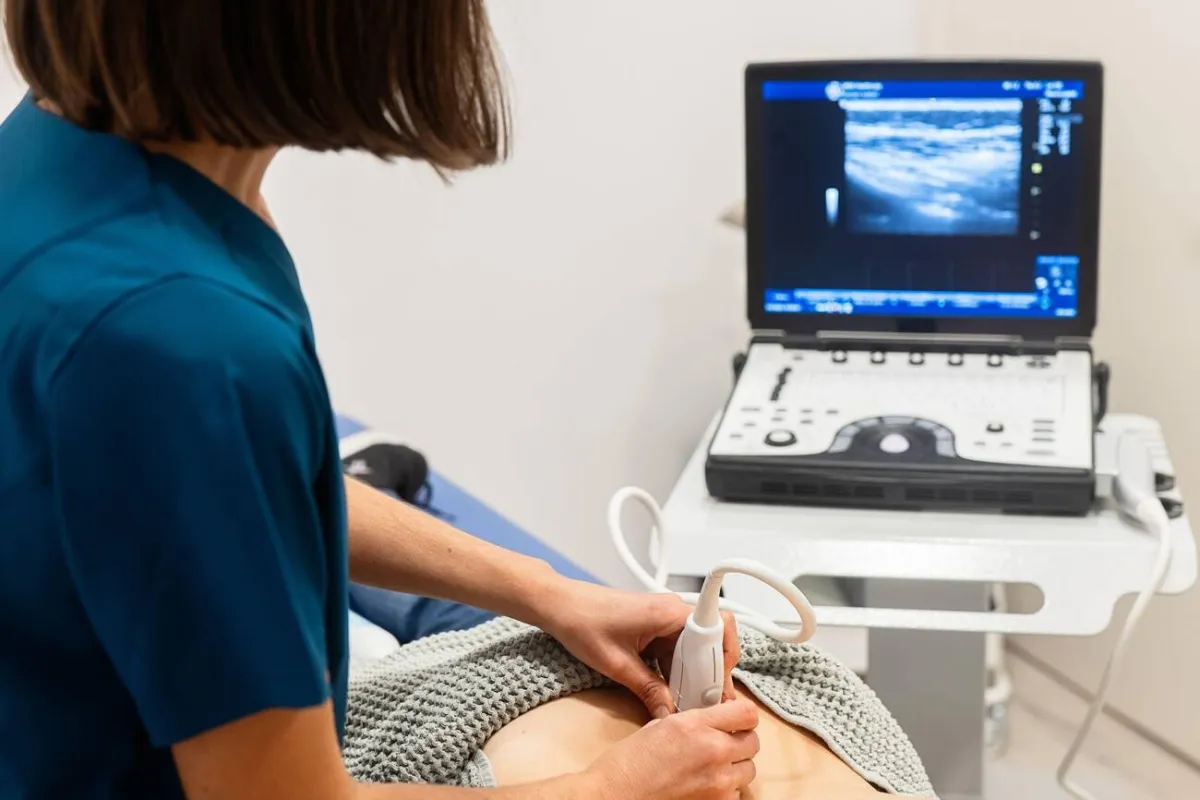
The first step is an abdominal ultrasound to rule out gallstones and biliary sludge. Blood tests (transaminases, bilirubin, alkaline phosphatase, amylase or lipase) should be normal. Some doctors do an ultrasound with a fatty test meal (for example eggs) to measure how much the gallbladder contracts. Specialised centres use a stimulated HIDA scan, which calculates the gallbladder ejection fraction; a low value supports the sluggish form.
Table: sluggish vs. spastic form
| Feature | Hypokinetic (sluggish) | Hyperkinetic (spastic) |
|---|---|---|
| What happens | slow, incomplete emptying | strong contractions, spasm |
| Pain | dull, heaviness, pressure | colicky, short, more intense |
| Bowel habit | tendency to constipation | loose stools after meals |
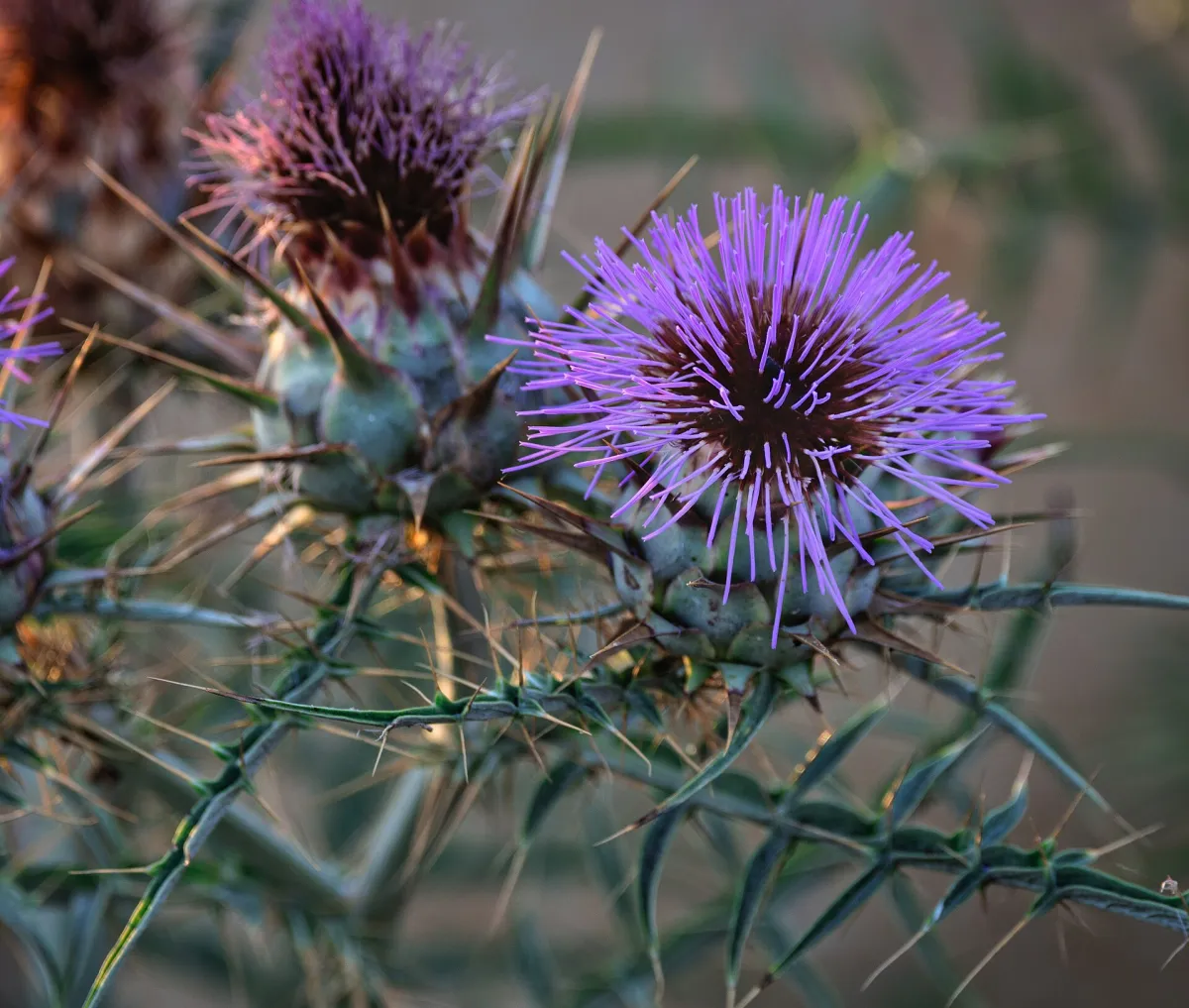
| Suitable herbs | artichoke, dandelion, milk thistle; greater celandine only under supervision | peppermint, chamomile, lemon balm, fennel |
| What to avoid | long fasts, infrequent meals | strong coffee, stress, strong bitters |
| Meal rhythm | 5 small, regular meals | 4-5 warm meals, eaten slowly |
Natural remedies for the sluggish form
Artichoke leaf tea
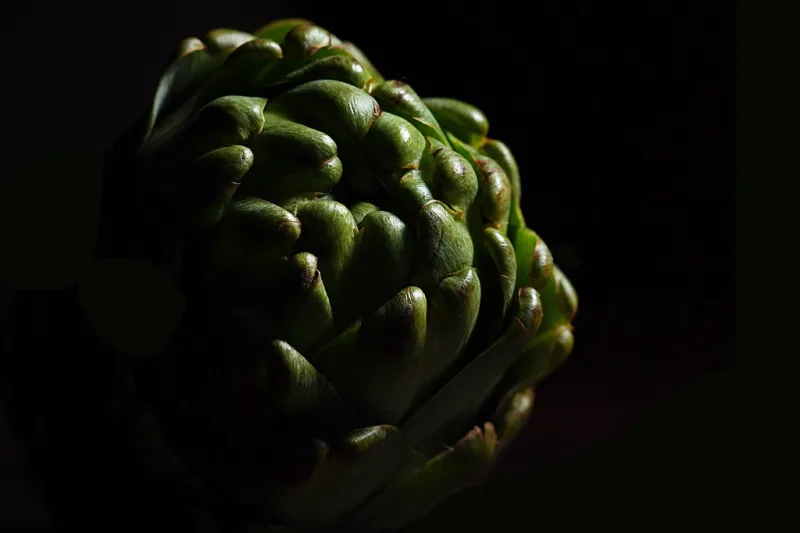
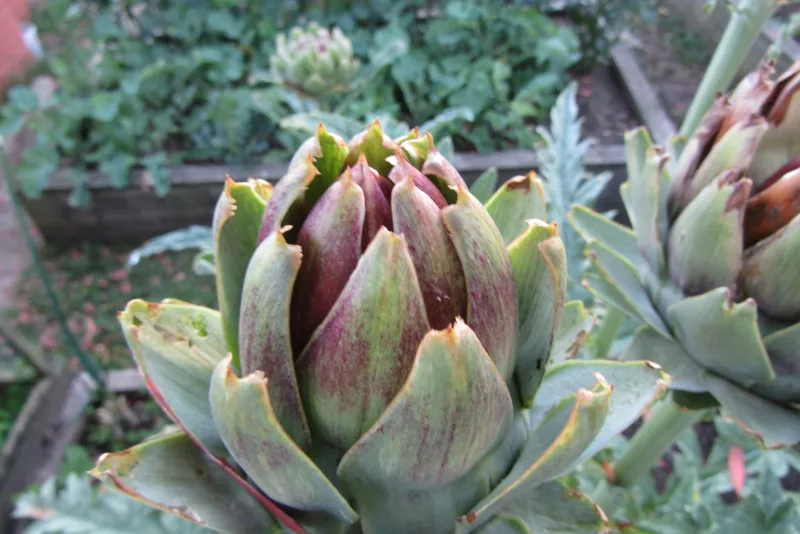
Artichoke leaves contain cynarin and caffeoylquinic acids, with a choleretic effect recognised traditionally and in the European monograph for dyspeptic complaints. Recipe: 1 teaspoon (2 g) of dried leaves in 250 ml boiling water, covered for 10 minutes, drunk unsweetened 20-30 minutes before main meals, 2-3 times a day, in 2-3 week courses. Details in our article on artichoke tea.
Dandelion
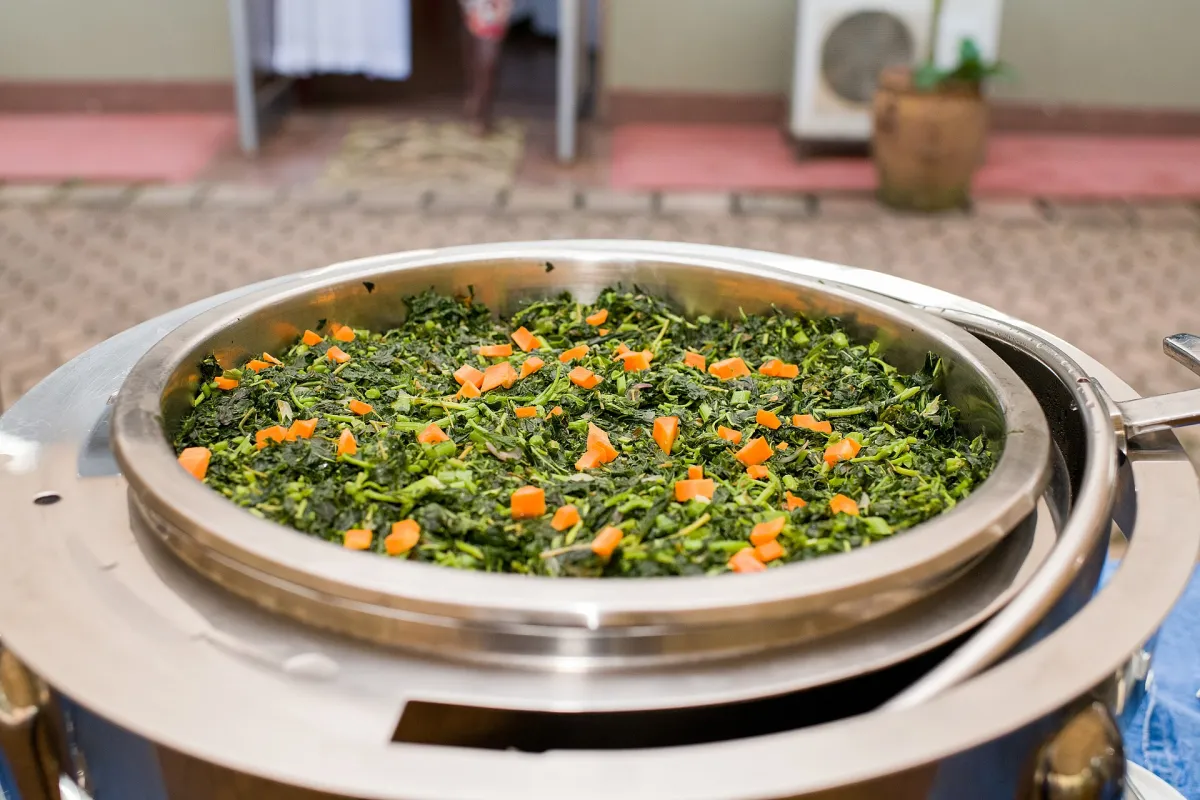
Dandelion root and leaf are used traditionally to stimulate bile flow and appetite. Decoction: 1 teaspoon of chopped root in 250 ml cold water, simmer 5 minutes, steep 10 minutes, twice a day before meals. See also dandelion tea.
Olive oil in the morning
A teaspoon of extra virgin olive oil in the morning or at the start of a meal physiologically stimulates gallbladder contraction. This is not a “gallbladder flush” and large amounts are not needed: 1 teaspoon is enough.
Black radish
Black radish juice is a traditional choleretic remedy. Start with 1-2 tablespoons a day after meals and increase gradually. It is strong and not for the spastic form.
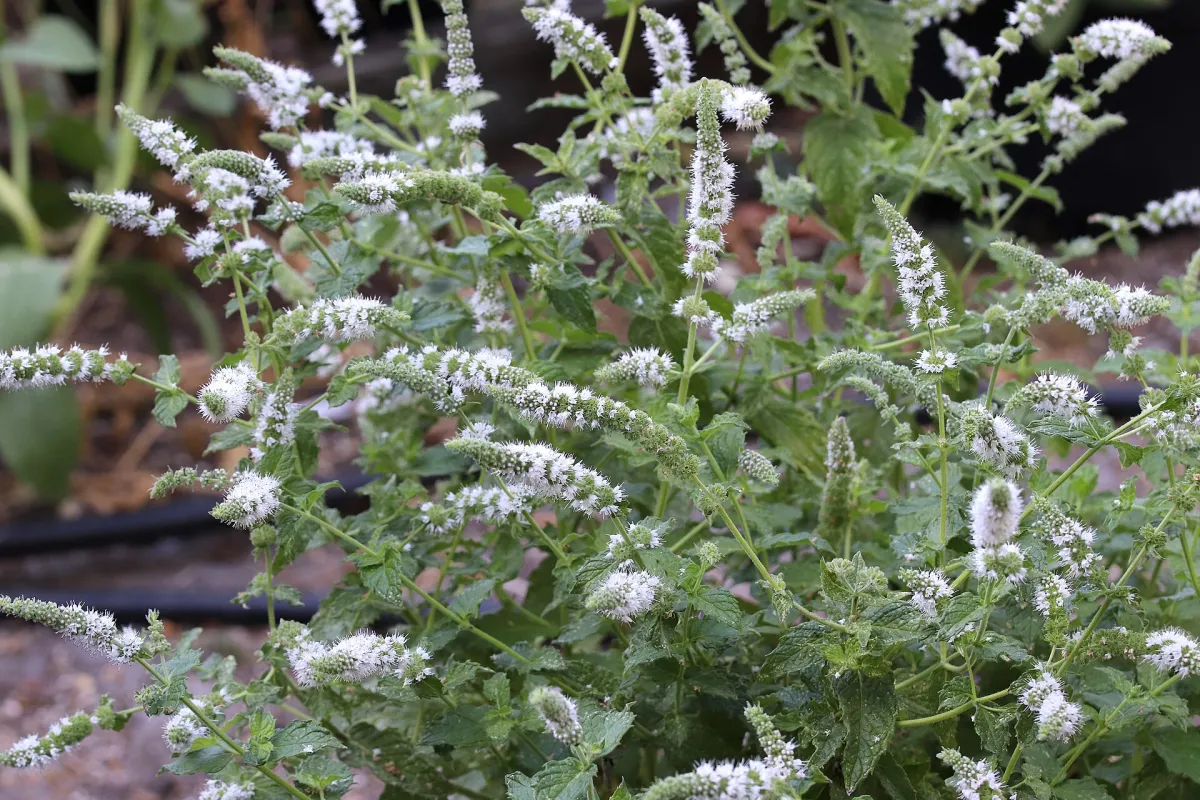 Photo: S.G.S., CC BY-SA 4.0, via Wikimedia Commons
Natural remedies for the spastic form
- Peppermint tea: 1 teaspoon of leaves in 250 ml boiling water, 7-10 minutes, after meals. Menthol relaxes smooth muscle. Avoid it if you have reflux.
- Chamomile tea: 1 tablespoon of flowers in 250 ml water, 10 minutes; antispasmodic and calming.
- Lemon balm: 1 teaspoon in 250 ml, 10 minutes, in the evening; useful when stress triggers attacks.
- Warm compresses: a hot-water bottle (warm, not hot) over the liver area for 15-20 minutes relaxes spasm. Do not use it if you have fever or severe pain.
- Breathing techniques: 5 minutes of slow belly breathing before meals lowers sympathetic tone.
Diet for biliary dyskinesia
- 4-5 small meals at the same times, with daytime gaps no longer than 4-5 hours;
- food boiled, baked, braised or steamed;
- small amounts of raw fat at every meal (olive oil, walnuts) rather than concentrated in one;
- lean protein: chicken, turkey, fish, boiled eggs, cottage cheese;
- well-tolerated cooked and raw vegetables; fiber from oats, carrots, zucchini;
- avoid fried food, roux, cured meats, cream, chocolate and alcohol;
- coffee: in the sluggish form a weak coffee after a meal may be tolerated; in the spastic form it is better avoided.
Contraindications and interactions
- Gallstones rule out strong choleretic and cholagogue herbs (artichoke, high-dose dandelion, black radish, greater celandine): gallbladder contraction can move a stone.
- Bile duct obstruction, acute hepatitis, jaundice: no herbal course without a doctor.
- Allergy to the daisy family (Asteraceae): chamomile, dandelion, artichoke, calendula.
- Greater celandine (Chelidonium) has been linked to cases of liver injury; do not use it without medical supervision.
- Pregnancy and breastfeeding: only with your doctor’s approval.
- Medicines: anticoagulants, diuretics and diabetes drugs may interact with some herbs; tell your doctor what you take.
When to see a doctor
- severe pain lasting more than 30 minutes or waking you at night;
- fever, chills;
- yellowing of the eyes or skin, dark urine;
- repeated vomiting;
- unexplained weight loss;
- symptoms appearing for the first time after age 50.
Common mistakes
- The same herb for both forms. A strong bitter tea can worsen a spastic gallbladder.
- A “gallbladder flush” with large amounts of oil and lemon. It can trigger colic and does not expel stones; see also biliary colic.
- Courses without breaks. Choleretic herbs are taken for 2-4 weeks, then paused.
- Skipped meals. A sluggish gallbladder needs regular stimulation.
- Ignoring stress. In the spastic form, sleep and relaxation matter as much as diet.
Conclusion
Biliary dyskinesia is common and bothersome, but usually benign. The key is knowing which form you have: a sluggish gallbladder needs regular meals and bitter herbs, a spastic one needs calm, warmth and antispasmodic herbs. Diet remains the foundation, with herbs as support. Get an ultrasound before any herbal course and seek medical help if warning signs appear.
Frequently asked questions
Can biliary dyskinesia be cured? Symptoms often ease a lot or disappear with a regular diet, exercise and stress management. It is a functional disorder that can fluctuate over time.
Which tea is good for biliary dyskinesia? For the sluggish form: artichoke, dandelion. For the spastic form: peppermint, chamomile, lemon balm. The wrong choice can make symptoms worse.
Does biliary dyskinesia lead to gallstones? Bile stasis favours sludge and stone formation, especially in the sluggish form. Regular meals reduce that risk.
Can I drink coffee with biliary dyskinesia? In the sluggish form, a weak coffee after a meal is usually tolerated. In the spastic form, coffee may trigger spasm and is best avoided.
Is surgery done for biliary dyskinesia? Rarely. Cholecystectomy is considered only in selected cases with typical symptoms and a low ejection fraction on a HIDA scan, after other causes are ruled out.
Can stress cause biliary dyskinesia? Yes, especially the spastic form. The autonomic nervous system directly influences contraction of the gallbladder and the sphincter of Oddi.
Can an ultrasound show dyskinesia? A standard ultrasound rules out stones; an ultrasound with a test meal can suggest slow emptying. A HIDA scan gives more precise confirmation.
Sources
- Rome IV criteria for functional gallbladder and sphincter of Oddi disorders (Rome Foundation, 2016).
- EMA/HMPC community herbal monographs on Cynarae folium, Taraxaci radix cum herba and Menthae piperitae folium.
- German Commission E monographs on artichoke leaf and radish root.
- NIDDK: “Gallstones” and resources on gallbladder function.
Informational content. It does not replace medical diagnosis and treatment.