 Photo: Steve Buissinne, CC0, via Wikimedia Commons
A bitter taste in the mouth most often has ordinary causes: reflux (acid or bile), insufficient oral hygiene, dry mouth, smoking or a medicine. The liver and gallbladder can be involved, especially when the bitterness comes with heaviness in the upper right abdomen after fatty meals, but they are rarely the only explanation. If the taste appears in the morning and disappears after brushing, the cause is almost certainly local or related to night-time reflux.
Key takeaways
- The most common causes: gastroesophageal reflux, bile reflux, dry mouth, oral hygiene, medicines.
- A morning bitter taste that clears after brushing and water usually comes from night-time reflux or low saliva.
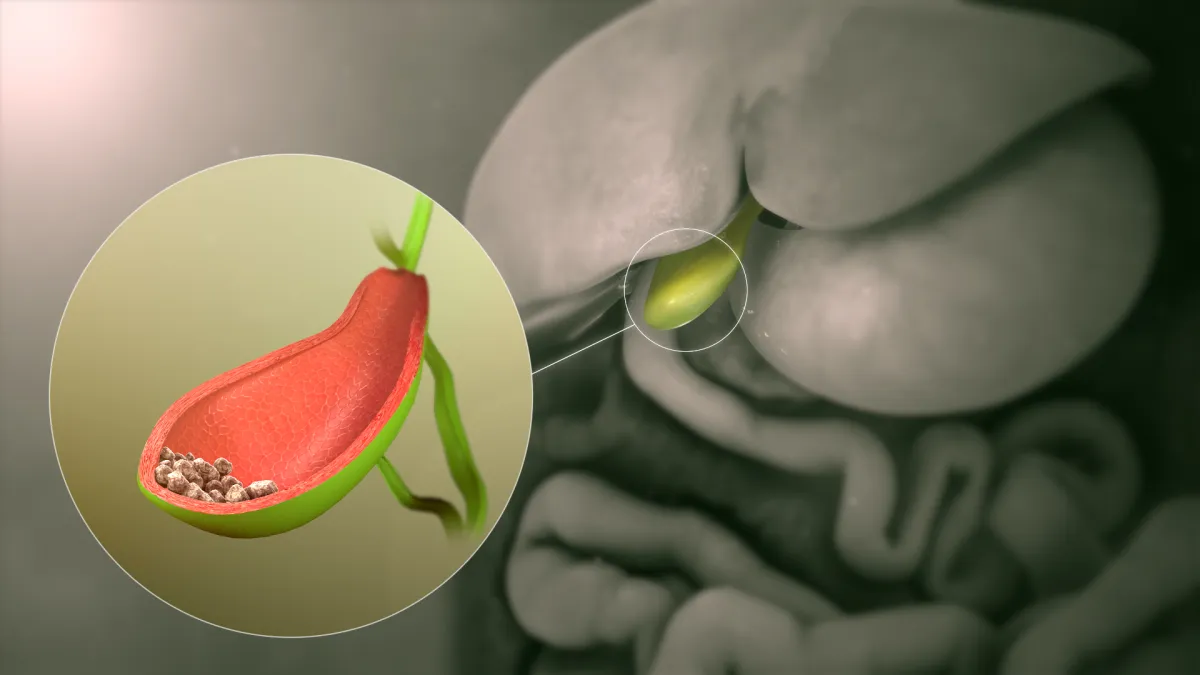
- Bitterness with upper right heaviness after fatty meals suggests a biliary problem.
- First steps: clean your tongue, stay hydrated, eat an early light dinner, raise the head of the bed.
- Jaundice, dark urine, weight loss or severe pain call for tests.
What a bitter taste means medically
A persistent change in taste is called dysgeusia. A bitter taste can be “phantom” (perceived with nothing in the mouth) or real, produced by fluid rising from the stomach or by compounds excreted in saliva. Loss of taste is a different problem, called ageusia, which we cover separately in our article on ageusia.
Causes of a bitter taste in the mouth
Gastroesophageal reflux
Acidic stomach contents rise into the esophagus and sometimes up to the throat, especially at night when lying down. The taste is more sour-bitter and comes with heartburn, belching, a dry cough or morning hoarseness. For heartburn, see also our heartburn remedies.
Bile reflux
Bile can flow back from the duodenum into the stomach and esophagus, causing an intensely bitter taste and sometimes yellow-green vomit. It is more common after stomach surgery or gallbladder removal. Unlike acid reflux, it responds less well to standard antacid medicines.
Gallbladder and liver problems
In biliary dyskinesia, chronic cholecystitis and gallstones, a bitter taste often appears after fatty meals together with upper right heaviness, bloating and nausea. Advanced liver disease can change taste and breath odour, but then there are other signs too: marked fatigue, jaundice, itching, swelling.
Oral hygiene and dry mouth
Plaque, gingivitis, cavities, poorly cleaned dentures and tongue coating produce compounds with an unpleasant taste and smell. Dry mouth (mouth breathing, dehydration, medicines, Sjögren’s syndrome) reduces the “rinsing” effect of saliva. If the problem comes with bad odour, see our article on bad breath.
Medicines and supplements
Many medicines can leave a bitter or metallic taste: some antibiotics (for example clarithromycin, metronidazole), some sleeping pills, blood pressure drugs, lithium, chemotherapy, as well as zinc, iron or multivitamin supplements. Do not stop a treatment without your doctor, but it is worth asking your doctor or pharmacist.
Other causes
- Pregnancy: hormonal changes alter taste, especially in the first trimester.
- Menopause: falling estrogen can cause dry mouth and a burning or bitter sensation.
- Smoking, including recently quitting.
- Respiratory infections and sinusitis, through secretions dripping down the throat.
- “Pine nut syndrome”: a bitter or metallic taste a few days after eating certain pine nuts, which resolves on its own within 1-2 weeks.
- Stress and anxiety, through dry mouth and reflux.
Table: clues that point to the cause
| When the bitter taste appears | What comes with it | Likely cause | First step |
|---|---|---|---|
| In the morning, clears after brushing | dry mouth, snoring | low saliva, night reflux | hydration, early dinner, tongue cleaning |
| After meals, especially fatty ones | upper right heaviness, bloating | gallbladder | small meals, ultrasound |
| At night or lying down | heartburn, cough, hoarseness | acid reflux | raised head, no late meals |
| Constant, with bitter vomiting | upper middle pain | bile reflux | gastroenterology review |
| Since starting a treatment | nothing else | medicine | talk to your doctor |
| With bleeding gums | bad odour | gingivitis | dentist, rigorous hygiene |
 Photo: Kurt Kaiser, CC0, via Wikimedia Commons
Natural remedies and practical measures
Complete oral hygiene
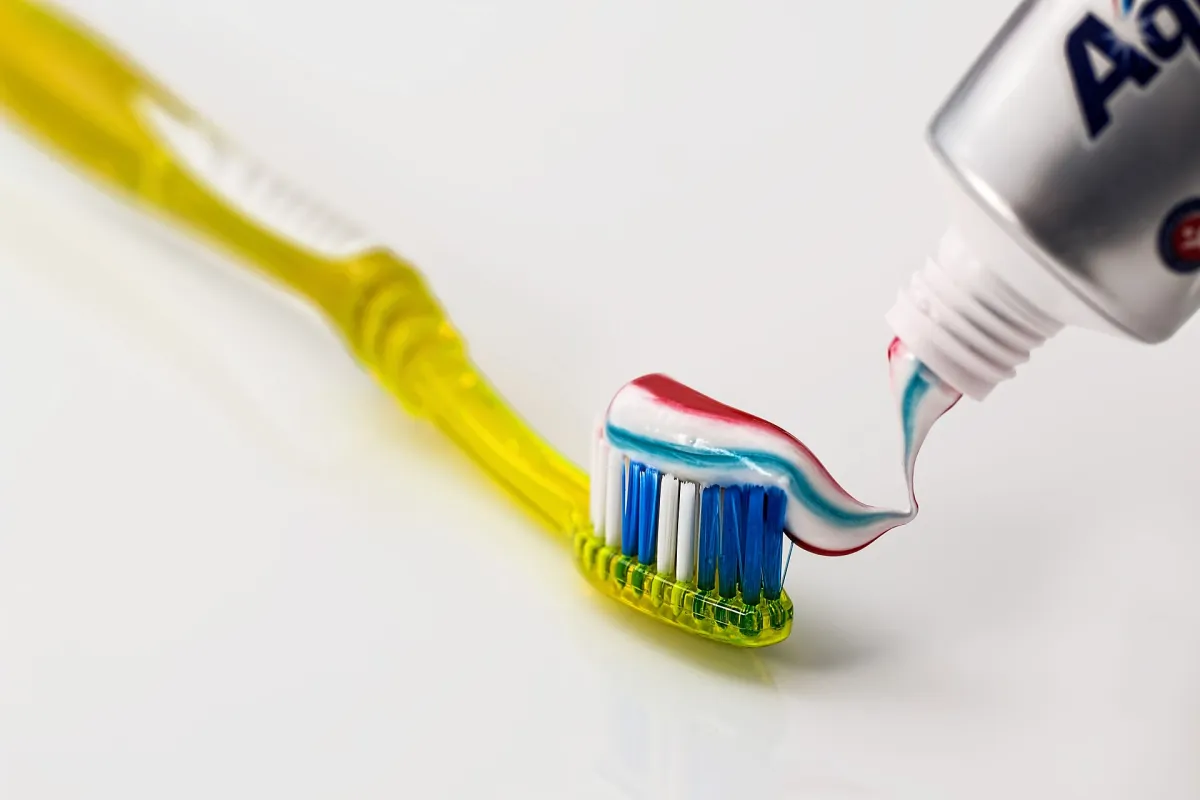
Brush twice a day, floss in the evening and clean your tongue with a scraper or toothbrush, back to front, 5-6 times. Many people get rid of the morning bitter taste simply by cleaning their tongue.
Hydration and saliva stimulation
Drink water steadily through the day. Sugar-free gum with xylitol, chewed for 10-15 minutes after meals, stimulates saliva. A slice of lemon held briefly in the mouth has the same effect, but avoid it if you have reflux or sensitive enamel.
Herbal rinses
- Chamomile: 1 tablespoon of flowers in 250 ml boiling water, 10 minutes, cooled; rinse 2-3 times a day. Soothing for irritated gums.
- Sage: 1 teaspoon of leaves in 250 ml water, 10 minutes; traditionally used for gums and the oral lining. For rinsing only, do not swallow large amounts.
- Baking soda water: half a teaspoon in a glass of lukewarm water neutralises acidity after a reflux episode.
Adjustments for reflux
- dinner at least 3 hours before bed;
- head of the bed raised by 15-20 cm (6-8 in), not just extra pillows;
- no alcohol, peppermint, chocolate, coffee or fatty food in the evening;
- a healthy weight and no tight clothing around the waist.
Supporting bile digestion
If the bitter taste appears after fatty meals and the ultrasound shows no stones, small regular meals and short courses of bitter herbs may help, such as artichoke tea or dandelion. Paradoxically, a “therapeutic” bitter taken before a meal can reduce bitterness after it by encouraging gallbladder emptying. Do not use choleretic herbs if you have gallstones.
Chamomile tea in the evening
A cup of chamomile 30-60 minutes before bed settles the stomach and may reduce mild reflux episodes in some people.
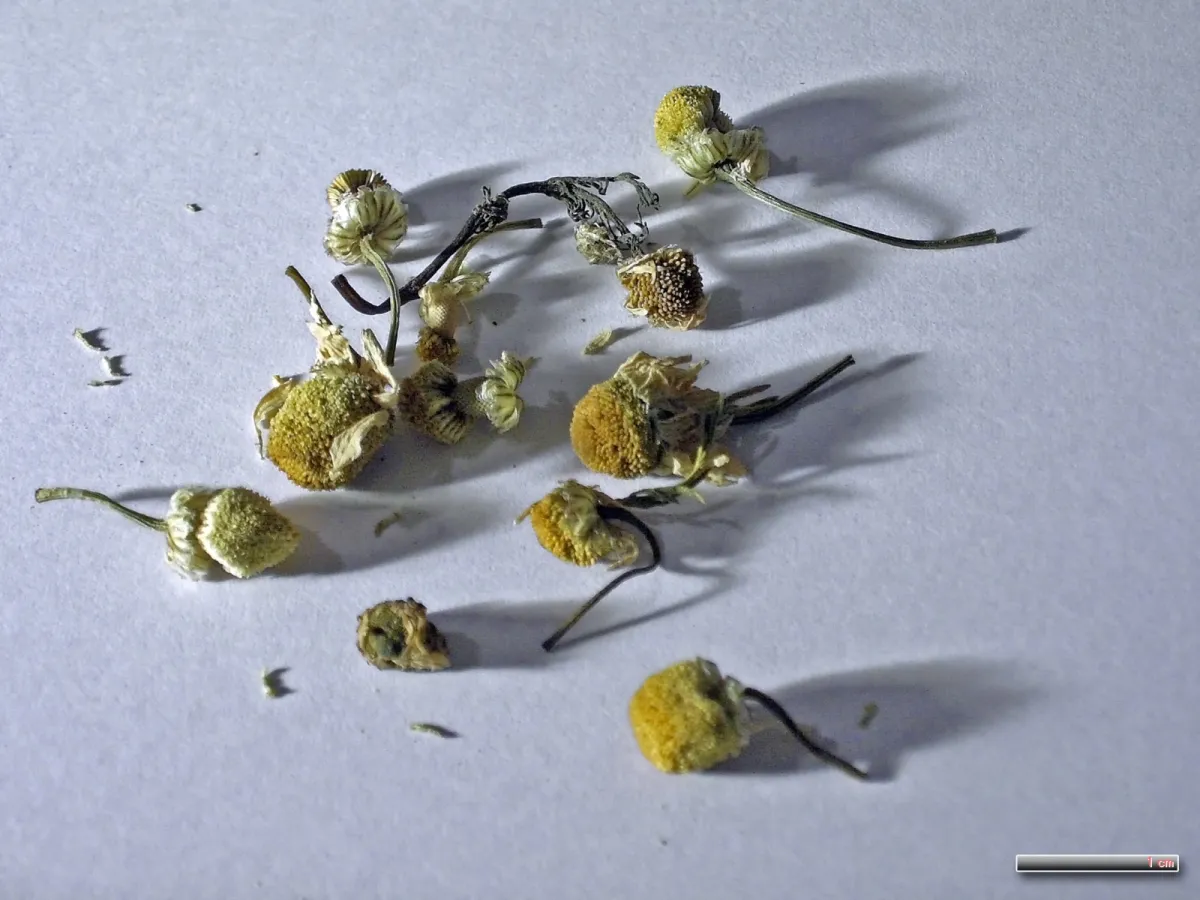 Photo: Rillke, CC BY-SA 3.0, via Wikimedia Commons
When tests are needed
See a doctor if the bitter taste persists for more than 2-3 weeks despite the measures above, or if it comes with:
- yellowing of the eyes or skin, dark urine, pale stools;
- pain in the upper right or upper middle abdomen;
- repeated vomiting, especially yellow-green;
- difficulty swallowing, weight loss;
- fever;
- taste changes after a head injury or with other neurological symptoms.
Your doctor may order liver tests (transaminases, bilirubin), blood sugar, an abdominal ultrasound, a dental or ENT review, or an upper endoscopy.
Common mistakes
- “I have a bitter taste, so my liver is sick.” The liver is a far rarer cause than reflux or dry mouth.
- “Detox” cures for a bitter taste. They do not treat the cause and can irritate the stomach.
- Overusing alcohol-based mouthwash. It dries the lining and can make the problem worse.
- Late meals followed by going straight to bed. The main driver of the morning bitter taste.
- Ignoring new medicines. A new taste that started with a treatment is worth reporting.
Conclusion
A bitter taste in the mouth is a symptom, not a diagnosis. Most of the time it resolves with rigorous oral hygiene, hydration, earlier and lighter dinners and reflux control. When it comes with discomfort after fatty meals, the gallbladder is worth checking; when it comes with jaundice, pain or weight loss, tests should not be delayed.
Frequently asked questions
Why do I have a bitter taste in my mouth in the morning? Most often because of reduced saliva during sleep, mouth breathing or night-time reflux. Tongue cleaning, hydration and an early dinner usually help.
Does a bitter taste in the mouth mean liver problems? Not necessarily. Liver disease can change taste, but there are usually other signs such as fatigue, jaundice or itching. Liver blood tests clarify the picture.
What quickly helps a bitter taste in the mouth? A glass of water, rinsing with baking soda water, cleaning your tongue or sugar-free gum. These ease the symptom, but if it keeps returning the cause needs to be found.
Can a bitter taste come from the gallbladder? Yes, especially when it appears after fatty meals together with upper right heaviness and bloating, or with bile reflux.
Is a bitter taste normal in pregnancy? Yes, it is common in the first trimester because of hormones. Small meals, hydration and oral hygiene help; if it comes with intense itching in the second half of pregnancy, tell your doctor.
Which medicines cause a bitter taste in the mouth? Some antibiotics, sleeping pills, blood pressure drugs, lithium, chemotherapy, as well as zinc or iron supplements. Your doctor or pharmacist can help identify the culprit.
How long does the bitter taste from pine nuts last? Usually from a few days to two weeks, after which it disappears completely without treatment.
Sources
- NHS: “Bad taste in mouth” and “Heartburn and acid reflux” (nhs.uk).
- MedlinePlus: “Taste - impaired” (U.S. National Library of Medicine).
- PubMed reviews on drug-induced dysgeusia.
- EMA/HMPC community herbal monographs on Matricariae flos and Salviae officinalis folium.
Informational content. It does not replace medical or dental advice.