 Photo: JoAnn Moravac, U.S. Army, Public domain, via Wikimedia Commons
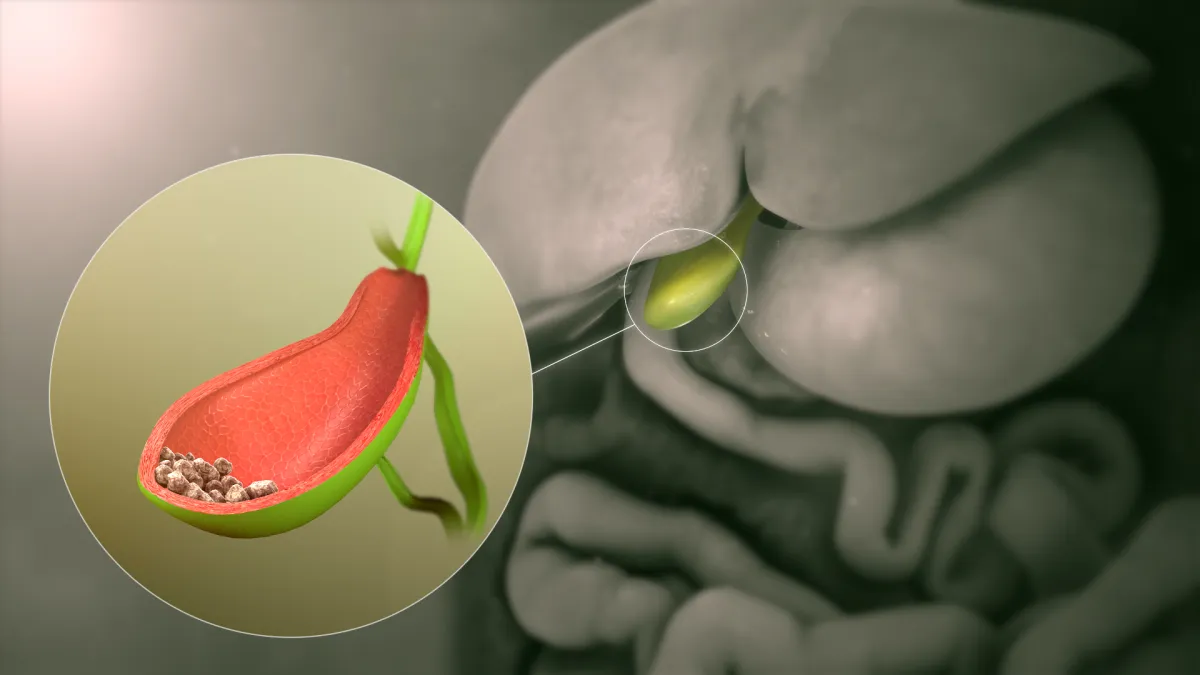
Cholecystitis is inflammation of the gallbladder, caused in the vast majority of cases by a stone blocking the cystic duct. The acute form shows up as constant pain in the upper right abdomen lasting more than 4-6 hours, fever, nausea and tenderness when pressed, and it is a medical emergency treated in hospital, not at home. The chronic form causes repeated episodes of discomfort after fatty meals. Natural remedies only play a role in prevention and recovery, alongside diet.
Key takeaways
- Over 90% of acute cholecystitis cases occur in people with gallstones.
- Constant upper right pain with fever that does not settle within a few hours means an emergency.
- Acute treatment: nothing by mouth, IV fluids, antibiotics if needed and, usually, cholecystectomy.
- Chronic cholecystitis is managed with a low-fat diet and a surgical assessment.
- Strong choleretic herbs are contraindicated in cholecystitis with stones.
- Gentle teas (chamomile, peppermint) can help digestive comfort between attacks.
What cholecystitis is
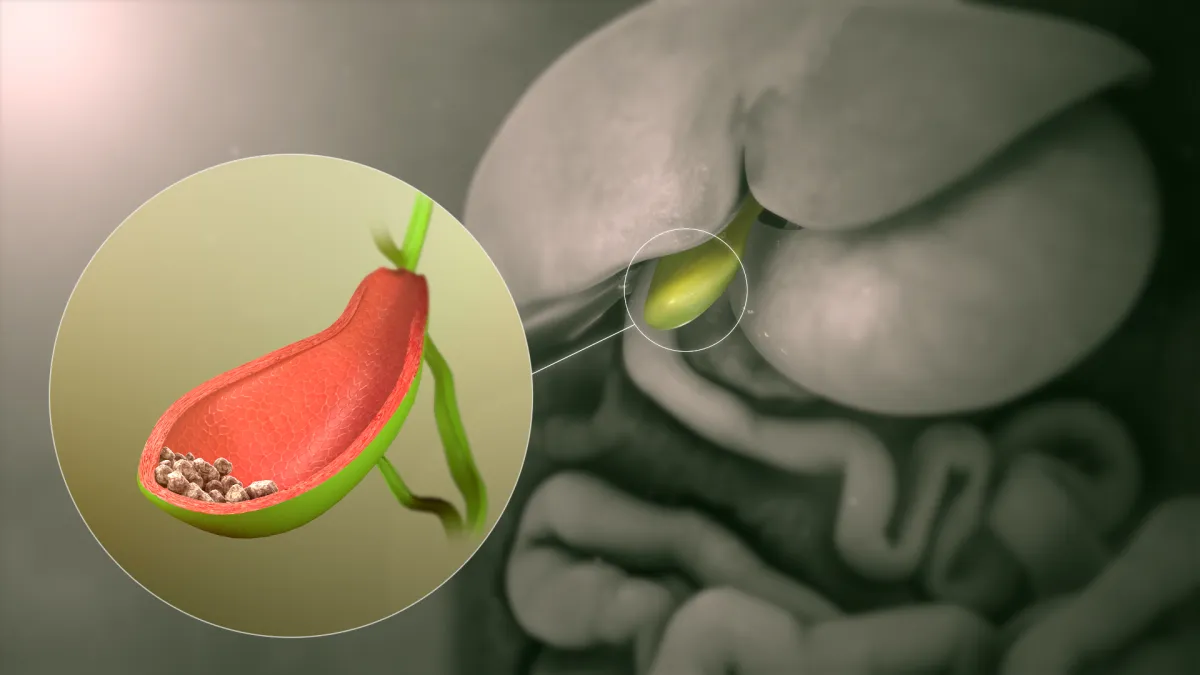
The gallbladder stores bile between meals. When a stone lodges in the cystic duct, bile stagnates, the gallbladder wall stretches and becomes inflamed, and sometimes gut bacteria cause a secondary infection. This is acute calculous cholecystitis, the most common form.
There is also acute acalculous cholecystitis (without stones), which is rarer and seen in very sick patients, for example in intensive care, after burns or major trauma. Chronic cholecystitis results from repeated mild inflammation that thickens and scars the gallbladder wall.
Symptoms of cholecystitis
Acute cholecystitis
- pain in the upper right abdomen or upper middle abdomen, constant, for more than 4-6 hours (unlike biliary colic, which usually settles within a few hours);
- pain spreading to the right shoulder or between the shoulder blades;
- fever, chills;
- nausea and vomiting;
- pain that catches on deep breathing when the doctor presses under the ribs (Murphy’s sign);
- sometimes mild jaundice.
Chronic cholecystitis
- discomfort or dull pain in the upper right abdomen after fatty meals;
- bloating, belching, nausea;
- a bitter taste in the mouth;
- intolerance of fried food, eggs, chocolate, cream.
Causes and risk factors
- gallstones (the main factor); see gallstones;
- biliary sludge, which can progress to stones;
- female sex, age over 40, multiple pregnancies;
- obesity and rapid weight loss (crash diets, bariatric surgery);
- diabetes;
- prolonged intravenous feeding, critical illness (for the acalculous form).
How it is diagnosed
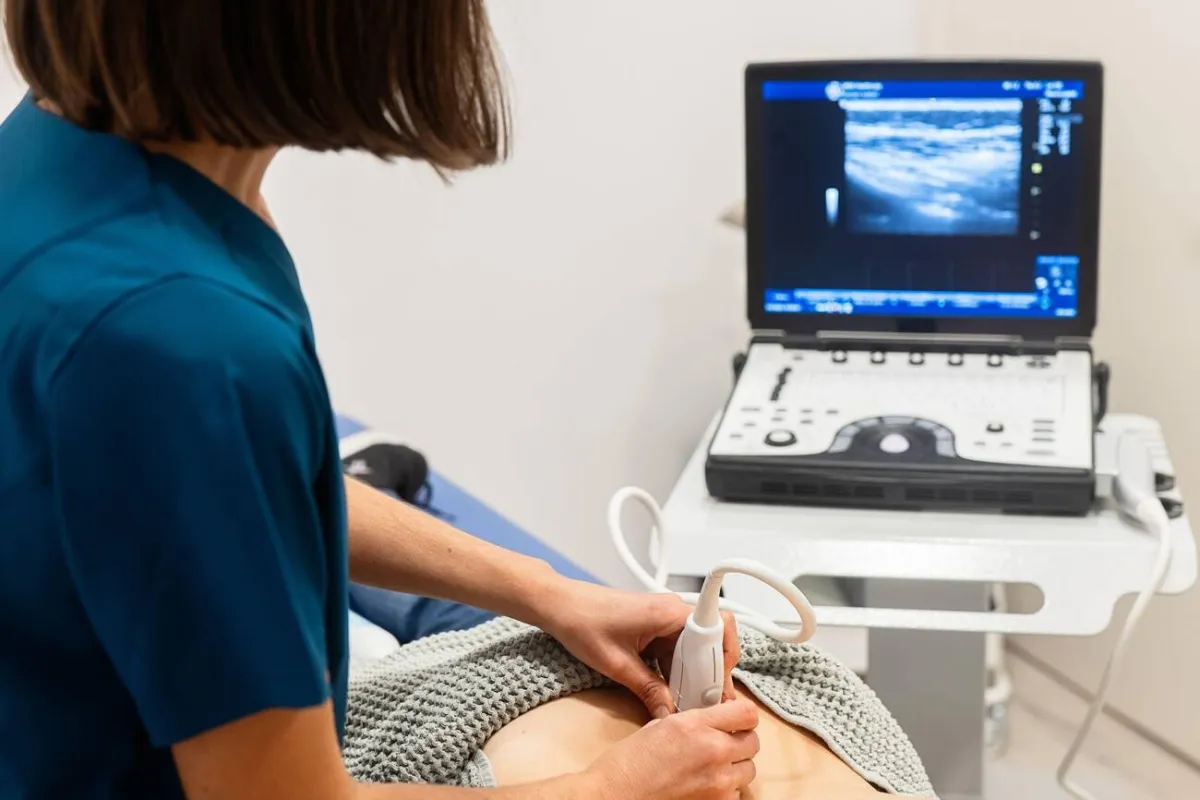
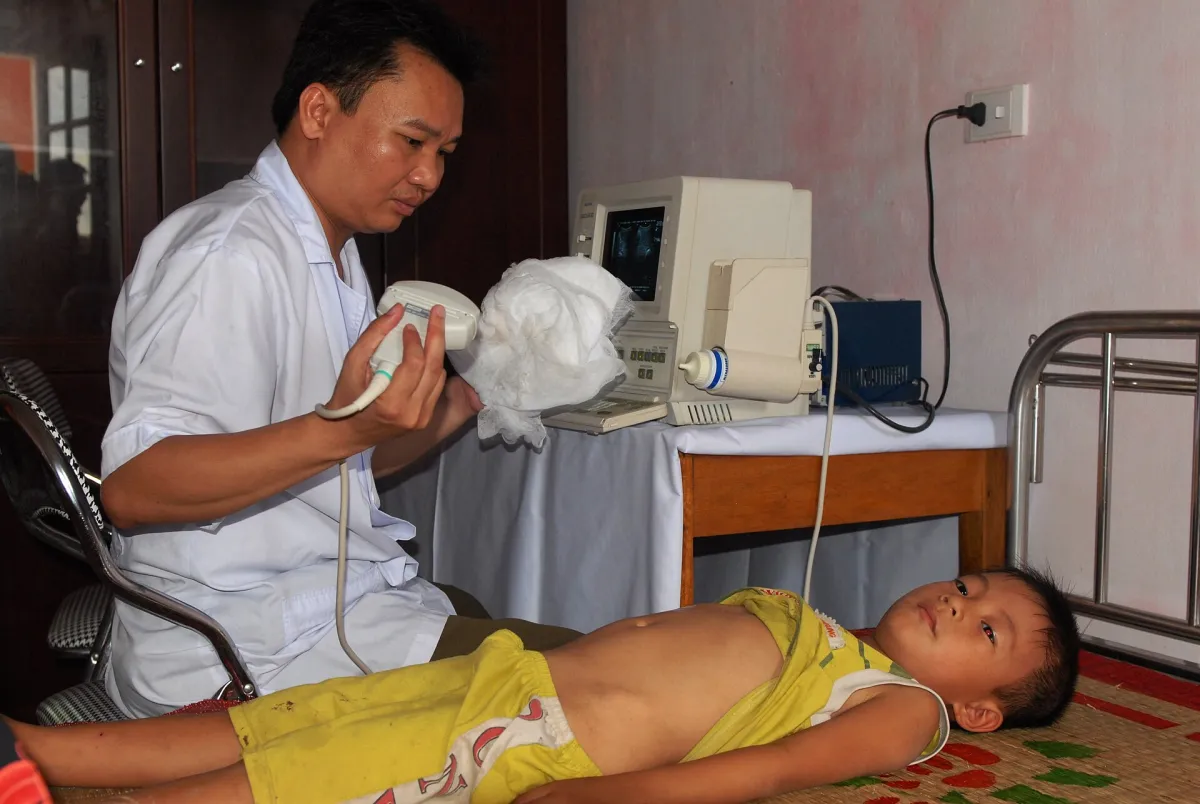
Diagnosis combines clinical signs, blood tests (raised white cell count, C-reactive protein, sometimes abnormal transaminases and bilirubin) and imaging. Abdominal ultrasound is the first-line test: it shows stones, a thickened gallbladder wall and fluid around it. The Tokyo Guidelines 2018 (TG18), used internationally, grade severity as mild, moderate or severe, and this grading guides the timing and type of treatment.
Medical treatment
- Acute cholecystitis: hospital admission, temporary fasting, intravenous fluids, painkillers, antibiotics when infection is suspected. Guidelines recommend laparoscopic cholecystectomy, ideally early, within the first days, for patients who can tolerate it. In high-risk patients, percutaneous drainage may be used.
- Chronic cholecystitis with stones and symptoms: planned cholecystectomy.
- Complications (gangrene, perforation, abscess, cholangitis, pancreatitis): emergency treatment.
No natural treatment replaces these measures. Untreated acute cholecystitis can lead to gallbladder perforation and peritonitis.
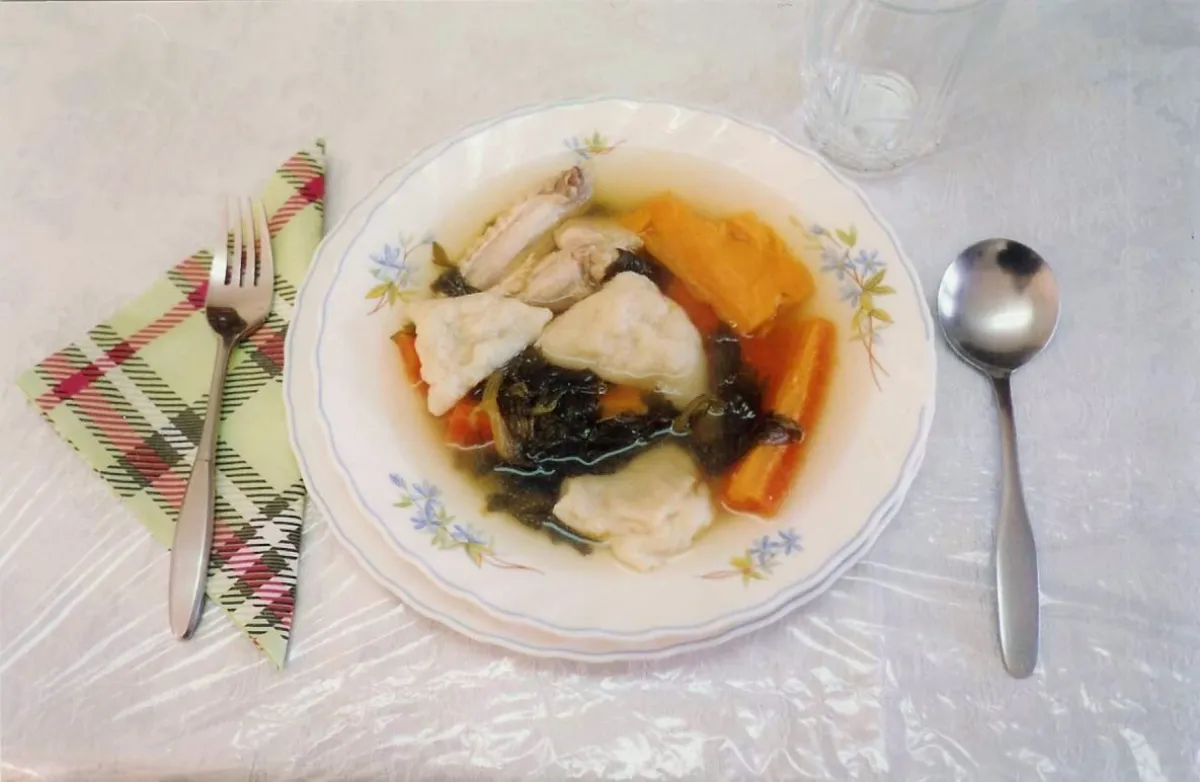 Photo: Yoninah, CC BY 2.5, via Wikimedia Commons
Diet for cholecystitis
During and right after an acute attack
Follow the hospital’s instructions: eating resumes with clear fluids (water, tea, strained broth), then soft, low-fat foods in small amounts.
In chronic cholecystitis or while waiting for surgery
- 5 small meals a day at regular times;
- low total fat, no fried food, roux, cured meats, cream or lots of butter;
- lean protein: chicken, turkey, white fish, egg white, cottage cheese;
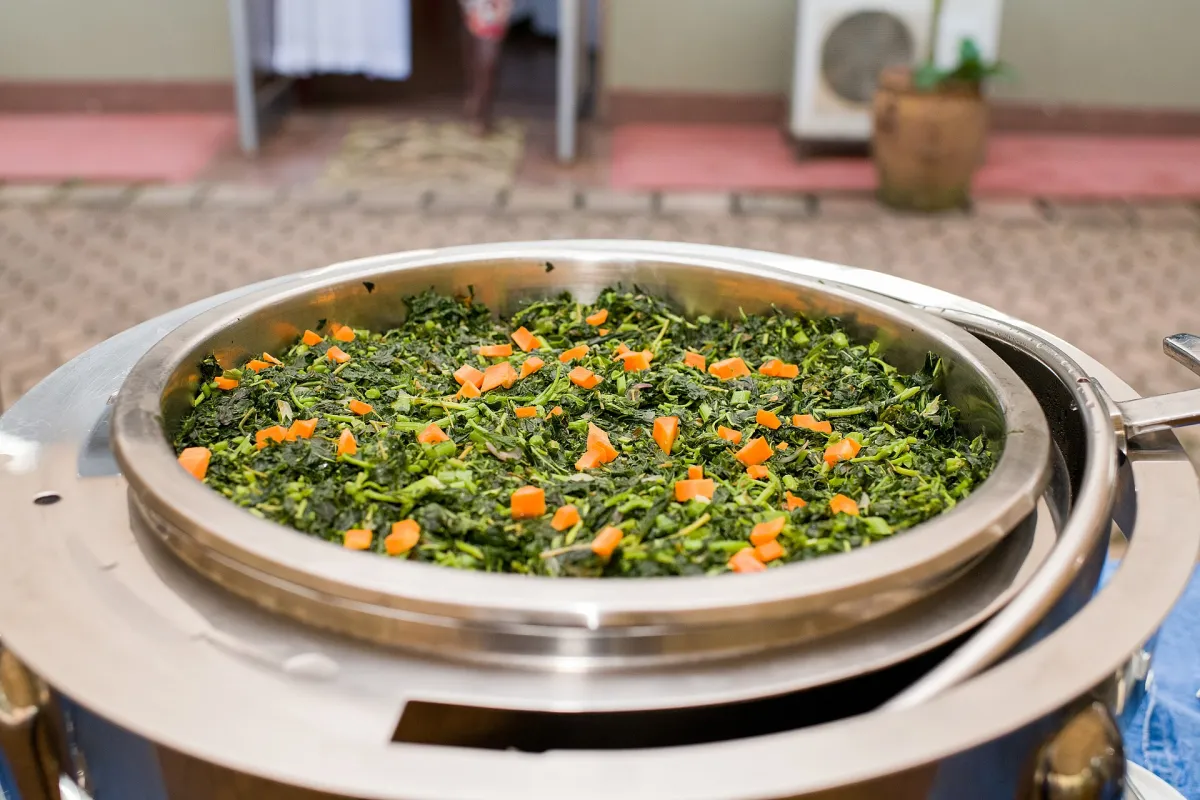
- cooked vegetables: carrots, zucchini, potatoes, green beans, beetroot;
- baked or sweet fruit: baked apples and pears, bananas;
- grains: rice, oats, semolina, plain pasta;
- avoid large evening meals and alcohol.
After surgery, follow the steps in our article on the diet after gallbladder removal.
Table: acute vs. chronic cholecystitis vs. biliary colic
| Feature | Biliary colic | Acute cholecystitis | Chronic cholecystitis |
|---|---|---|---|
| Pain duration | usually under 4-6 hours | over 4-6 hours, constant | recurrent discomfort |
| Fever | no | common | usually no |
| Blood tests | usually normal | raised inflammation | often normal |
| Where it is treated | home/outpatient, with assessment | hospital | outpatient, planned surgery |
| Role of herbs | none during an attack | none during an attack | digestive comfort only, with caution |
The role of natural remedies
What may help (between attacks)
- Chamomile tea: 1 tablespoon of flowers in 250 ml boiling water, 10 minutes, 2-3 times a day. Mildly antispasmodic and soothing for the digestive tract. See chamomile tea.
- Peppermint tea: after meals, for bloating and cramps, if you do not have reflux.
- Ginger: for nausea, 3-4 slices simmered for 5 minutes in 300 ml water; see also remedies for nausea.
- Turmeric in cooking: a pinch in soups and stews; as a concentrated supplement, not without a doctor if you have stones, because it stimulates gallbladder contraction.
What not to do
- Olive oil and lemon “flushes” to expel stones: they can trigger colic or move a stone.
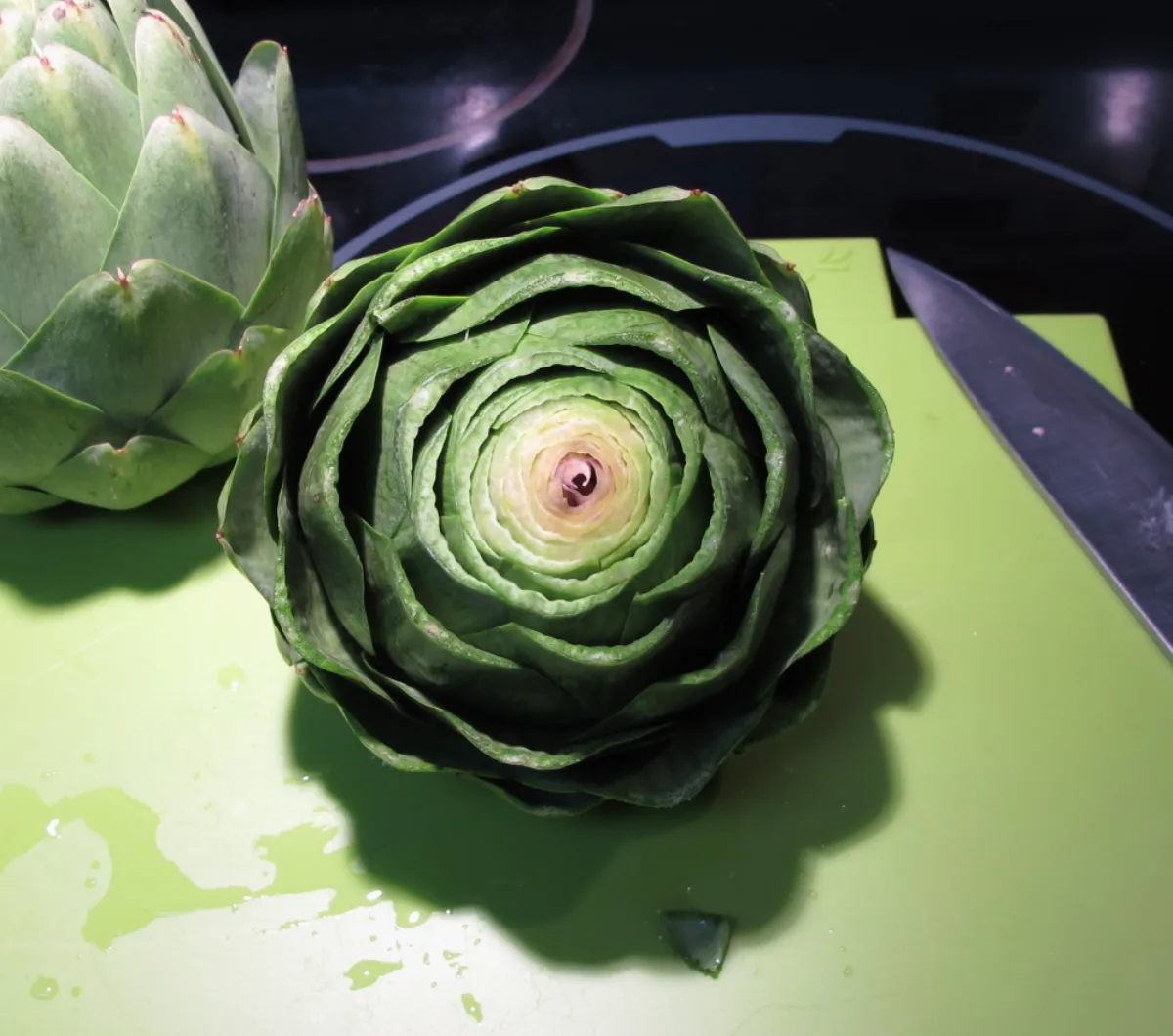
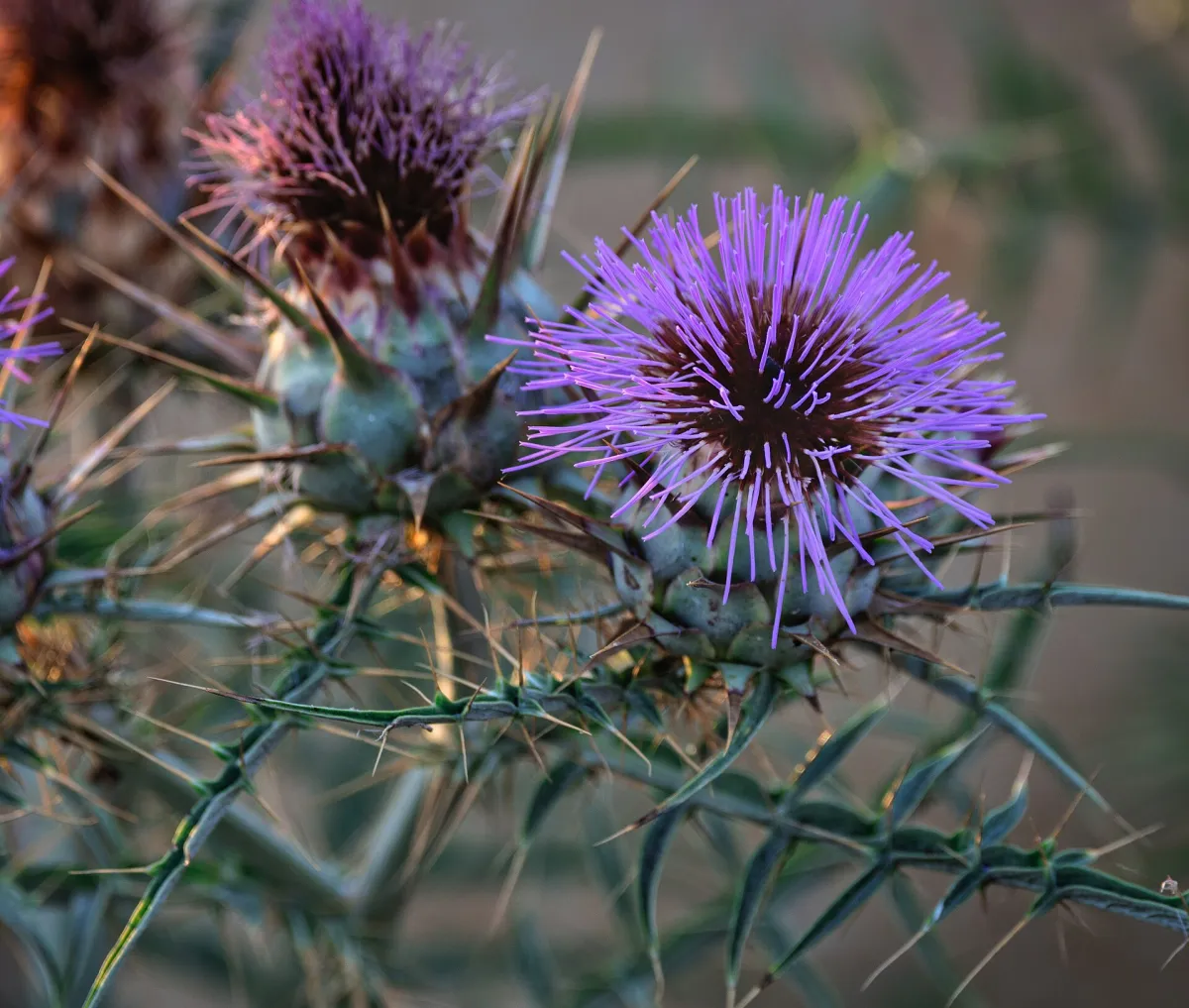
- Strong choleretic herbs (artichoke, high-dose dandelion, black radish, greater celandine) when stones are present.
- Hot compresses during an acute attack with fever: they can mask the course and do not treat inflammation.
- Delaying care in the hope that “tea will fix it”.
Red flags
Call emergency services or go to the emergency department if you have:
- severe, constant abdominal pain lasting more than 4-6 hours;
- fever above 38 °C (100.4 °F) with upper right pain;
- yellowing of the skin or eyes;
- vomiting that will not stop;
- confusion, low blood pressure, a fast pulse (signs of severe infection);
- pain radiating straight through to the back (possible pancreatitis).
Preventing cholecystitis
The most effective prevention is preventing gallstones. A few measures have consistent support from observational studies and guidelines:
- Stable weight. Losing weight is beneficial, but the pace matters: losing more than about 1.5 kg (3 lb) a week raises the risk of stones, because the liver secretes more cholesterol into bile.
- Regular meals with a little fat at each. The gallbladder empties periodically and bile does not stagnate. Very long fasts have the opposite effect.
- Physical activity. At least 150 minutes of moderate exercise a week is associated with a lower risk of symptomatic gallbladder disease.
- Fiber and unsaturated fats. A Mediterranean-style diet rich in vegetables, legumes, whole grains, nuts and olive oil is associated with a lower risk of stones than one high in refined sugar and saturated fat.
- Control of diabetes and triglycerides. Both influence the composition of bile.
If you already know you have silent gallstones, ask your doctor which signs to watch for. Guidelines generally do not recommend surgery for stones without symptoms, but the first painful episode changes the conversation.
Common mistakes
- Taking antibiotics from home without a diagnosis: they can mask symptoms and delay correct treatment.
- Repeated strong painkillers for “the gallbladder” without assessment.
- Refusing surgery after several attacks: the risk of complications rises with each episode.
- Prolonged total fasting at home: it encourages bile stasis and weakness.
- Mistaking it for stomach pain: cholecystitis can start in the upper middle abdomen.
Conclusion
Acute cholecystitis is a surgical emergency and belongs in hospital. Chronic cholecystitis is managed with a low-fat diet, regular meals and a conversation with a surgeon about the timing of an operation. Gentle herbs can bring digestive comfort between episodes, but they do not dissolve stones or treat inflammation. Prevention remains the best strategy: stable weight, regular meals and daily exercise.
Frequently asked questions
Can cholecystitis be treated without surgery? A mild acute episode can be treated medically, but guidelines usually recommend cholecystectomy because recurrences are common when stones are present.
How long does a cholecystitis attack last? Pain in acute cholecystitis typically lasts more than 4-6 hours and does not settle without treatment. Any pain like this needs same-day medical review.
What should I not eat with cholecystitis? Fried food, cured meats, fatty meat, cream, lots of butter, mayonnaise, chocolate, pastries, alcohol and large meals, especially in the evening.
Does tea help cholecystitis? Gentle teas (chamomile, peppermint) can ease bloating and cramps between episodes. They do not treat acute cholecystitis.
Does cholecystitis cause fever? Yes, fever is common in acute cholecystitis and signals inflammation or infection. Fever with upper right pain needs urgent assessment.
Can I get cholecystitis without stones? Yes, the acalculous form, but it is rare and occurs mostly in seriously ill hospital patients.
Which tests are done for cholecystitis? Full blood count, C-reactive protein, transaminases, bilirubin, alkaline phosphatase, amylase or lipase, plus an abdominal ultrasound.
Sources
- Tokyo Guidelines 2018 (TG18): diagnostic criteria and severity grading of acute cholecystitis.
- EASL Clinical Practice Guidelines on the prevention, diagnosis and treatment of gallstones (2016).
- NHS: “Acute cholecystitis” (nhs.uk).
- EMA/HMPC community herbal monograph on Matricariae flos (chamomile).
Informational content. Acute cholecystitis is a medical emergency; this article does not replace medical care.