 Photo: Joekyabby1, CC BY-SA 4.0, via Wikimedia Commons
After gallbladder removal (cholecystectomy), eating is resumed gradually: small, low-fat meals in the first days, then a progressive return of healthy fats over 4 to 8 weeks. There is no mandatory “lifelong diet” for everyone: most people end up eating almost normally, as long as they avoid very fatty, oversized meals. Below you will find the stages, the foods to avoid, a concrete menu and the signs that call for medical attention.
Key takeaways
- Without a gallbladder, bile trickles into the gut continuously in small amounts instead of being released “on demand” after a meal.
- First 1-2 weeks: 5-6 small meals, little fat, food boiled, baked or steamed.
- Fats come back gradually, about one teaspoon of oil per meal, while you watch your tolerance.
- Soluble fiber (oats, psyllium, baked apples) helps if stools become loose.
- Fried food, fatty cured meats, sour cream and huge meals are the main triggers of discomfort.
- Fever, jaundice or severe pain after surgery are not “diet problems”: see a doctor.
What changes in digestion after the gallbladder is removed
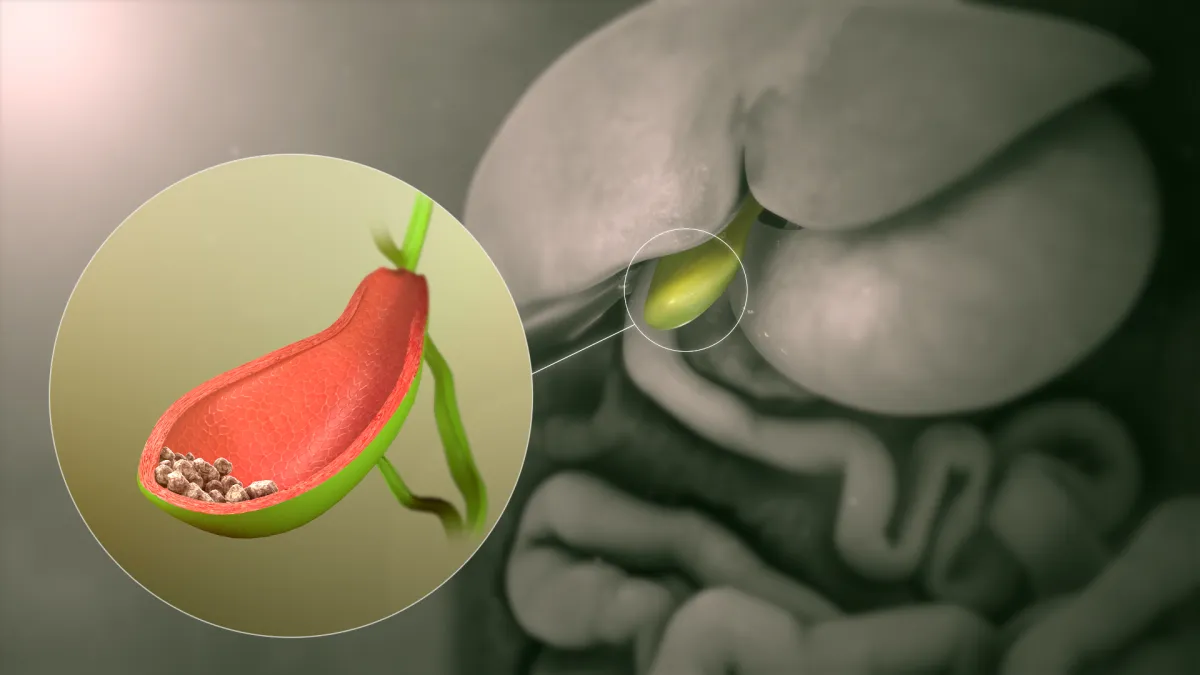
The gallbladder does not make bile. Bile is produced by the liver; the gallbladder simply stores and concentrates it between meals, then squeezes out a large dose when fat reaches the duodenum. After cholecystectomy, the liver keeps producing the same bile, but it now drains continuously, more dilute, straight into the intestine.
There are two practical consequences. First, a very fatty meal no longer has a concentrated “reserve” of bile to emulsify it quickly, so bloating, nausea or loose stools may follow. Second, bile that reaches the colon without being fully reabsorbed can irritate the lining and speed up transit. Hence the classic advice: smaller meals, with fat spread across the day rather than packed into a single sitting.
The good news is that the body adapts. The bile ducts and the intestine adjust over weeks to months, and follow-up studies show that most patients no longer have significant digestive symptoms a few months after surgery. For those who keep having problems, we have a separate article on post-cholecystectomy syndrome.
The stages of the post-cholecystectomy diet
Surgery day and the first 2-3 days
Laparoscopic surgery usually allows eating to resume on the same day or the next, as your surgeon advises. Start with clear fluids: water, unsweetened chamomile or linden tea, strained clear vegetable broth, lightly sweetened stewed fruit juice. If these are well tolerated, move on to soft, low-fat foods: mashed potatoes made with the cooking water, boiled rice, semolina with skimmed milk, low-fat yogurt, toast.
Weeks 1-2
This is the most important period for comfort. The basic rule: 5-6 small meals a day at regular times, with a reduced total fat intake (roughly under 40-50 g a day). Food is boiled, braised, baked in foil or steamed. Lean meat (skinless chicken breast, turkey, white fish), boiled eggs, cottage cheese, cooked vegetables and simple grains are the backbone.
Weeks 3-8: bringing fats back
Now the testing begins. Add one fat source at a time: a teaspoon of raw olive oil over vegetables, half an avocado, a few walnuts, oily fish (salmon, mackerel) once a week. Note how you feel 2-6 hours after the meal. If a food repeatedly causes bloating or diarrhea, drop it for two weeks and try again in a smaller amount.
After 2 months
Most people return to a normal, balanced, Mediterranean-style diet. Moderation still applies: one grilled sausage at a barbecue is usually fine, but a plate of fatty stew with sour cream followed by a cream cake can cause discomfort even a year after surgery.
Table: what to eat and what to avoid after gallbladder surgery
| Group | Recommended | In moderation | Avoid in the first weeks |
|---|---|---|---|
| Meat and fish | chicken breast, turkey, white fish, tuna in water | lean beef, salmon | fatty pork, sausages, bacon |
| Dairy | low-fat yogurt, cottage cheese, 1.5% milk | rinsed feta, a little hard cheese | sour cream, lots of butter, full-fat cheeses |
| Grains | oats, rice, plain pasta, light wholemeal bread | wholegrain bread (gradually) | pastries, puff pastry, doughnuts |
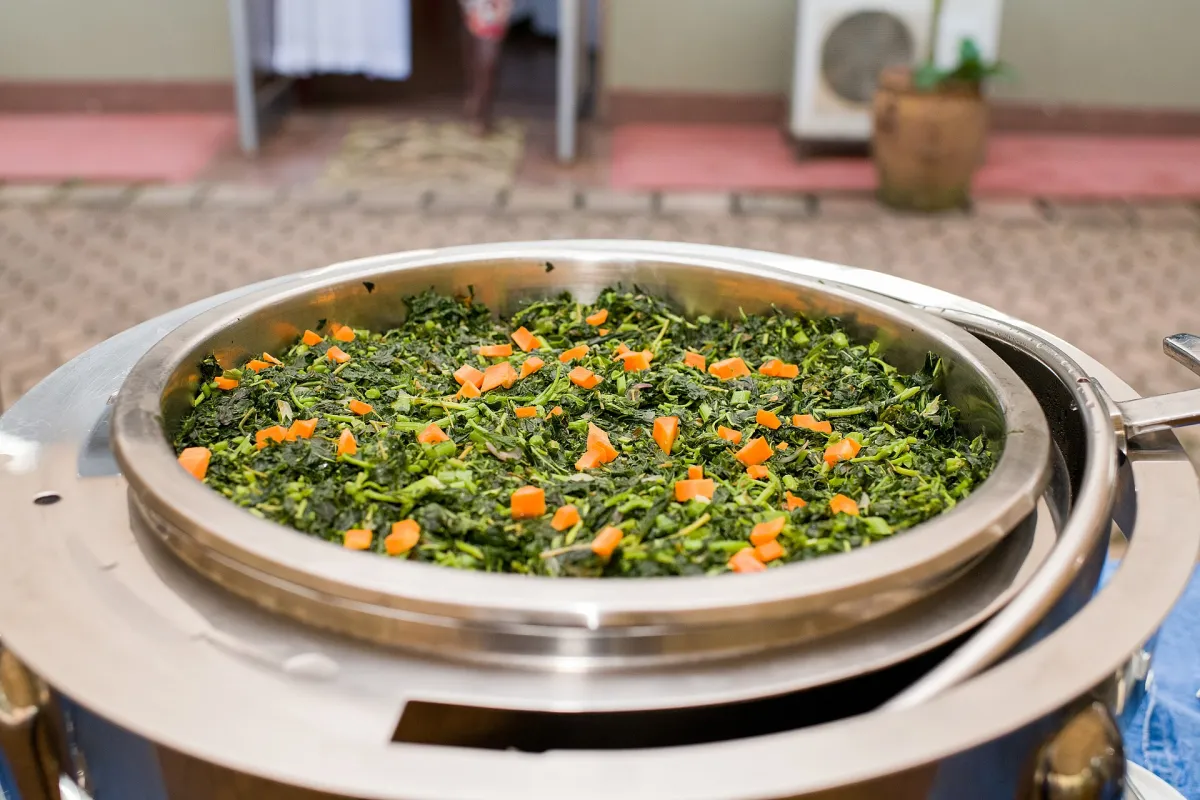
| Vegetables | carrot, zucchini, potato, beetroot, green beans, cooked | tomatoes, roasted peppers | fried onion, cabbage, dried beans, lots of pickles |
| Fruit | baked apples and pears, bananas, peaches | citrus, grapes | very sour fruit on an empty stomach |
| Fats | 1-2 tsp raw olive oil per meal | nuts, seeds, avocado | fried food, mayonnaise, lard, roux-thickened sauces |
| Drinks | water, herbal teas, clear soups | weak coffee, after a meal | alcohol, fizzy drinks, strong coffee on an empty stomach |
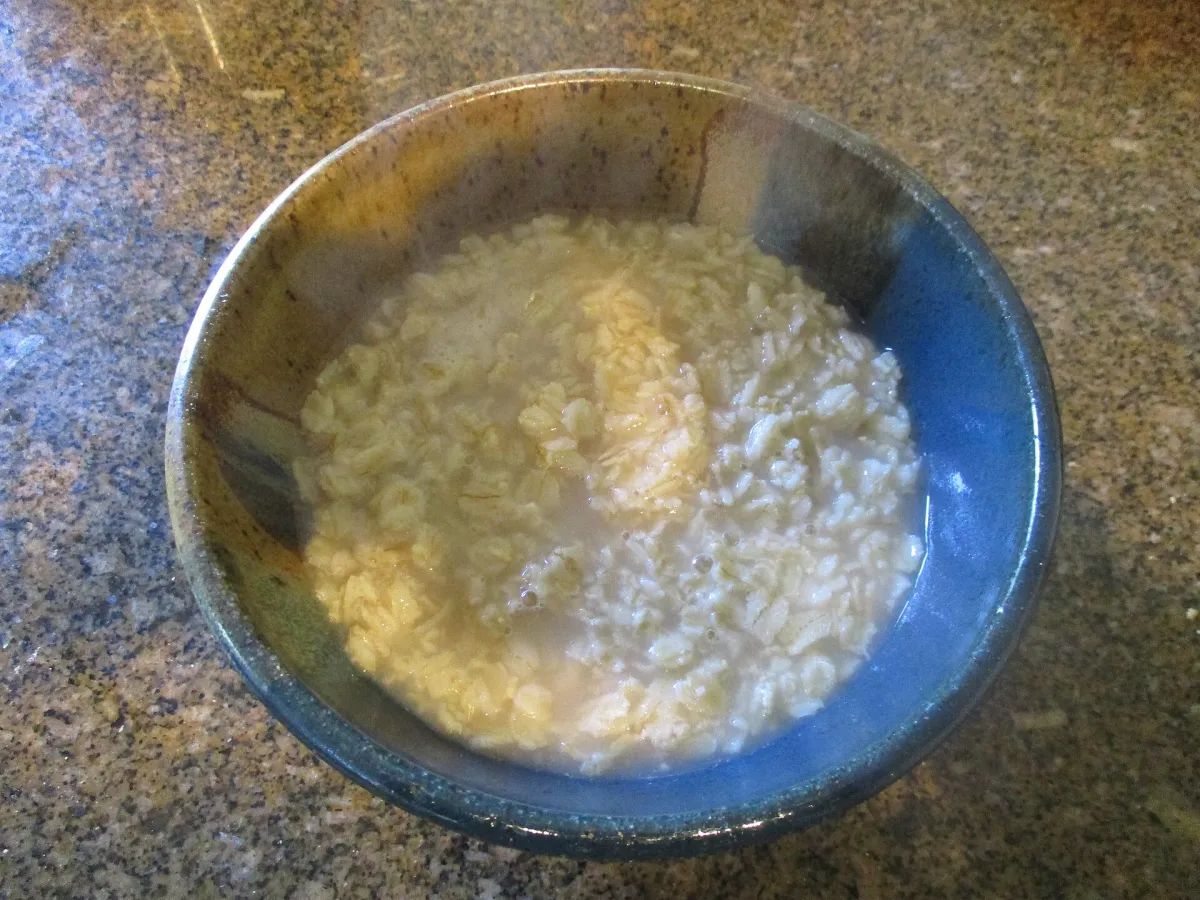 Photo: Bodhi Peace, CC BY-SA 4.0, via Wikimedia Commons
The role of fiber after cholecystectomy
Soluble fiber forms a gel in the gut that binds some of the bile acids and slows transit. That is why oatmeal, baked apples, cooked carrots and psyllium husk are often very helpful for people with loose stools after surgery. You can read more about oats in our dedicated article on oats.
Insoluble fiber (wheat bran, raw cabbage, dried legumes) is introduced later and gradually, because it can make bloating worse. Raising fiber abruptly from one day to the next is a common mistake: increase it by 3-5 g a week and drink enough water (about 30 ml per kg of body weight per day, unless your doctor has advised otherwise).
Sample one-day menu (week 2-3)
- Breakfast (8:00): porridge from 40 g oat flakes cooked in 250 ml 1.5% milk, with a small sliced banana.
- Snack (10:30): a baked apple with cinnamon, no added sugar.
- Lunch (13:00): vegetable soup (carrot, parsnip, zucchini), 120 g boiled chicken breast, 150 g boiled rice with a teaspoon of olive oil stirred in at the end.
- Snack (16:00): 150 g low-fat yogurt with a tablespoon of oat flakes.
- Dinner (19:00): 150 g white fish fillet baked in foil, with boiled potatoes and green beans, a squeeze of lemon.
- Evening, if needed: a cup of chamomile tea.
Portions are approximate. People with diabetes, kidney disease or other special diets should adapt the menu with their doctor or dietitian.
Herbs and natural remedies: what makes sense and what does not
Herbal medicine cannot “replace” the gallbladder, but a few gentle plants can help digestive comfort:
- Chamomile tea is well tolerated, mildly antispasmodic and soothing for bloating.
- Fennel tea helps with gas. Infusion: 1 teaspoon of lightly crushed seeds in 250 ml boiling water, 10 minutes.
- Peppermint may ease cramps, but in some people it worsens reflux; test it cautiously.
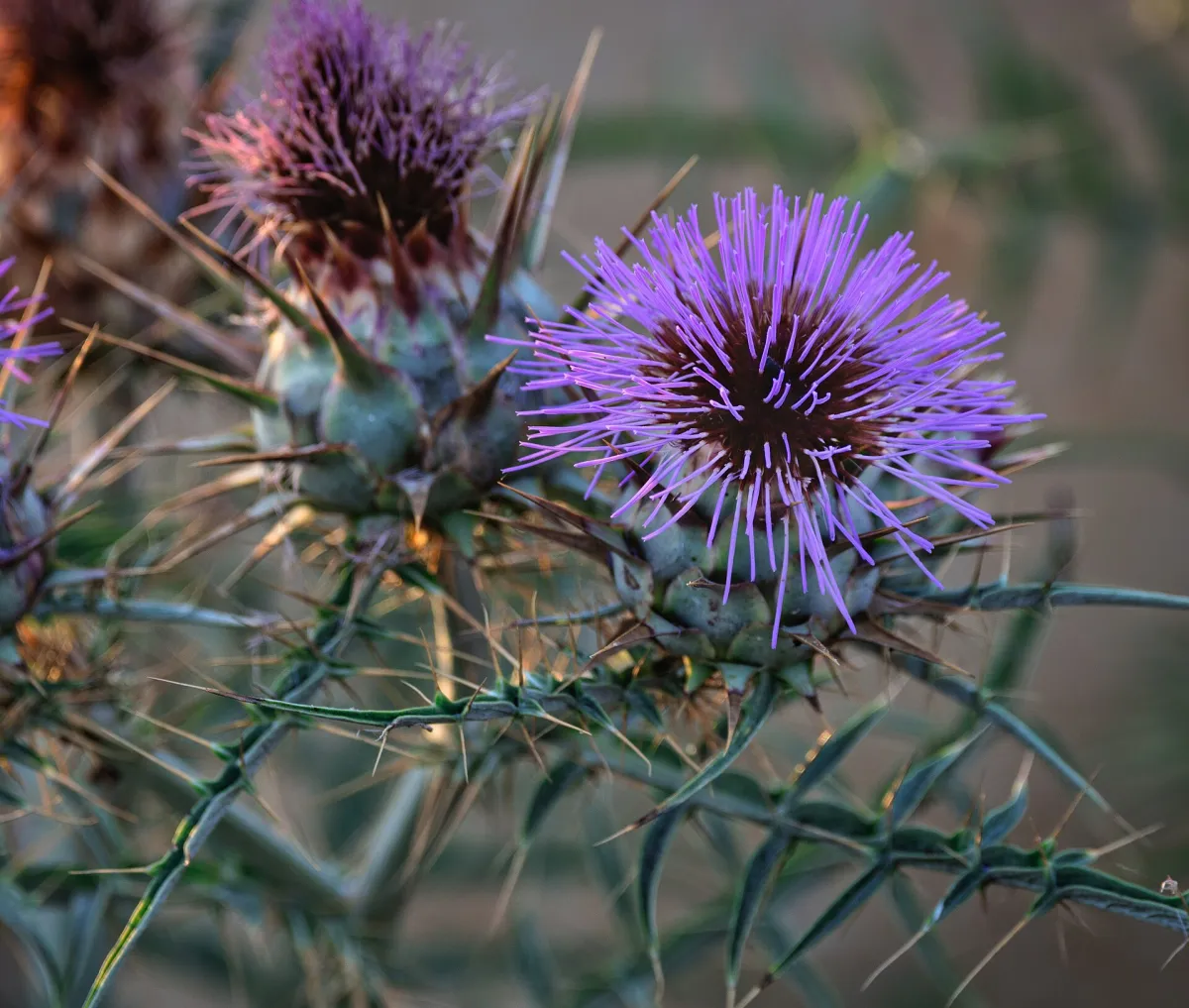
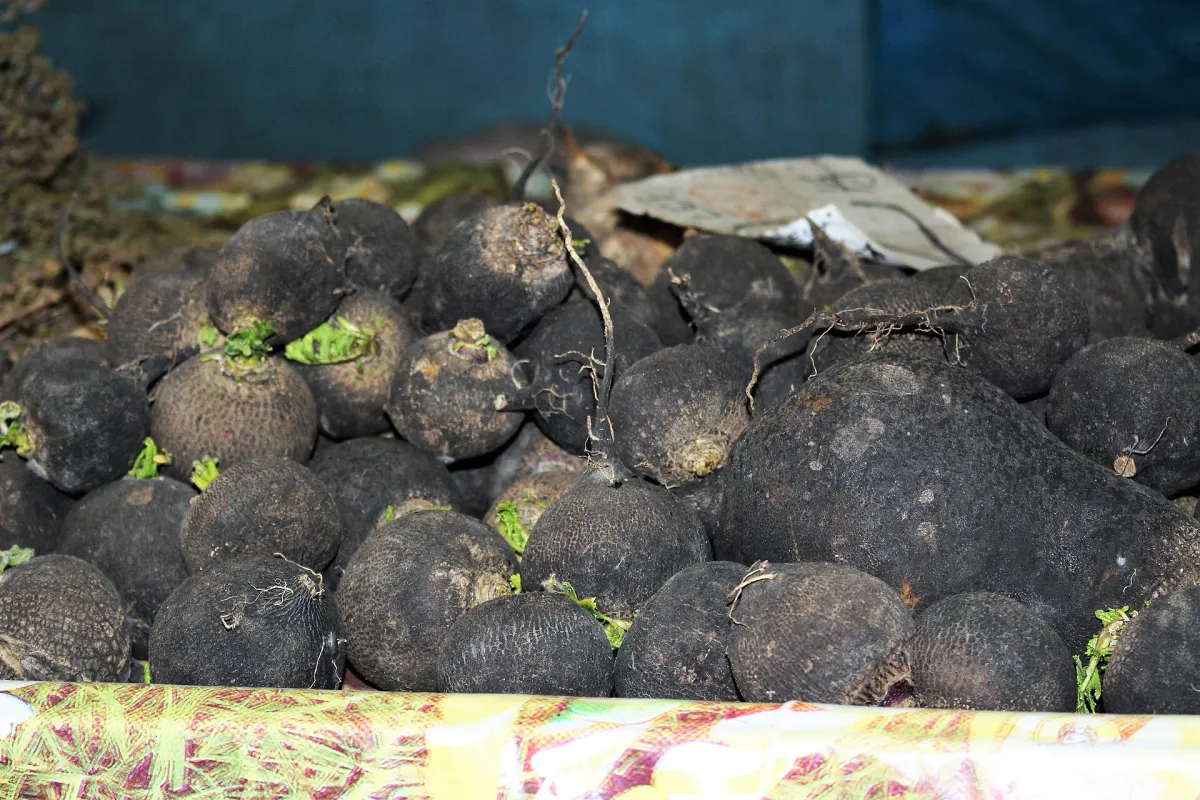
- Strong choleretic herbs (artichoke, dandelion, milk thistle, black radish) are not needed right after surgery. Some people use them later to help digest fat, but without a gallbladder there is no “cholagogue” effect left, and stimulating bile secretion can worsen loose stools. If you want to try artichoke leaf, wait at least 6-8 weeks, start low and stop if diarrhea appears.
“Bile salt” supplements or digestive enzymes should only be taken on medical advice, after an assessment.
When it is no longer about diet: red flags
Contact your surgeon or go to the emergency department if, after surgery, you develop:
- fever above 38 °C (100.4 °F) or chills;
- yellowing of the skin or eyes, very dark urine, pale stools;
- severe, worsening abdominal pain that does not respond to prescribed painkillers;
- repeated vomiting or inability to keep fluids down;
- redness, warmth or discharge at the incisions;
- bloody diarrhea or more than 6-8 stools a day.
These can indicate a complication (bile leak, a stone left in the common bile duct, infection) and need prompt assessment.
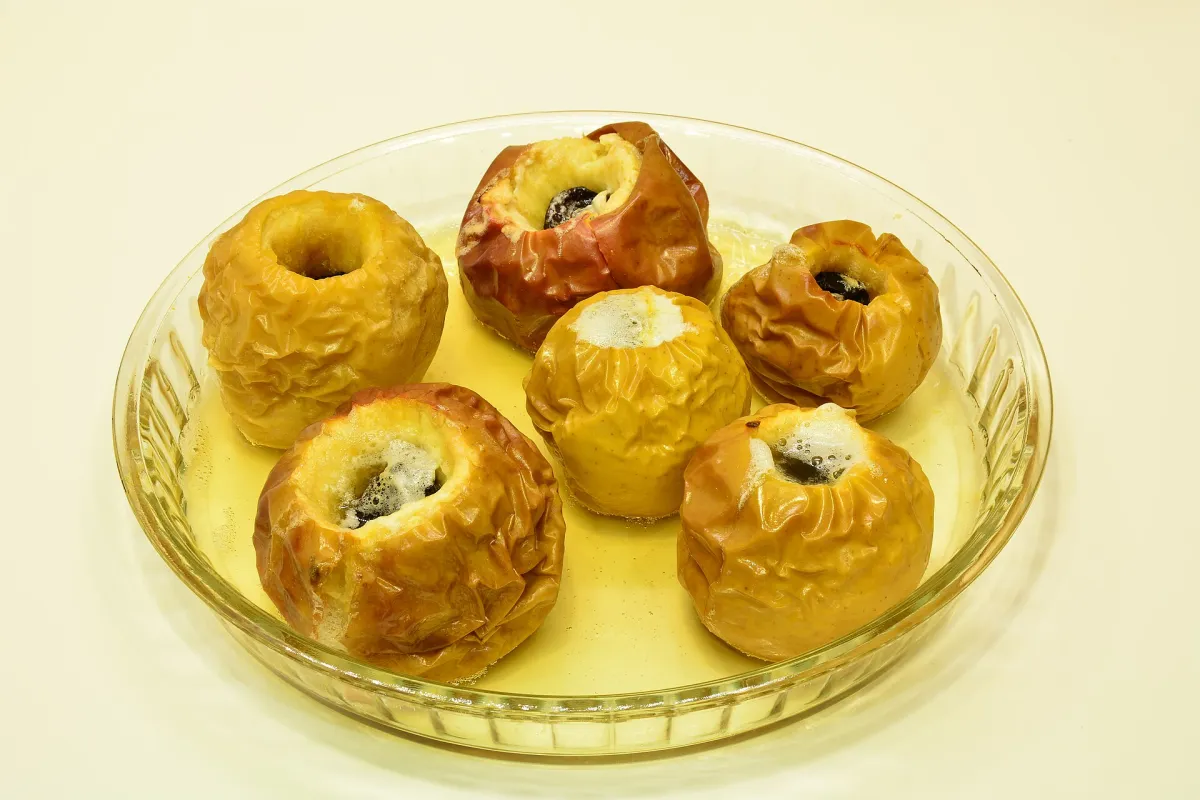 Photo: Andrey Korzun, CC BY-SA 4.0, via Wikimedia Commons
Common mistakes after gallbladder surgery
- A “hospital diet” for life. Severe restrictions kept up for months lead to deficiencies (vitamins A, D, E and K are absorbed with fat) and to a strained relationship with food. The goal is gradual reintroduction, not permanent avoidance.
- A festive meal too early. A wedding, holiday feast or barbecue in the second week after surgery is the classic cause of the “attack” that frightens patients.
- All the fat in one meal. A teaspoon of oil at each meal is better than a mayonnaise salad in the evening.
- Strong coffee on an empty stomach. It stimulates gut motility and can cause immediate diarrhea.
- Not moving. Daily walks, starting with 10-15 minutes, help transit, prevent blood clots and speed recovery.
- Ignoring pain “because I have no gallbladder anyway”. Stones can remain in, or form in, the bile ducts even after cholecystectomy.
Conclusion
The diet after gallbladder removal is a transition, not a punishment. The first two weeks call for small, low-fat meals; then you reintroduce foods gradually while listening to your body. Soluble fiber, hydration and daily movement are your allies, while fried food and huge meals remain the main pitfalls. If discomfort persists after 2-3 months, talk to your doctor: there are treatable causes, from bile acid diarrhea to a retained stone.
Frequently asked questions
How long should I follow a diet after gallbladder surgery? The strict phase usually lasts 1-2 weeks, and the gradual return of fats another 4-6 weeks. After about two months most people eat normally, staying moderate with very fatty meals.
Can I eat eggs after cholecystectomy? Yes. Boiled or poached eggs are well tolerated from the first week. Eggs fried in oil or with bacon are best postponed until fats have been reintroduced.
Which fruits are good after gallbladder surgery? Baked apples and pears, bananas, and baked peaches or apricots are the gentlest. Raw, sour fruit or large amounts are reintroduced gradually.
Can I drink coffee without a gallbladder? Generally yes, after the first 1-2 weeks, weak and after a meal rather than on an empty stomach. If it gives you diarrhea, cut back or switch to decaf.
Why do I have diarrhea after gallbladder removal? Continuously flowing bile partly reaches the colon, where bile acids draw in water and speed up transit. Soluble fiber and small meals help; if diarrhea persists, your doctor may recommend specific treatment.
Can I drink alcohol after cholecystectomy? Avoid alcohol for at least 2 weeks and while taking painkillers. Afterwards, only occasionally and in small amounts, since alcohol burdens the liver and irritates the digestive tract.
Will I gain weight after gallbladder surgery? Some people gain weight because, freed from the pain they had before, they eat more and richer food. The operation itself does not slow metabolism; diet and activity are what matter.
Sources
- EASL Clinical Practice Guidelines on the prevention, diagnosis and treatment of gallstones (European Association for the Study of the Liver, 2016).
- NHS: “Gallbladder removal - Recovery” (nhs.uk).
- NIDDK: “Eating, Diet, & Nutrition for Gallstones” (National Institute of Diabetes and Digestive and Kidney Diseases).
- PubMed reviews on bile acid diarrhea after cholecystectomy and the role of soluble fiber.
Informational content. It does not replace advice from your surgeon, gastroenterologist or dietitian.