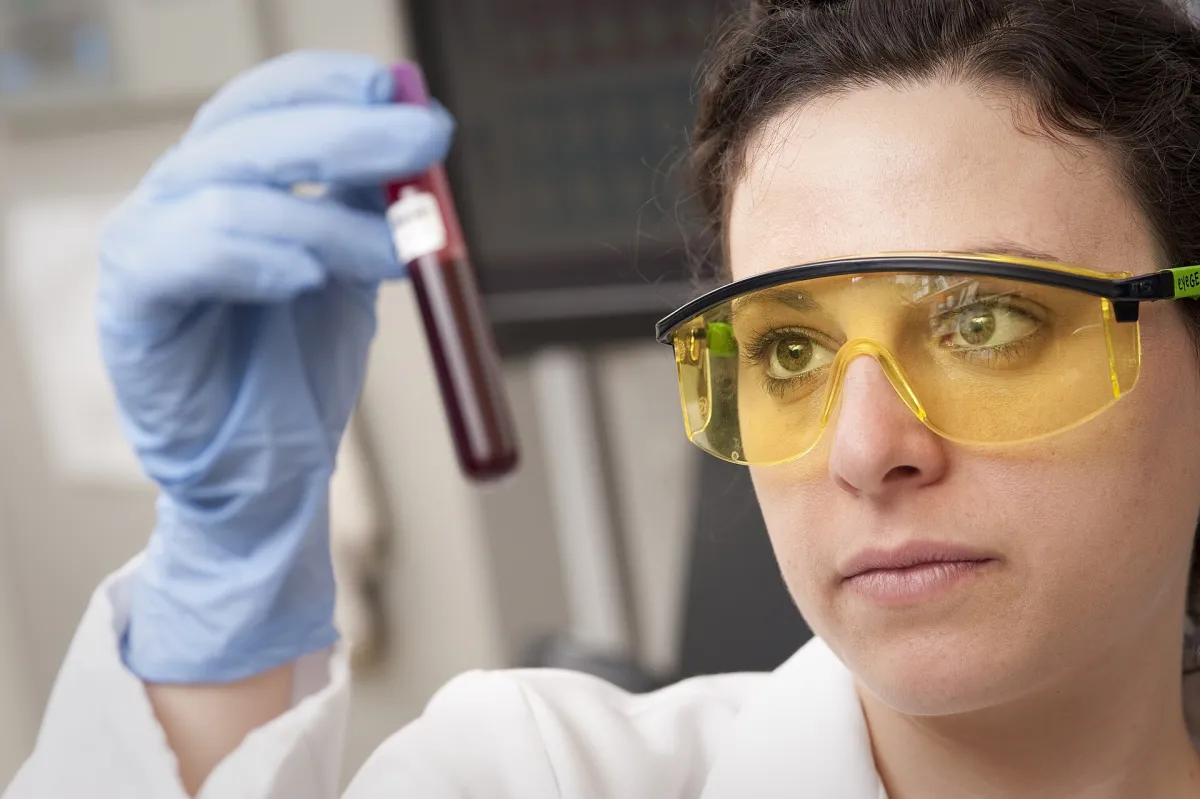
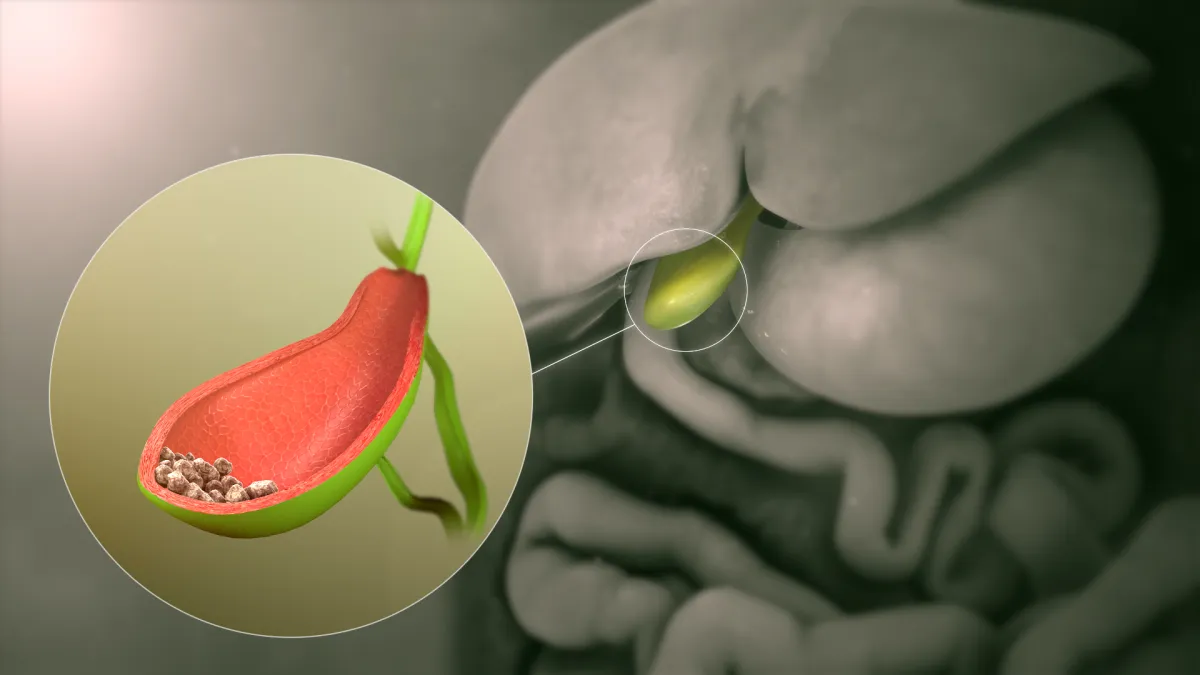
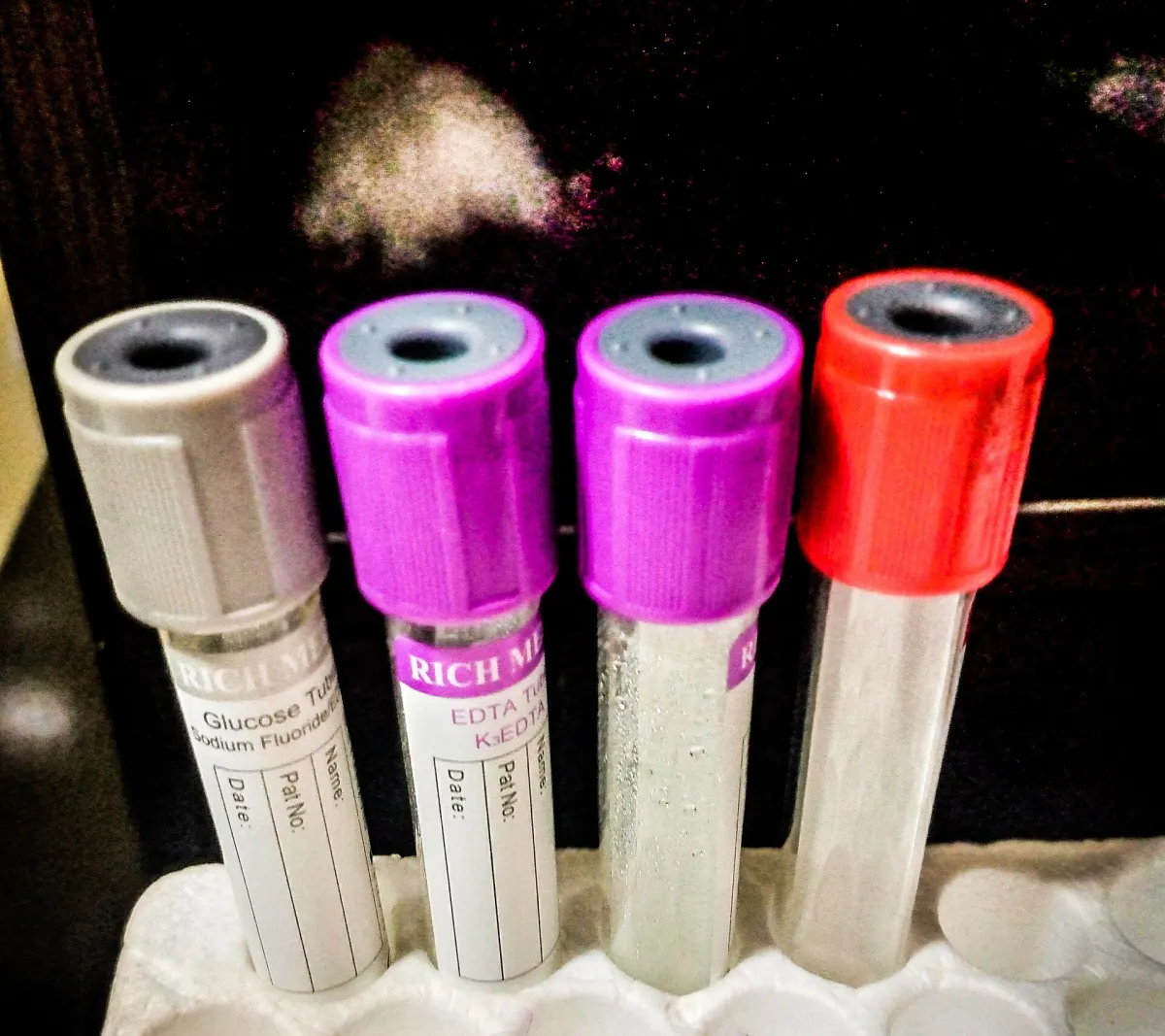
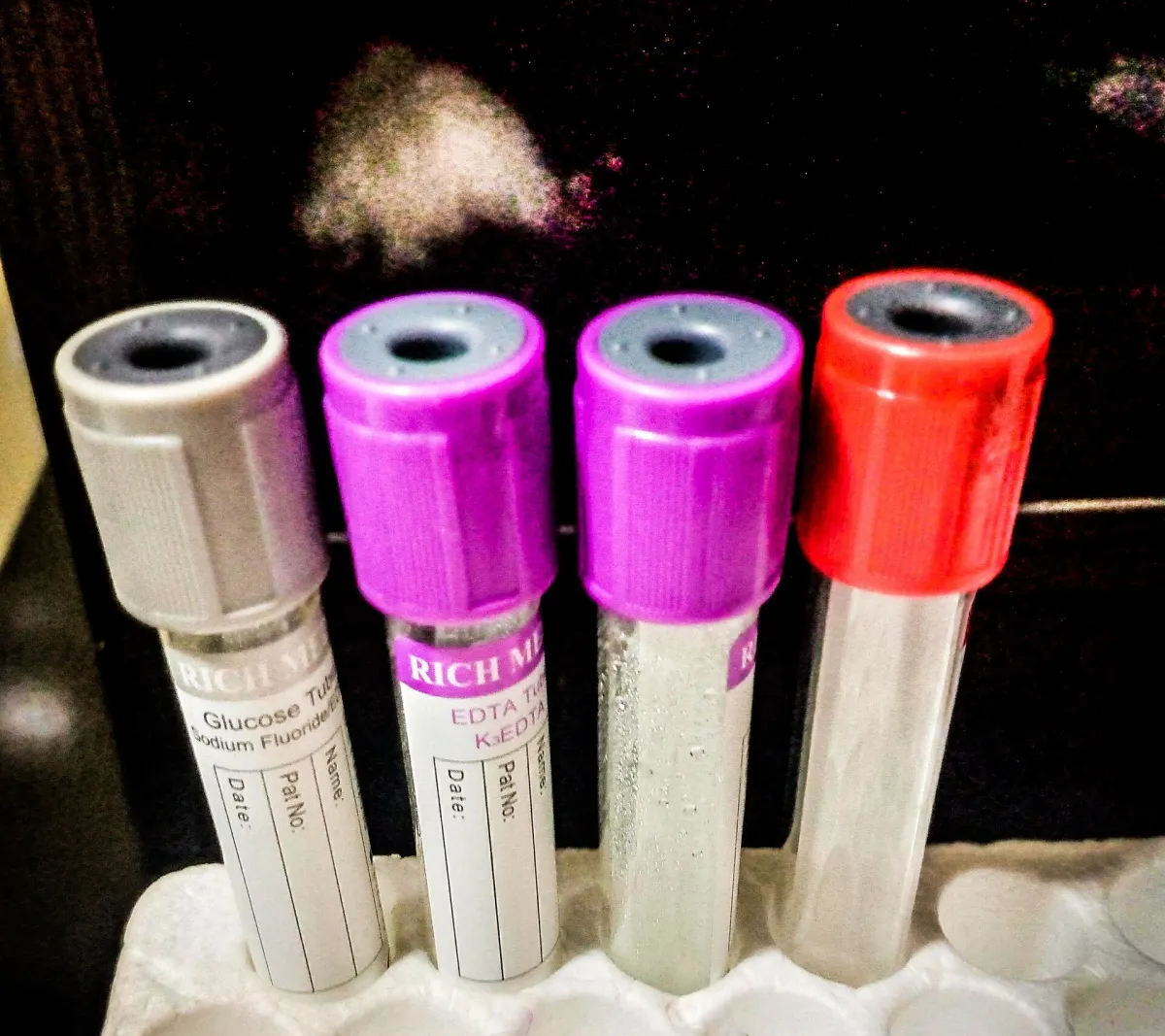
 Photo: Frankincense Diala, CC0, via Wikimedia Commons
Elevated liver enzymes (ALT, AST, GGT, alkaline phosphatase) show that liver cells are irritated or that bile is not flowing normally, but on their own they do not tell you the cause. The most common explanations in adults are fatty liver, alcohol, medicines and supplements, and less often viral hepatitis or autoimmune disease. A mild rise, under three times the upper limit, is repeated and investigated calmly; very high values or values with jaundice need prompt assessment.
Key takeaways
- ALT is the most liver-specific enzyme; AST also rises from muscle.
- GGT and alkaline phosphatase rising together suggest a bile duct problem.
- Fatty liver linked to weight, blood sugar and triglycerides is the number one cause.
- Alcohol, too much paracetamol (acetaminophen) and some “natural” supplements can raise enzymes.
- Losing 7-10% of body weight often lowers transaminases in fatty liver.
- Moderate coffee drinking is associated with lower enzymes in observational studies.
What each enzyme measures
- ALT (alanine aminotransferase): found mainly in the liver; the best marker of liver cell injury.
- AST (aspartate aminotransferase): in the liver but also in muscle, heart and red blood cells. It rises after intense exercise or muscle injury.
- GGT (gamma-glutamyl transferase): sensitive to alcohol, some medicines and cholestasis.
- Alkaline phosphatase (ALP): from the bile ducts and bone; rises with biliary obstruction, but also in teenagers and in pregnancy.
- Bilirubin: a pigment excreted in bile; details in our article on high bilirubin.
How to read the pattern
| Pattern | What it suggests | Example causes |
|---|---|---|
| ALT > AST, mild rise | chronic liver cell injury | fatty liver, medicines, hepatitis B/C |
| AST about twice ALT, high GGT | alcohol use | alcohol-related liver disease |
| AST alone raised, high CK | muscle origin | intense exercise, muscle injury |
| ALP + GGT raised | cholestasis | bile duct stones, bile duct disease, medicines |
| Values over 10-15 times normal | acute injury | acute hepatitis, drug toxicity, ischemia |
The ratio and pattern give direction but do not replace a diagnosis. Your doctor interprets them alongside your history, examination and other tests.
The most common causes
Fatty liver
Metabolic dysfunction-associated steatotic liver disease (formerly NAFLD, now called MASLD) is the most common cause of raised transaminases. It is linked to a large waist, raised blood sugar or insulin, high triglycerides and blood pressure. Practical details in our article on fatty liver.
Alcohol
Even “social” but daily drinking can raise GGT and transaminases. Four to six weeks of abstinence followed by repeat tests is a useful check.
Medicines and supplements
- paracetamol (acetaminophen) above recommended doses or combined with alcohol;
- some antibiotics (for example amoxicillin-clavulanate), antifungals, anti-epileptic drugs;
- statins sometimes cause mild rises, usually of no clinical importance, assessed by your doctor;
- supplements: concentrated green tea extracts, high-dose turmeric, kava, anabolic steroids and some “fat burners” have been linked to liver injury.
Other causes
- viral hepatitis B and C (tested for in any persistent rise);
- celiac disease;
- hemochromatosis (iron overload) and Wilson disease (copper);
- autoimmune hepatitis;
- thyroid disease;
- intense exercise in the days before the test.
Which tests come next
The American College of Gastroenterology guideline (ACG, 2017) recommends a stepwise assessment for mild, persistent rises: repeat tests, alcohol and medication history, hepatitis B and C markers, iron studies, blood sugar and lipids, TSH, an abdominal ultrasound and, if needed, tests for autoimmune disease or celiac disease. Fibrosis assessment (for example the FIB-4 score or elastography) helps establish long-term risk.
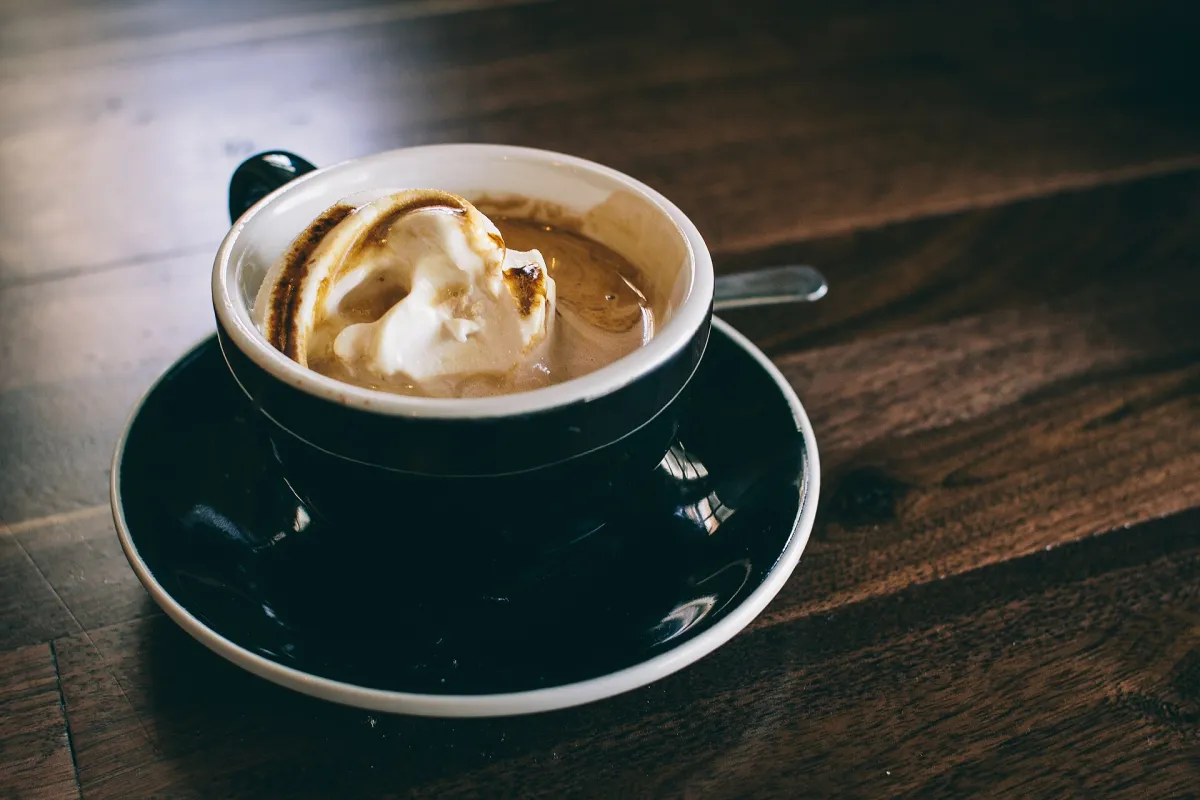 Photo: Ross Parmly, CC0, via Wikimedia Commons
How to support your liver naturally
Weight loss
In fatty liver, losing 5% of body weight reduces liver fat, and 7-10% is often associated with normalised transaminases. The ideal pace: 0.5-1 kg (1-2 lb) a week.
A Mediterranean diet
Vegetables at every meal, legumes three times a week, oily fish twice a week, olive oil as the main fat, nuts and whole grains. Cutting sweetened drinks and added fructose has a direct effect on liver fat.
Exercise
At least 150 minutes of moderate exercise a week, plus 2 strength sessions. Exercise reduces liver fat even without major weight loss. Avoid intense workouts 2-3 days before blood tests, though.
Coffee
Observational studies link 2-3 cups of coffee a day (without sugar or cream) to lower liver enzymes and a reduced risk of fibrosis. It is not a treatment, but there is no reason to give up coffee if you tolerate it.
Milk thistle
Silymarin from milk thistle is the most studied herb for the liver. Clinical trial results on transaminases are mixed: some show modest reductions, others no clear effect. It is generally well tolerated. Tea: 1 teaspoon of crushed seeds in 250 ml boiling water, 10-15 minutes, 2-3 times a day; more in our articles on milk thistle tea and milk thistle. Tell your doctor you are taking it so they can interpret your results correctly.
 Photo: Matankic, CC BY-SA 4.0, via Wikimedia Commons
Sample day for a stressed liver
- Breakfast: oat porridge with berries and a tablespoon of walnuts, coffee without sugar;
- Lunch: a large salad with chickpeas, raw vegetables and olive oil, plus a portion of fish or chicken;
- Snack: plain yogurt or a whole piece of fruit (not juice);
- Dinner: roasted vegetables with lentils or eggs, a slice of wholegrain bread;
- Drinks: water, unsweetened herbal teas, no alcohol during the investigation period.
Repeat the tests after 8-12 weeks of these habits. A clear fall in transaminases often confirms that fatty liver was the main cause.
What NOT to do
- do not start several “liver” supplements at once: if enzymes rise, you will not know which one is responsible;
- do not take concentrated green tea extracts or high-dose turmeric without a doctor;
- do not “detox” your liver with fasts or juices: they do not lower enzymes and can worsen fatty liver through sudden muscle loss; see also our article on liver detox;
- do not stop prescribed medicines without medical advice.
Red flags
Seek prompt care if raised enzymes come with:
- jaundice, dark urine, pale stools;
- confusion, unusual drowsiness;
- easy bleeding, unexplained bruising;
- a swollen abdomen (ascites), leg swelling;
- severe upper right pain, fever;
- values more than 5-10 times the upper limit.
Common mistakes
- Ignoring a mild rise “because it’s small”. If it persists, it deserves investigation.
- Testing after a weekend of drinking or a hard gym session. Results may be a false alarm.
- Self-treating with ten supplements. Some of them may be the cause.
- Focusing only on enzymes. Fibrosis can exist with normal enzymes; assessment must be complete.
- Giving up after the first improvement. Fatty liver returns with the weight.
Conclusion
Elevated liver enzymes are a signal, not a diagnosis. The pattern (ALT, AST, GGT, ALP) guides investigations, and the most common cause, fatty liver, responds very well to weight loss, a Mediterranean diet and exercise. Herbs such as milk thistle can be a support, with realistic expectations and your doctor informed.
Frequently asked questions
What ALT level is worrying? It depends on context. Mild rises (under 3 times normal) are repeated and investigated. Values over 5-10 times normal or with jaundice need prompt assessment.
How can I lower liver enzymes naturally? By treating the cause: gradual weight loss, stopping alcohol, reviewing medicines and supplements, a Mediterranean diet and regular exercise.
Can the gym raise my AST? Yes. Intense exercise raises AST and CK through release from muscle. Repeat the tests after 5-7 days of rest.
What does a high GGT mean? It may indicate alcohol, cholestasis, fatty liver or the effect of some medicines. It is interpreted together with ALP and transaminases.
Does milk thistle tea lower ALT? Some studies show modest reductions, others do not. It can be an adjunct, not a substitute for lifestyle change.
How long until enzymes return to normal? After stopping alcohol or a medicine, often within a few weeks. In fatty liver, after a few months of steady weight loss.
Does fasting help the liver? Moderate intermittent fasting can help with weight loss, but long fasts and drastic cleanses are not recommended and can worsen liver function.
Do I need to diet before liver blood tests? No special diet is needed. Fast for 8-12 hours, avoid alcohol and intense exercise for the previous 2-3 days, and tell your doctor which medicines and supplements you take, so the result can be interpreted correctly.
Sources
- Kwo PY et al. “ACG Clinical Guideline: Evaluation of Abnormal Liver Chemistries”, American Journal of Gastroenterology, 2017.
- EASL-EASD-EASO Clinical Practice Guidelines on the management of metabolic dysfunction-associated steatotic liver disease (MASLD), 2024.
- LiverTox (NIH/NIDDK): database on drug- and supplement-induced liver injury.
- EMA/HMPC community herbal monograph on Silybi mariani fructus.
Informational content. Test interpretation and further investigations should be done with your doctor.