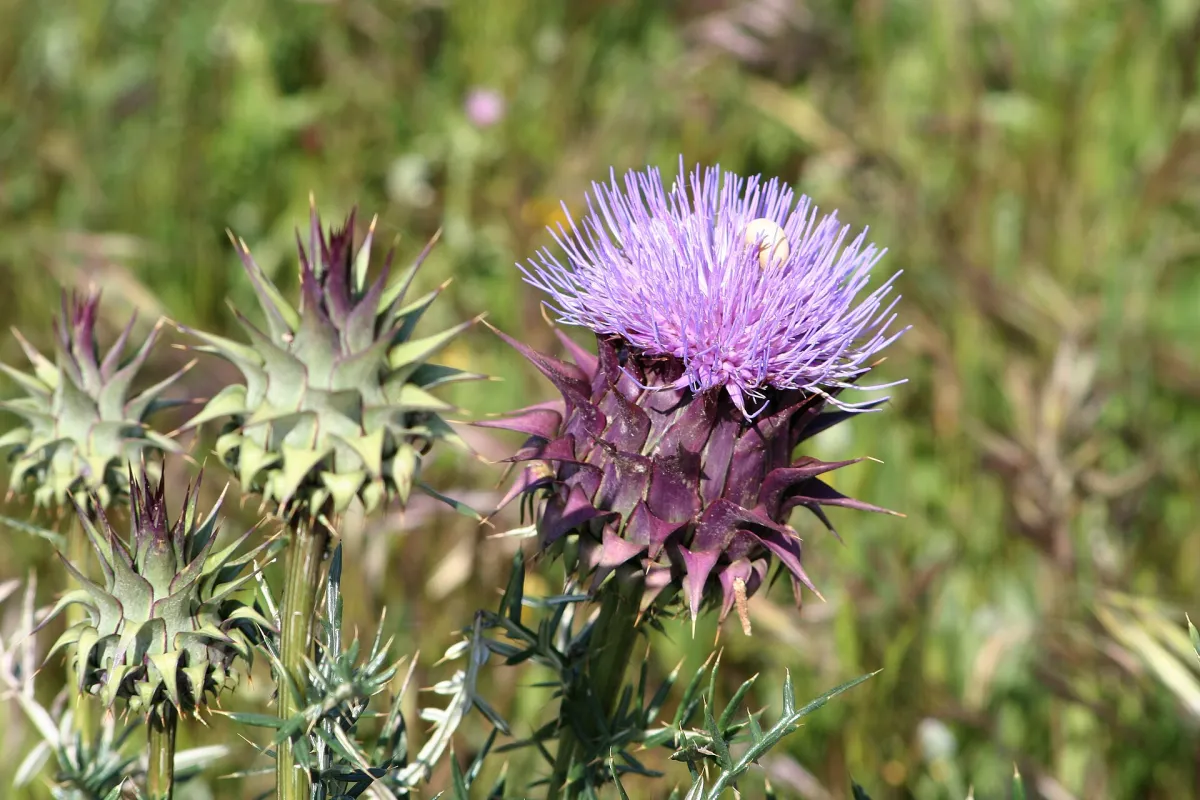
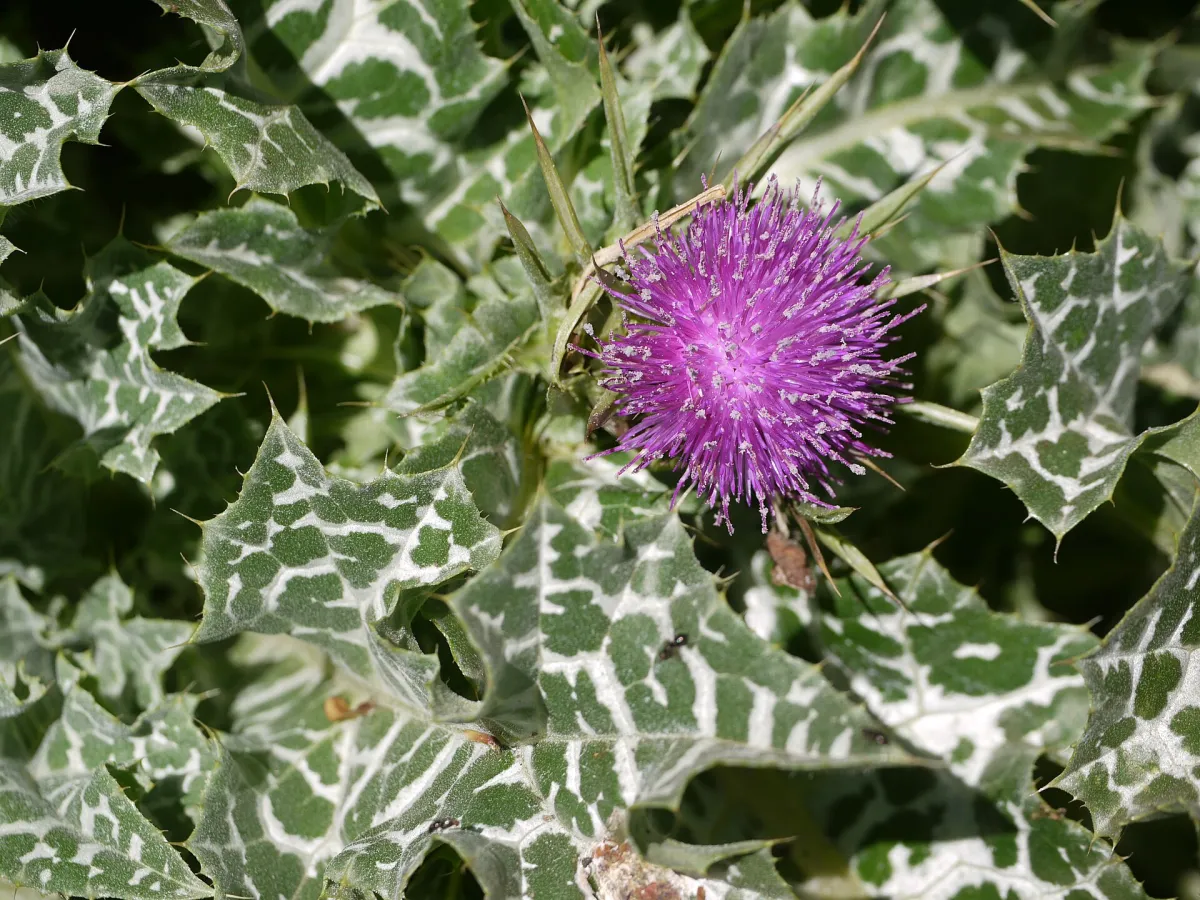
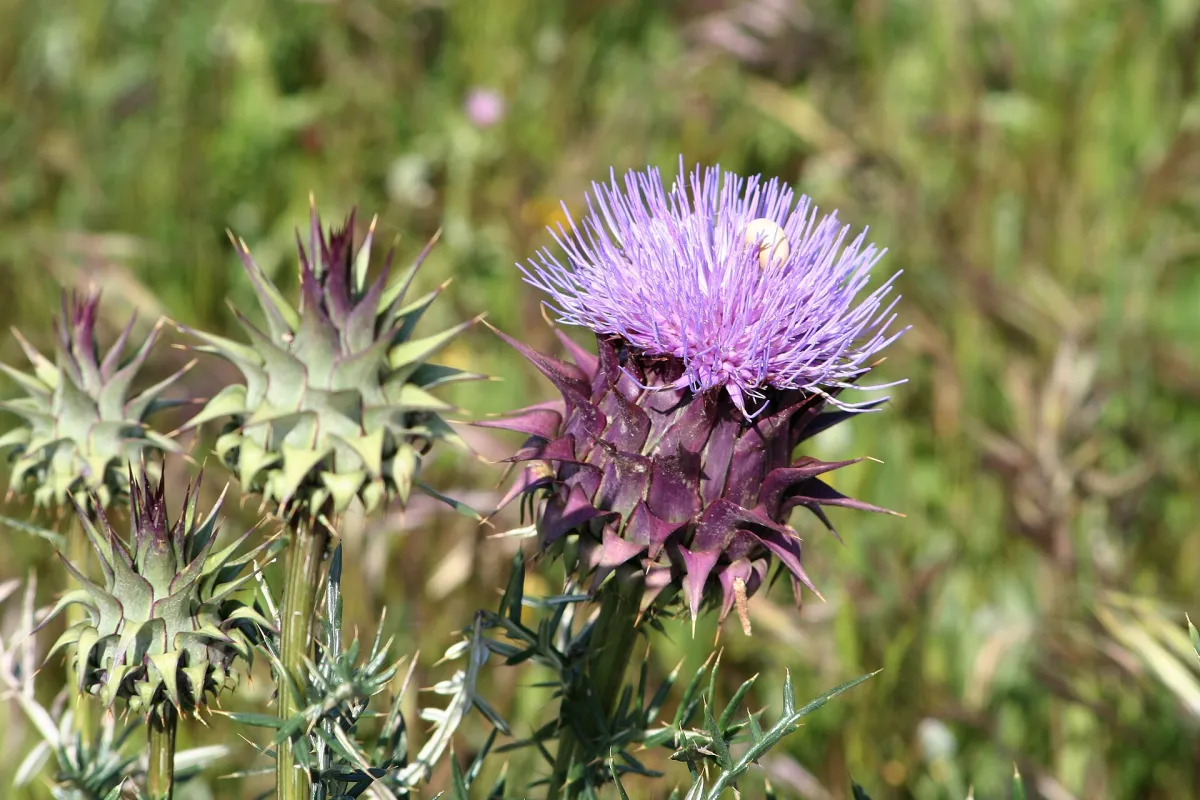
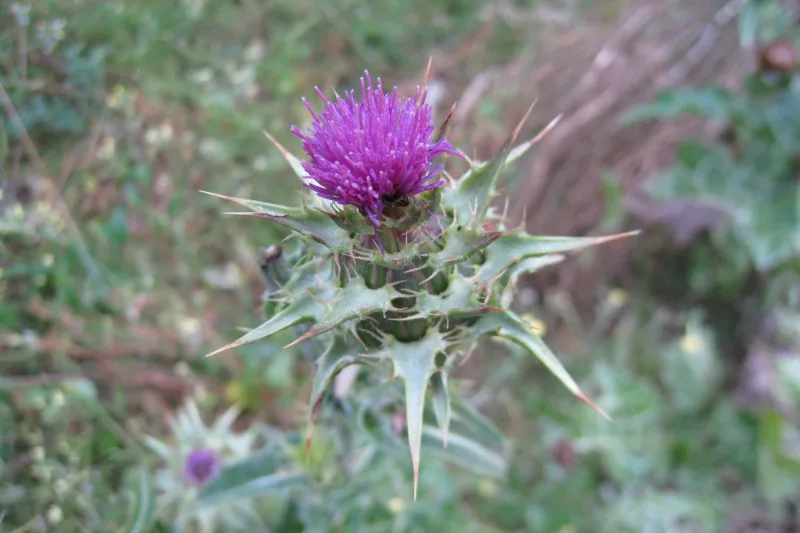
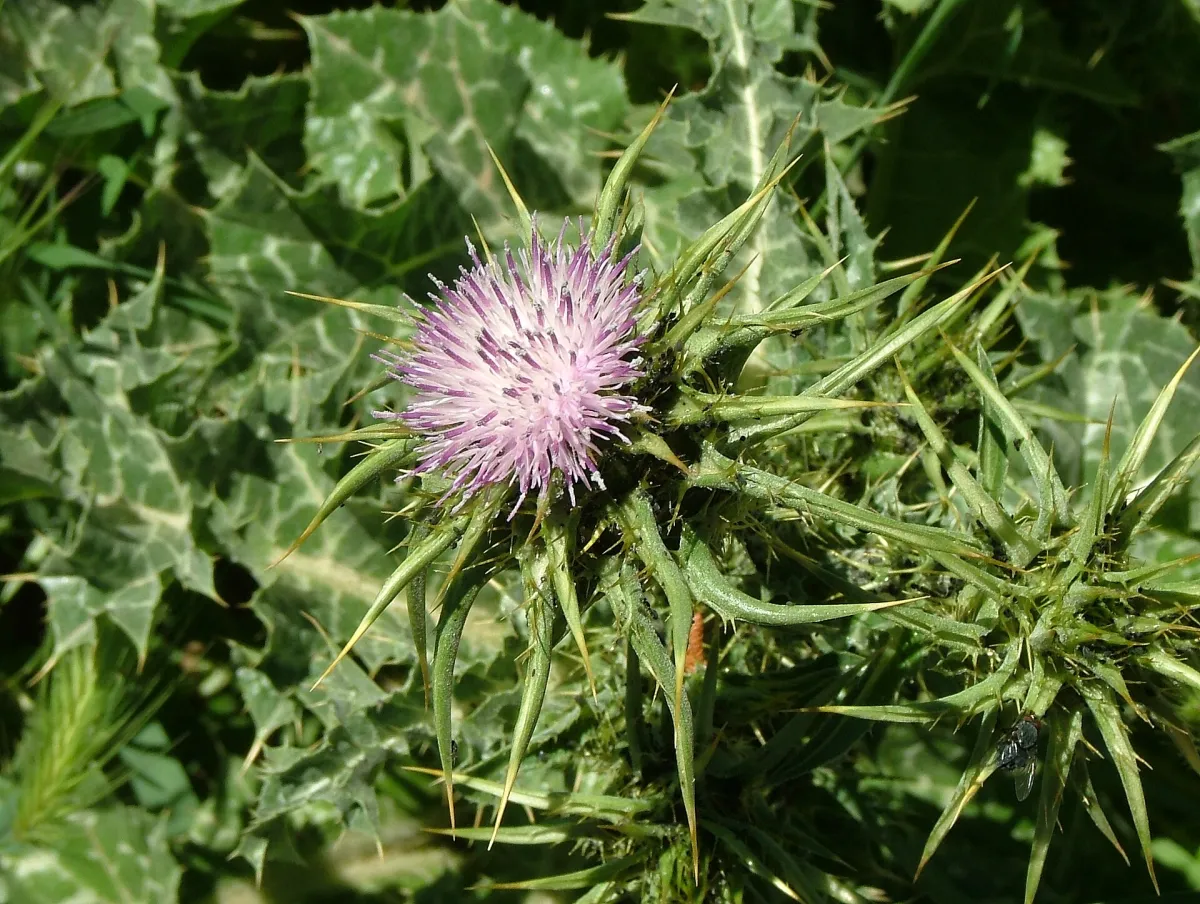
 Photo: SuperJew, CC BY-SA 3.0, via Wikimedia Commons
An enlarged liver (hepatomegaly) is not a disease in itself but a sign that the liver is reacting to something, most often fat build-up, alcohol, congestion from the heart or viral hepatitis. The first step is not a liver detox tea but finding the cause with a handful of blood tests and an ultrasound. When fat or alcohol is to blame, the liver can often shrink back to normal within a few months through weight loss, stopping alcohol and a better diet.
Key takeaways:
- Hepatomegaly is a finding on examination or ultrasound, not a diagnosis; what matters is why the liver is enlarged.
- The most common causes are metabolic fatty liver (MASLD), alcohol, congestive liver from heart failure and hepatitis B or C.
- Core tests: ALT, AST, GGT, alkaline phosphatase, bilirubin, albumin, INR, full blood count, hepatitis B and C screening, ferritin, glucose and lipids.
- Losing 5-10% of body weight, cutting alcohol to zero and a Mediterranean-style diet have the strongest evidence.
- Milk thistle and artichoke leaf are generally safe, but they do not shrink the liver on their own and do not replace a proper work-up.
- Jaundice, a swelling belly, black stools or confusion need urgent medical care.
What does an enlarged liver mean?
The liver sits under your right lower ribs and is normally barely palpable. Doctors call it hepatomegaly when its edge clearly extends below the rib margin or when imaging shows it is larger than the usual range. On ultrasound, an adult liver measuring more than roughly 15-16 cm along the midclavicular line is usually considered enlarged, although normal values vary with height, sex and body build.
Two reassuring points. A scan report saying “mildly enlarged liver” does not automatically mean disease, and some people, especially women, have an elongated right lobe (Riedel’s lobe), which is a normal anatomical variant. On the other hand, a normal-sized liver does not rule out liver disease: cirrhosis, for example, often makes the liver smaller.
Most people have no symptoms and the enlargement is found by chance. When symptoms do appear they are vague: a sense of heaviness or discomfort under the right ribs, bloating, feeling full quickly, tiredness. They usually tell you more about the underlying cause than about the size of the liver.
The most common causes
Metabolic fatty liver (MASLD)
This is by far the most common cause in adults. Fat builds up inside liver cells alongside excess weight, insulin resistance, type 2 diabetes and high triglycerides. The new international name is MASLD (metabolic dysfunction-associated steatotic liver disease), which replaces the older term NAFLD. The mechanisms and a detailed plan are covered in our guide to fatty liver; here the key point is that simple steatosis is reversible, but some people go on to develop inflammation and scarring (fibrosis), and that has to be checked rather than assumed.
Alcohol
Regular drinking loads the liver with fat even in slim people. Alcohol-related fatty liver improves noticeably after a few weeks of complete abstinence. Carrying on drinking can lead to alcoholic hepatitis (jaundice, fever, a large tender liver) and eventually cirrhosis. There is no “safe” amount for a liver that is already affected. If stopping is hard, our guide to alcohol dependency explains what real help is available.
Congestive liver (hepatic congestion)
When the right side of the heart does not pump efficiently, blood backs up into the liver, which swells and becomes tender. This happens in heart failure, some valve or pericardial diseases and pulmonary hypertension. Clues include swollen ankles, breathlessness on exertion or when lying flat, and distended neck veins. Treatment belongs to the cardiologist, not to a liver diet.
Viral hepatitis
Hepatitis B and C can smoulder for years without symptoms, showing up only as a slightly enlarged liver and raised liver enzymes. Acute hepatitis A and E, glandular fever (mononucleosis) and cytomegalovirus can enlarge the liver temporarily. Hepatitis C is now cured in the vast majority of cases with oral antiviral tablets, and hepatitis B can be controlled, which is why testing matters so much.
Less common causes
- medicines and supplements (for example methotrexate, amiodarone, some anti-infectives, concentrated green tea extract, anabolic steroids);
- iron overload (haemochromatosis) and Wilson’s disease (copper overload, in younger people);
- autoimmune hepatitis and autoimmune bile duct diseases;
- blood disorders (leukaemia, lymphoma), storage diseases, amyloidosis;
- cysts, abscesses or tumours, either primary or metastatic.
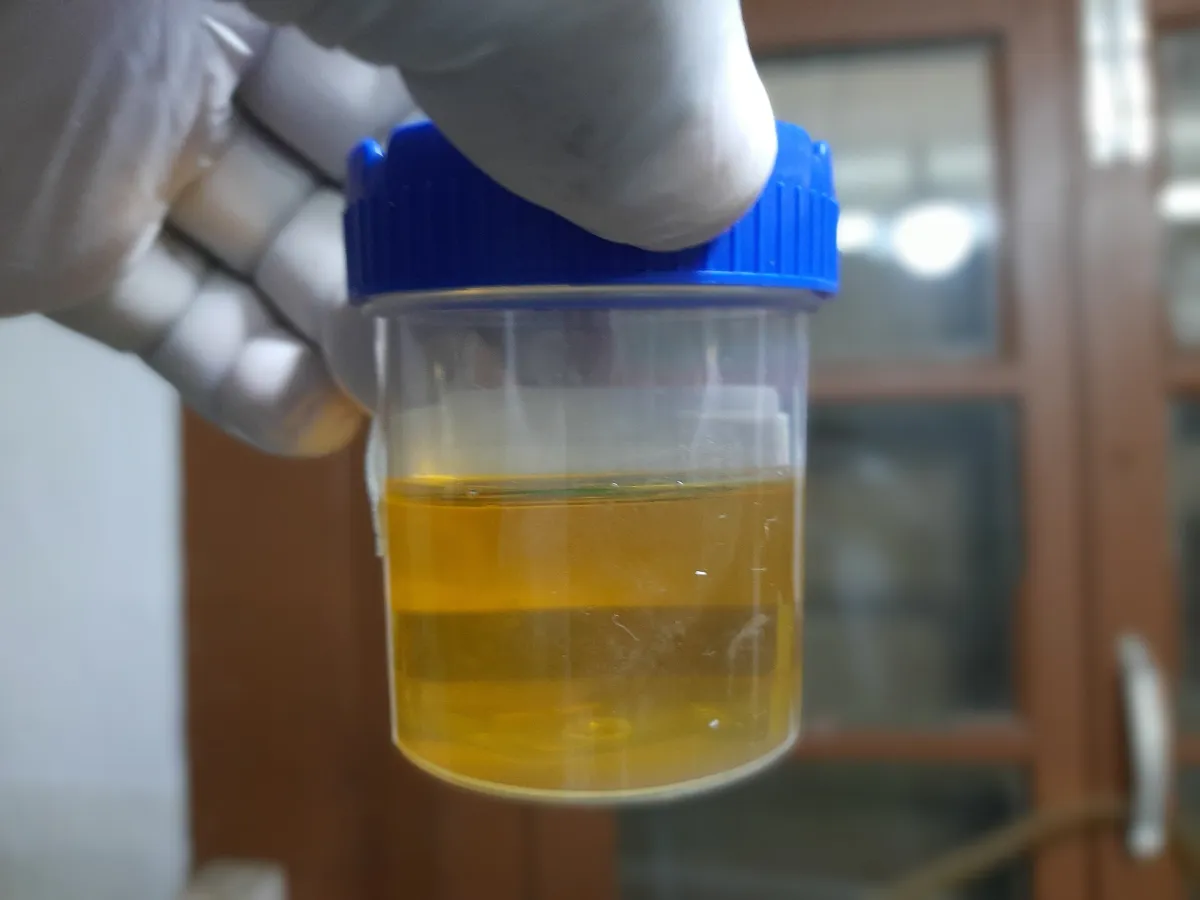
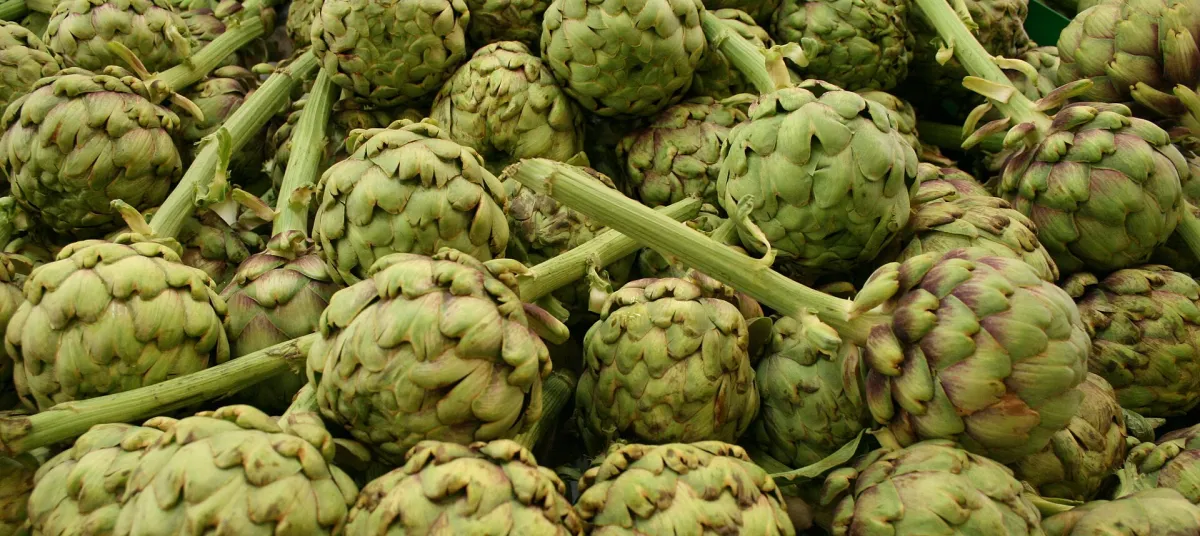 Photo: Toby Hudson, CC BY-SA 3.0, via Wikimedia Commons
Which tests to ask for
Your family doctor can carry out most of the initial work-up. The table below shows what is worth discussing at your appointment.
| Test | What it shows | Worth knowing |
|---|---|---|
| ALT, AST | Damage to liver cells | An AST/ALT ratio above 2 points towards alcohol |
| GGT, alkaline phosphatase | Alcohol, medicines, bile duct problems | GGT is often mildly raised in fatty liver too |
| Total and direct bilirubin | Bile clearance | High in jaundice, bile duct blockage, Gilbert’s syndrome |
| Albumin, INR (prothrombin time) | How well the liver is working | Abnormal in advanced disease |
| Full blood count, platelets | Anaemia, signs of portal hypertension | Low platelets may signal advanced fibrosis |
| HBsAg, anti-HBc, anti-HCV | Hepatitis B or C | Essential for any unexplained enlarged liver |
| Glucose, HbA1c, cholesterol, triglycerides | Metabolic component | Usually explains fatty liver |
| Ferritin and transferrin saturation | Iron overload | Ferritin also rises with inflammation |
| Abdominal ultrasound | Size, fat, nodules, bile ducts, spleen | First-line imaging |
| Elastography (FibroScan) | Liver stiffness, i.e. fibrosis | Useful when the FIB-4 score is intermediate or high |
The FIB-4 score is calculated from age, AST, ALT and platelet count, and European guidelines recommend it as the first screen for fibrosis. Depending on the situation, your doctor may also order TSH, autoimmune liver antibodies, ceruloplasmin (if you are under 40), NT-proBNP and an echocardiogram if a heart cause is suspected. If you already have abnormal liver enzymes, read our guide to elevated liver enzymes as well.
What you can do: diet and lifestyle steps backed by evidence
Lose weight if you are carrying extra
This is the single most effective step for fatty liver. European guidelines show that losing at least 5% of body weight reduces liver fat, while 7-10% can reduce inflammation and sometimes fibrosis. Aim for 0.5-1 kg (about 1-2 lb) a week; crash diets and prolonged fasting can temporarily worsen the liver and raise the risk of gallstones.
Alcohol: zero, not “less”
While your liver is enlarged and the cause is still unclear, stop alcohol completely, including wine and beer. In alcohol-related liver disease, abstinence is the main treatment, and blood results often improve within weeks.
Your everyday plate
- Mediterranean pattern: vegetables at every meal, beans and lentils, whole grains, fish twice a week, olive oil, a handful of nuts a day.
- Cut out sugary drinks and fruit juices, even “natural” ones: excess fructose is turned into fat right inside the liver.
- Reduce processed meats, fried food and pastries.
- Keep protein adequate (eggs, fish, yoghurt, pulses), especially while losing weight, so you do not lose muscle.
Coffee
Observational studies link regular coffee drinking, without sugar or cream, to a lower risk of liver fibrosis. It is not a treatment, but there is no liver reason to stop 2-3 cups a day if you tolerate them and have no other contraindication.
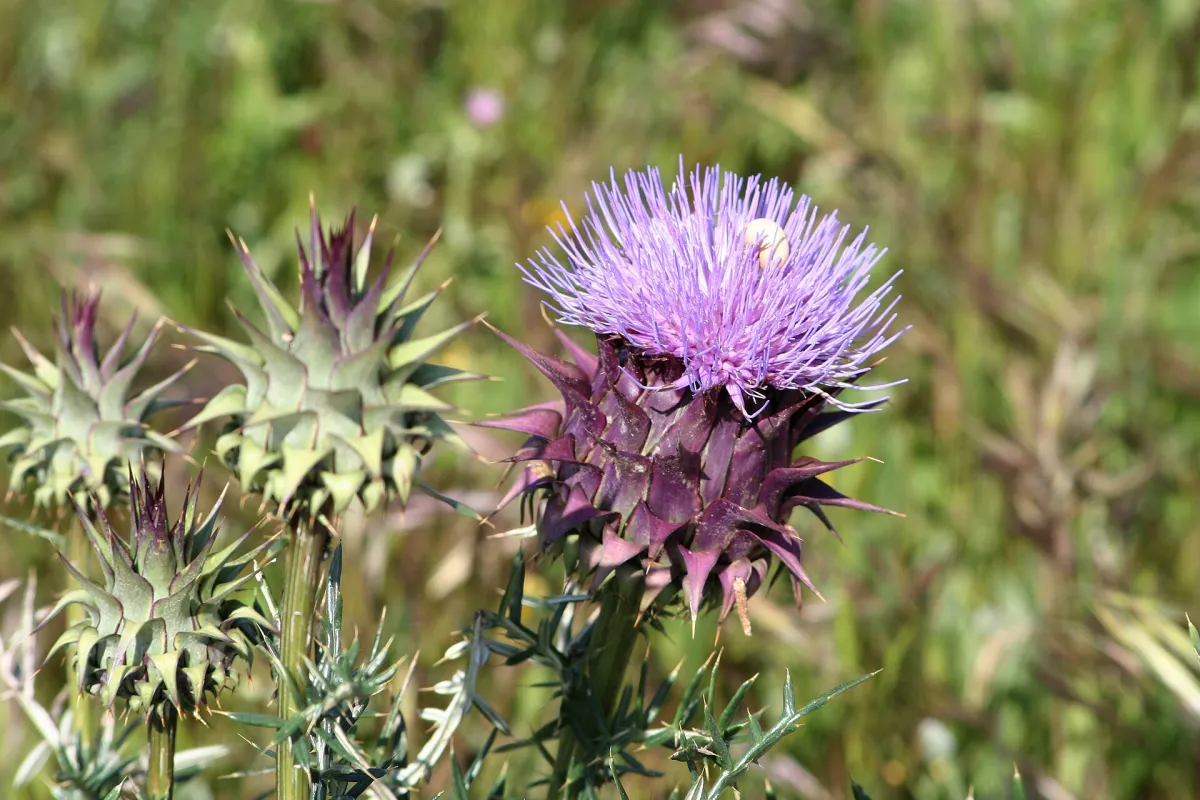
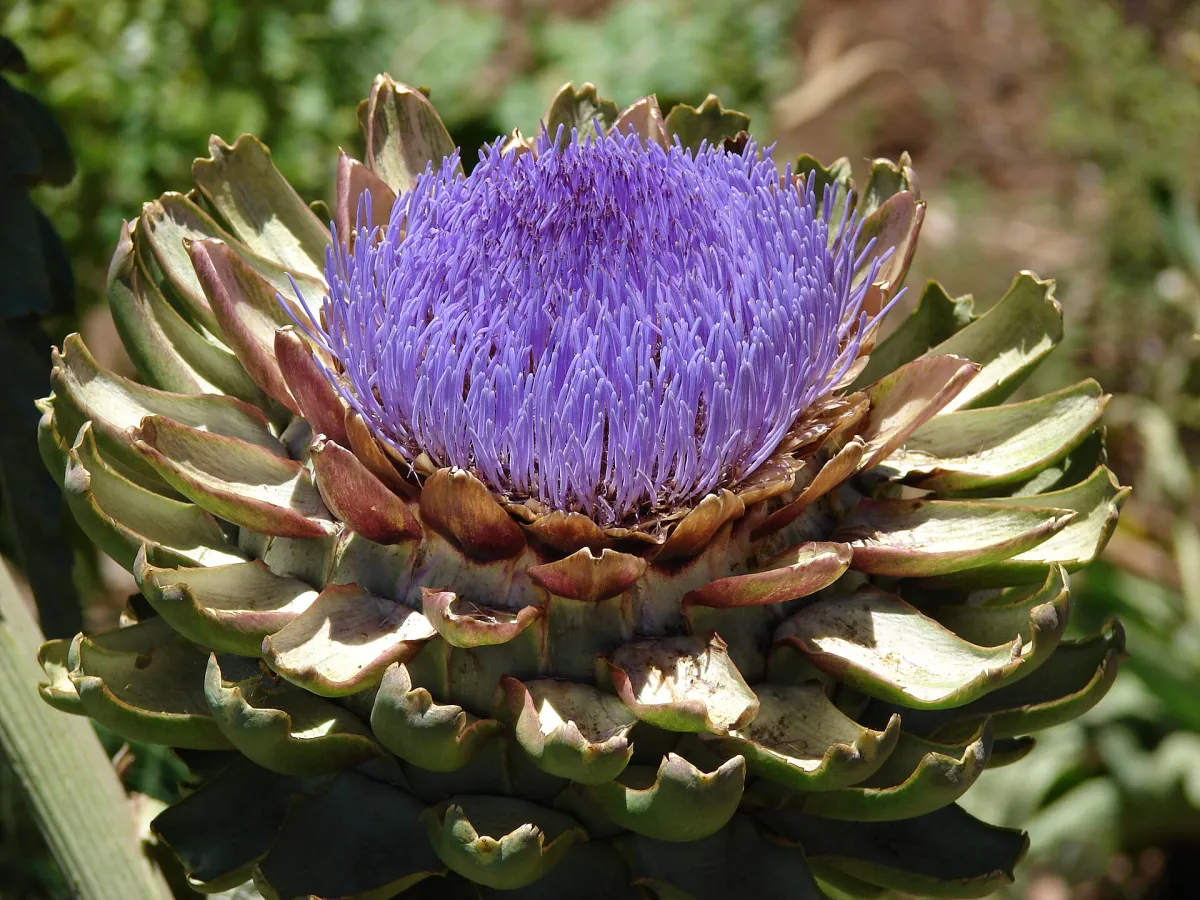 Photo: Forest & Kim Starr, CC BY 3.0, via Wikimedia Commons
Exercise
150-300 minutes a week of moderate activity (brisk walking, cycling, swimming) plus two strength sessions reduce liver fat even without major weight loss.
Protection and medicines
Get vaccinated against hepatitis A and B if you are not immune. Do not start new medicines or supplements without mentioning your enlarged liver. Paracetamol (acetaminophen) is usually still the preferred painkiller, but for people with liver disease or who drink, doctors often advise lower doses, commonly no more than 2 g a day.
Milk thistle and artichoke: what they can and cannot do
Milk thistle (Silybum marianum)
The seeds contain silymarin, a group of flavonolignans that act as antioxidants and protect liver cells in laboratory studies. Germany’s Commission E accepted standardised extracts as supportive treatment in chronic liver disease, and the HMPC (the herbal committee of the European Medicines Agency) recognises traditional use for digestive complaints. However, the Cochrane review in alcoholic and viral liver disease found no clear effect on mortality or complications, and studies in fatty liver are small and inconsistent. The honest verdict: it is safe for most people and can be used as an add-on, but it does not shrink the liver or treat the cause. More detail in our article on milk thistle.
Artichoke leaf (Cynara scolymus)
The leaves contain cynarin and chlorogenic acid, which stimulate bile flow. The HMPC recognises traditional use for indigestion: fullness, bloating and sluggish digestion. A few small trials suggest modest effects on cholesterol and liver enzymes, not enough for a firm recommendation. See also our page on artichoke leaf.
| Milk thistle | Artichoke leaf | |
|---|---|---|
| Part used | Seeds (fruits) | Leaves |
| Preferred form | Extract standardised for silymarin | Tea or extract |
| Usual adult dose | Equivalent of 200-400 mg silymarin a day, split into 2-3 doses | Tea: 1.5-2 g dried leaf in 150 ml boiling water, 10 minutes, 2-3 times a day before meals |
| As a tea | Weak: silymarin dissolves poorly in water | Yes, bitter taste |
| Trial period | 8-12 weeks, then reassess | 2-4 weeks for digestive symptoms |
| Watch out for | Ragweed/daisy family allergy, diabetes, pregnancy | Gallstones, bile duct blockage, daisy family allergy |
To make milk thistle tea, pour 150 ml of boiling water over 1 teaspoon (3-4 g) of freshly crushed seeds, cover and steep for 10-15 minutes. It contains little silymarin, though, so if you want something close to what was studied, choose a standardised extract.
Contraindications, interactions and who should avoid them
- Allergy to the daisy family (Asteraceae) such as chamomile, ragweed, arnica or calendula: avoid both herbs.
- Gallstones, bile duct obstruction, cholangitis: artichoke can trigger biliary colic; milk thistle only with medical approval.
- Enlarged liver of unknown cause: hold off on herbs until after your tests so they do not muddy the picture.
- Diabetes: silymarin may lower blood sugar slightly; monitor if you take glucose-lowering drugs.
- Anticoagulants, immunosuppressants, chemotherapy, antiretrovirals: check interactions with your doctor or pharmacist.
- Pregnancy, breastfeeding, children and teenagers: insufficient data; not recommended without medical advice.
- Multi-ingredient “detox” supplements: concentrated green tea extract, high-dose turmeric products and blends with dozens of herbs have been linked to liver injury.
When to see a doctor urgently
- yellowing of the skin or whites of the eyes, dark urine, pale stools;
- a belly that keeps getting bigger, marked leg swelling;
- vomiting blood or black, tarry stools;
- confusion, unusual drowsiness, a flapping tremor of the hands;
- fever with severe pain under the right ribs;
- unexplained weight loss, night sweats, swollen lymph nodes;
- breathlessness together with swollen legs (possible heart cause).
Common mistakes
Stopping at the ultrasound report. “Enlarged liver, steatosis” without hepatitis tests and a fibrosis assessment is an incomplete evaluation.
Assuming it is just fat. Hepatitis C or iron overload can coexist with fatty liver and need their own treatment.
Buying detox cleanses instead of changing your diet. No tea makes up for alcohol, sugary drinks and sitting all day.
Drinking “only at weekends”. For a damaged liver the total counts, and binge episodes are especially harmful.
Losing weight too fast. Very restrictive diets can increase liver inflammation and the risk of gallstones.
Never repeating the tests. A check-up after 3-6 months shows whether your changes are working and when more is needed.
Conclusion
An enlarged liver is a warning light, not a verdict. With the right tests the cause is usually found, and for the two most common ones, fat and alcohol, the most effective remedies are gradual weight loss, stopping alcohol, a Mediterranean-style diet and regular movement. Milk thistle and artichoke can play a supporting role when used correctly and only once you know what you are dealing with.
Frequently asked questions
Can an enlarged liver go back to normal? Yes, when the cause is reversible. Fatty and alcohol-related liver can shrink noticeably within a few months of weight loss and abstinence. Cirrhosis does not disappear, but its progression can be halted or slowed.
What foods should I avoid with an enlarged liver? Alcohol, sugary drinks, fruit juice, sweets, fried food and processed meats are the first to cut. There is no universal banned list; the diet is tailored to the cause.
Does an enlarged liver hurt? Liver tissue itself does not hurt, but its outer capsule does. Rapid enlargement (acute hepatitis, congestion) can cause pain under the right ribs, while slow enlargement often goes unnoticed.
What does an enlarged liver and spleen mean? The combination suggests portal hypertension, an infection such as mononucleosis or a blood disorder, and needs prompt medical assessment.
How long can I take milk thistle? Standardised extracts have been used for months in studies without significant side effects. An 8-12 week trial followed by a review with your doctor and repeat blood tests is a sensible approach.
Which doctor treats an enlarged liver? Your family doctor does the first assessment, then refers you to a gastroenterologist or hepatologist. If the cause is the heart, to a cardiologist.
Can a child have an enlarged liver? Yes, for reasons quite different from adults (infections, metabolic or blood disorders). In children hepatomegaly must always be assessed by a paediatrician, never treated with herbal teas.
Sources and further reading
- European Medicines Agency, HMPC: Community herbal monograph on Silybum marianum (L.) Gaertn., fructus.
- European Medicines Agency, HMPC: Community herbal monograph on Cynara scolymus L., folium.
- EASL-EASD-EASO Clinical Practice Guidelines on the management of metabolic dysfunction-associated steatotic liver disease (MASLD), 2024.
- Rambaldi A., Jacobs B.P., Gluud C., “Milk thistle for alcoholic and/or hepatitis B or C virus liver diseases”, Cochrane Database of Systematic Reviews.
- NCCIH (National Center for Complementary and Integrative Health): Milk Thistle.
- NIH LiverTox: Milk Thistle; Herbal and Dietary Supplements.
Informative content only; it does not replace a consultation with a doctor or pharmacist. An enlarged liver always needs medical assessment to find its cause.