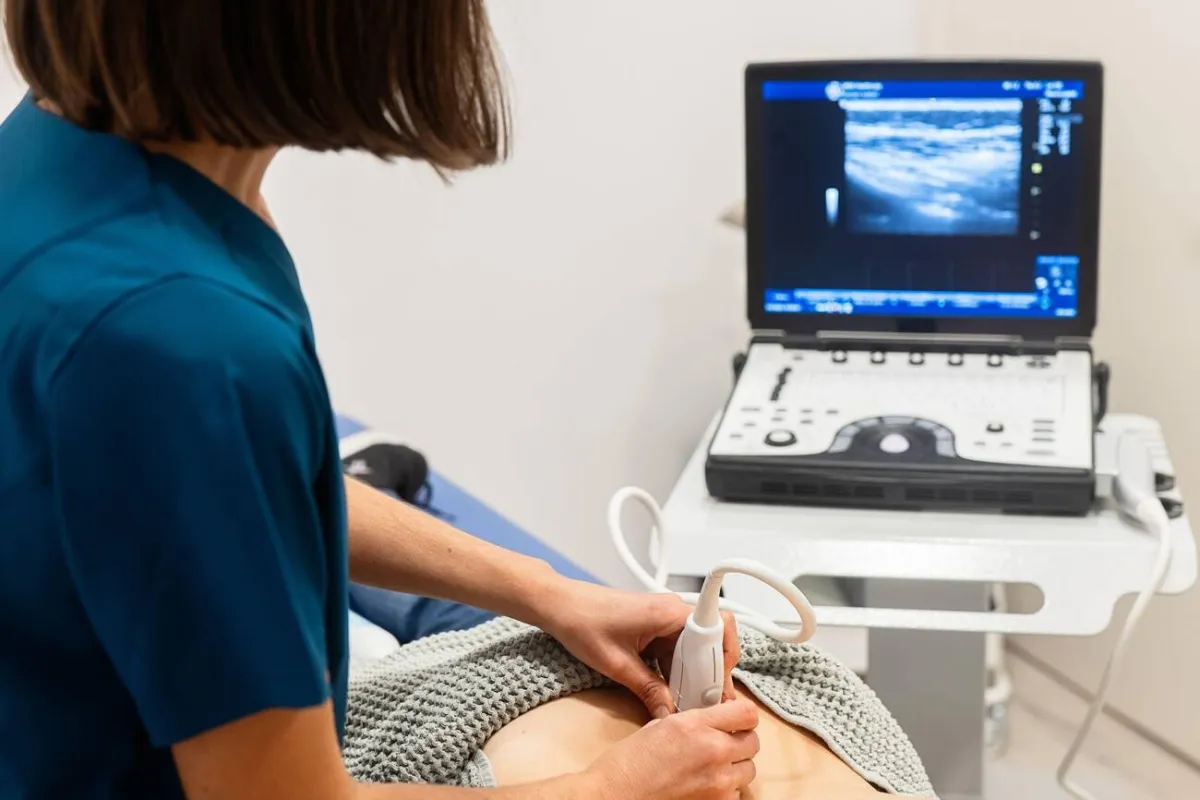
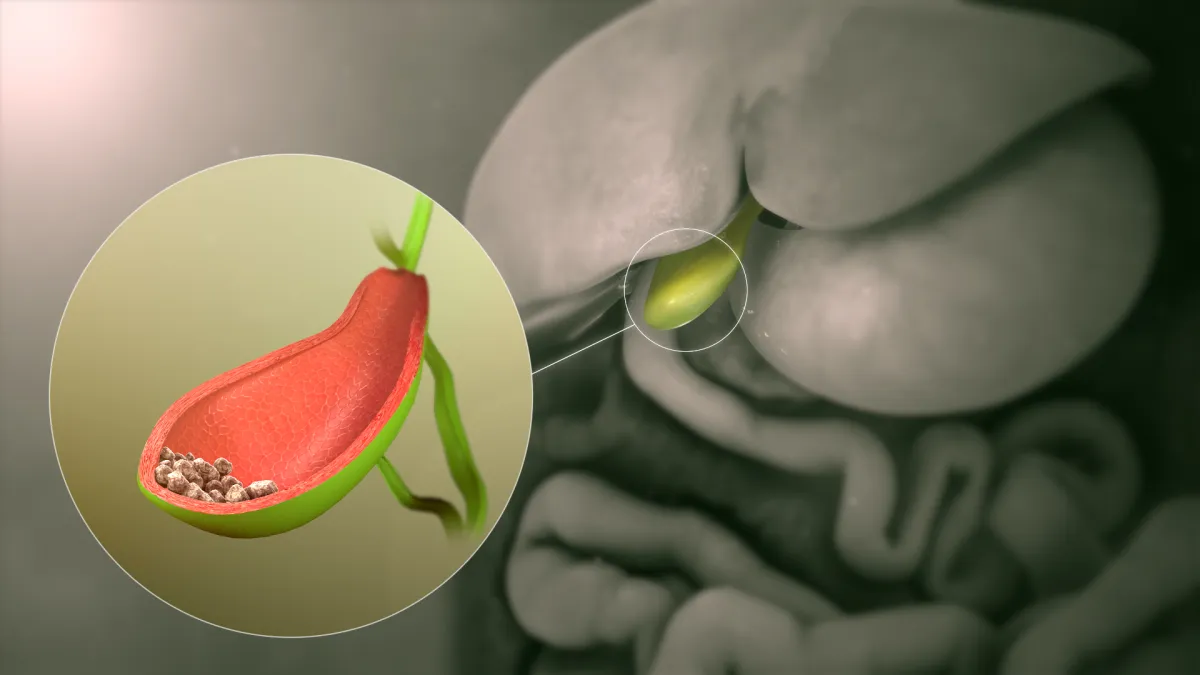
 Photo: www.scientificanimations.com, CC BY-SA 4.0, via Wikimedia Commons
A gallbladder diet means small, regular meals, modest amounts of fat (not zero), plenty of fiber from vegetables, fruit and whole grains, and avoiding the large, fried or fatty meals that most often trigger a gallbladder attack. It will not dissolve gallstones, but it can make attacks less frequent and keep a sluggish gallbladder emptying properly. Crash diets, long fasts and olive-oil “liver flushes” raise the risk of complications rather than lowering it.
Key takeaways:
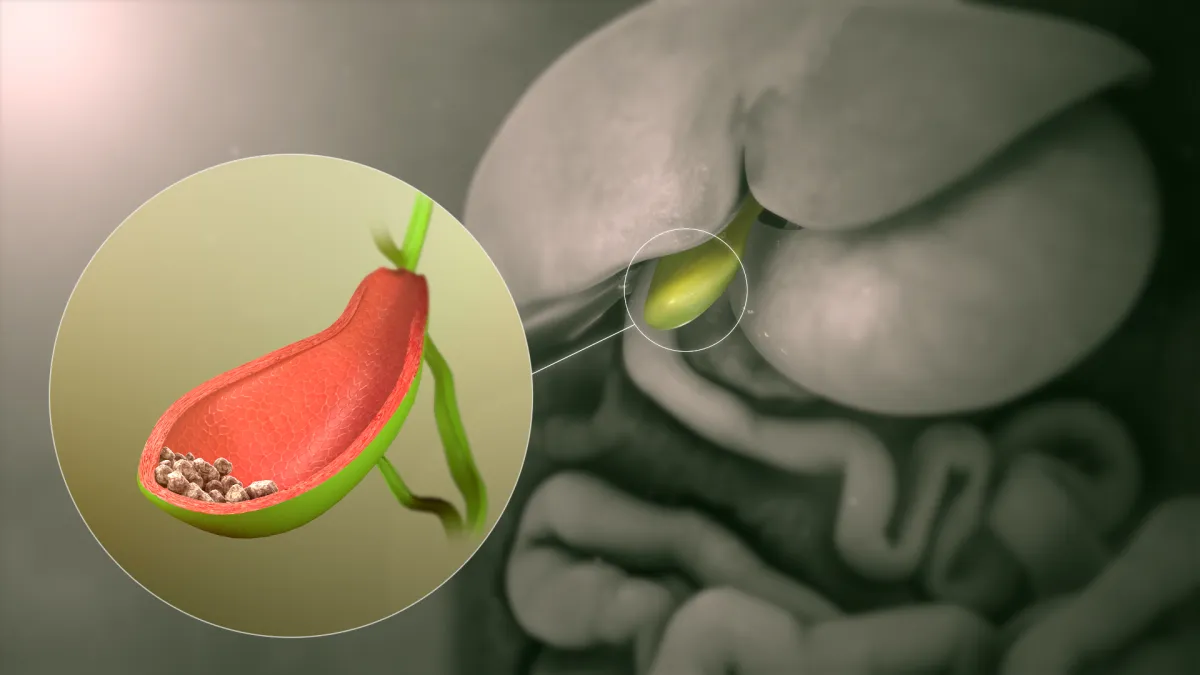
- Biliary colic usually follows a heavy or fatty meal, when the gallbladder squeezes against a stone blocking its outlet.
- Don’t cut fat out completely: a little at each meal (1-2 teaspoons of oil) keeps the gallbladder emptying and stops bile from stagnating.
- Eating every 3-4 hours and never skipping breakfast matter as much as the foods you choose.
- Fiber, vegetables, fruit, small amounts of nuts and daily activity are linked to a lower gallstone risk; sugar and refined flour to a higher one.
- Lose no more than 0.5-1 kg (1-2 lb) a week and skip liver or gallbladder flushes: they can push a stone into the bile duct.
- Fever, yellowing skin or pain that lasts for hours needs urgent care, not a diet.
Why food matters with gallstones or a sluggish gallbladder
Your liver makes bile all the time, and the gallbladder stores and concentrates it between meals. When food, especially fatty food, reaches the small intestine, the gut releases a hormone called cholecystokinin (CCK). CCK makes the gallbladder contract and push bile into the intestine, where it helps digest fat.
That creates a paradox. If you have gallstones, a fatty meal triggers a strong squeeze and a stone can lodge in the outlet: the result is pain under the right ribs or in the upper middle abdomen, sometimes spreading to the right shoulder blade. On the other hand, if you eat rarely or almost no fat, the gallbladder barely empties, bile stagnates and thickens, and sludge and new stones form more easily. So a good gallbladder diet is not fat-free. It is low in fat, with that fat spread evenly through the day.
Gallstones, sludge or biliary dyskinesia: same diet?
The principles are the same for gallstones, biliary sludge and biliary dyskinesia, often called a “lazy” or sluggish gallbladder. With stones, the priority is avoiding big meals that set off colic. With sludge or a poorly contracting gallbladder, the priority is regularity, so the organ is stimulated to empty often. If your gallbladder has already been removed, the rules are different: see our guide to the diet after gallbladder removal.
Foods that most often trigger gallbladder attacks
Not every fatty food causes an attack in everyone, but some show up again and again in people who have had colic:
- fried foods: breaded cutlets, fries, doughnuts, fried fish, fried pastries;
- fatty meat and processed meat: sausages, bacon, salami, pork crackling, pâté, chicken skin;
- very rich dairy: cream, whipped cream, large amounts of butter, aged full-fat cheeses;
- heavy sauces and roux-thickened dishes: gravies, mayonnaise, cream sauces, soups thickened with flour fried in fat;
- cream cakes and puff pastry: buttercream cakes, croissants, pies, lots of chocolate;
- oversized meals, even if they are not especially fatty: a double helping at a holiday dinner can be enough.
Some people also react to eggs, raw onion, cabbage, beans or coffee on an empty stomach. These foods do not cause stones, but they can bring on bloating or discomfort. A food diary kept for 2-3 weeks (what you ate, when, how you felt) will show your personal triggers far better than any generic list.
Safe fats: how much, which kind and when
The best fats for your gallbladder are unrefined plant oils and fish, eaten in small portions:
- extra virgin olive oil, rapeseed (canola) oil or cold-pressed sunflower oil, added raw, at the end, over your food;
- a small handful (about 15-20 g) of walnuts, almonds or seeds a day;
- a quarter to half an avocado;
- oily fish baked in the oven (trout, salmon, mackerel) once or twice a week, in 100-120 g (3.5-4 oz) portions.
The practical rule: 1-2 teaspoons of oil per main meal, not 3-4 tablespoons in a single frying pan. Boil, steam, braise with a little water, bake in a covered dish or grill without charring. Frying adds a lot of fat at once and makes it harder to digest.
Large observational studies have linked regular nut eating and unsaturated fats with fewer gallstones, and weight-loss studies have shown that near fat-free diets lead to more stones than diets with a moderate amount of fat. These are associations and findings in specific groups, not proof that oil treats existing stones.
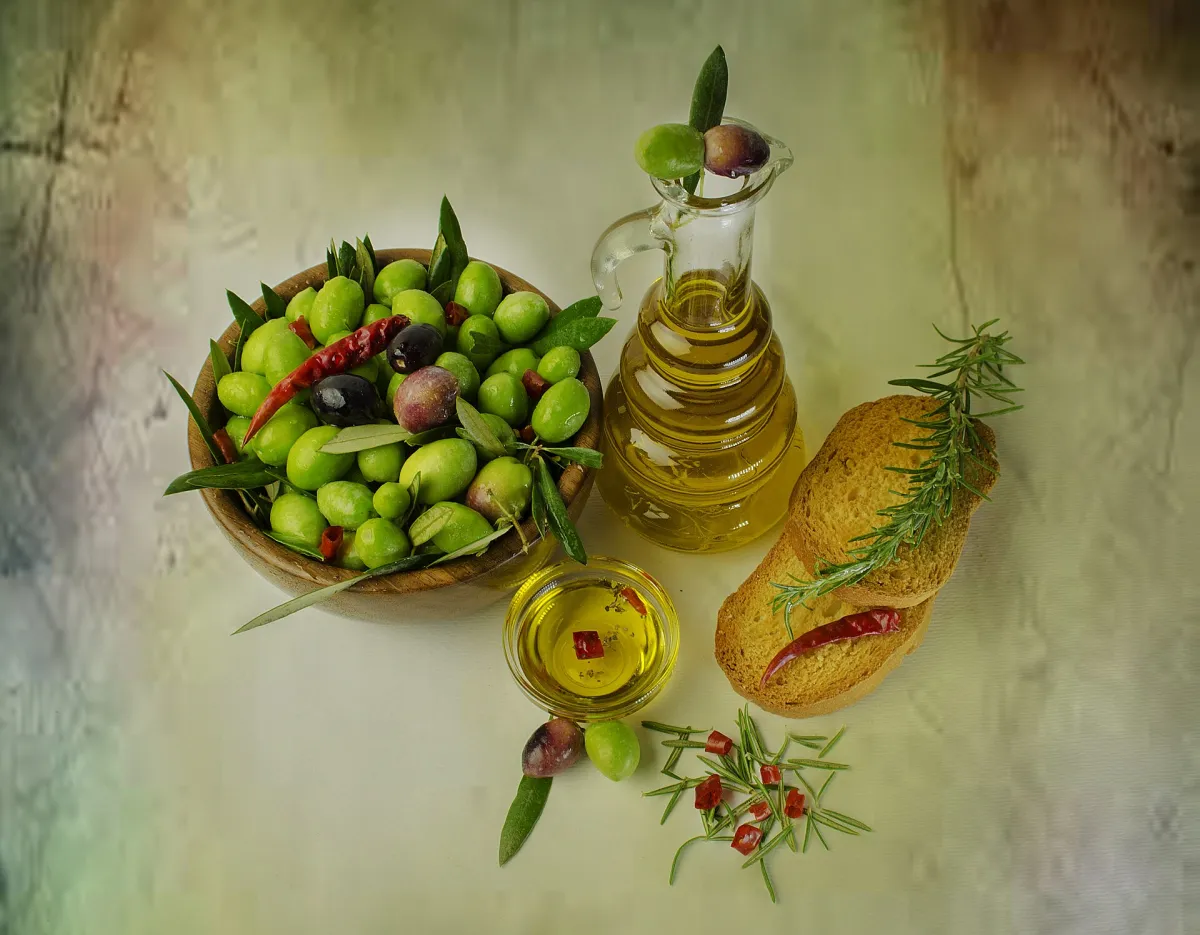 Photo: Dina Said, CC BY-SA 4.0, via Wikimedia Commons
What to eat every day
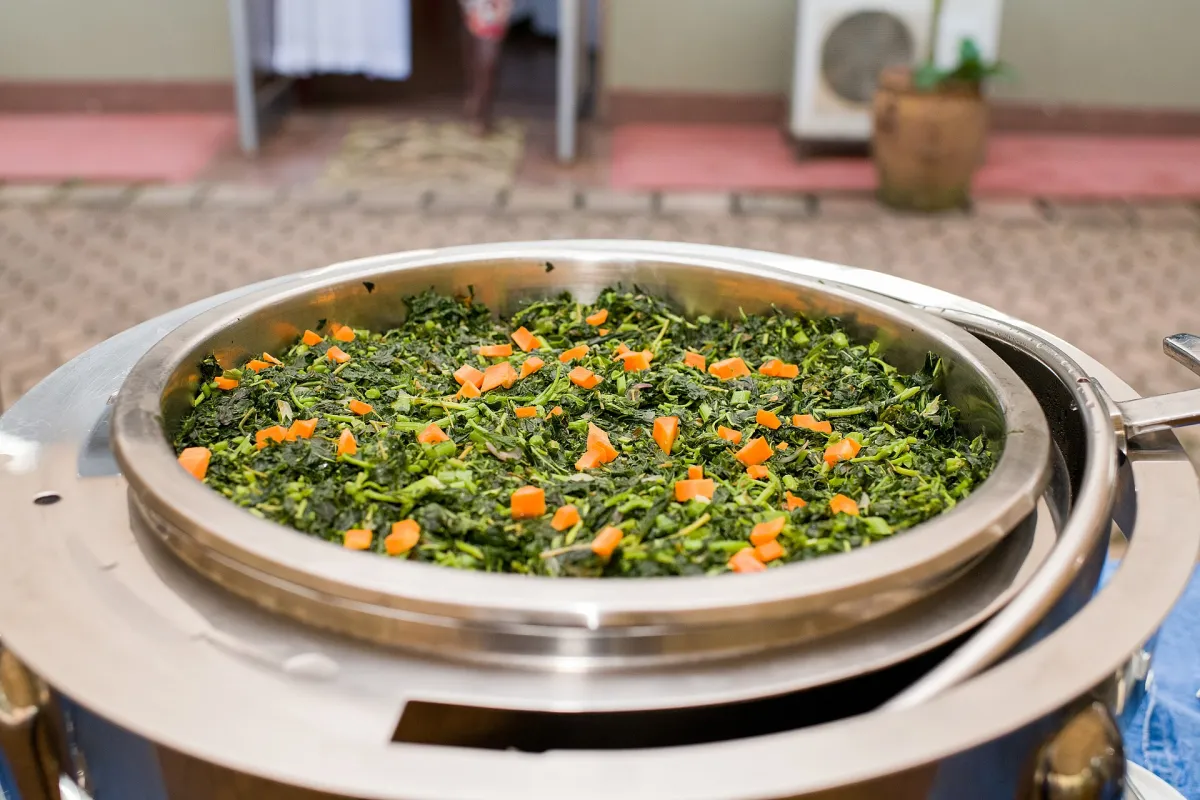
- Vegetables at every meal: zucchini, carrots, beets, green beans, broccoli, spinach, roasted peppers, lettuce. If your stomach is sensitive, choose cooked over raw.
- Fruit, 2-3 servings a day: baked apples, pears, berries, citrus, apricots, plums.
- Whole grains: oats, buckwheat, brown rice, wholemeal or rye bread. They replace white flour and sugar, which are linked to a higher gallstone risk.
- Lean protein: skinless chicken or turkey, white fish, eggs (if tolerated), tofu, well-cooked red lentils.
- Lower-fat dairy: 1.5-2% yogurt and kefir, low-fat cottage cheese, ricotta.
- Fluids: 1.5-2 litres a day, mostly water and unsweetened herbal teas.
Coffee has a bad reputation, yet population studies have associated it with a lower risk of gallstones. It does stimulate gallbladder contraction, though, so if it bothers you, drink it after a meal rather than on an empty stomach and keep to 1-2 cups a day.
Table: what to choose, limit and avoid
| Food group | Choose | Limit | Avoid (especially during flare-ups) |
|---|---|---|---|
| Meat and fish | Skinless chicken or turkey, white fish, baked trout | Lean beef, salmon, whole eggs | Fatty pork, sausages, bacon, salami |
| Dairy | 1.5-2% yogurt and kefir, low-fat cottage cheese | Feta, hard cheese in small portions | Cream, whipped cream, very rich cheeses |
| Fats | Raw olive or rapeseed oil, 1-2 tsp per meal | Butter (1 tsp), avocado, nuts | Lard, pork crackling, deep-fried food |
| Grains | Oats, buckwheat, rice, wholemeal bread | White pasta, polenta with a little cheese | Puff pastry, croissants, doughnuts |
| Vegetables | Almost all, cooked or raw | Cabbage, raw onion, beans | Fried vegetables, creamy sauces |
| Sweets and drinks | Fruit, baked apple, water, chamomile tea | Honey, coffee after meals | Cream cakes, heavy drinking |
Meal timing matters as much as food choice
- Eat 4-5 small meals a day, 3-4 hours apart. The gallbladder partly empties each time and bile doesn’t stagnate.
- Never skip breakfast. After the overnight fast, gallbladder bile is at its most concentrated; a small morning meal gets it moving.
- Have a light dinner 2-3 hours before bed. Many attacks strike at night after a big, late dinner.
- Keep portions moderate: half the plate vegetables, a quarter protein, a quarter grains or potatoes. Eat slowly and stop before you feel full.
- Avoid very long gaps and strict intermittent fasting (16 hours or more) if you have gallstones or sludge, unless your doctor agrees.
3-day gallbladder diet meal plan
| Meal | Day 1 | Day 2 | Day 3 |
|---|---|---|---|
| Breakfast (7-8 am) | Oat porridge with 1.5% milk or water, grated apple, cinnamon, 3-4 walnut halves | 2 slices wholemeal bread, low-fat cottage cheese with dill, tomato, cucumber | 2% yogurt with 3 tbsp oats, blueberries and 1 tsp ground flaxseed |
| Snack (10-11 am) | A pear | Baked apple with cinnamon | Small handful of almonds and a tangerine |
| Lunch (1-2 pm) | Vegetable soup without roux; baked chicken breast with mashed potatoes made with milk and 1 tsp olive oil | Light turkey meatball soup with lemon, no cream; rice with steamed vegetables | Baked trout with lemon and herbs; boiled potatoes and green beans with 1 tsp oil |
| Snack (4-5 pm) | Plain yogurt with 1 tsp honey | A glass of kefir | Unsweetened stewed plums |
| Dinner (7 pm) | Oven-baked zucchini stuffed with rice and lean ground turkey | Omelette of 1 egg and 2 whites with spinach, in a non-stick pan; green salad | Buckwheat with braised mushrooms and carrot; roasted beet salad |
Swap meat for fish or tofu as you like, add oil raw at the end and adjust portions to your weight and activity. If a meal causes discomfort, note it and replace the suspect food.
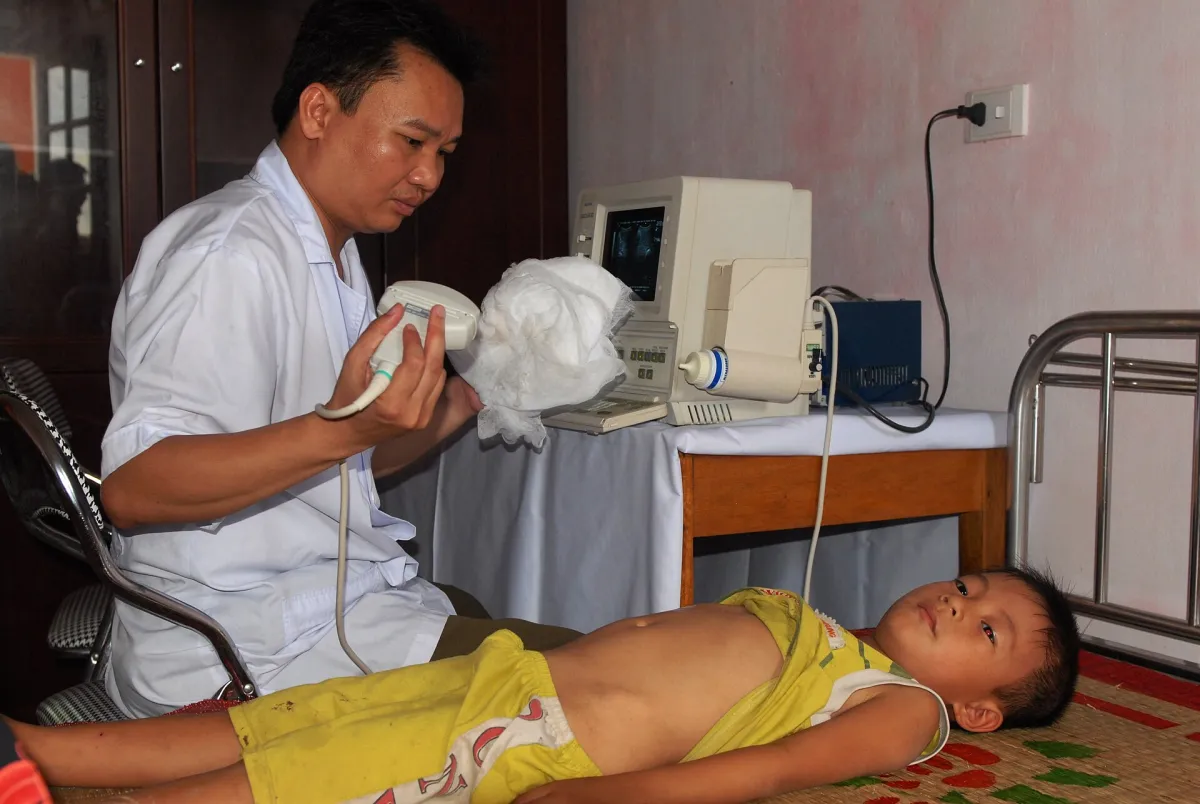
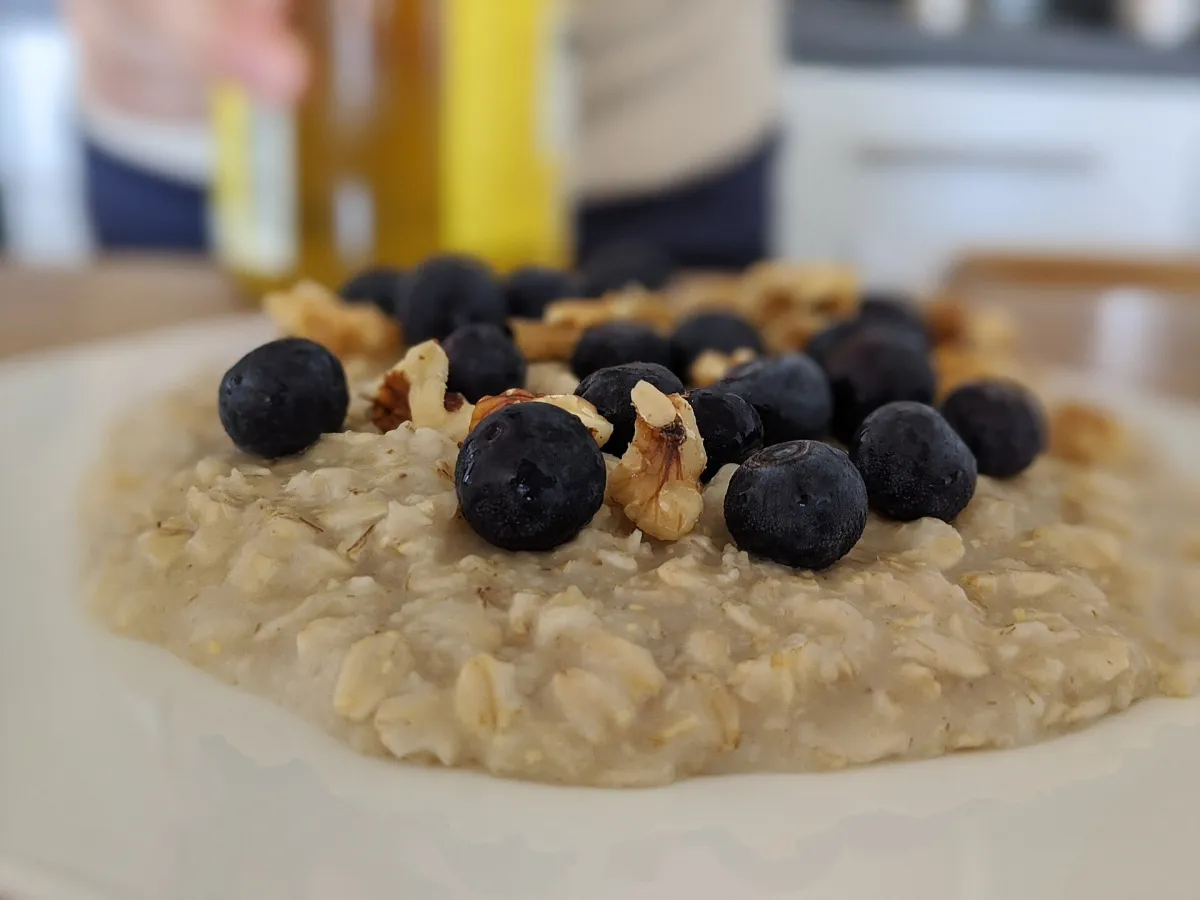 Photo: Shisma, CC BY 4.0, via Wikimedia Commons
Why rapid weight loss and liver flushes are risky
Carrying extra weight raises gallstone risk, so losing weight helps, but the pace matters a great deal. On a very restrictive diet, the liver releases more cholesterol into bile, while the gallbladder, rarely stimulated by tiny, almost fat-free meals, barely contracts. That is why stones often form during months of fast weight loss, including after bariatric surgery, where doctors sometimes prescribe ursodeoxycholic acid as prevention. A pace of 0.5-1 kg (1-2 lb) a week, with regular meals that each contain a little fat, is far safer.
The popular “liver and gallbladder flush” usually involves fasting, Epsom salt (magnesium sulfate) and then half a glass of olive oil mixed with grapefruit or lemon juice. The green “stones” passed the next day are largely clumps of oil and digestive juices formed in the gut, not real gallstones. The risks, however, are real:
- a sudden, forceful contraction can push a stone into the common bile duct, causing jaundice, cholangitis (bile duct infection) or acute pancreatitis;
- Epsom salt causes severe diarrhea and dehydration, and in people with kidney disease it can lead to magnesium build-up;
- pain during a flush is often blamed on “cleansing”, so medical help gets delayed.
Long water-only fasts and juice-only cleanses carry a similar problem: the gallbladder sits idle, then a large meal suddenly forces it to work.
Herbs and teas: tradition versus caution
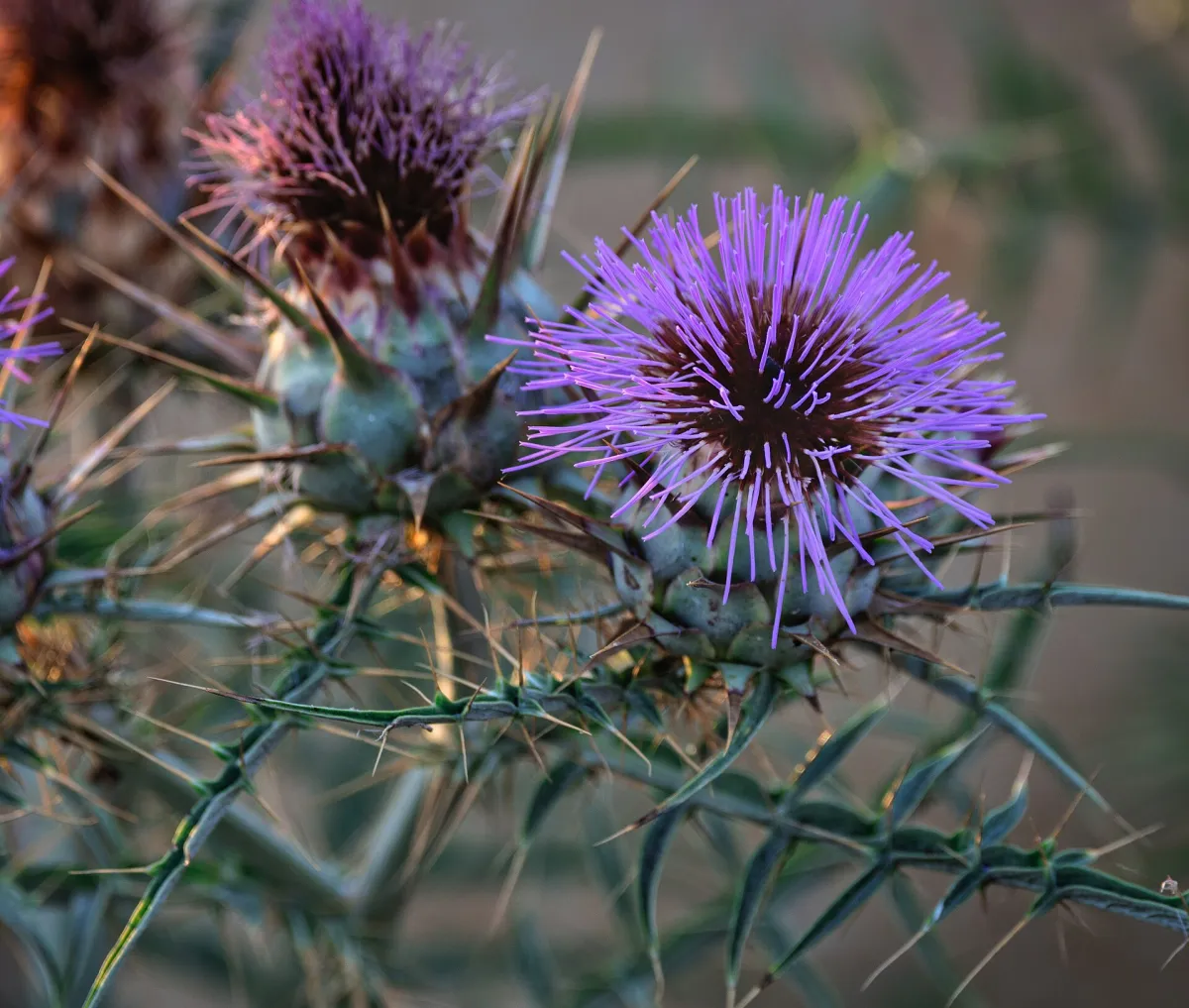
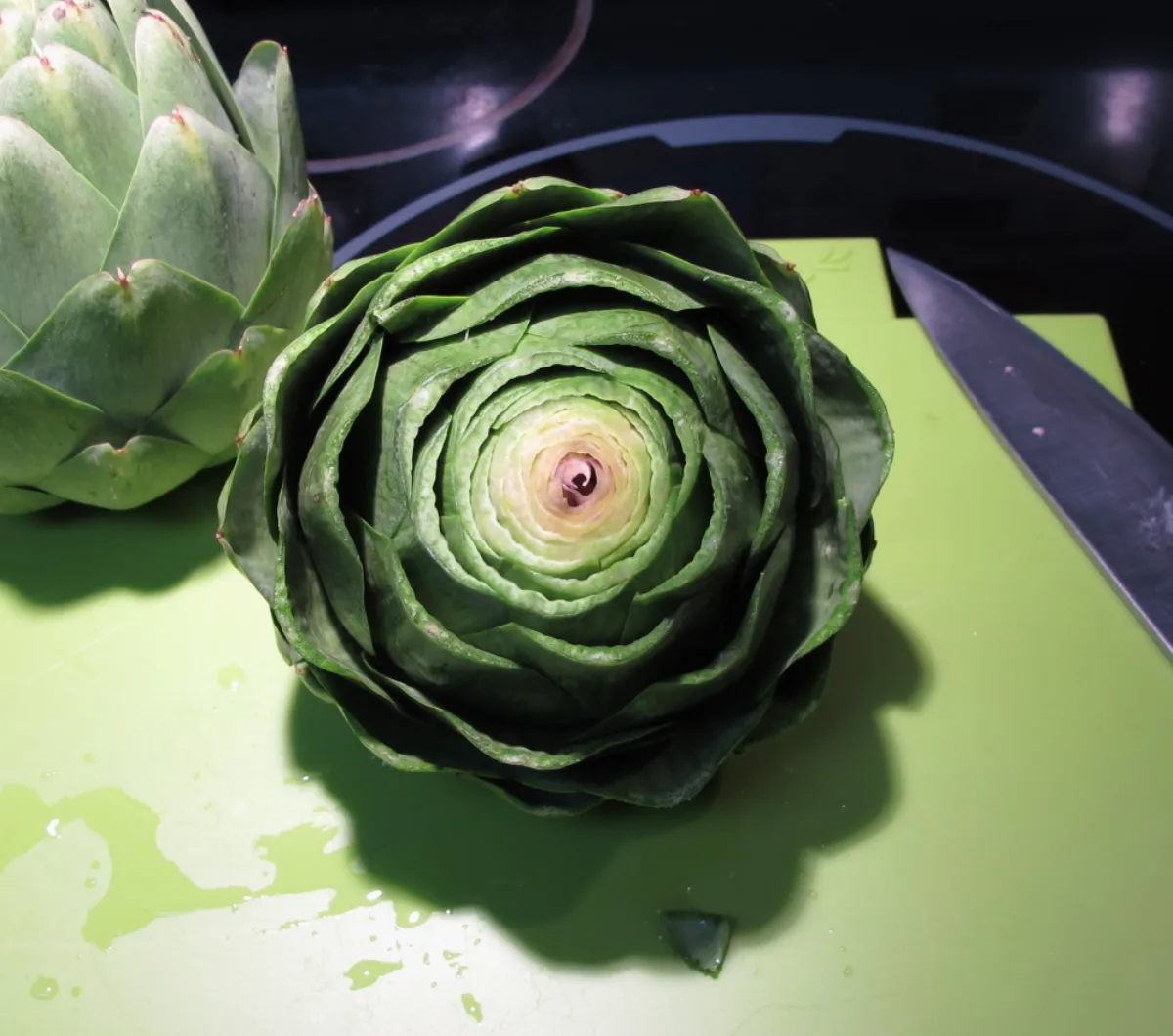
Artichoke, dandelion, black radish, milk thistle and turmeric are traditionally used “for the gallbladder”. Artichoke and dandelion are choleretic, meaning they increase bile production, and the EMA monograph on artichoke leaf accepts its traditional use for mild digestive complaints. The same monograph, however, lists bile duct obstruction as a contraindication and advises seeing a doctor if you have gallstones. Herbs that increase bile flow are not a good idea with known stones unless your doctor approves. Chamomile and fennel are gentler options for bloating and digestive discomfort. No tea dissolves gallstones.
Special situations
- Pregnancy raises the risk of sludge and stones: same diet, but no weight-loss diets, no choleretic herbs and regular medical follow-up.
- Diabetes is linked to a higher gallstone risk; the plan above works well, with attention to grain and fruit portions.
- Kidney disease: no Epsom salt and no magnesium supplements unless prescribed.
- Symptomatic gallstones: NICE and EASL guidelines generally recommend gallbladder removal. Diet reduces attacks while you wait or if surgery isn’t possible, but it does not replace a surgical assessment.
When to see a doctor
Get urgent care if you have:
- pain in the upper right or upper middle abdomen lasting more than 4-6 hours;
- fever or chills along with the pain (possible cholecystitis or cholangitis);
- yellow skin or eyes, dark urine, pale clay-colored stools;
- repeated vomiting or inability to keep fluids down;
- severe band-like pain spreading to the back (possible pancreatitis).
Book an appointment too if you have repeated attacks, even short ones. For what to do during an episode, read our article on biliary colic.
Common mistakes
Cutting out fat completely. The gallbladder is no longer stimulated, bile stagnates and sludge becomes more likely.
Eating only once or twice a day. Long gaps followed by a big meal are a classic recipe for an attack.
Offsetting fried food with “gallbladder teas”. Choleretic herbs can make an attack more likely, not less.
Trying a flush to avoid surgery. You risk serious complications and the real stones stay put.
Ignoring attacks that “go away on their own”. Each episode raises the chance of a complication and deserves a check-up.
Conclusion
A gallbladder diet is simple in principle: small, regular meals, plenty of vegetables, fruit and whole grains, a little healthy fat at every meal, and no fried food, processed meat or oversized portions. It can greatly reduce attacks and keeps a sluggish gallbladder from stagnating, but it won’t dissolve stones. Lose weight slowly, skip flushes and talk to your doctor if attacks keep coming back.
Frequently asked questions
Can I eat eggs if I have gallstones? Most people tolerate a boiled egg or an omelette made in a non-stick pan. The yolk contains fat, so some feel discomfort; start with one egg and see how you react. Avoid eggs fried in lots of oil or served with bacon.
Is coffee bad for your gallbladder? Population studies don’t show it raises gallstone risk; if anything, coffee drinkers have a lower risk. It can stimulate gallbladder contraction, so drink it after meals and stop if you notice it brings on pain.
Can diet dissolve gallstones? No. Diet lowers the number of attacks and the formation of new stones. Small cholesterol stones can sometimes be dissolved with ursodeoxycholic acid, a prescription medicine, but treatment takes months and stones often return once it stops.
What should I eat after a gallbladder attack? For the first few hours, clear fluids only: water, chamomile tea, strained vegetable broth. Then move gradually to boiled rice, baked potato, baked apple, toast and low-fat yogurt, and after 1-2 days back to your usual low-fat menu. Returning pain or fever needs a medical review.
Should I take olive oil on an empty stomach in the morning? Not if you have gallstones. A tablespoon of oil on an empty stomach causes a sudden gallbladder contraction and can trigger an attack. Use oil raw over food, in small amounts, at each meal.
Is fasting safe with gallstones? A plant-based religious fast with vegetables, legumes, grains and oil can fit well, as long as you don’t replace meat with fried food. Going whole days without eating, or strict long fasting windows, is not recommended with gallstones or biliary sludge.
Sources and further reading
- NHS, “Gallstones” (symptoms, causes, treatment and prevention).
- NICE Clinical Guideline CG188, “Gallstone disease: diagnosis and management”, 2014.
- European Association for the Study of the Liver (EASL), “Clinical Practice Guidelines on the prevention, diagnosis and treatment of gallstones”, Journal of Hepatology, 2016.
- National Institute of Diabetes and Digestive and Kidney Diseases (NIDDK), “Eating, Diet, & Nutrition for Gallstones”.
- European Medicines Agency, HMPC, Community herbal monograph on Cynara scolymus folium (artichoke leaf).
This content is for information only and does not replace a consultation with a doctor or pharmacist. Gallbladder pain with fever, jaundice or vomiting needs urgent medical assessment.