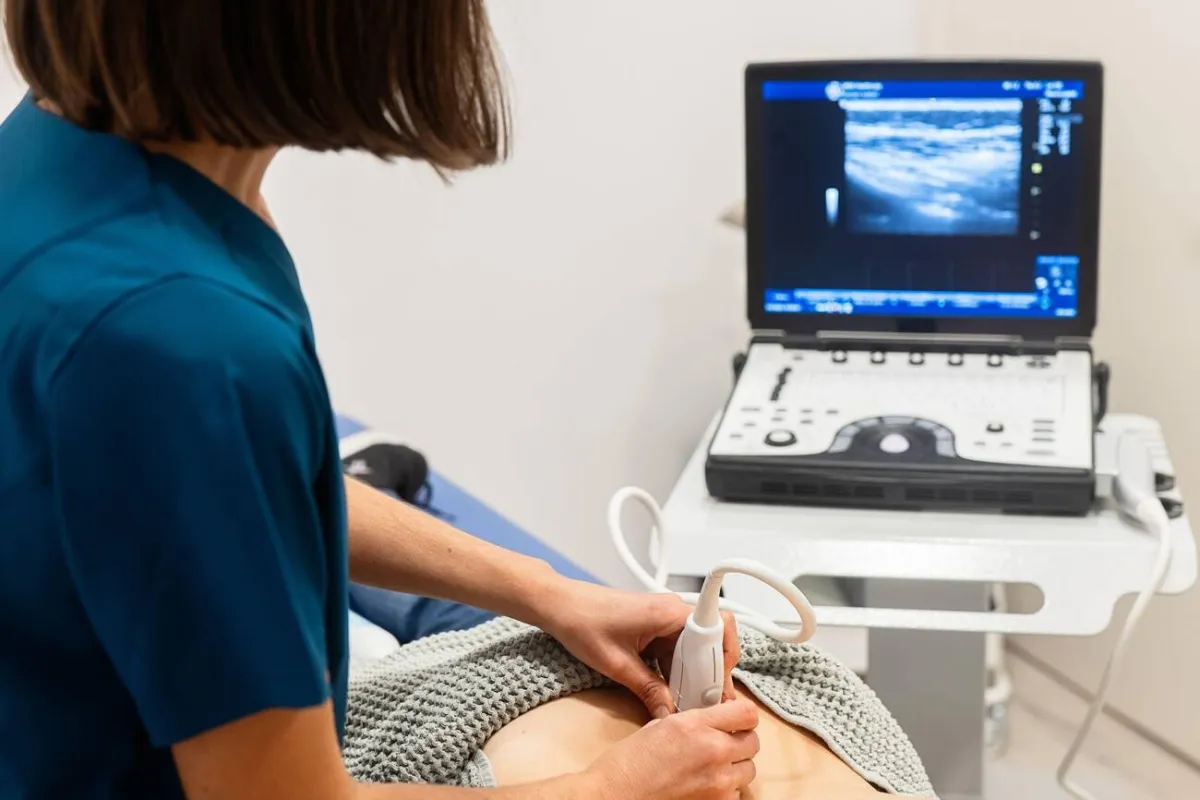
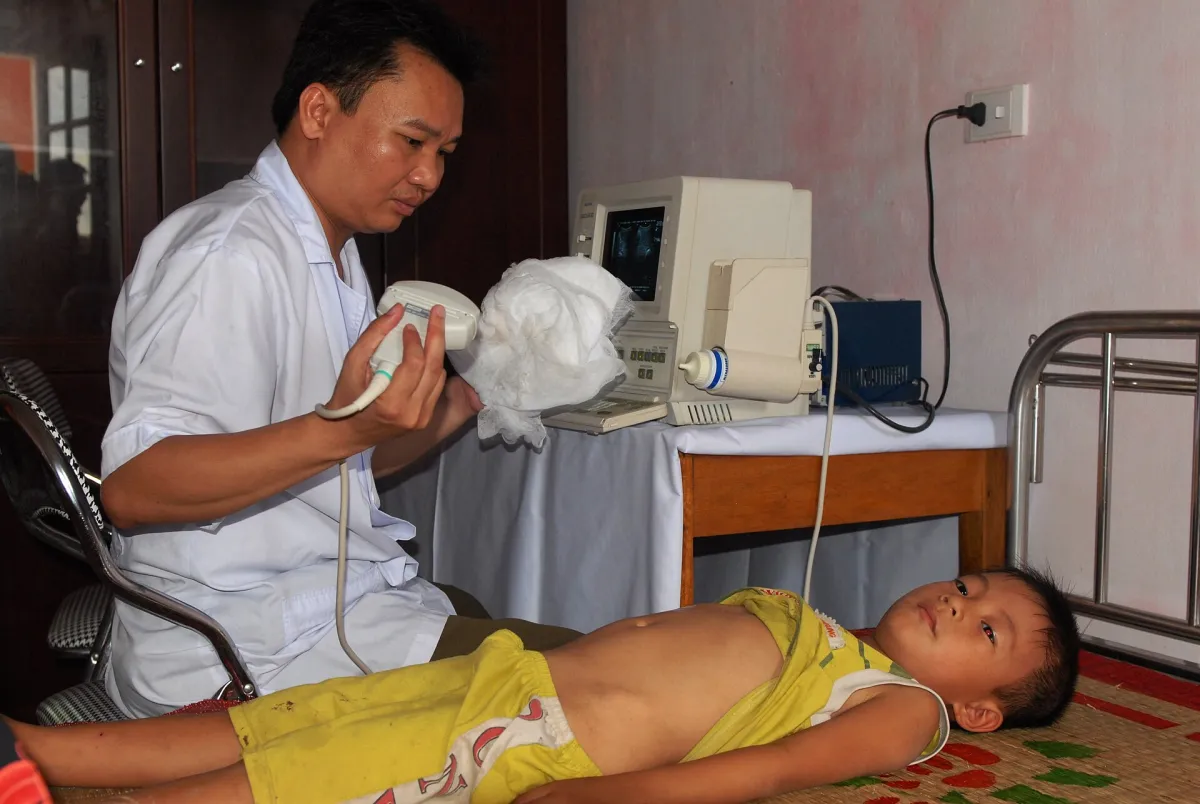
 Photo: Harrison Keely, CC BY 4.0, via Wikimedia Commons
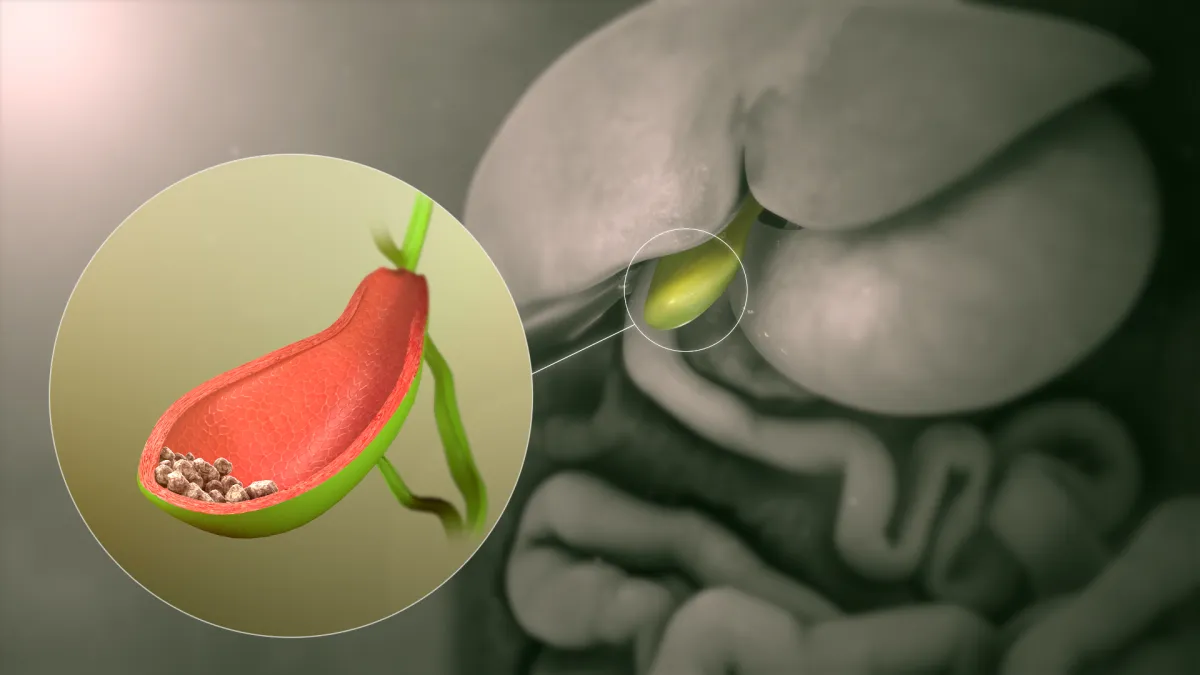
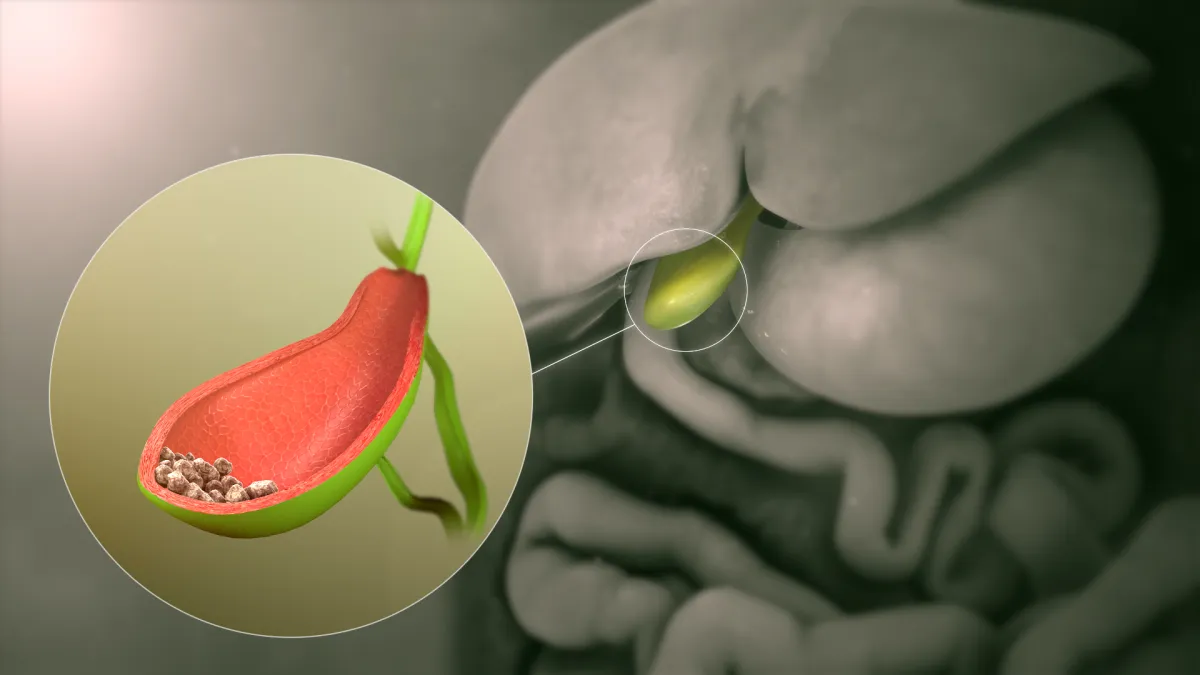
Gallbladder polyps are small growths projecting from the gallbladder wall, usually found by chance on ultrasound. Most of them (around 60-90% in various series) are cholesterol pseudopolyps, benign and with no potential to become cancerous. Risk depends mainly on size: polyps under 6 mm without risk factors generally need no follow-up, those of 6-9 mm are monitored with ultrasound, and those of 10 mm or more are generally an indication for surgery. No herb or cleanse “melts” polyps.
Key takeaways
- Most gallbladder polyps are cholesterol polyps and benign.
- Size is the main criterion: under 6 mm, 6-9 mm, 10 mm or more.
- Risk factors (age over 60, primary sclerosing cholangitis, a sessile polyp) change the recommendation.
- Follow-up scans show whether a polyp grows; growth of 2 mm or more is significant.
- A balanced diet supports overall biliary health but does not shrink polyps.
- Remedies “to dissolve polyps” have no evidence and can delay the right decision.
What gallbladder polyps are
The term “polyp” describes any projection of the gallbladder lining into its cavity that does not move when the patient changes position and does not cast an acoustic shadow the way stones do. Very different lesions fall under this label:
- Cholesterol polyps (pseudopolyps): cholesterol deposits in the lining, usually under 10 mm, often multiple. They are the most common and do not become cancerous.
- Inflammatory polyps: arise from chronic inflammation, for example in chronic cholecystitis.
- Adenomyomatosis: a benign thickening of the wall with a distinctive ultrasound appearance.
- Adenomas: true polyps, rare, with potential for malignant change, especially above 10 mm.
A standard ultrasound cannot always reliably tell these types apart, so decisions are based on size, shape and change over time.
Symptoms
In the vast majority of cases, polyps cause no symptoms. When there is discomfort (upper right heaviness, bloating, fat intolerance), it is usually due to coexisting stones, biliary sludge or biliary dyskinesia, not the polyp itself. Rarely, a fragment of a cholesterol polyp can break off and cause colic or pancreatitis.
Risk factors for problematic polyps
The 2022 joint European guideline (ESGAR, EAES, EFISDS, ESGE) lists these risk factors for malignancy:
- age over 60;
- primary sclerosing cholangitis;
- Asian ethnicity;
- a sessile (broad-based) polyp, including focal wall thickening over 4 mm.
What guidelines recommend: summary table
| Polyp size | No risk factors | With risk factors |
|---|---|---|
| under 6 mm | usually no follow-up | ultrasound at 6 months, 1 year and 2 years |
| 6-9 mm | ultrasound at 6 months, 1 year and 2 years | cholecystectomy is discussed |
| 10 mm or more | cholecystectomy recommended | cholecystectomy recommended |
| growth of 2 mm or more within 2 years | cholecystectomy is discussed | cholecystectomy is discussed |
The table is a simplified summary of the guideline; the final decision rests with the gastroenterologist or surgeon, who takes into account the ultrasound appearance, your history and any symptoms. If a polyp disappears at follow-up, it was very likely a pseudopolyp or adherent sludge.
What follow-up looks like in practice
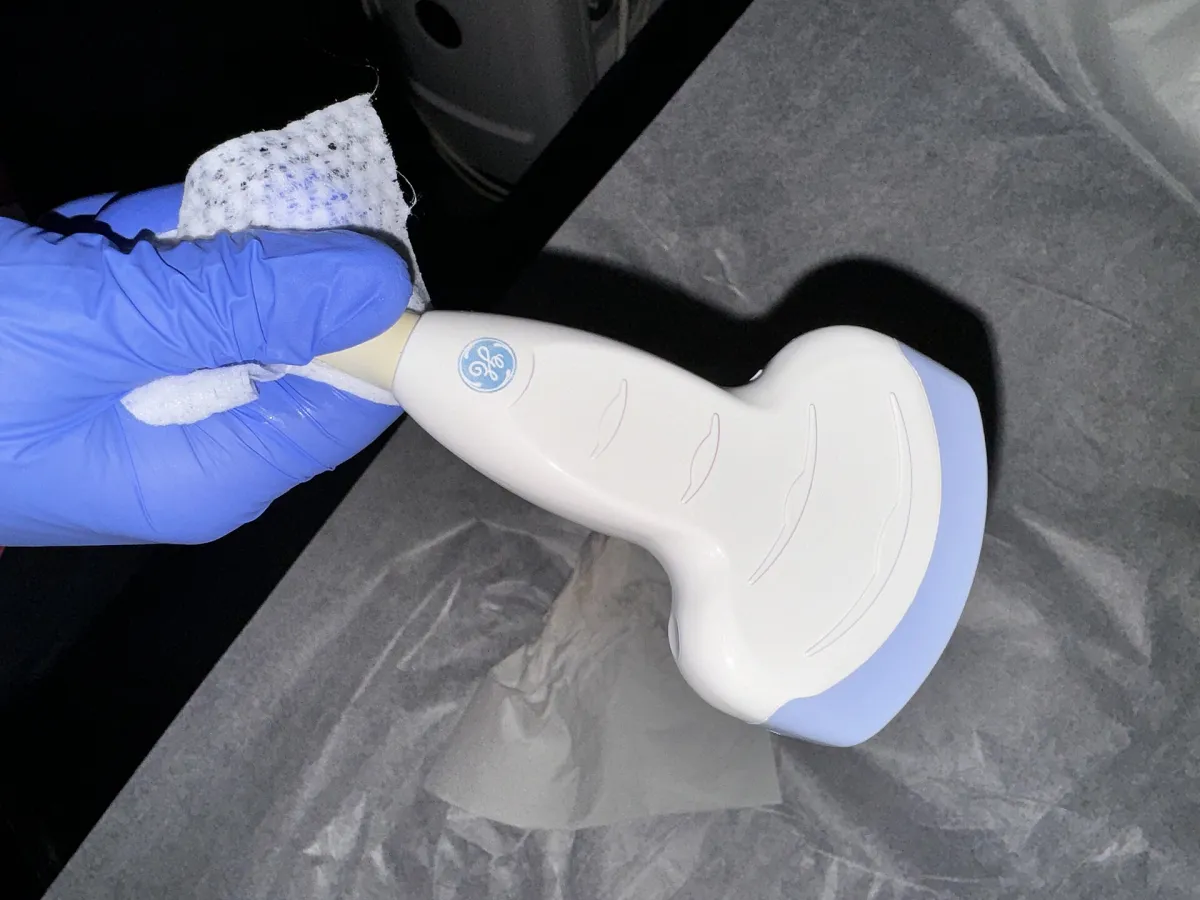
- Ultrasound with a full gallbladder: fasting for 6-8 hours so the gallbladder is distended and the wall is visible.
- Same examiner or centre if possible: measurements can vary by 1-2 mm between machines and operators.
- Keep your reports: comparison over time matters more than a single number.
- Contrast-enhanced ultrasound or endoscopic ultrasound: in uncertain cases, to characterise the polyp better.
Diet and lifestyle
Cholesterol polyps are statistically associated with dyslipidemia, metabolic syndrome and fatty liver. There is no evidence that changing your diet shrinks an existing polyp, but the same habits that protect the liver and gallbladder are useful for overall health:
- a stable weight, losing slowly if needed;
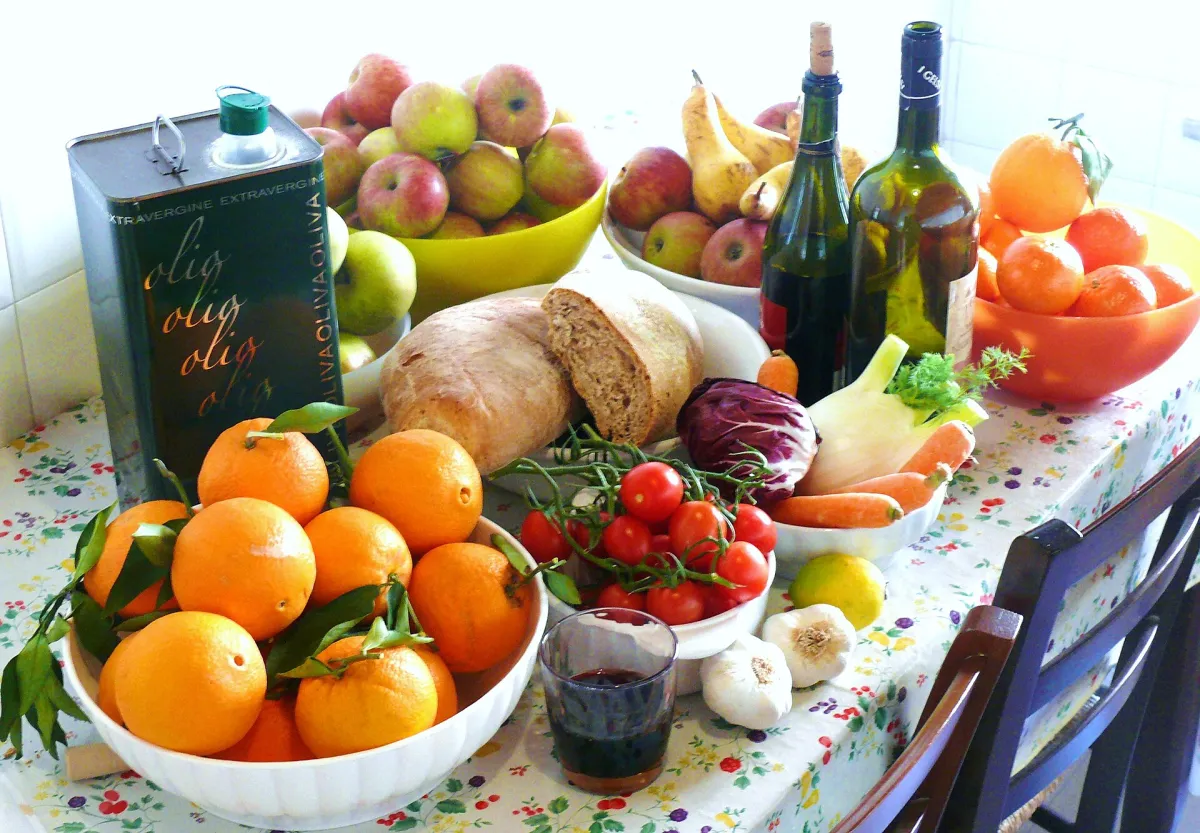
- unsaturated fats (olive oil, nuts, oily fish) instead of saturated ones;
- fiber from vegetables, legumes, whole grains and fruit;
- as little refined sugar and sweetened drinks as possible;
- regular meals, no long fasts;
- at least 150 minutes of physical activity a week;
- as little alcohol as possible.
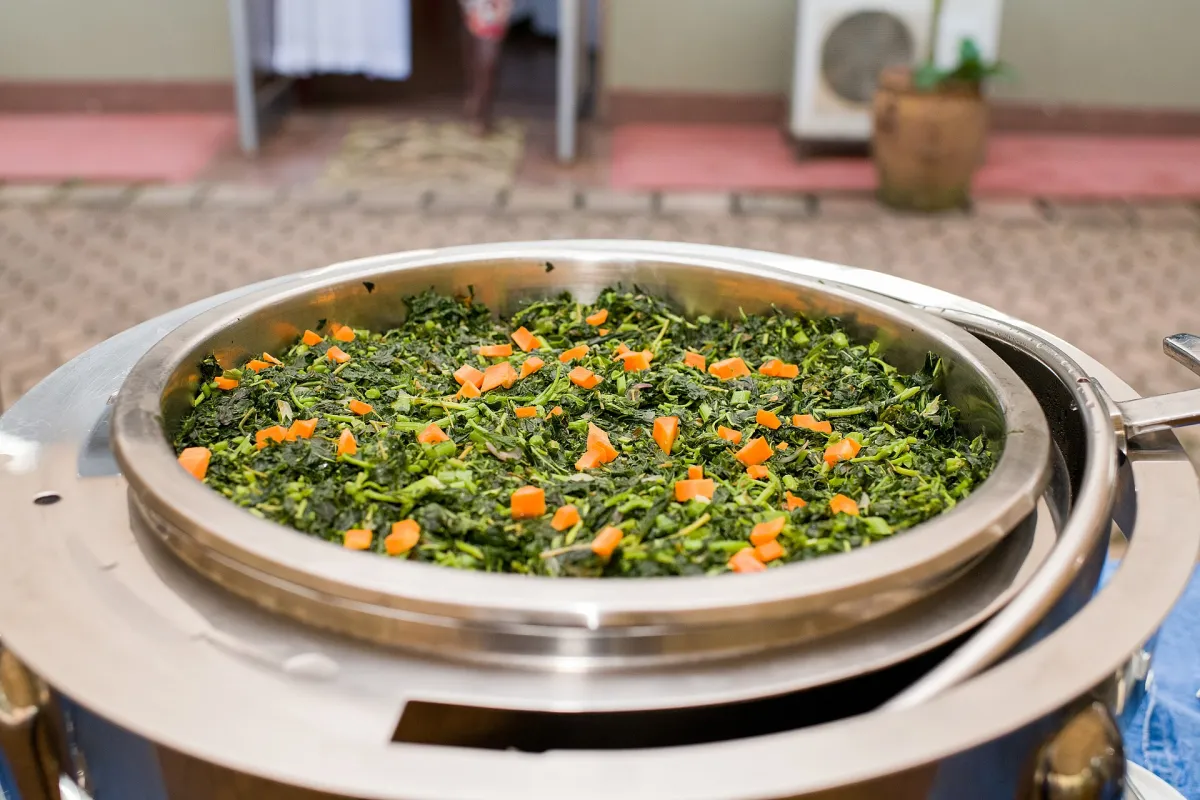
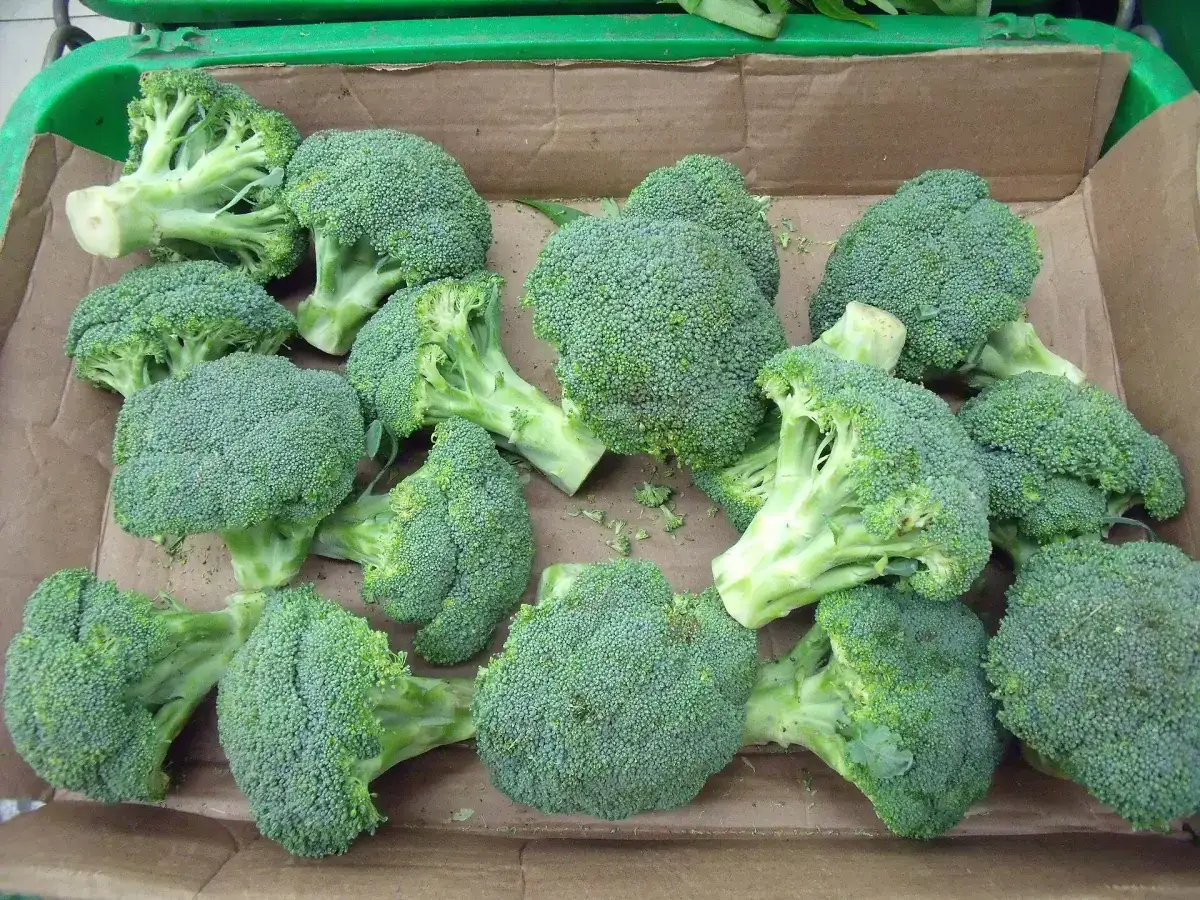 Photo: David, Public domain, via Wikimedia Commons
A sample balanced plate
Half the plate vegetables (broccoli, carrots, zucchini, salad), a quarter lean protein (fish, chicken, legumes), a quarter whole grains (brown rice, buckwheat, bulgur), plus a teaspoon of raw olive oil. This Mediterranean-style pattern is associated with a better lipid profile.
Herbs and natural remedies: realistic expectations
Online you will find recipes “to dissolve polyps” with greater celandine, wormwood, oil and lemon, or bitter tinctures. There are no studies showing that any of them shrink gallbladder polyps. Moreover:
- greater celandine (Chelidonium majus) has been linked to cases of toxic hepatitis;
- oil and lemon flushes can trigger colic if stones are also present;
- treatments promising “dissolution” can lead patients to postpone a follow-up scan or a necessary operation.
Gentle herbs can be used for digestive comfort, not for the polyp: dandelion tea in short courses if there are no stones, or chamomile and peppermint for bloating. Tell your doctor about any supplement.
Contraindications and precautions
- No strong choleretic herbs if the ultrasound also shows stones or sludge.
- No “gallbladder detox” supplements taken for months.
- No homemade greater celandine preparations.
- Statins or other cholesterol medicines are taken only on medical advice, for reasons other than the polyp.
When to see a doctor sooner
- a polyp that grows between two scans;
- a polyp of 10 mm or more;
- gallbladder wall thickening reported on ultrasound;
- recurrent biliary pain, jaundice, weight loss, fever.
Useful questions for your doctor
When you receive your ultrasound result, a few clear questions help you understand the situation and avoid leaving the clinic with needless worry:
- What is the exact size of the polyp, and is there one or several?
- Is it broad-based (sessile) or on a stalk?
- Is the gallbladder wall thickened around it?
- Do I have any risk factor that changes the recommendation?
- When should I repeat the scan, and what happens if the polyp grows?
- Are my symptoms explained by the polyp or by something else, such as stones or reflux?
Write down the answers and keep them with your reports. If you end up having surgery, a well-managed diet after gallbladder removal makes recovery easier.
Common mistakes
- Panicking over a 3-4 mm polyp. Most are benign cholesterol pseudopolyps.
- Neglecting follow-up of a 6-9 mm polyp. Monitoring is exactly what guidelines recommend.
- “Dissolving” cures instead of an ultrasound. They have no proven effect.
- Comparing scans done without fasting. An empty gallbladder can make measurements inaccurate.
- Confusing polyps with stones. Only stones move and cast a shadow; management differs.
Conclusion
Gallbladder polyps are a common and usually reassuring finding. Size, risk factors and change over time decide whether they are monitored or removed. A Mediterranean diet, stable weight and exercise support liver and bile health, but they do not replace follow-up scans. Be sceptical of any remedy that promises to “melt” polyps.
Frequently asked questions
Do gallbladder polyps go away on their own? Some do, especially cholesterol pseudopolyps or sludge mistaken for a polyp. A follow-up ultrasound clarifies the situation.
Is a 5 mm gallbladder polyp dangerous? A polyp under 6 mm without risk factors is considered very low risk, and the European guideline generally does not recommend follow-up. Talk to your doctor if you have risk factors.
At what size is a gallbladder polyp removed? Generally at 10 mm or more, or at 6-9 mm when there are risk factors or growth of at least 2 mm.
What should I avoid eating with gallbladder polyps? There is no polyp-specific list. A diet low in saturated fat, fried food and refined sugar is recommended, as for preventing gallstones.
Do gallbladder polyps cause pain? Usually not. Pain is more often explained by stones, sludge or dyskinesia.
Is there a natural treatment for gallbladder polyps? No natural remedy has been shown to shrink polyps. A healthy diet supports general health, and ultrasound follow-up remains essential.
How often should I have an ultrasound if I have a polyp? For 6-9 mm polyps without risk factors, the European guideline suggests scans at 6 months, 1 year and 2 years. Your doctor may adjust the schedule.
Sources
- Foley KG et al. “Management and follow-up of gallbladder polyps: updated joint guidelines between ESGAR, EAES, EFISDS and ESGE”, European Radiology, 2022.
- EASL Clinical Practice Guidelines on the prevention, diagnosis and treatment of gallstones (2016).
- EMA/HMPC reports on the safety of Chelidonii herba (greater celandine) and liver risk.
- NHS and NIDDK resources on gallbladder disease.
Informational content. Decisions on monitoring or removing a polyp belong to your specialist.