 Photo: National Eye Institute, CC BY 2.0, via Wikimedia Commons
High bilirubin means more of the yellow pigment produced by the breakdown of hemoglobin is circulating in your blood. If only the indirect bilirubin is raised and the other liver tests are normal, the most common explanation in adults is Gilbert’s syndrome, a harmless genetic variant. If the direct bilirubin is raised, especially together with alkaline phosphatase, GGT or transaminases, the cause lies in the liver or bile ducts and needs investigating.
Key takeaways
- Total bilirubin = indirect (unconjugated) + direct (conjugated) bilirubin.
- Isolated raised indirect bilirubin: most often Gilbert’s syndrome, sometimes hemolysis.
- Raised direct bilirubin: liver or bile ducts (hepatitis, stones, obstruction, medicines).
- In Gilbert’s, fasting, dehydration, stress and infections temporarily raise bilirubin.
- Jaundice with dark urine and pale stools needs prompt care.
- No tea “lowers bilirubin”; the cause is what matters.
How bilirubin is formed
Red blood cells live for about 120 days. When they are broken down, hemoglobin is converted into indirect (unconjugated) bilirubin, which is insoluble in water and carried to the liver. The liver “conjugates” it using an enzyme (UGT1A1), turning it into soluble direct bilirubin, which is excreted in bile and then in stool. That is why stool is brown.
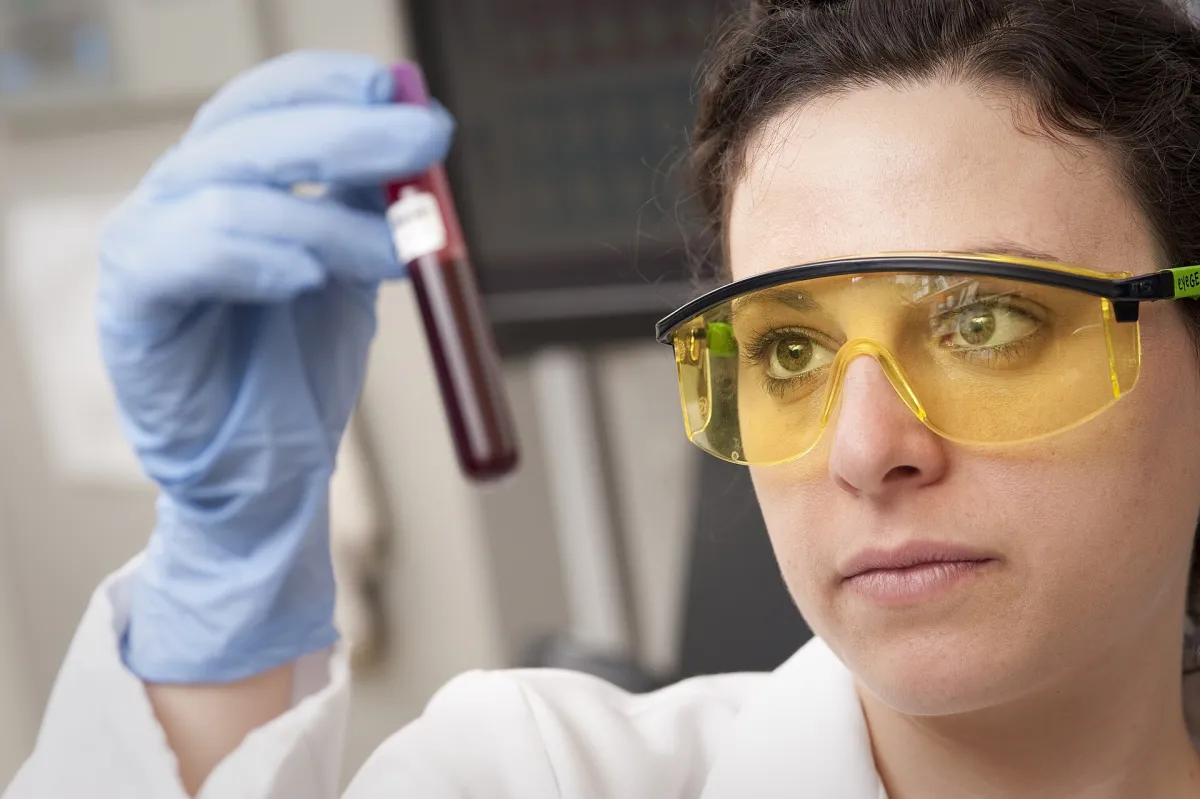
When this pathway is blocked or overloaded at any point, bilirubin builds up in the blood. At high enough levels, jaundice appears: the whites of the eyes and the skin turn yellow.
Approximate values
Reference ranges vary between laboratories. Roughly, in adults, total bilirubin is below about 1.0-1.2 mg/dL (around 17-21 µmol/L), and direct bilirubin below 0.3 mg/dL. Jaundice usually becomes visible above 2.5-3 mg/dL. Always compare your result with the range on your report.
Raised indirect bilirubin
Gilbert’s syndrome
A common genetic variant (present in a significant percentage of the population) in which the conjugating enzyme works more slowly. Features:
- mildly raised indirect bilirubin, usually below 3-4 mg/dL;
- normal transaminases, GGT, alkaline phosphatase and blood count;
- temporary rises with fasting, intense exercise, dehydration, lack of sleep, stress, infections, menstruation;
- may cause slight yellowing of the eyes during these periods;
- does not lead to liver disease and needs no treatment.
People with Gilbert’s should know that some medicines (for example irinotecan, used in oncology, and some antivirals) are metabolised by the same enzyme; tell your doctor about the diagnosis.
Hemolysis
Accelerated destruction of red blood cells (hemolytic anemias, some infections, transfusions, G6PD deficiency) produces more indirect bilirubin than the liver can process. It is usually accompanied by anemia, raised reticulocytes and high LDH. See also our article on anemia.
Raised direct bilirubin
- Bile duct obstruction: common bile duct stones, strictures, tumours of the pancreas or bile ducts. Often accompanied by high ALP and GGT, dark urine, pale stools and itching.
- Liver disease: viral, alcohol-related, autoimmune or toxic hepatitis, cirrhosis. Transaminases are usually raised too; see elevated liver enzymes.
- Medicines: some antibiotics, anabolic steroids and oral contraceptives can cause cholestasis.
- Intrahepatic cholestasis of pregnancy, with intense itching in the second half of pregnancy.
- Rare genetic causes (Dubin-Johnson and Rotor syndromes).
Table: pattern, likely cause, next step
| Test pattern | Likely cause | Next step |
|---|---|---|
| Indirect mildly raised, rest normal | Gilbert’s syndrome | repeat after a short fast, doctor confirms |
| Indirect raised + anemia, high LDH | hemolysis | hematologist |
| Direct raised + high ALP, GGT | bile duct obstruction, cholestasis | urgent ultrasound |
| Direct raised + high transaminases | hepatitis | viral markers, liver assessment |
| Jaundice with fever and upper right pain | cholangitis | emergency |
What you can do naturally
For Gilbert’s syndrome, daily habits matter more than any supplement:
- Regular meals: fasting for more than 12-16 hours and very-low-calorie diets raise indirect bilirubin. Do not skip breakfast.
- Hydration: 1.5-2.5 litres of fluids a day, more in summer and with exercise.
- Enough sleep: 7-9 hours; sleep deprivation is a common trigger.
- Less alcohol: it burdens the liver and can make jaundice more noticeable.
- Moderate exercise: move daily, but avoid exhausting workouts before blood tests.
- A varied diet: vegetables, fruit, whole grains, lean protein; a beetroot and bean salad, for example, provides fiber, folate and antioxidants.
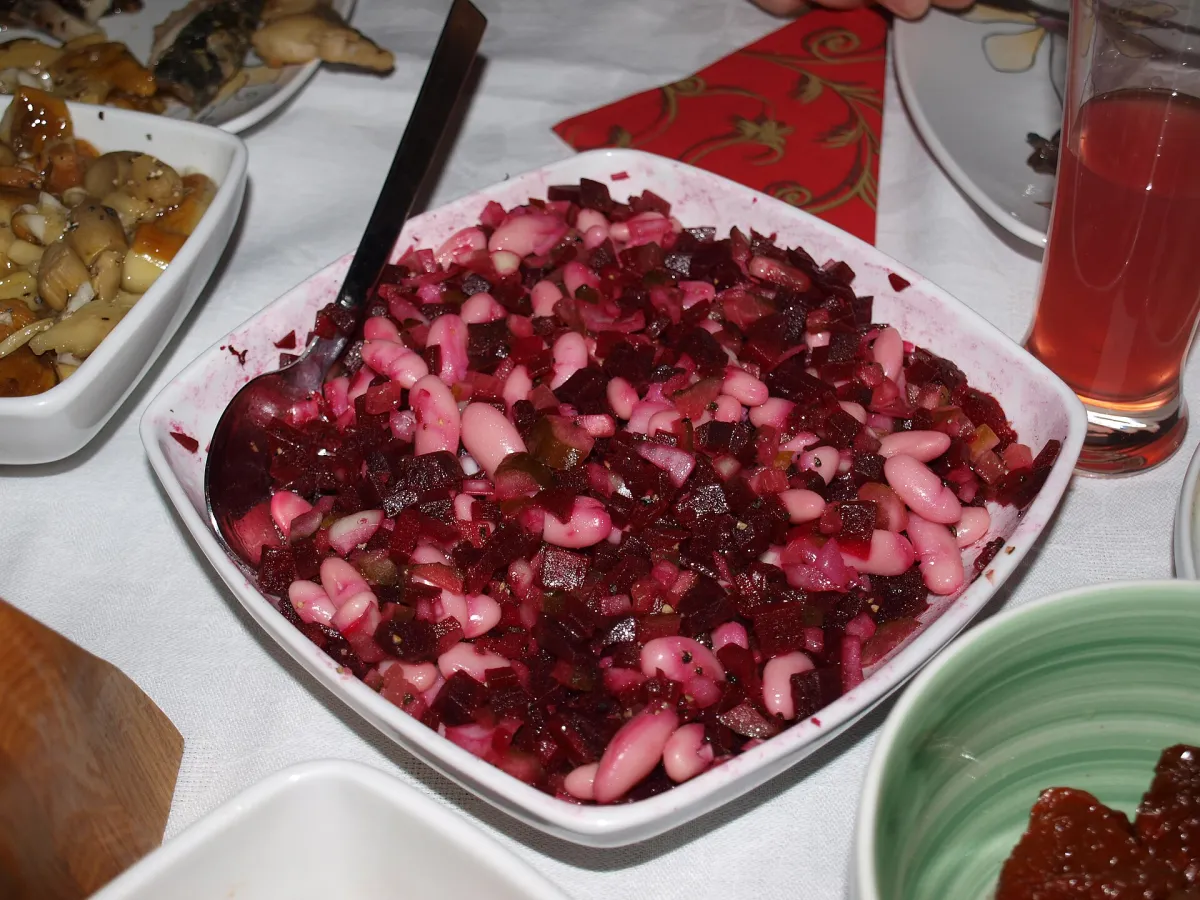 Photo: Mindaugas Danys, CC BY 2.0, via Wikimedia Commons
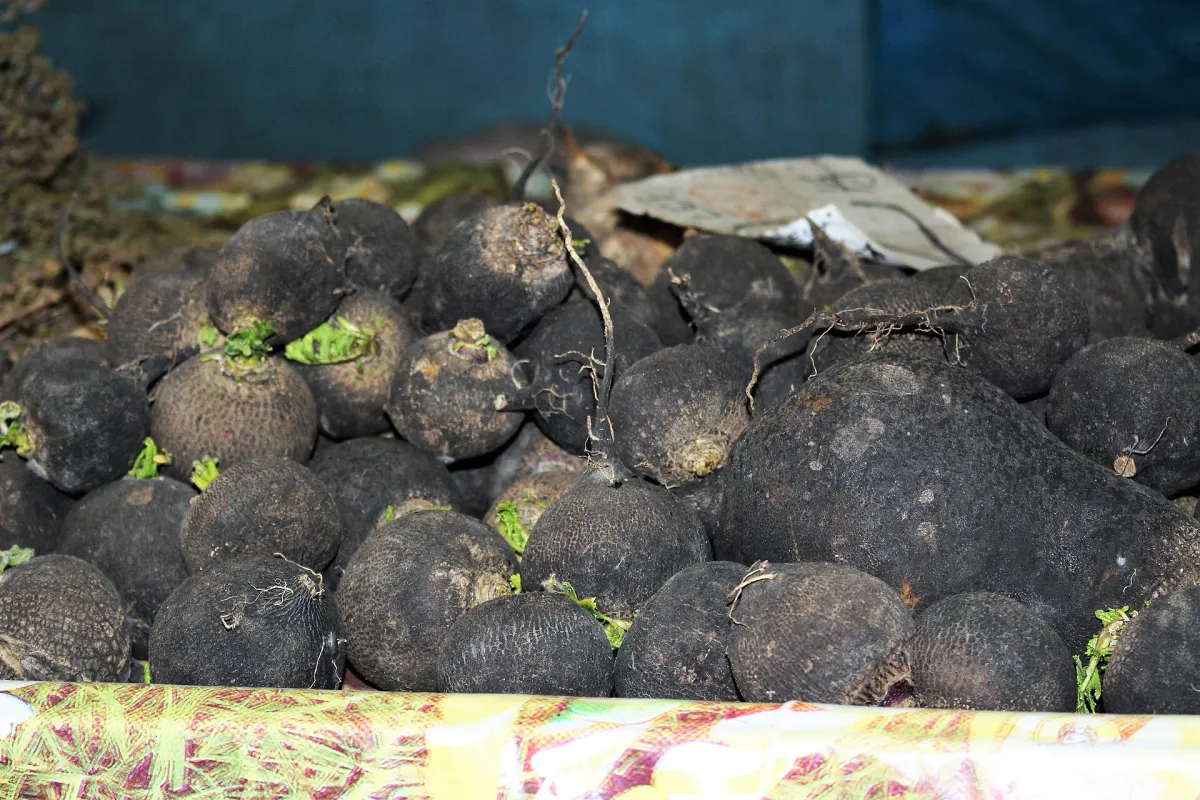
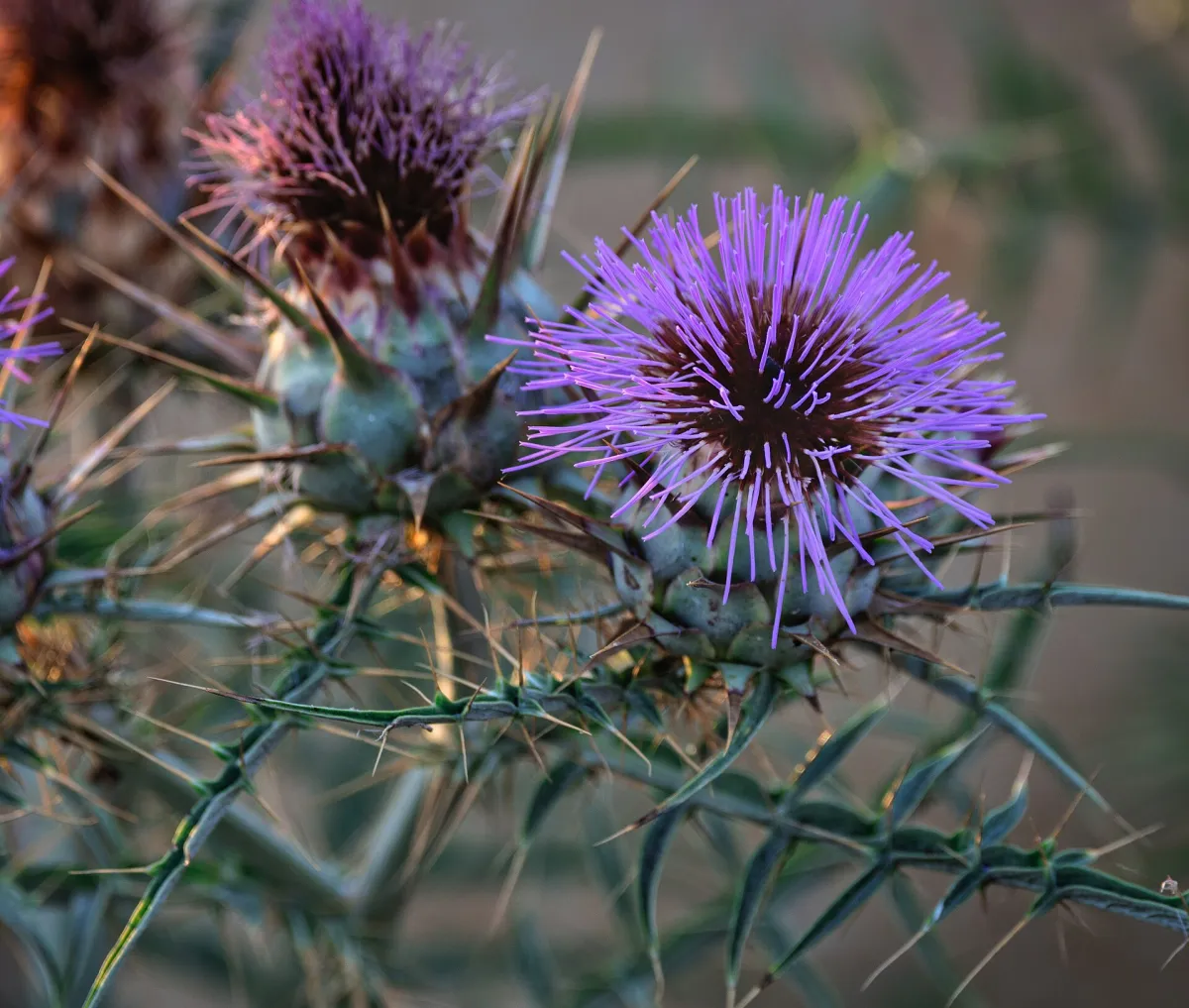
For raised direct bilirubin, “natural” first of all means not delaying investigations. Choleretic herbs (artichoke, dandelion, black radish) are contraindicated in biliary obstruction because they stimulate bile production against a blockage. Once the cause is known, your doctor can tell you whether a gentle herb such as milk thistle makes sense as an adjunct.
What does not work
- “Teas to lower bilirubin”: there is no evidence that any tea normalises bilirubin; if the value falls, the reason is usually hydration and regular meals.
- Detox cleanses involving fasting: in Gilbert’s, they raise bilirubin.
- Multiple supplements: some can harm the liver.
Sample day for someone with Gilbert’s syndrome
- 7:30 breakfast within the first hour after waking: a 2-egg omelette with vegetables, a slice of wholegrain bread, a glass of water;
- 10:30 snack: an apple and a few walnuts;
- 13:00 vegetable soup, baked chicken with rice and salad;
- 16:00 yogurt with oat flakes;
- 19:00 beetroot and bean salad with olive oil, grilled fish;
- throughout the day, 1.5-2 litres of water and unsweetened herbal teas.
The point is not a “miracle” food but rhythm: no daytime gaps longer than 5-6 hours and no skipped dinner. Many people with Gilbert’s notice that episodes of yellowish eyes appear exactly after days of skipped meals, little sleep and lots of coffee.
Bilirubin and the gallbladder
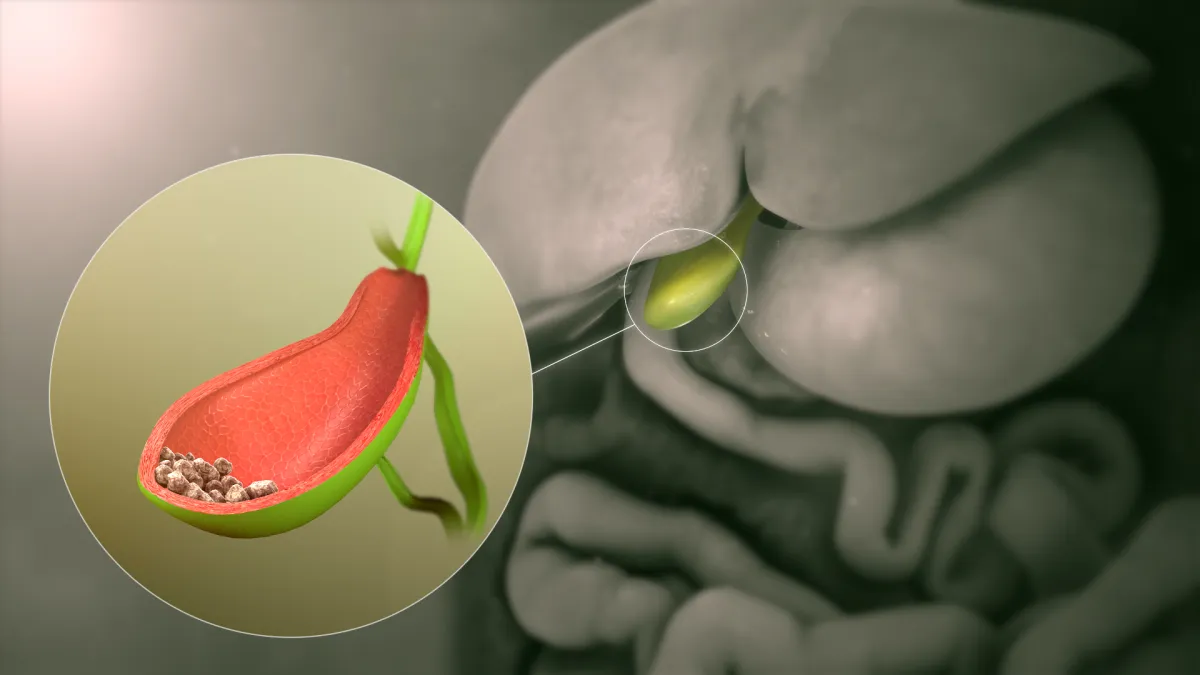
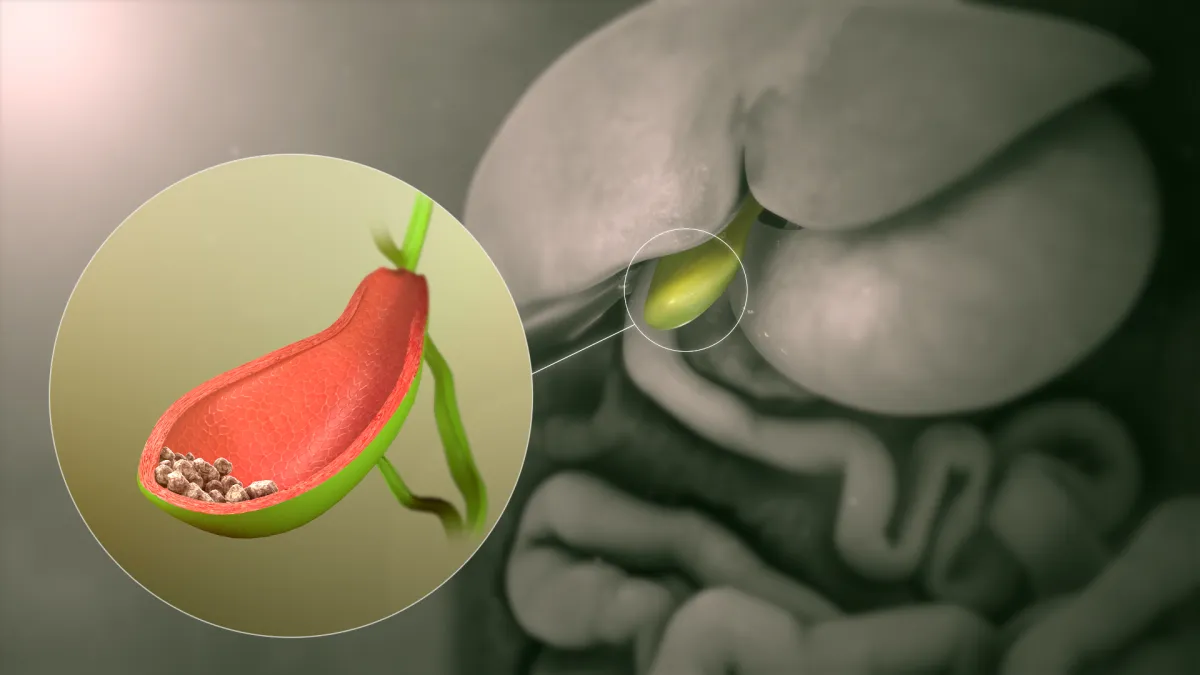
Gallstones can pass from the gallbladder into the common bile duct and block the flow of bile. Direct bilirubin then rises, urine darkens, stools turn pale and upper right pain often follows. If you know you have gallstones and notice these signs, see a doctor the same day. An episode of jaundice with fever may mean cholangitis, and one with constant pain may be complicated cholecystitis. People with fatty liver usually have normal bilirubin; a rise in that setting suggests an additional problem and is worth investigating.
Red flags
See a doctor the same day or go to the emergency department if you have:
- sudden jaundice, especially after age 40, with weight loss;
- urine the colour of strong tea and pale, clay-coloured stools;
- intense itching of the skin;
- fever, chills and upper right pain;
- confusion, drowsiness, bleeding;
- jaundice in a newborn within the first 24 hours of life or lasting beyond 2 weeks.
Common mistakes
- Panicking over a bilirubin of 1.5 mg/dL with all other tests normal. Most often it is Gilbert’s.
- Testing after a day of fasting or a sleepless night. The result may be falsely high.
- Ignoring raised direct bilirubin. It always needs investigating.
- Self-diagnosing Gilbert’s without full tests. Hemolysis and liver disease must be ruled out.
- Choleretic herb courses during jaundice. They can be dangerous if there is an obstruction.
Conclusion
High bilirubin has very different explanations, from harmless Gilbert’s syndrome to a bile duct obstruction that needs intervention. The fractions (direct and indirect) and the other liver tests make the difference. For Gilbert’s, regular meals, hydration, sleep and limited alcohol are all the “remedies” you need. For raised direct bilirubin, the first step is a doctor, not a tea.
Frequently asked questions
What does a slightly high total bilirubin mean? Most often a rise in the indirect fraction due to Gilbert’s syndrome, especially if the other liver tests and blood count are normal. Your doctor will confirm.
Is Gilbert’s syndrome dangerous? No. It is a benign genetic variant that does not damage the liver or shorten life. It may cause episodes of mild jaundice with fasting or stress.
How can I lower indirect bilirubin naturally? With regular meals, hydration, enough sleep, avoiding prolonged fasting and limiting alcohol.
Which foods are good for high bilirubin? A varied diet with vegetables, fruit, whole grains and lean protein. No single food specifically lowers bilirubin.
Is high direct bilirubin serious? It can be, because it points to a liver or bile duct problem. It needs an ultrasound and further tests.
Does fasting raise bilirubin? Yes, especially in people with Gilbert’s syndrome. That is why tests are done after a short 8-12 hour fast, not after days of restriction.
Can I donate blood if I have Gilbert’s syndrome? Generally yes, but rules differ between centres. Ask the doctor at the blood donation centre.
Is Gilbert’s syndrome inherited? Yes, it is a genetic variant inherited from your parents. If a parent or sibling has Gilbert’s, you are more likely to have it too, but the diagnosis is still based on complete blood tests, not family history alone.
Sources
- Kwo PY et al. “ACG Clinical Guideline: Evaluation of Abnormal Liver Chemistries”, American Journal of Gastroenterology, 2017.
- NHS: “Gilbert’s syndrome” and “Jaundice” (nhs.uk).
- MedlinePlus Genetics: “Gilbert syndrome” (U.S. National Library of Medicine).
- Tokyo Guidelines 2018 for the diagnosis of acute cholangitis.
Informational content. Bilirubin results and further tests should be interpreted with your doctor.