 Photo: Bastique (Cary Bass), CC BY-SA 3.0, via Wikimedia Commons
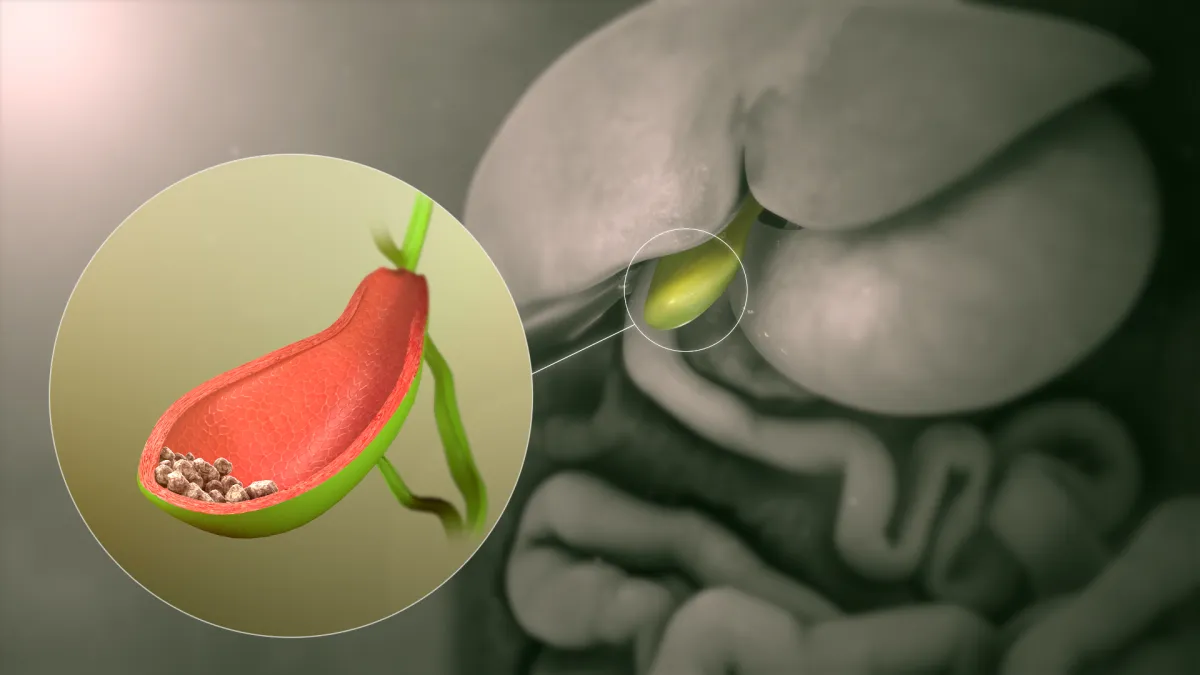
Post-cholecystectomy syndrome is the umbrella term for digestive symptoms that persist or appear after the gallbladder is removed: diarrhea, bloating, nausea, pain in the upper right abdomen or the pit of the stomach. It is not a single disease but a heading that covers different causes, from bile acid diarrhea (the most common and the easiest to improve) to a stone left behind in the common bile duct. The good news: most causes can be identified and treated.
Key takeaways
- Some patients have symptoms after cholecystectomy; in most, they fade over the first months.
- Diarrhea after surgery is often caused by bile acids reaching the colon.
- Soluble fiber (psyllium, oats) and small, low-fat meals are the first natural step.
- Colicky pain, jaundice or fever are not “normal” after surgery and need investigation.
- Sometimes the original symptoms never came from the gallbladder (reflux, IBS, gastritis) and simply persist.
What post-cholecystectomy syndrome is
The term describes any abdominal symptom that appears or continues after cholecystectomy. Doctors broadly split it into three groups:
- Early symptoms (first days to weeks): may relate to the operation itself, such as a bile leak or a stone slipping into the common bile duct.
- Late symptoms with a biliary cause: stones formed or left in the bile ducts, strictures, sphincter of Oddi dysfunction.
- Symptoms unrelated to bile: gastroesophageal reflux, gastritis, ulcer or irritable bowel syndrome that were present before and wrongly blamed on the gallbladder.
This split matters because natural remedies mainly help with the first practical problem, diarrhea and bloating, but will not clear a blocked stone.
Diarrhea after gallbladder surgery
Why it happens
Normally about 95% of bile acids are reabsorbed at the end of the small intestine and returned to the liver. Without a gallbladder, bile flows continuously, and in some people more of it escapes into the colon. There, bile acids draw in water and stimulate contractions, producing loose, urgent stools, often right after eating. This is called bile acid diarrhea, and gastroenterology guidelines describe it as a common cause of chronic diarrhea after cholecystectomy.
What helps naturally
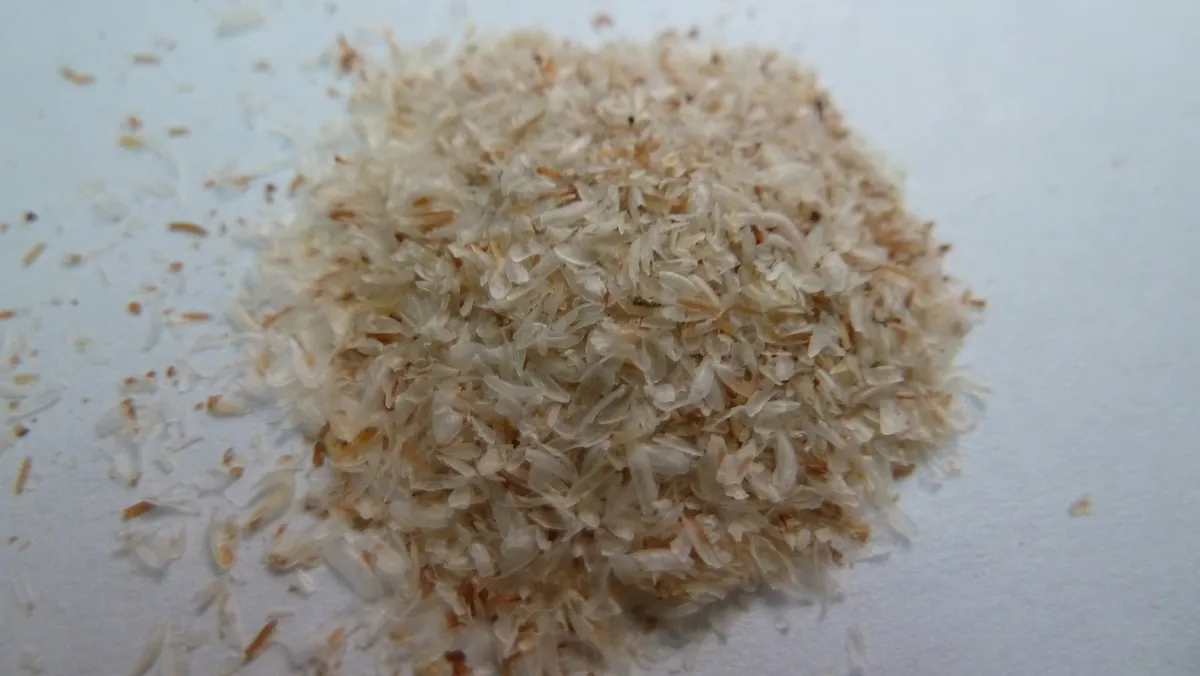
- Psyllium husk: 1 teaspoon (about 5 g) stirred into 250 ml of water and drunk immediately, once a day, increasing to twice a day after a week. Psyllium forms a gel that binds water and some of the bile acids. Take it at least 2 hours apart from medicines.
- Oats and barley: morning oatmeal provides beta-glucans, soluble fibers with a similar effect.
- Small meals, fat spread out: a teaspoon of oil per meal instead of one rich evening meal.
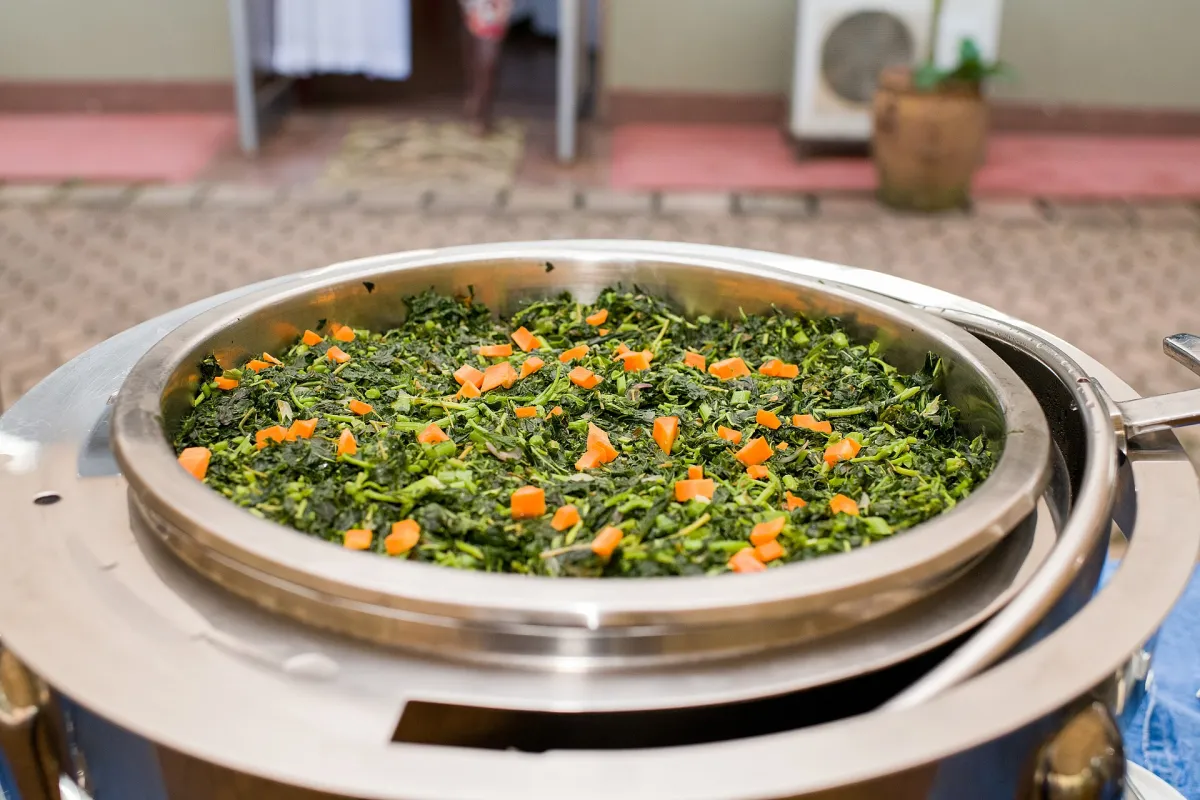
- Cooked carrots, baked apples, bananas: pectin-rich foods traditionally used for diarrhea.
- Hydration: water and clear soups to make up for losses.
For general measures during acute episodes, see our article on natural remedies for diarrhea.
What your doctor can do
If diarrhea persists beyond 4-6 weeks despite dietary changes, your doctor may suggest a test or a trial of a bile acid sequestrant (for example cholestyramine). A good response often confirms the diagnosis. Do not take such medicines without a prescription: they interfere with the absorption of other drugs and fat-soluble vitamins.
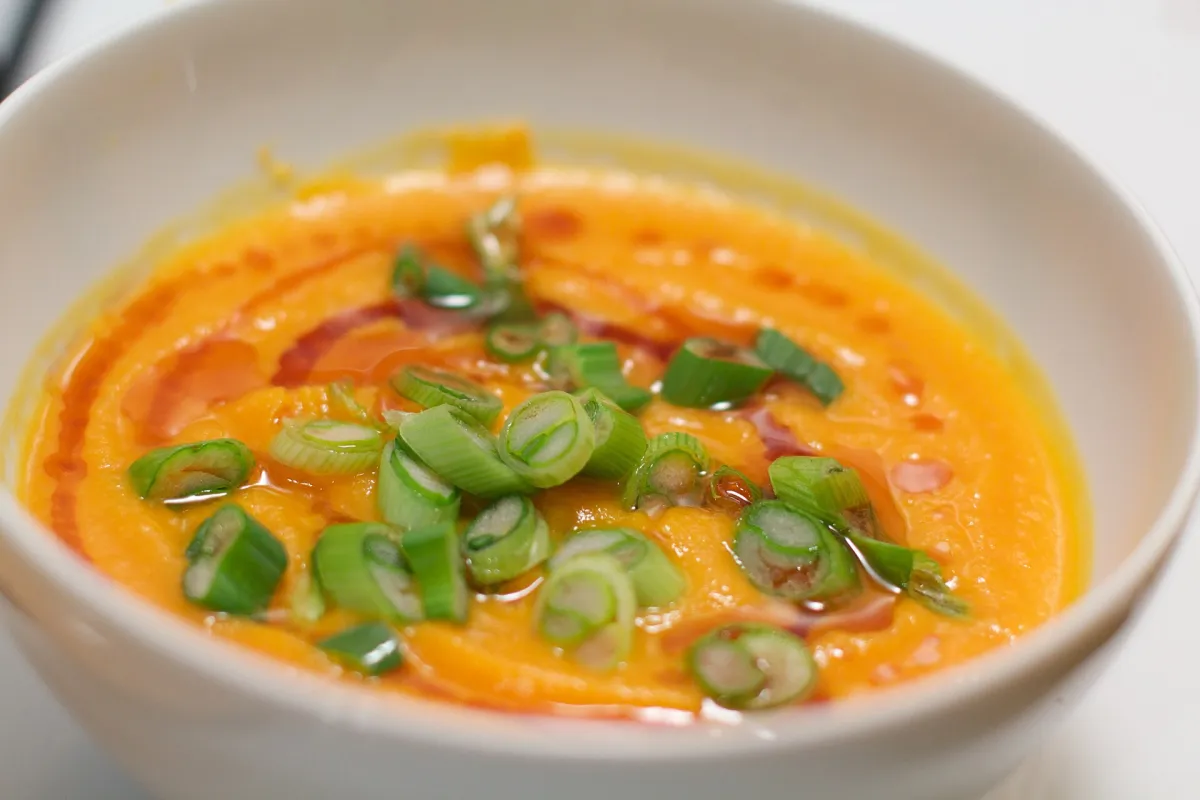 Photo: James Cohen from San Francisco, U. S. of A., CC BY 2.0, via Wikimedia Commons
Bloating and nausea after cholecystectomy
Bloating often appears when meals are too big or too fatty, but also when the diet changes suddenly (for example lots of insoluble fiber introduced at once). A few gentle remedies with a traditional basis and some clinical data:
- Fennel tea: 1 teaspoon of crushed seeds in 250 ml boiling water, covered for 10 minutes, after main meals.
- Peppermint tea: 1 teaspoon of dried leaves in 250 ml water, 7-10 minutes. Peppermint oil has a studied antispasmodic effect in irritable bowel syndrome. Caution: it may worsen reflux. More in our article on peppermint tea.
- Ginger: 3-4 fresh slices simmered for 5 minutes in 300 ml water, for nausea.
- Moving after meals: 10-15 minutes of easy walking helps release gas.
Pain after gallbladder surgery
Discomfort at the incisions and shoulder pain (from the gas used in laparoscopy) are normal in the first days. Pain that shows up weeks or months later is a different matter:
- Colicky pain in the upper right abdomen or upper middle abdomen lasting more than 30 minutes, perhaps with nausea: may point to a common bile duct stone or sphincter of Oddi dysfunction.
- Burning behind the breastbone, sour taste: suggests reflux, not a biliary problem.
- Diffuse cramps relieved after a bowel movement: suggestive of irritable bowel syndrome.
If you had painful episodes before surgery too, our article on biliary colic explains the difference between biliary-type pain and other abdominal pain.
Table: symptom, likely cause, what to try at home
| Symptom | Common cause | What you can try | When to see a doctor |
|---|---|---|---|
| Loose stools after meals | bile acids in the colon | psyllium, oats, small meals | after 4-6 weeks or with weight loss |
| Bloating | large meals, sudden fiber | fennel, peppermint, walks | if paired with severe pain |
| Nausea | lots of fat, reflux | ginger, small meals | repeated vomiting |
| Upper right pain | retained stone, sphincter of Oddi | nothing to try at home | immediately, especially with fever or jaundice |
| Heartburn, sour taste | reflux | avoiding late meals | if it lasts more than 2-3 weeks |
Red flags
Seek urgent care if you have:
- jaundice (yellow skin or eyes), dark urine, pale stools;
- fever and chills with abdominal pain;
- severe pain lasting hours;
- vomiting that will not stop;
- black or bloody stools;
- unintended weight loss.
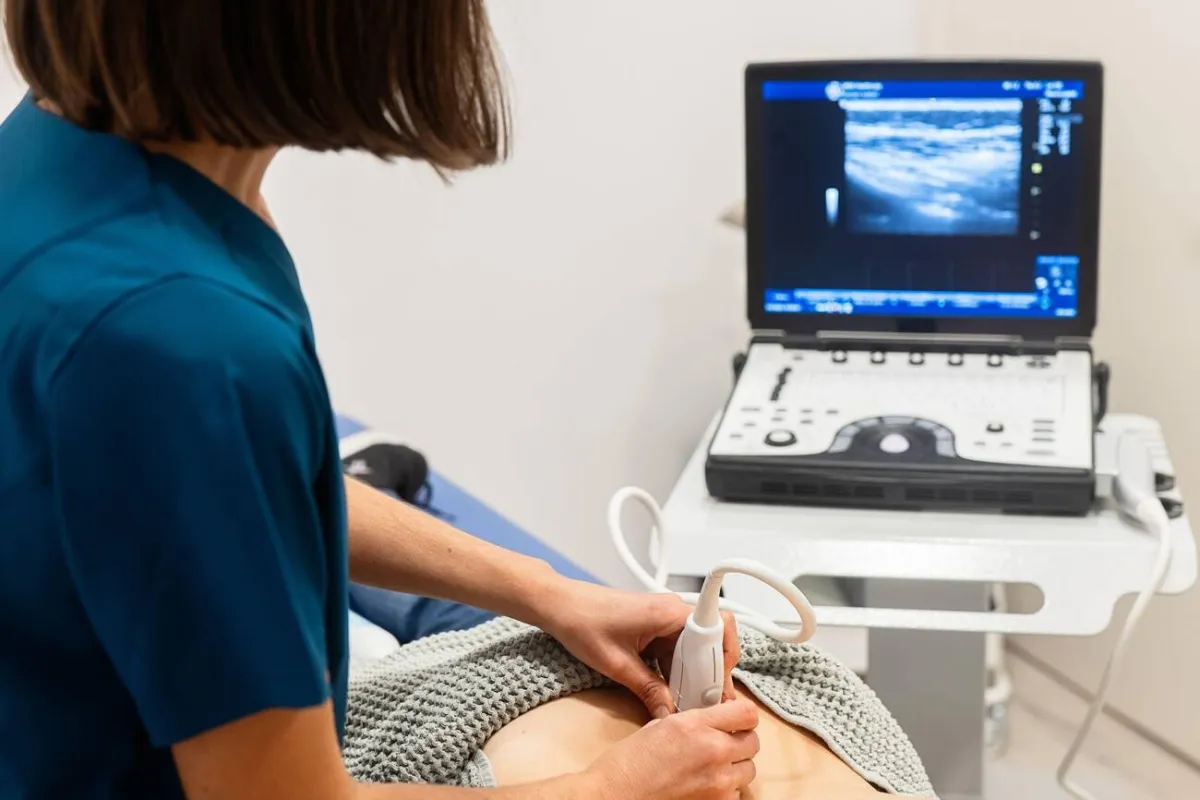
Usual tests are liver blood tests (bilirubin, transaminases, alkaline phosphatase, GGT), ultrasound and, if needed, MRCP. For help reading these results, see our articles on elevated liver enzymes and high bilirubin.
How to keep symptoms from coming back
- Follow a diet after gallbladder removal with a gradual return of fats.
- Keep a food diary for 2-3 weeks: write down the meal, the time and your symptoms. The pattern becomes obvious.
- Limit strong coffee, alcohol and ice-cold drinks on an empty stomach.
- Manage stress: the gut-brain axis strongly influences transit.
- Move every day for at least 30 minutes.
Recipe: a “gut-settling” porridge
Simmer 40 g of oat flakes in 250 ml of water (or 1.5% milk, if you tolerate it) for 5-6 minutes over low heat. Stir in a small mashed banana and a grated apple, then leave covered for 2 minutes. Finish with half a teaspoon of cinnamon. Eat it warm as the first meal of the day for 2-3 weeks. The combination of oat beta-glucans and pectin from apple and banana firms up stools for many people. If you notice no difference after 3 weeks, do not keep pushing: it is a sign that a medical assessment is worthwhile.
Common mistakes
- “It’s normal after surgery, I have to live with it.” Chronic bile acid diarrhea responds well to treatment; it is not something you must accept.
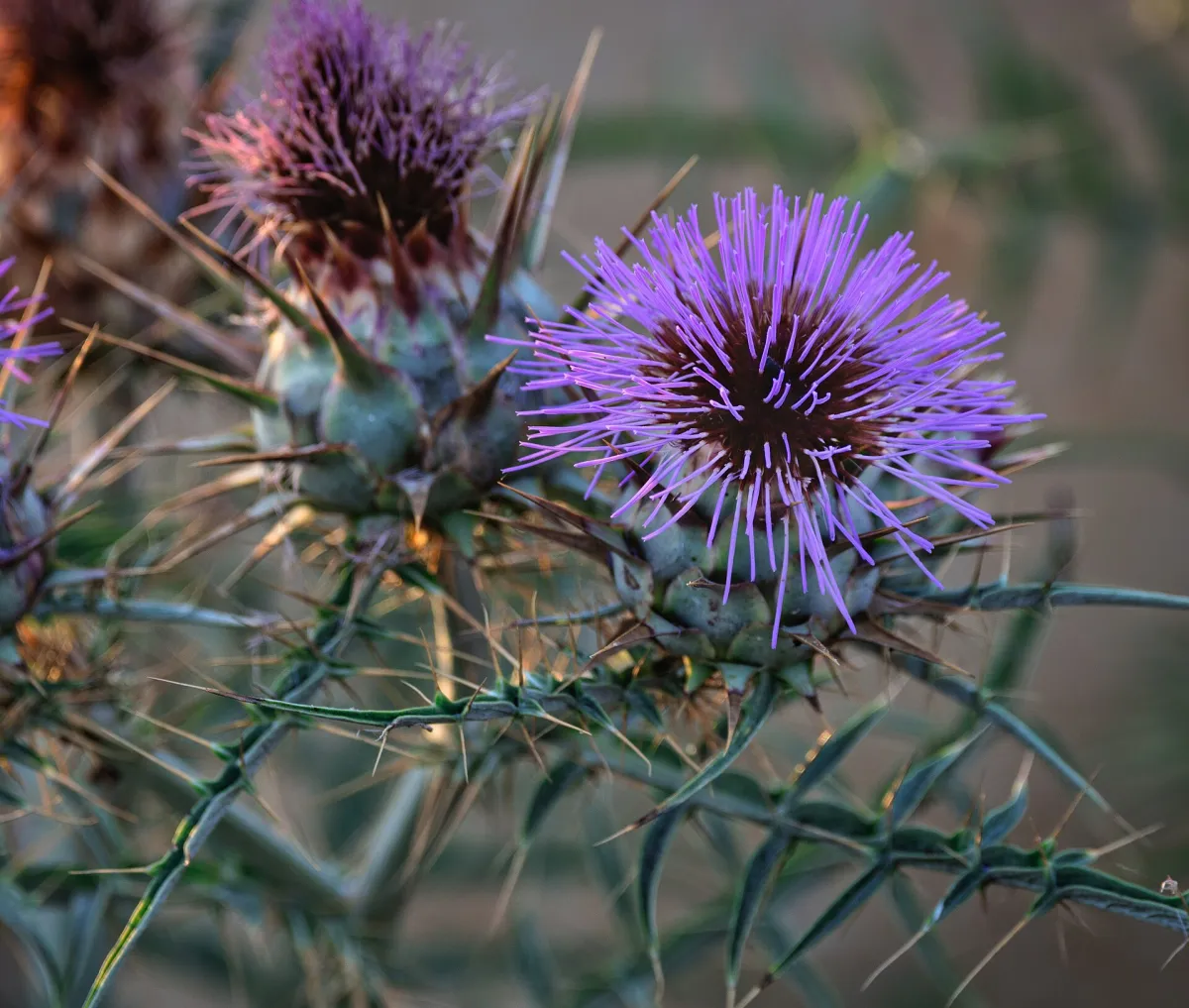
- Strong choleretic supplements “to help the bile”. Stimulating bile secretion (high doses of artichoke or black radish) can worsen diarrhea.
- Long fasting followed by huge meals. Without a gallbladder, regular meals are better tolerated.
- Ignoring recurrent pain. A common bile duct stone can cause pancreatitis or cholangitis.
- Self-diagnosis. Old symptoms may come from the stomach or colon, not from bile.
Conclusion
Post-cholecystectomy syndrome does not mean the operation “failed”. Most of the time it reflects the gut adapting to bile that flows continuously, and soluble fiber, small meals and a few digestive teas make a real difference. Colicky pain, jaundice and fever, however, are signals that call for tests, not home remedies. Listen to your body and do not delay a visit if symptoms persist.
Frequently asked questions
How long does diarrhea last after gallbladder surgery? In most people it eases within the first weeks or months. If it persists beyond 4-6 weeks, ask your doctor about bile acid diarrhea.
Psyllium or wheat bran after cholecystectomy? Psyllium. It is a soluble, gel-forming fiber that binds water. Wheat bran is insoluble and may worsen bloating and fast transit.
Can I get gallstones after my gallbladder has been removed? Yes, rarely. Stones can form in or remain in the common bile duct. They cause pain, jaundice or fever and need specialist treatment.
Why do I have upper right pain months after surgery? Possible causes include a retained stone and sphincter of Oddi dysfunction, but also liver, stomach or musculoskeletal problems. Blood tests and an ultrasound are needed.
Does post-cholecystectomy syndrome go away on its own? Mild forms often improve as digestion adapts. Forms with a structural cause (stone, stricture) do not resolve by themselves.
Which tea is good after gallbladder surgery? Chamomile, fennel and, if you do not have reflux, peppermint. They are gentle and help with bloating and cramps.
Do probiotics help after cholecystectomy? Evidence is limited. Some people report less bloating; you can try a 4-week course, but probiotics do not replace investigation of persistent symptoms.
Sources
- British Society of Gastroenterology: guidelines for the investigation of chronic diarrhoea in adults (2018), section on bile acid diarrhoea.
- EASL Clinical Practice Guidelines on the prevention, diagnosis and treatment of gallstones (2016).
- NHS: “Gallbladder removal - Risks” (nhs.uk).
- EMA/HMPC community herbal monographs on Plantaginis ovatae seminis tegumentum (psyllium husk) and Menthae piperitae folium.
Informational content. It does not replace advice from a gastroenterologist or surgeon.